The Stream Wasn’t Just Water to Manja
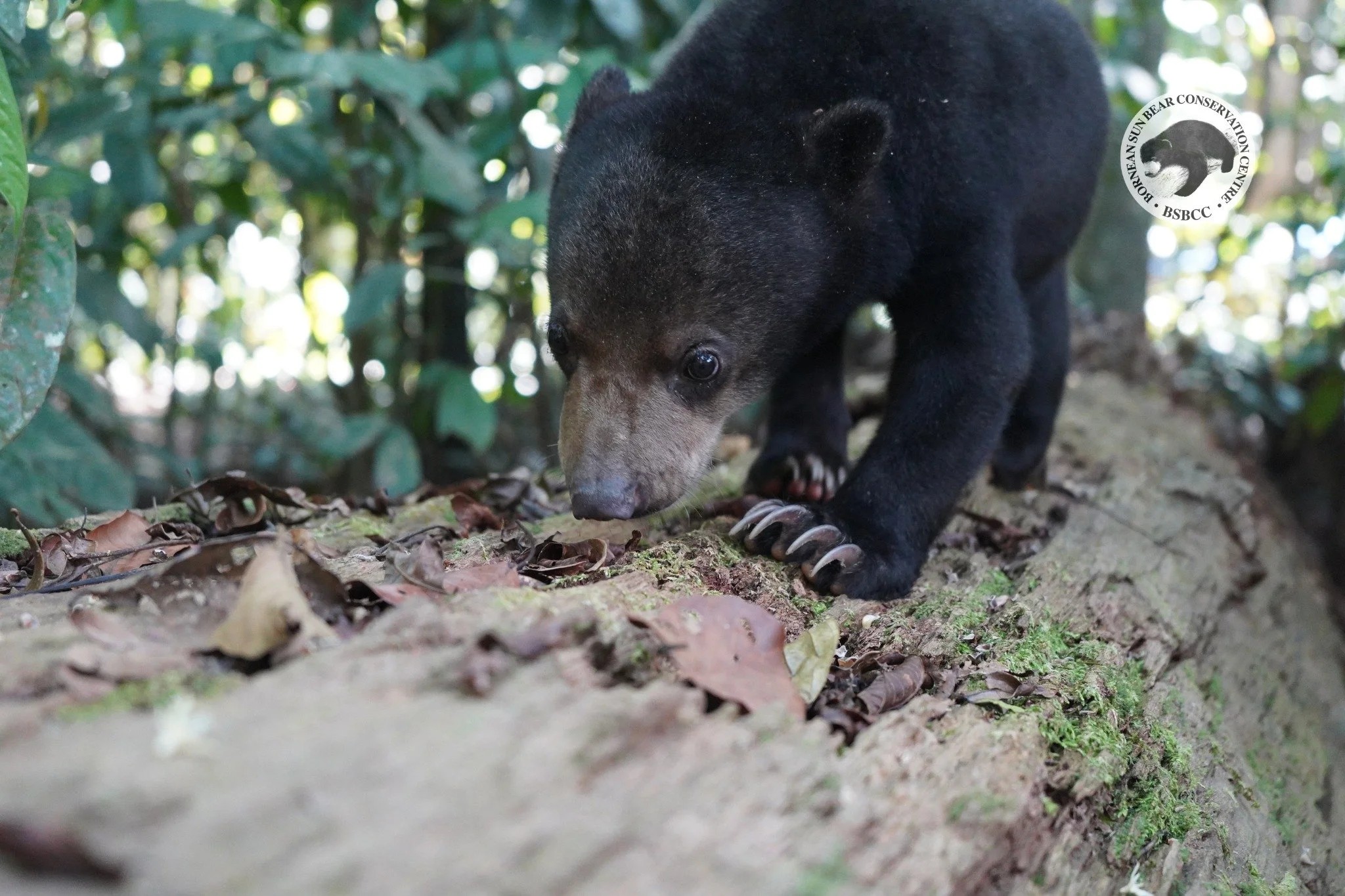
During her latest forest walk session, Manja once again showed just how curious and observant she has become in the forest. Just like before, the moment she entered the area, she was eager to find a tree to climb. But this time felt slightly different. Instead of constantly moving from branch to branch, Manja appeared more relaxed, comfortably sitting high up in the tree while quietly observing the forest around her. It was a calm moment that reflected how much more confident she is becoming with every session.
Not long after, the sound and movement of the nearby stream seemed to catch her attention. Manja slowly made her way closer to the water, carefully exploring the riverbank while taking in all the unfamiliar scents, textures, and sounds around her. She spent quite some time investigating the flowing stream, appearing fascinated by the movement of the water and the muddy ground surrounding it.
One particularly fascinating moment was watching Manja nibble at the soil beside the stream, possibly mud, as part of her natural exploratory behavior. Such interactions are common in wildlife as they engage closely with their surroundings and respond to the richness of their environment. It was another clear sign that for Manja, the forest is never just a path to move through. It is a living world full of discoveries waiting to be explored in her own curious way.
Throughout the session, Manja appeared calm, engaged, and increasingly comfortable within the forest environment. Every little interaction, whether sitting quietly in a tree, listening to the sounds of water, or investigating the muddy riverbank, reflects her growing connection with the natural world around her.
For Manja, the stream wasn’t just water. It was another small adventure waiting to be explored
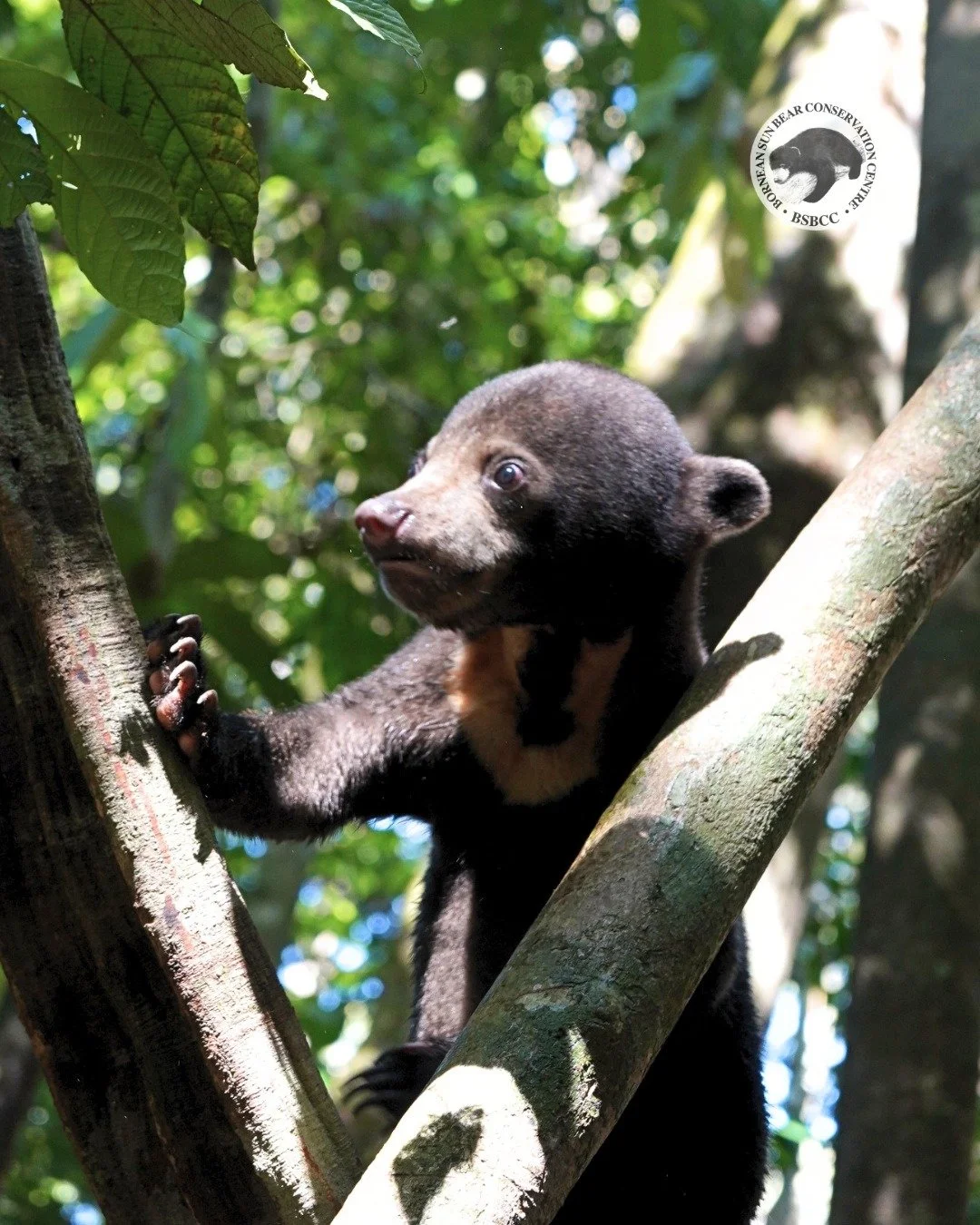
Even beneath the thick forest canopy, Manja somehow found the perfect little spot where the sunlight slipped through. She sat there quietly, letting the warm light touch her fur as if the forest had made a tiny opening just for her.
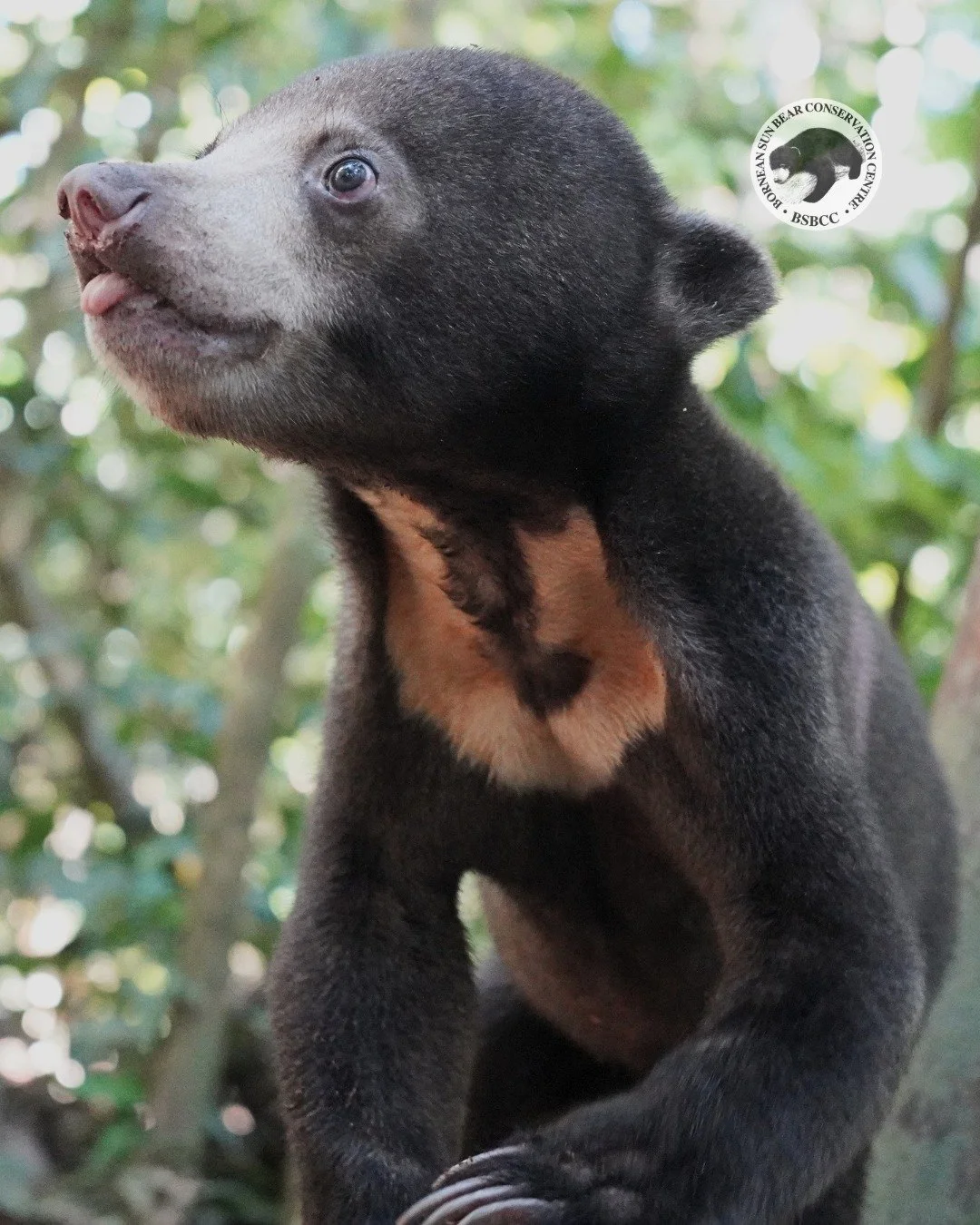
Caught Manja with her tiny tongue sticking out while “tasting” the forest air. With the sunlight slipping through the trees and the breeze moving softly around her, she paused for a moment as if trying to understand every scent the forest carried her way
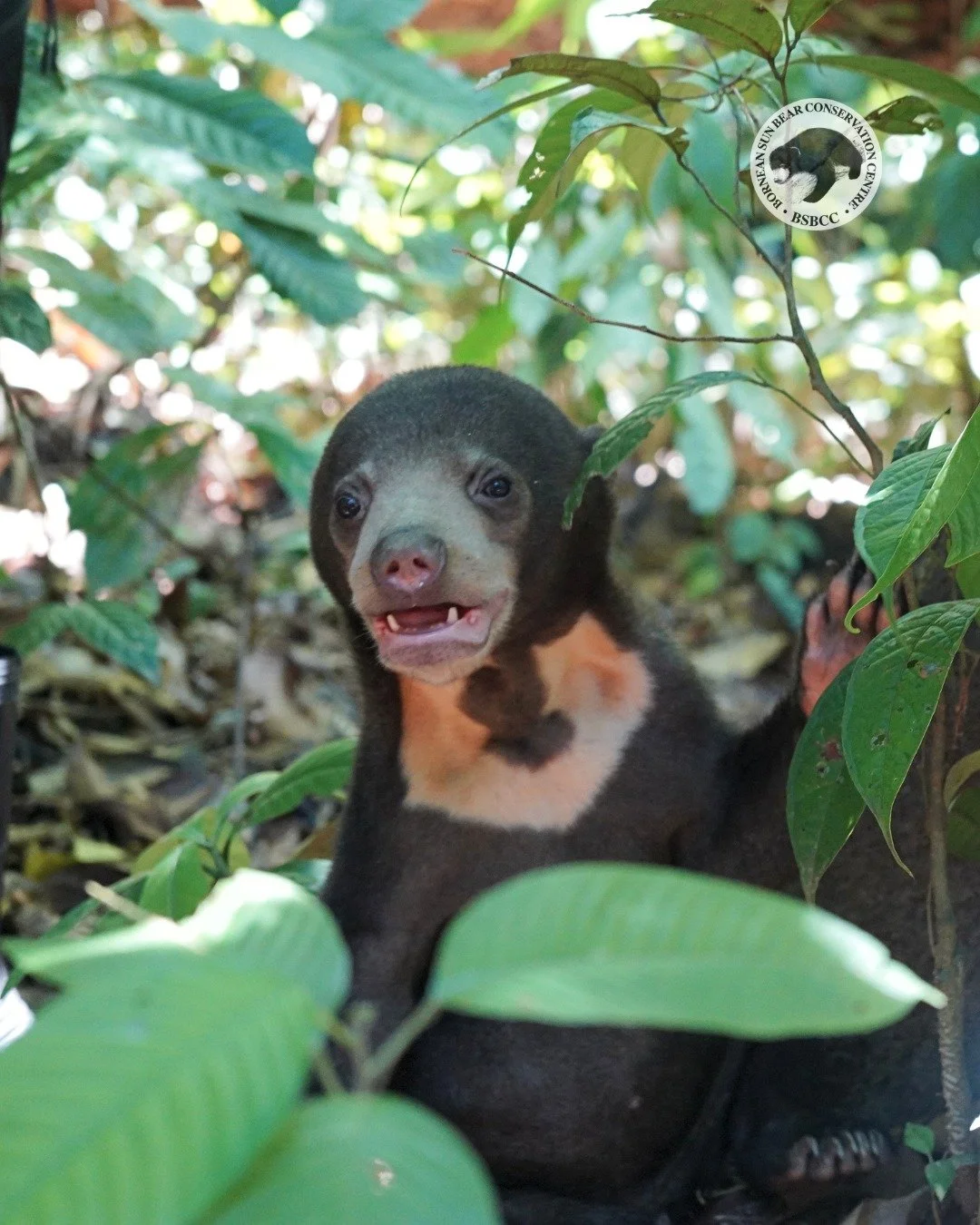
A little Manja showing off her distinct chest mark. In the soft forest light, her unique chest marking stood out clearly — a small but special feature that makes her easily recognizable among the greens of the forest.
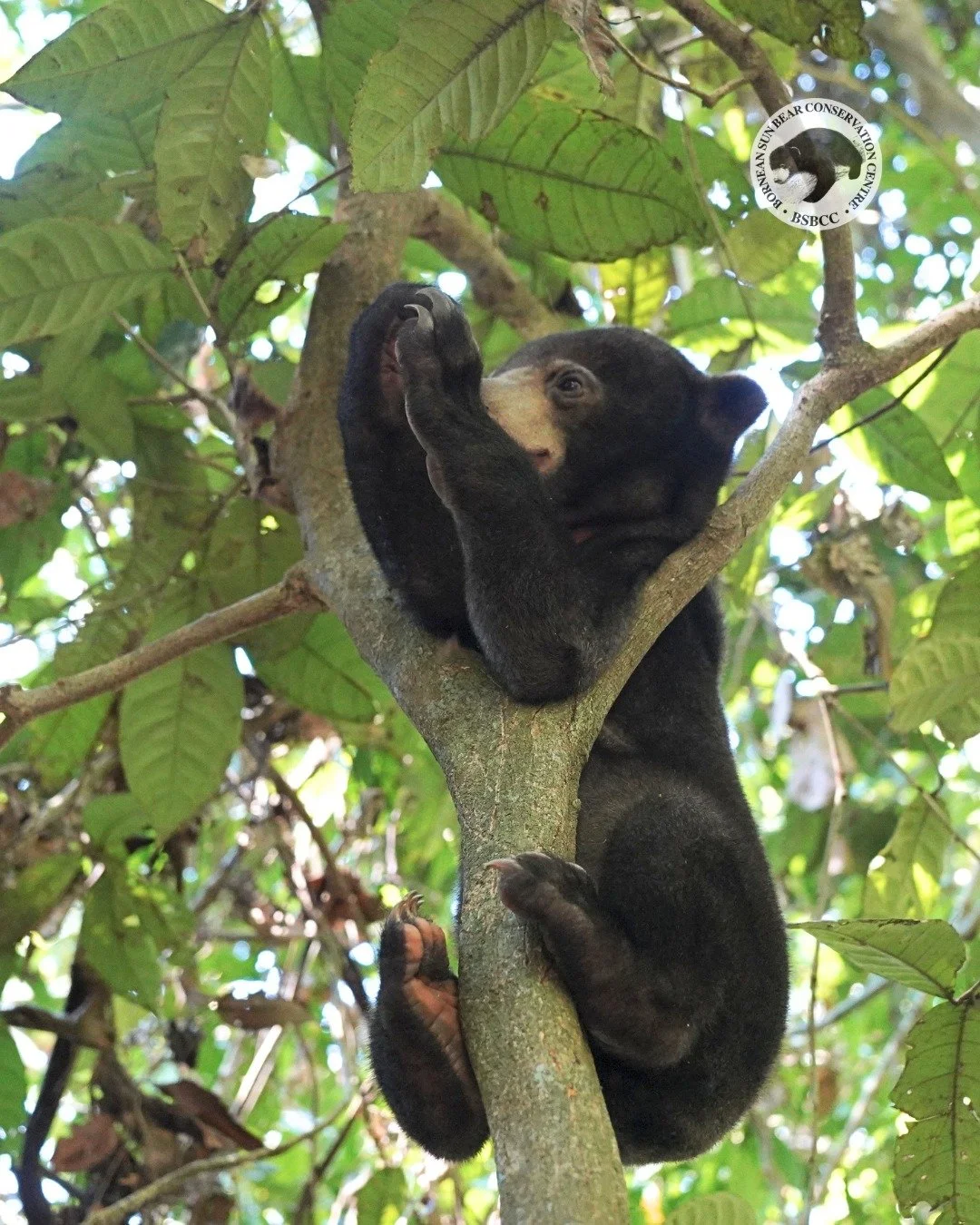
Manja is showing clear progress in strength, with limbs that now support her body well as she explores higher up in the trees
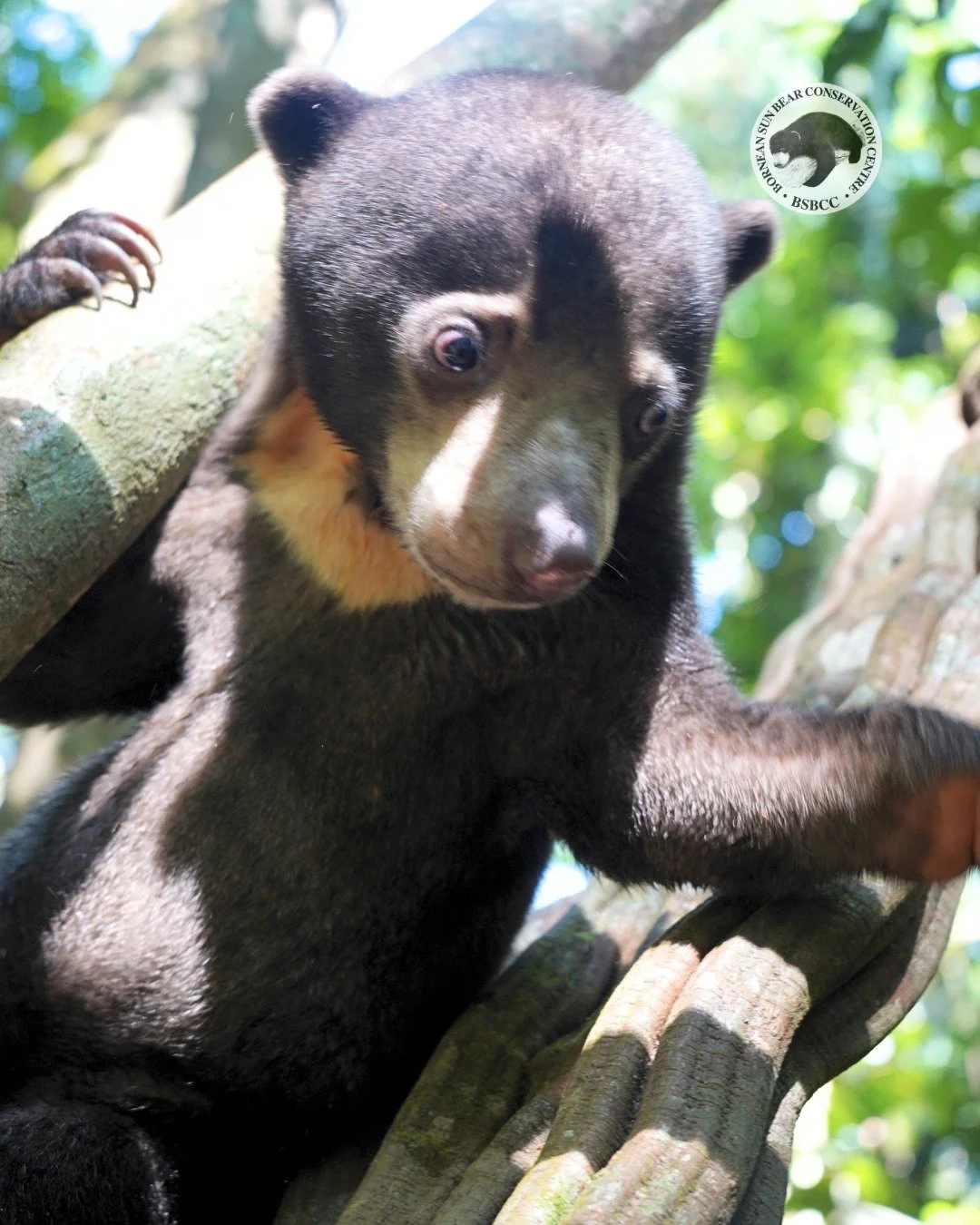
She watches the stream flow past as if it’s something alive in motion, shifting, sounding, and changing every second.
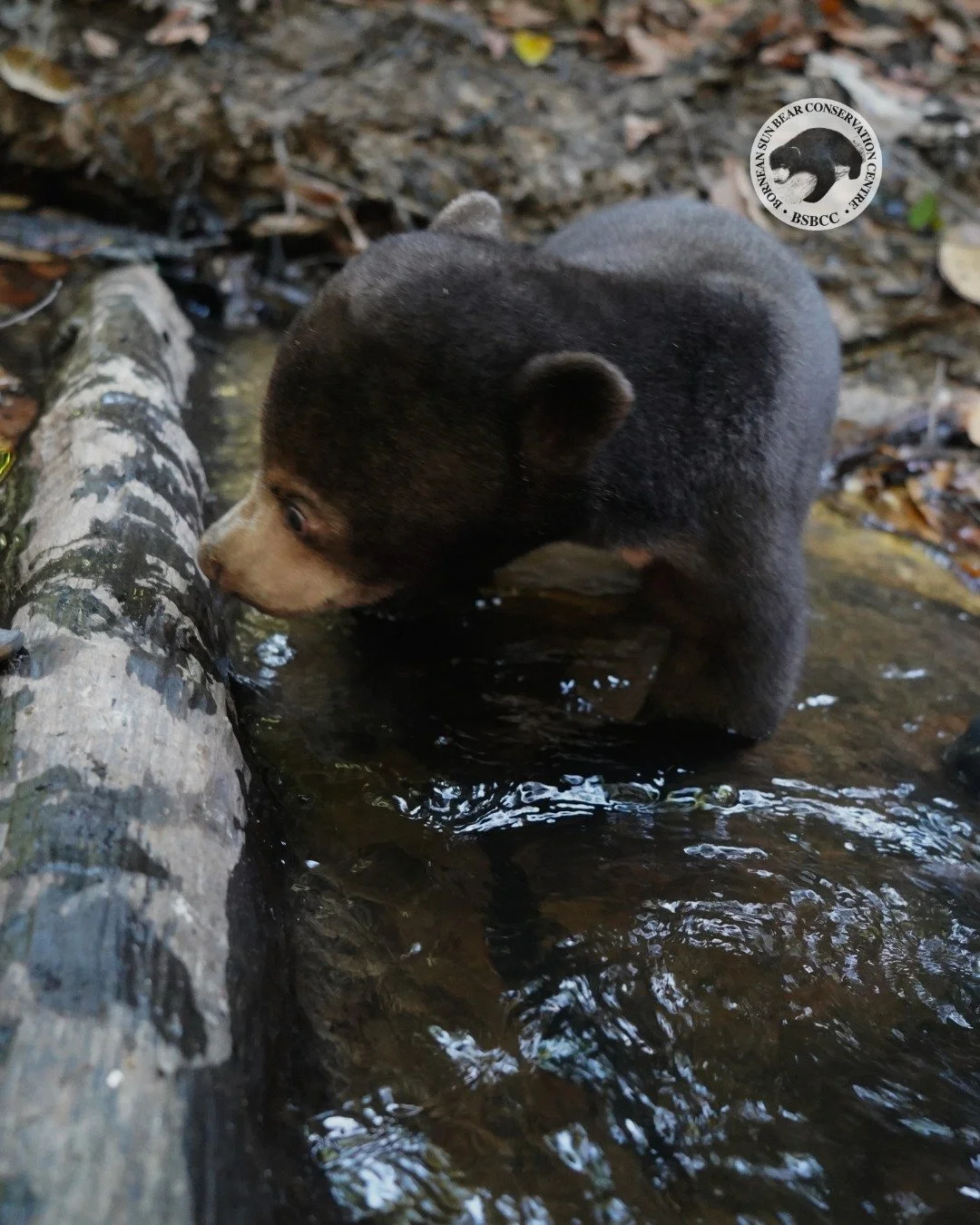
Manja doesn’t hesitate for long as she crosses the stream on her own, carefully navigating the flowing water.
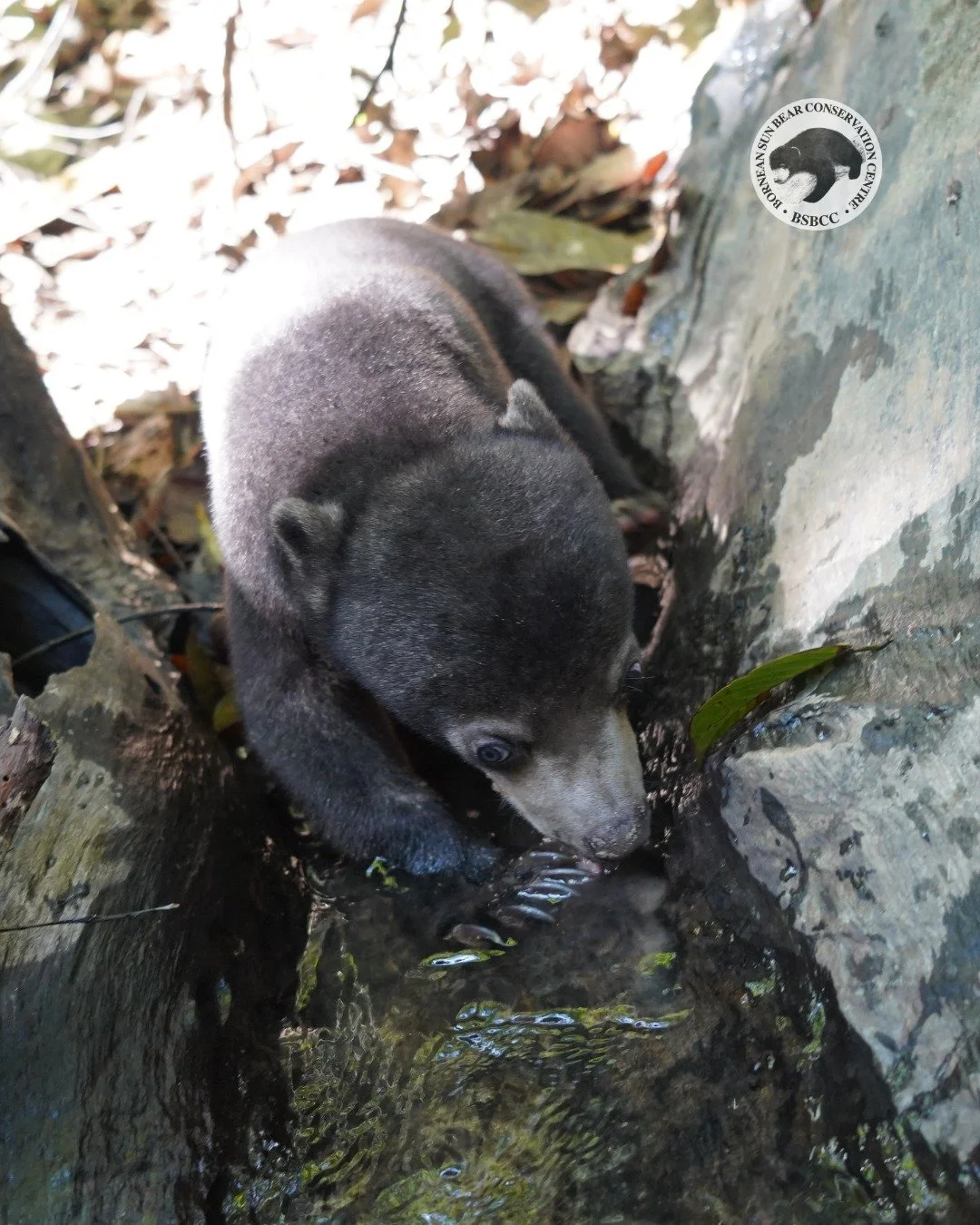
The forest provides its own pathway — a big log becomes Manja’s bridge over the flowing stream
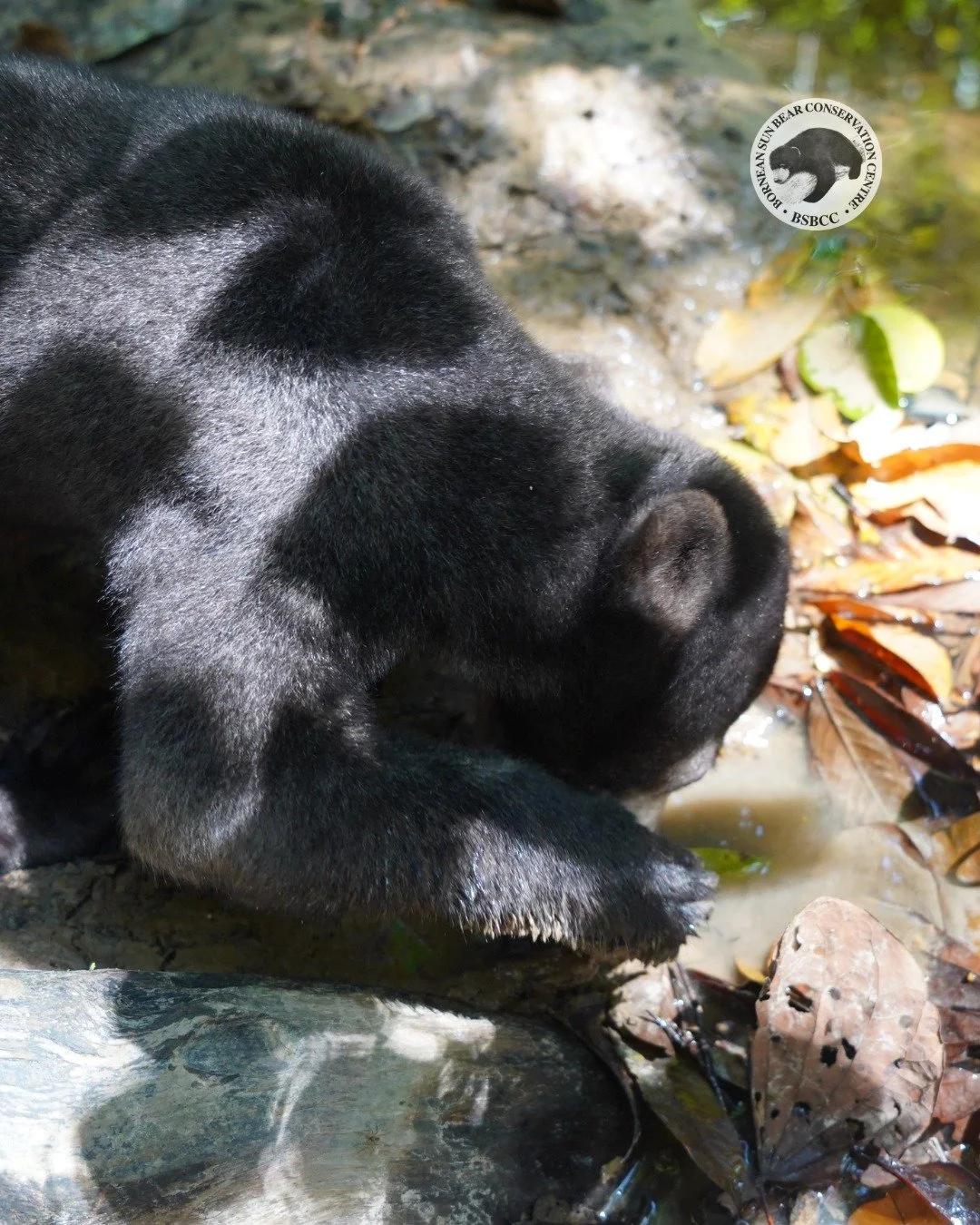
The muddy ground becomes another point of curiosity for Manja, who gently investigates it during her streamside exploration
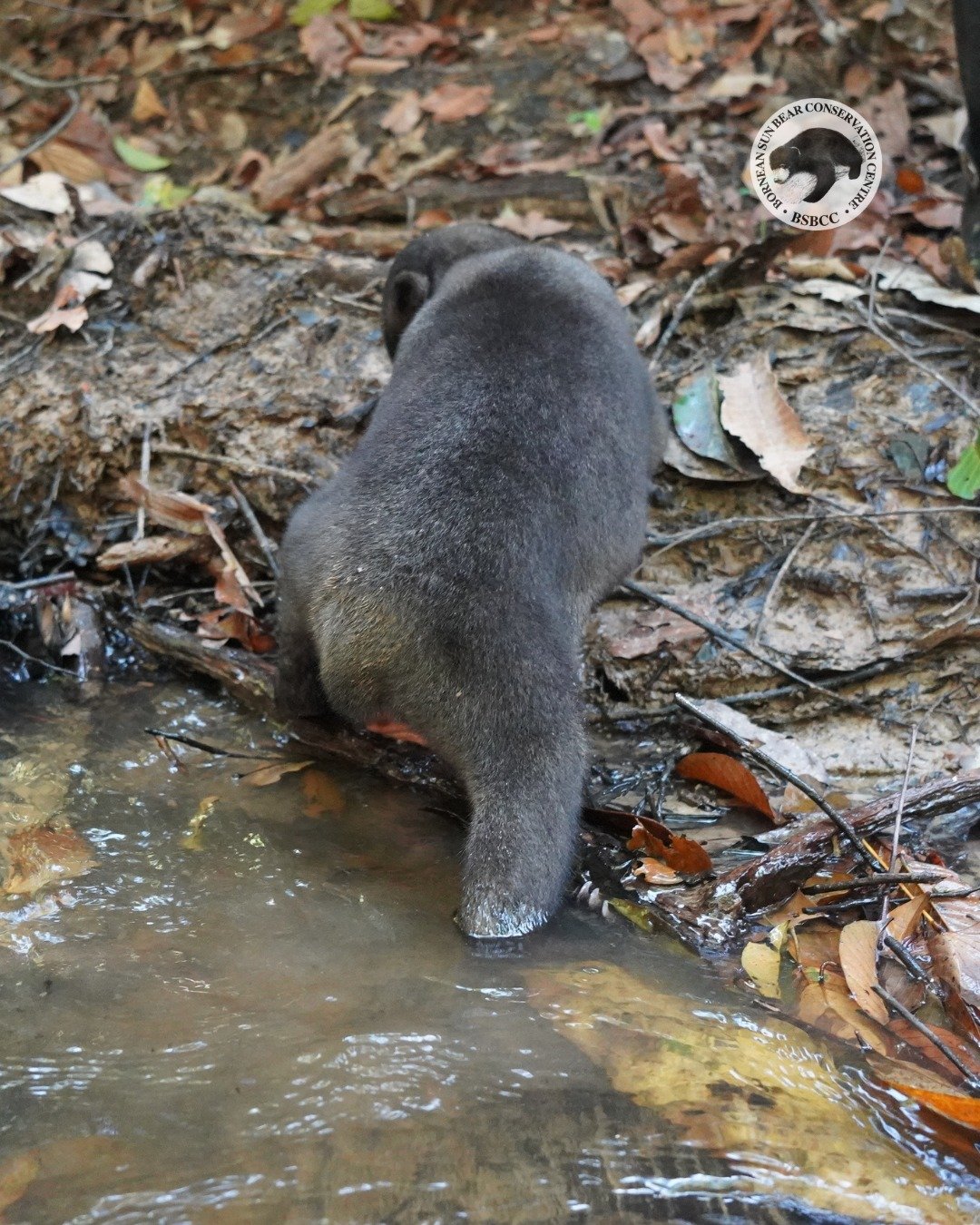
No rush, no hesitation. Just Manja moving on after a meaningful little moment by the water
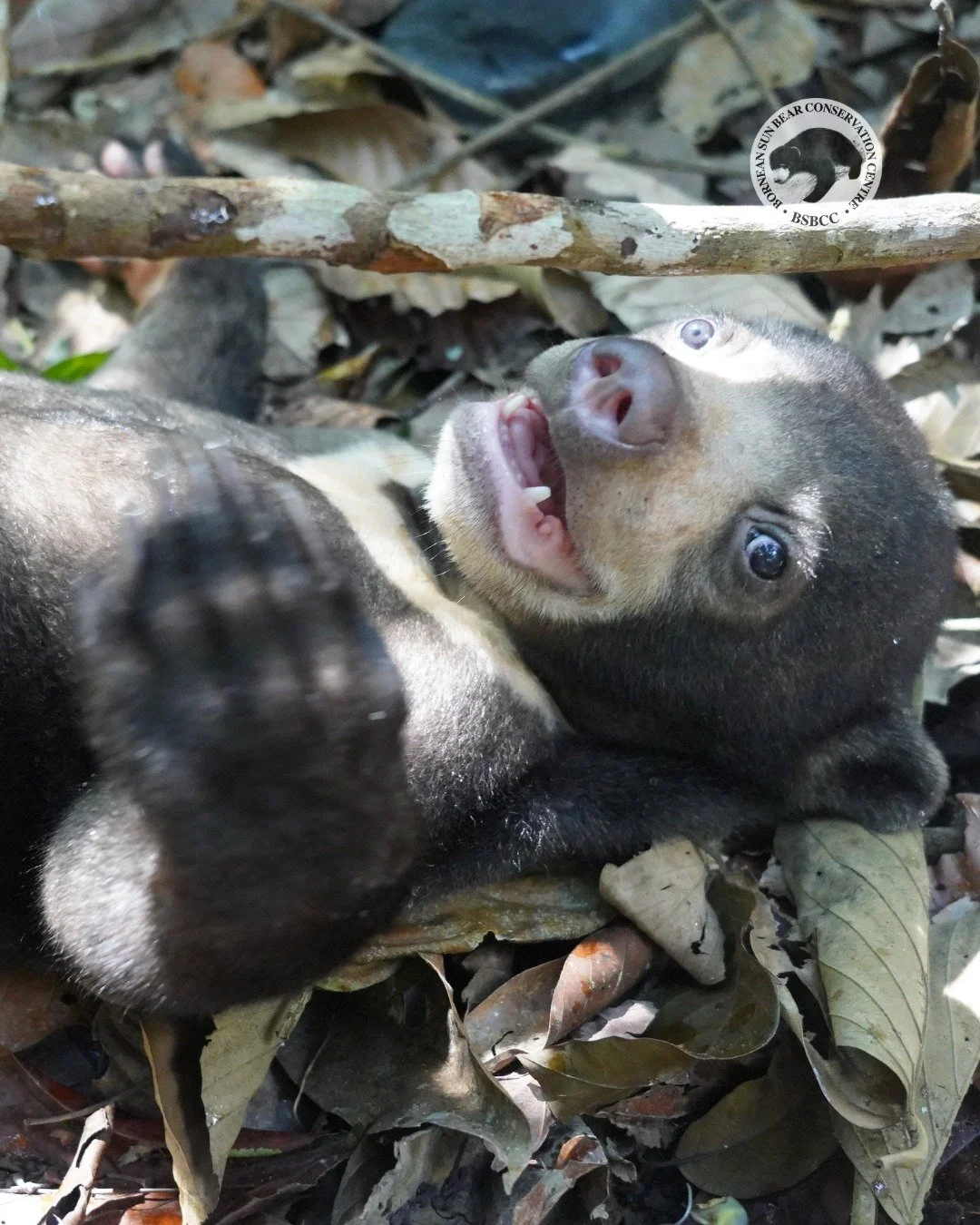
Before heading back, Little Manja was lying comfortably on her back on the forest floor, completely relaxed beneath the trees. And honestly, her face looked so confident… almost as if she was saying, “My caretaker will wait for me anyway” hehe. Not long after, she slowly got up and continued her journey back through the forest.
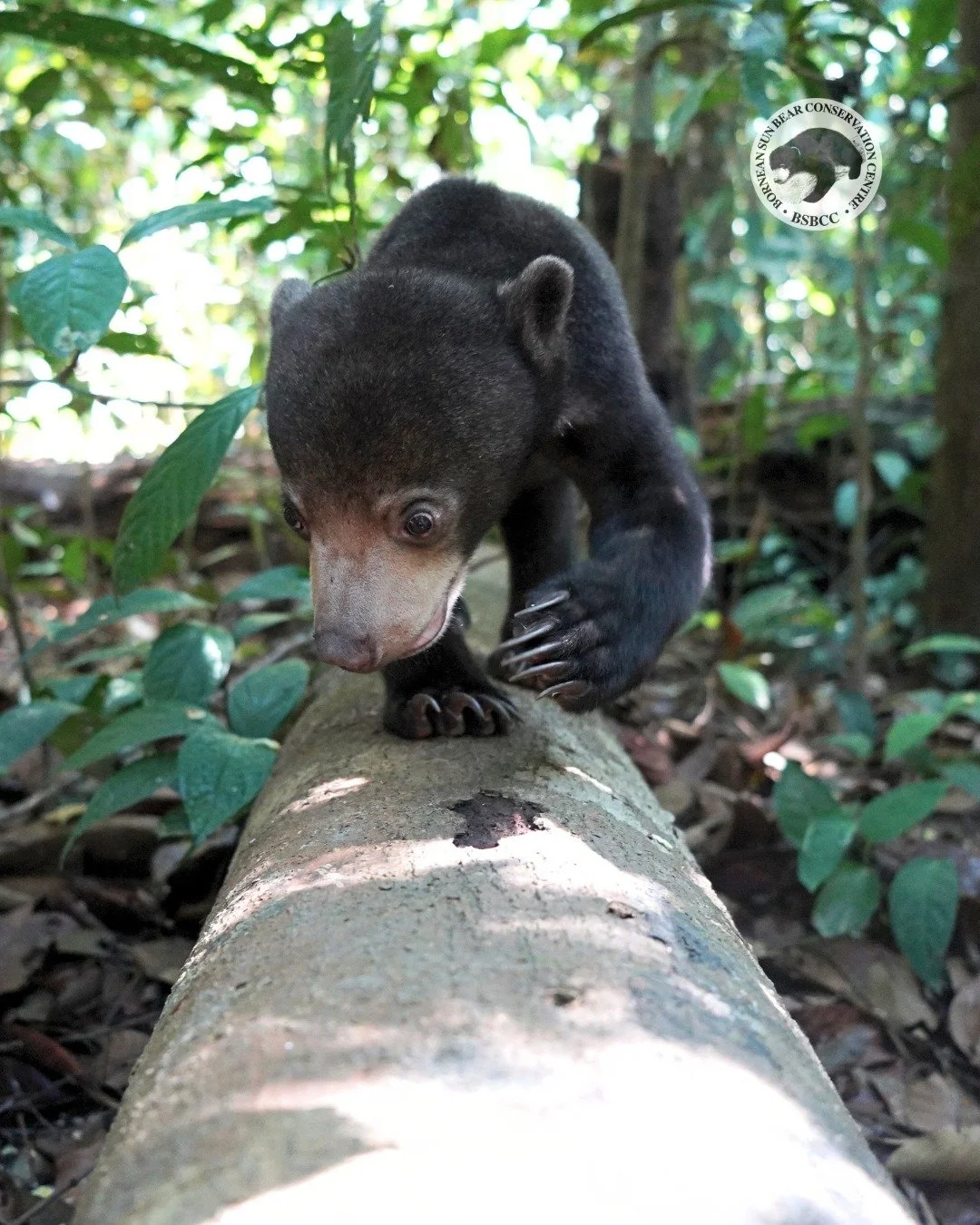
The ground untouched beneath her — Little Manja carefully crossing from log to log on her way back through the forest
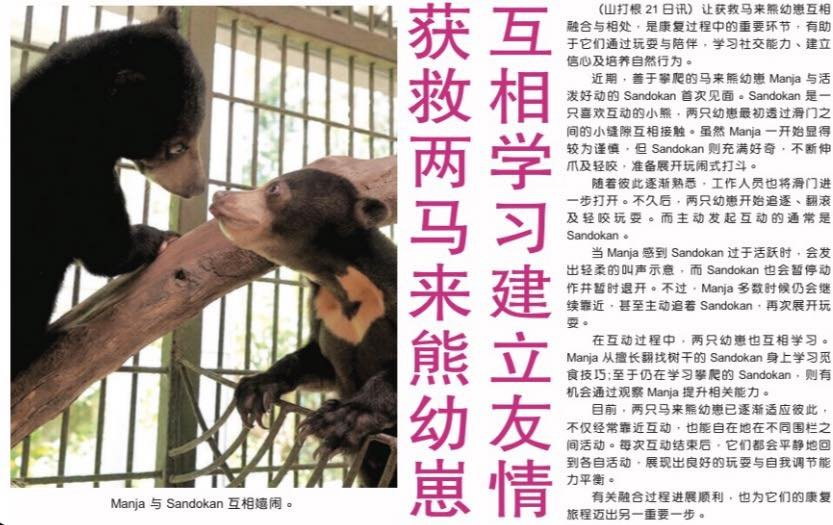
[NEWS] MERDEKA DAILY NEWS - 两只获救马来熊幼崽成「好友」
PUBLISHED BY: MERDEKA DAILY NEWS
PUBLISHED ON: FRIDAY, 22 MAY 2026
My Experience and Opinion Throughout My Industrial Training at Bornean Sun Bear Conservation Centre (BSBCC)
Industrial training is an important experience for every student in preparing themselves before entering the real working environment. I, Calvin Dexter Hasnie, a Diploma in Tourism Management student from Politeknik Tawau Sabah, had the opportunity to undergo my industrial training at Bornean Sun Bear Conservation Centre (BSBCC), Sepilok, Sandakan for several months. This experience gave me the opportunity not only to learn about the tourism industry, but also to understand the importance of wildlife conservation, especially for sun bears.
BSBCC is a conservation centre that focuses on the rescue, rehabilitation, education, and conservation of sun bears in Borneo. As an industrial trainee, I had the chance to witness the efforts made to protect this species from extinction. Throughout my internship, I realized that every rescued sun bear carries a painful story from its past life. Some were rescued from illegal wildlife trade, while others lost their natural habitat due to deforestation and human activities.
Starting My Journey at BSBCC
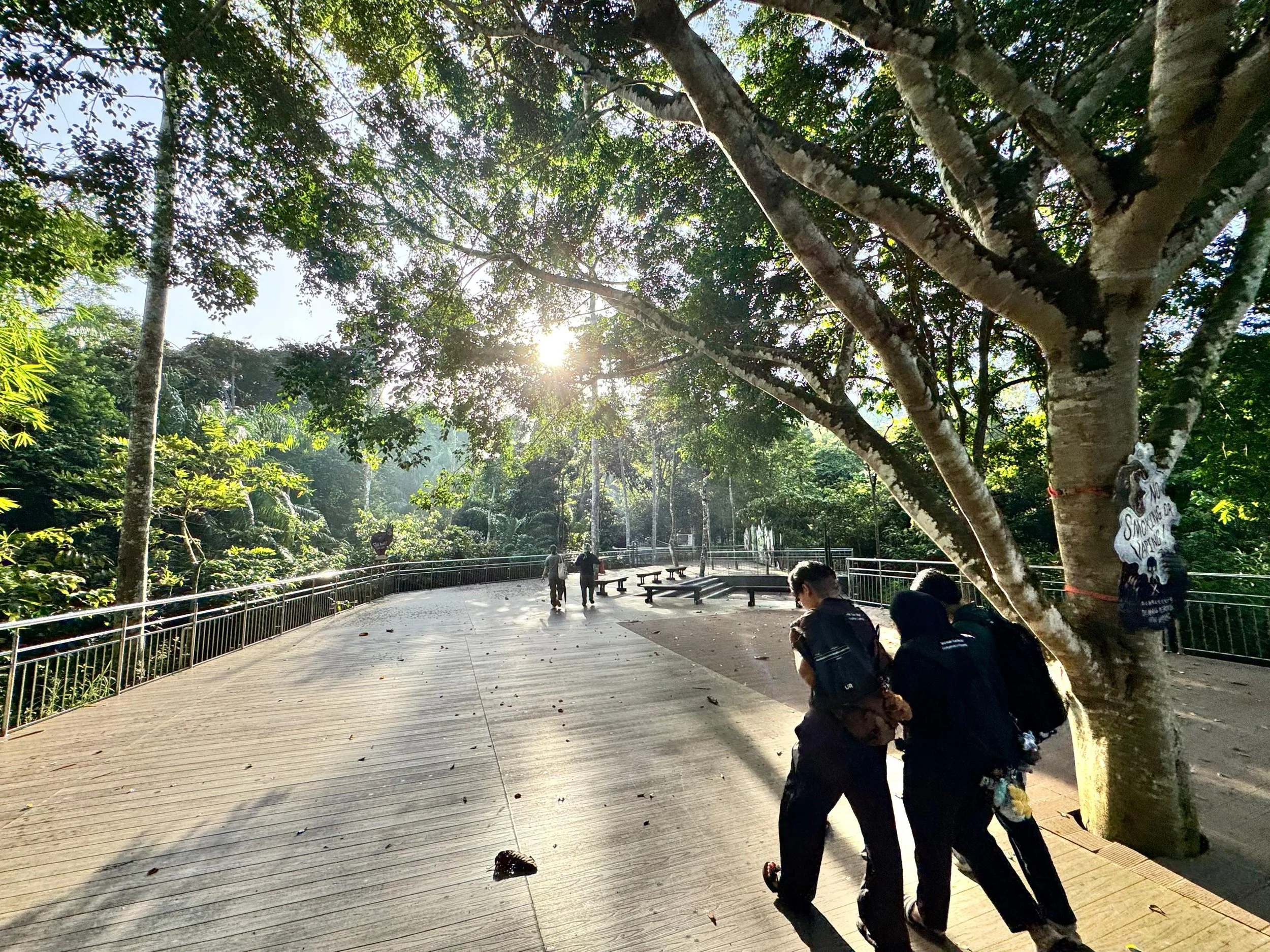
My first day at BSBCC was a truly meaningful experience. The peaceful forest environment in Sepilok and the beauty of nature created a completely different atmosphere compared to campus life. I was excited and nervous at the same time because it was my first opportunity to see sun bears up close.
During my time at BSBCC, I was exposed to various daily tasks such as assisting at the gallery area, observation platform, outreach programs, and conservation education activities for visitors. I also had the opportunity to work together with staff from different units who were highly committed to ensuring the welfare and safety of the sun bears.
As the days went by, I slowly understood that conservation work is not always easy. Behind every rescued bear, there is sadness, suffering, and trauma caused by humans. Seeing these animals trying to survive and slowly recover made me feel emotional and more appreciative of wildlife conservation efforts.
Experience with the Sun Bears
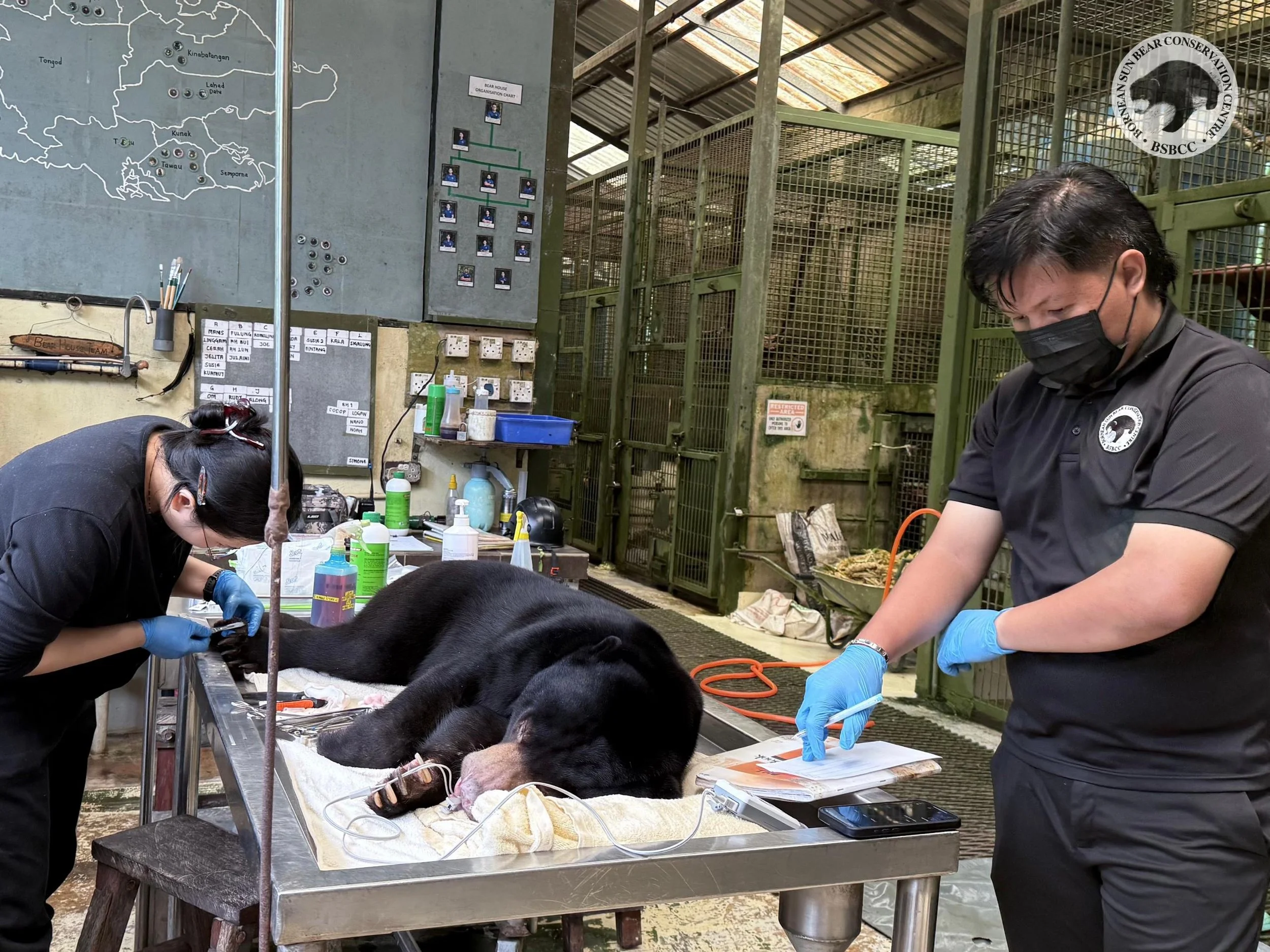
One of the most meaningful experiences during my industrial training was being involved in the care and treatment process of a sun bear at the conservation centre. Through this experience, I learned that every sun bear has a different background, personality, and health condition.
I had the chance to observe how the BSBCC staff monitored the condition of the sun bears, prepared enrichment activities, and ensured that the animals remained healthy and comfortable. I also learned how important enrichment is in helping the bears maintain their natural behaviors and reduce stress while living under rehabilitation care.
There were moments when I felt sad seeing some bears that were still afraid of humans due to their traumatic past experiences. It made me realize how cruel illegal wildlife activities can be and how difficult it is for these animals to trust again. This experience truly opened my eyes to the importance of wildlife conservation and the challenges faced by conservation centres in protecting endangered species.
Outreach Programs and Conservation Education
Besides being involved in the care of sun bears, I also actively participated in outreach and conservation education programs organized by BSBCC. Educational exhibitions and awareness programs gave me the opportunity to interact with the public and share information about the importance of protecting sun bears and their habitats.
Through these programs, I learned how to communicate with visitors from different backgrounds. I also assisted in explaining the lives of sun bears, the threats they face, and the conservation efforts carried out by BSBCC.
One of the most memorable moments for me was during educational exhibitions at schools and public events. Seeing children and visitors becoming interested in wildlife conservation after listening to our explanations made me feel proud and happy. At the same time, it made me realize that awareness is the first step toward protecting nature.
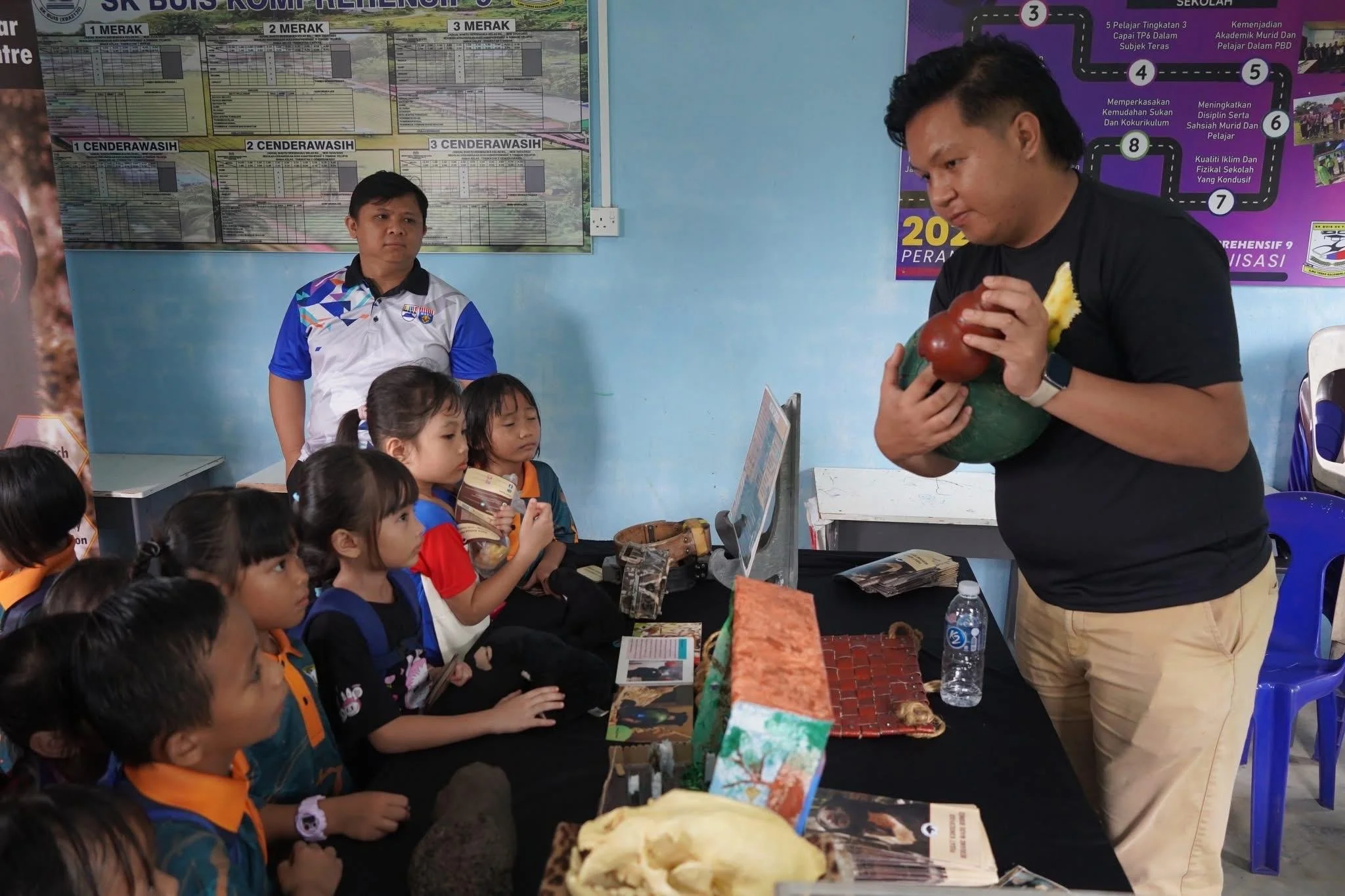
Exhibition at a SK Buis , Telupid.
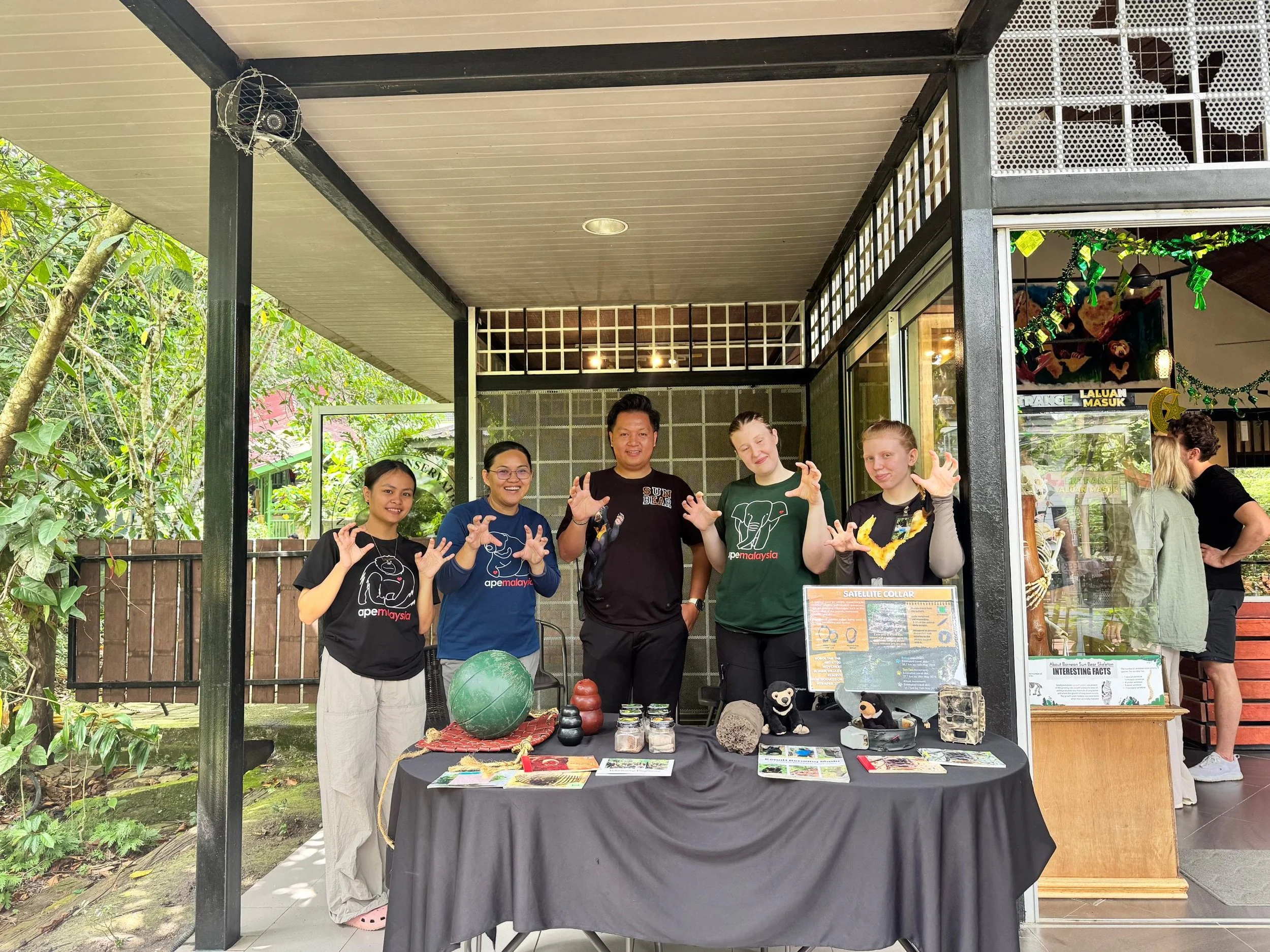
Open exhibiton outside galery.
Overall Opinion and Conclusion
Overall, my industrial training experience at the Bornean Sun Bear Conservation Centre (BSBCC) was one of the most valuable and unforgettable experiences in my life. I not only gained working experience in tourism and conservation, but I also learned the true meaning of responsibility, compassion, and respect toward wildlife and nature.
This experience taught me that environmental conservation is not only the responsibility of certain organizations, but it requires awareness and cooperation from everyone. I hope that more people will continue supporting conservation efforts so that sun bears and their habitats can be protected for future generations.
Some experiences may end, but the memories, lessons, and emotions I gained at BSBCC will always remain in my heart.
“Conservation begins with awareness.”
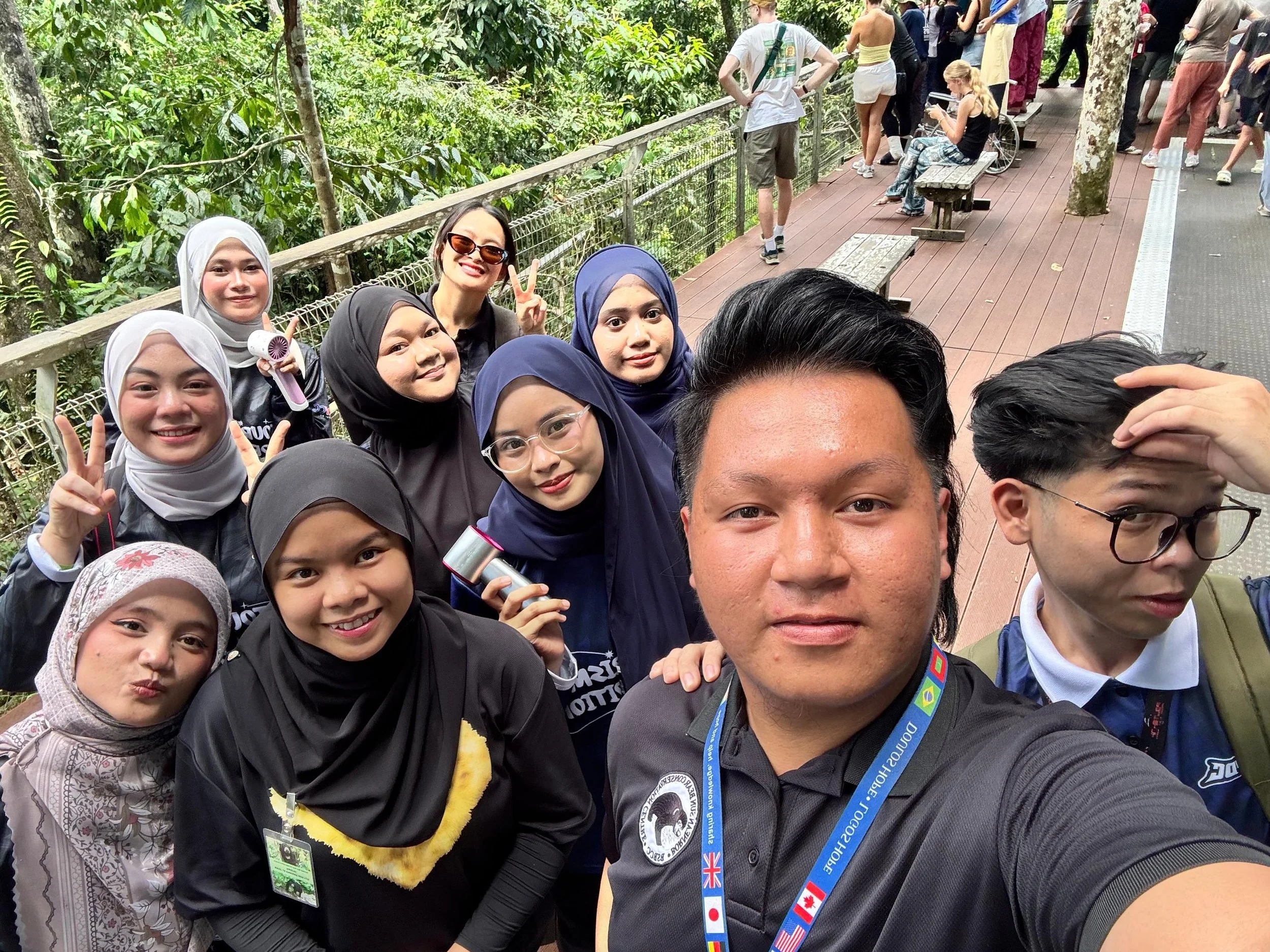
A JOURNEY I’LL NEVER FORGET
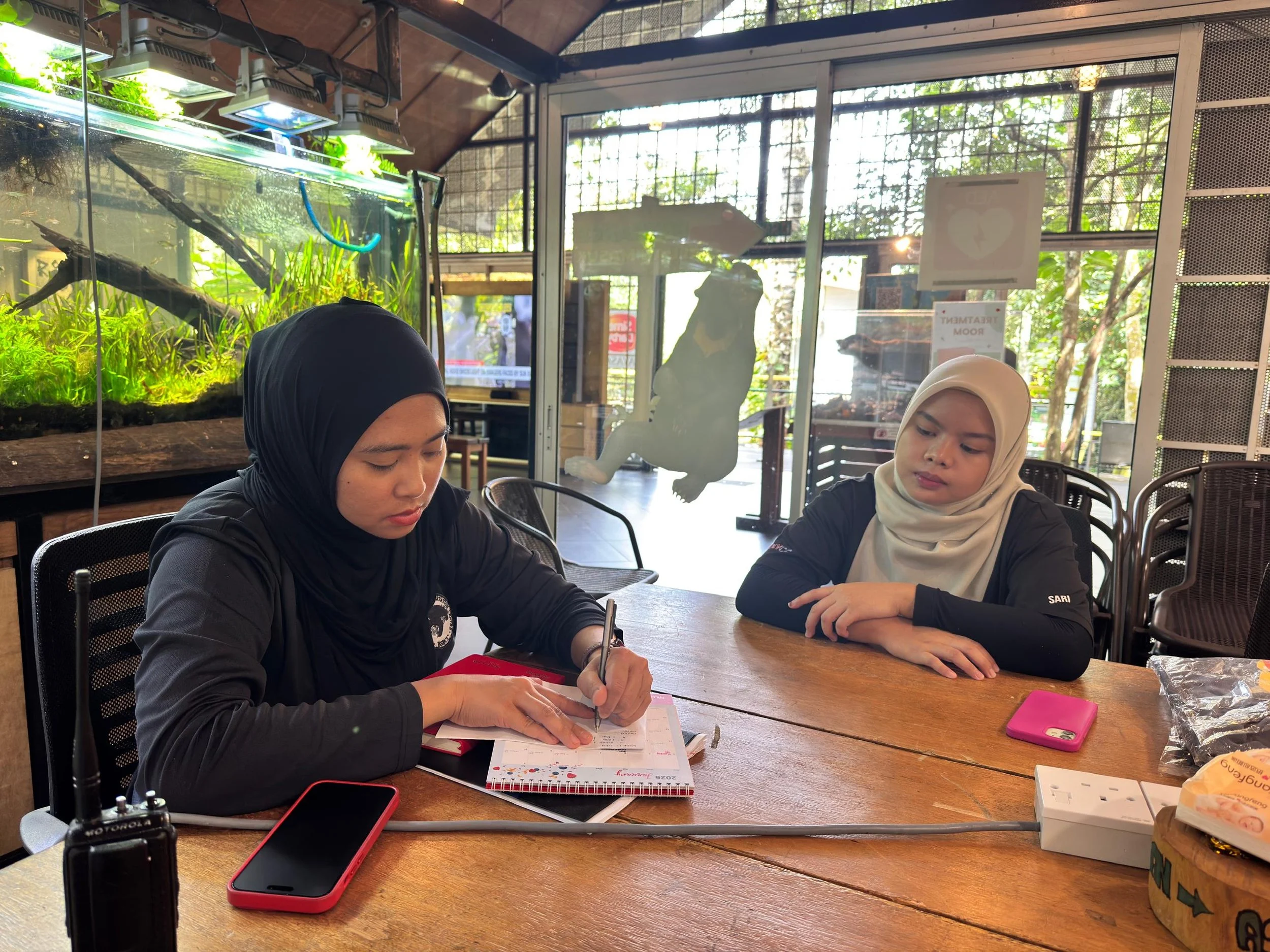
Hi everyone, my name is Sariana, a Tourism Management student from Politeknik Tawau Sabah, and this is my internship journey at Bornean Sun Bear Conservation Centre, or better known as BSBCC. Before I begin sharing my internship journey, I would like to express my sincere gratitude to my supervisor, Madam Risnayati, for helping and guiding me throughout my internship. Thank you for trusting me and giving me the opportunity to do my internship here, even though at the beginning my confidence in interacting with international visitors was very weak. Your support and encouragement truly helped me grow and become more confident throughout this journey. Thank you so much (sending hugs).
I am also grateful to all the staff at BSBCC, the CEO and Founder of BSBCC, Dr. Wong Siew Te, as well as my fellow interns for all of their help, kindness, and support throughout my internship journey.
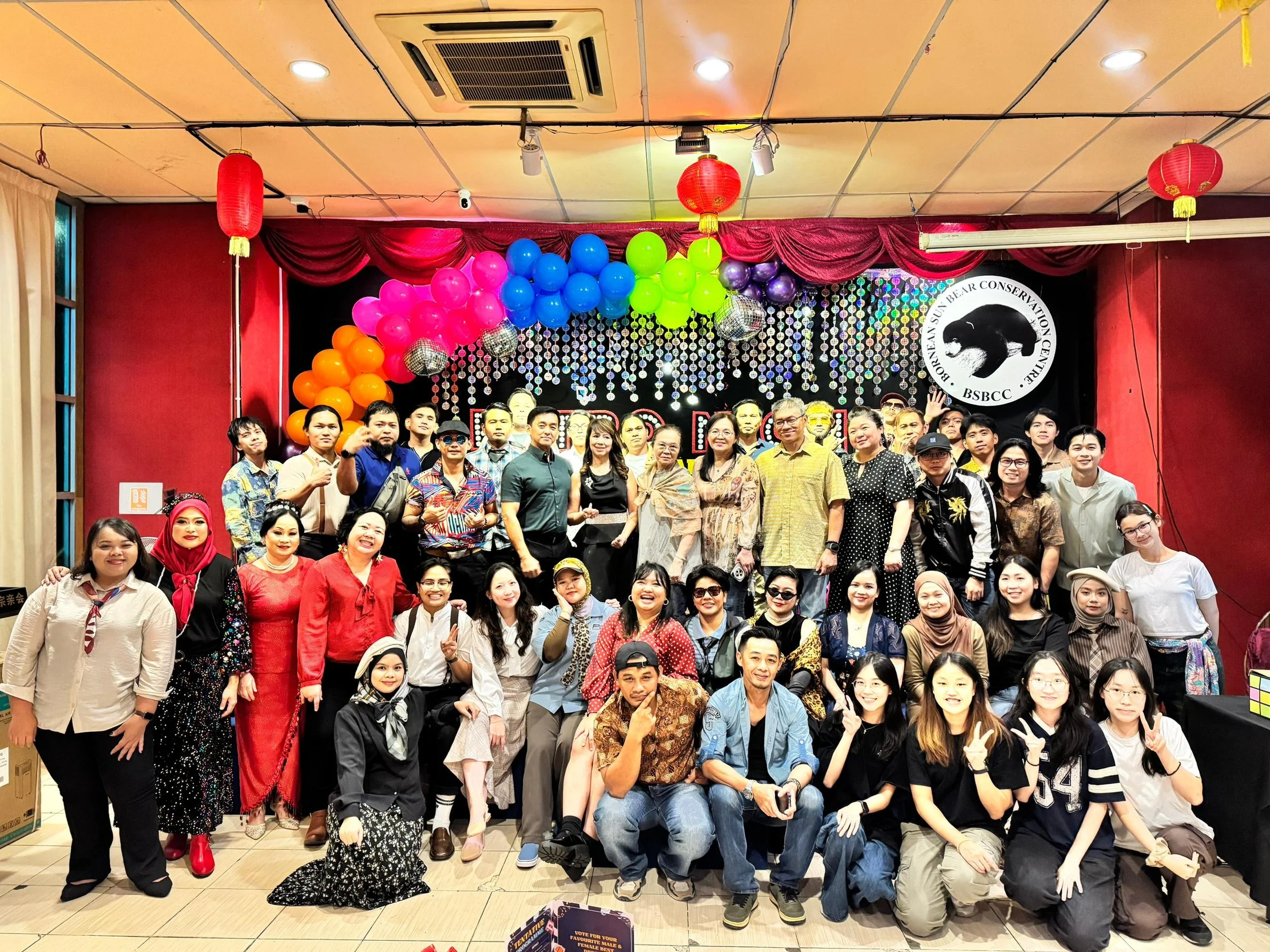
Annual Dinner with a Retro Night theme. (photo group with all staff BSBCC)
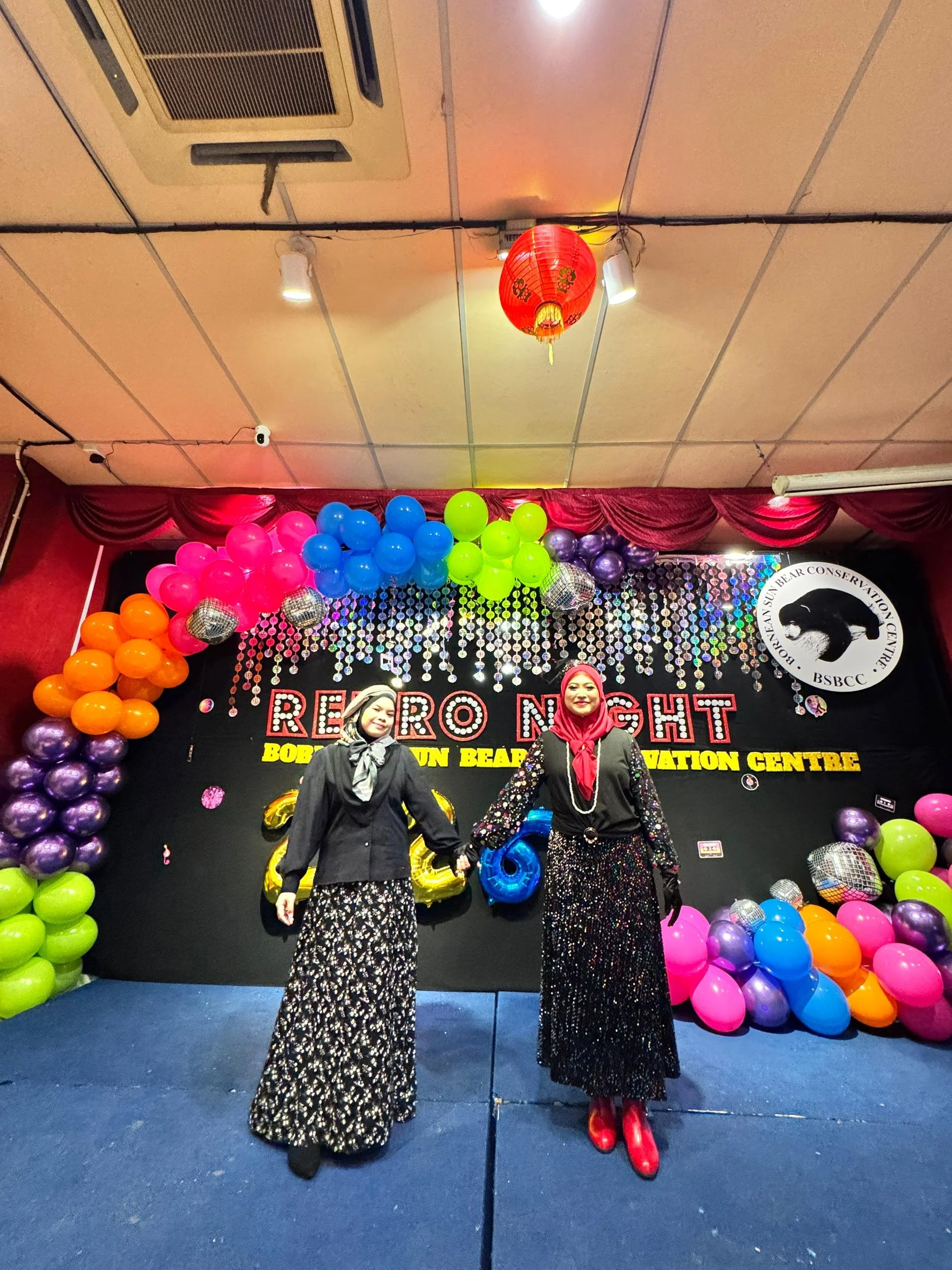
With my lovely supervisor Madam Risnayati.
One of my main responsibilities was working at the observation platforms, where I guided both local and international visitors. I shared information about sun bears, including their behaviour, habitat, and conservation status, while also helping visitors use the spotting scope to observe sun bears and other wildlife more clearly. Every day gave me opportunities to communicate with different people and improve my confidence in speaking and interacting with visitors.
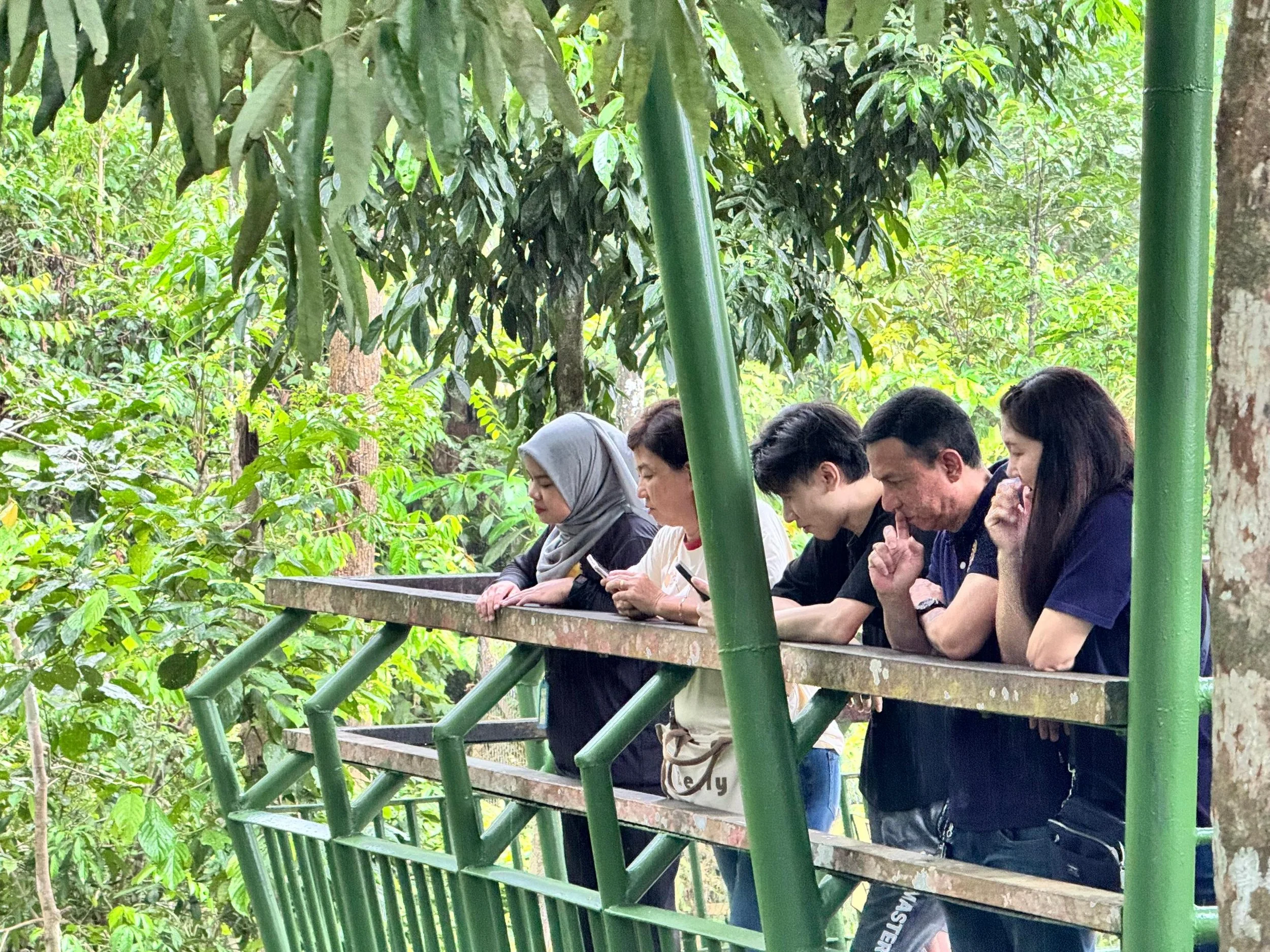
Informing visitors that there are sun bears named Romolina and Joe in Forest Enclosure C.
Besides working with visitors, I was also given the opportunity to experience tasks related to bear care and conservation at the Bear Care Unit. I helped prepare food, assisted during feeding sessions, cleaned enclosures, checked sun bear health conditions, and prepared enrichment activities for the sun bears. Although I only spent two weeks at the Bear House, those two weeks became one of the most meaningful experiences during my internship. I would also like to thank my buddy, Kelson, for helping and guiding me throughout my time there. His support made it easier for me to adapt and learn many new things about bear care and conservation work.
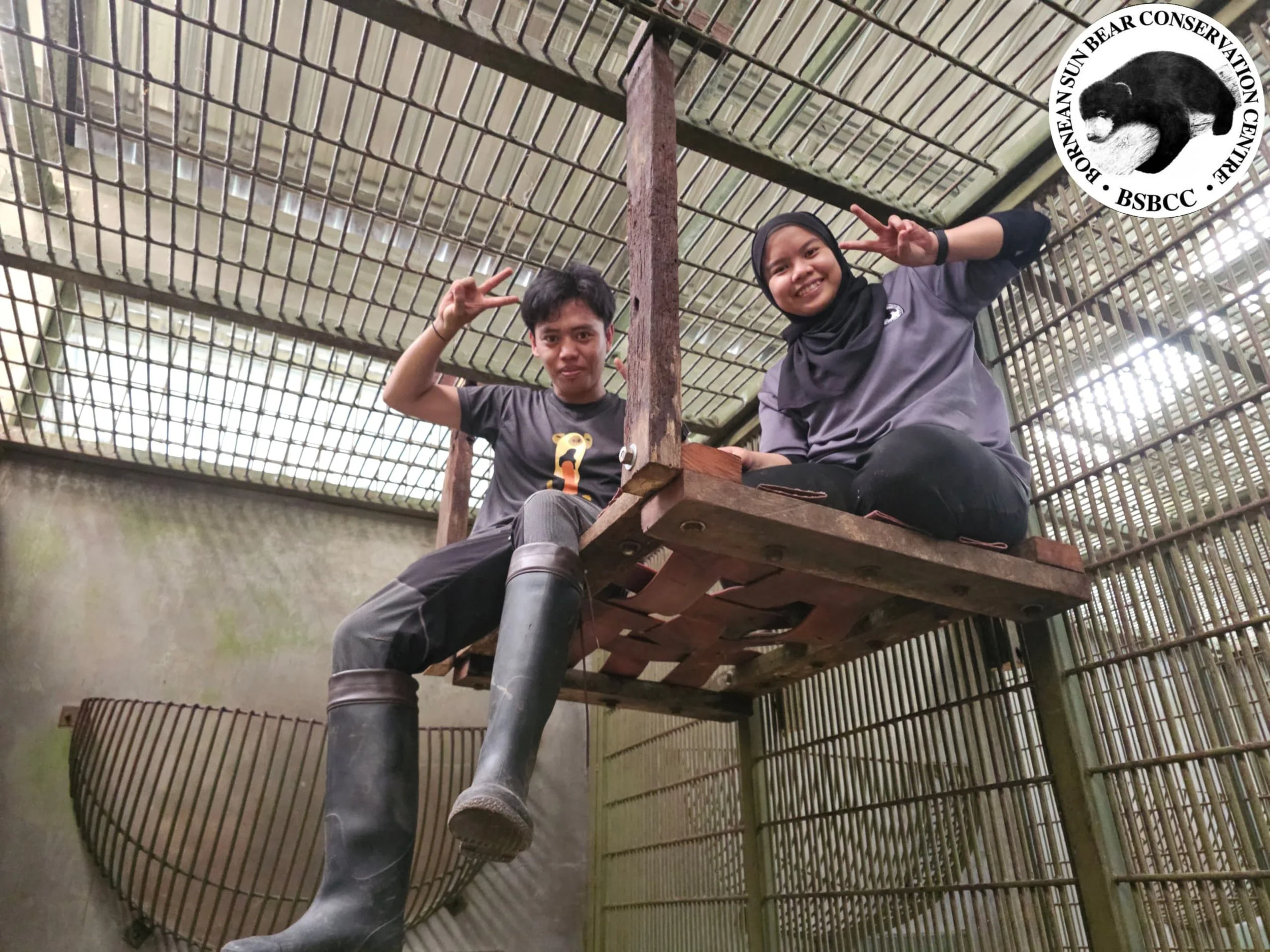
Building a mini platform for sun bear named Along.
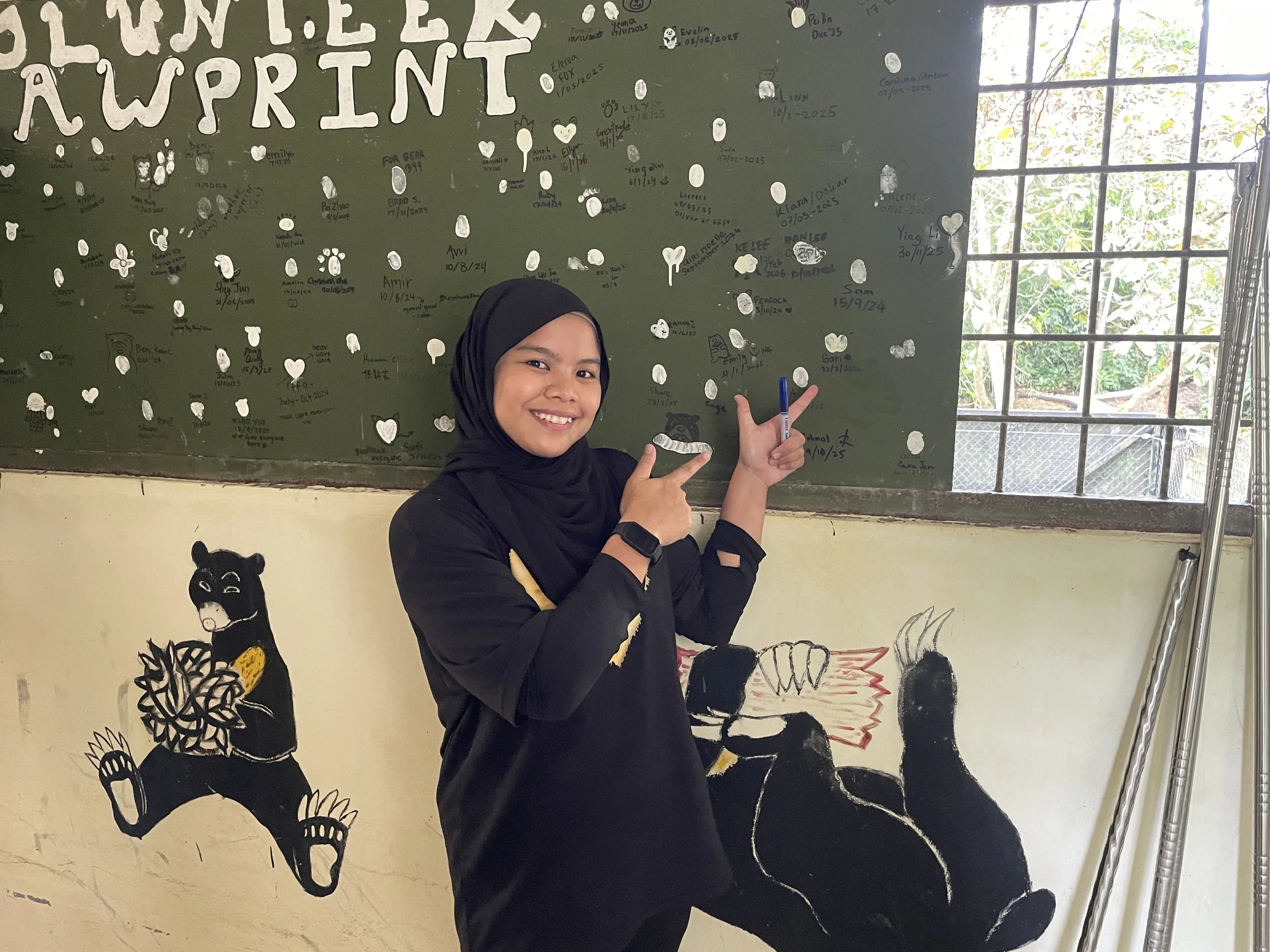
Volunteering Pawprint.
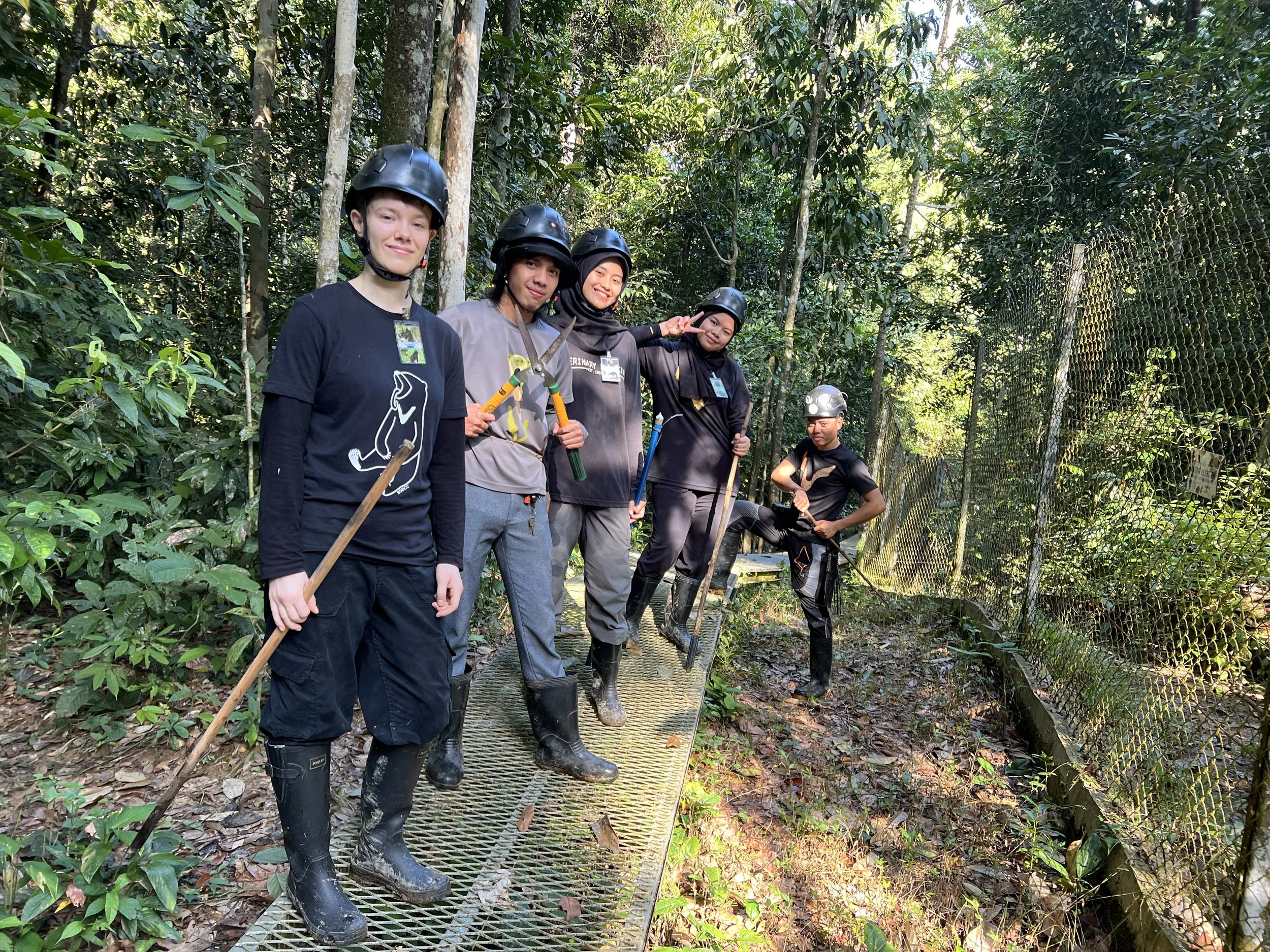
Fence check the forest enclosure.
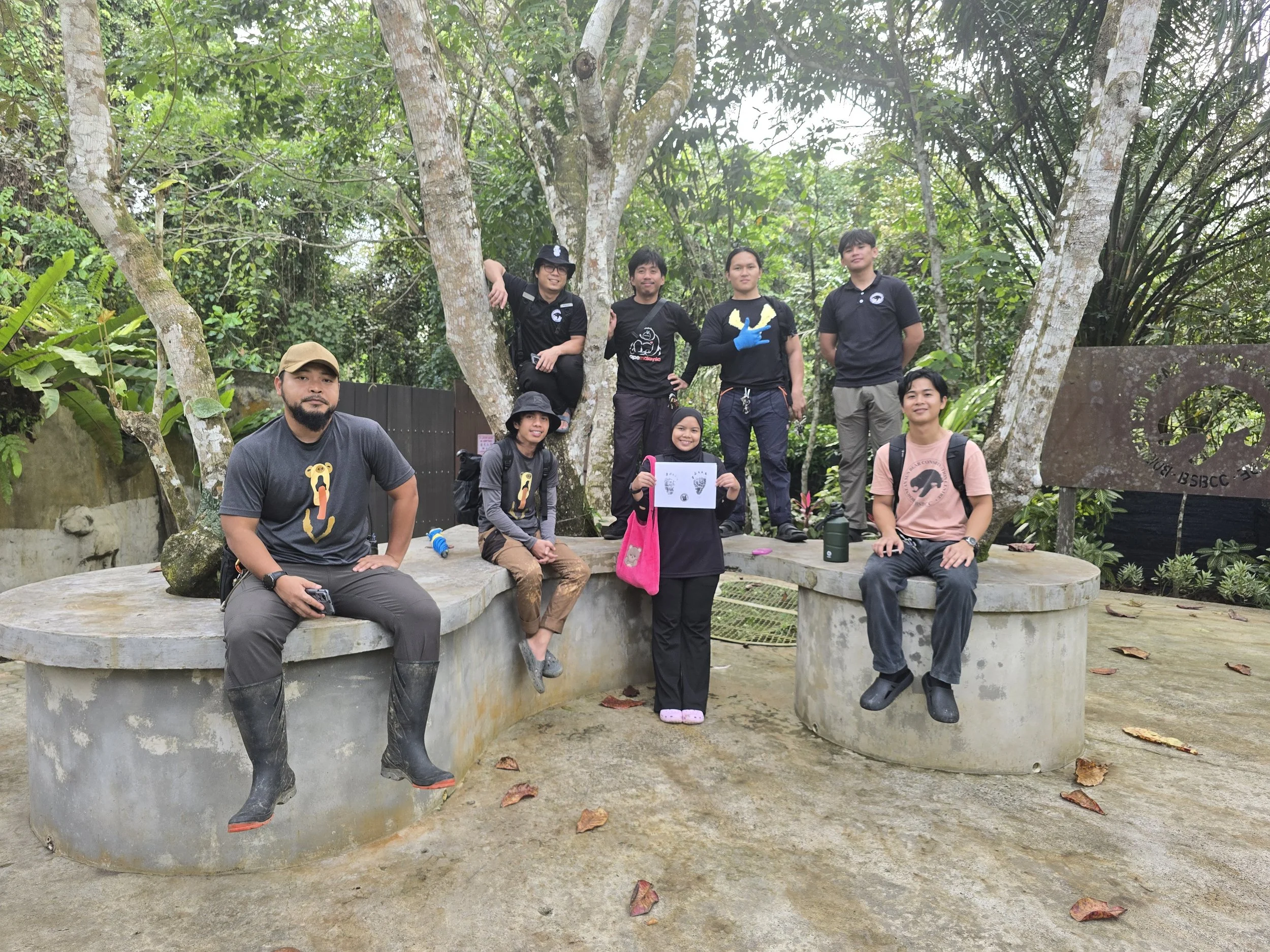
Last day with staff Bear Care Unit.
During my internship at BSBCC, I not only gained experience and knowledge, but I also met many kind and supportive people who helped me adapt to the working environment here. The staff at BSBCC, especially Environmental Education and Shop staff, played a big role in making me feel comfortable while learning and working throughout this journey. Besides my supervisor, Nurul and Joysie became my comfort zone whenever I needed opinions, guidance, or whenever there were things that I did not understand about sun bears and many other matters. Their kindness, patience, and support made me feel welcomed and slowly helped me become more confident in myself. Honestly, they were not just staff to me, but also people who made my internship journey more meaningful and unforgettable.
Looking back, this internship was more than just completing tasks. Every day at BSBCC gave me valuable lessons, unforgettable memories, and meaningful experiences that I will always remember. Most importantly, it opened my eyes to the importance of protecting wildlife and preserving nature for future generations. Thank you, Bornean Sun Bear Conservation Centre, for this meaningful journey.
[NEWS] The Star - A sun bear cub named Sandokan
Published by: The Star
Published on: 11 May 2026
By: Joseph Tek Choon Yee
Sandokan the sun bear was rescued after being discovered in Kampung Bariawa Laut, Keningau on 12th April 2026. - pic courtesy of the Bornean Sun Bear Conservation Centre
BASED on a recent The Star report, she was found where she should not have been. A young sun bear cub, clinging rather stubbornly to a coconut tree in Keningau, Sabah – which, if you know anything about sun bears, is not quite their preferred address.
No mother in sight. No forest within reach. Just a small creature holding on, as if waiting for the next chapter to arrive.
Fortunately, in Sabah, the next chapter often arrives with people. Villagers stepped in. Authorities responded.
And in due course, the cub was transported to Sepilok in Sandakan, into the steady hands of the Bornean Sun Bear Conservation Centre – that quiet sanctuary where second chances are not advertised loudly, but practised daily.
It was rescue and conservation in action – not as a polished phrase for a brochure, but as something lived: ordinary people, field officers and dedicated conservationists working together to give one vulnerable cub the one thing every wild creature deserves, a fighting chance.
There, Dr Wong Siew Te, founder and chief executive of the centre and together with his team, gave the little orphaned cub her name: Sandokan.
Yes – that Sandokan, and not Sandakan.
At this point, one might be forgiven for raising an eyebrow.
A sun bear named after a fictional pirate created by an Italian writer who never set foot in Borneo?
It sounds suspiciously like the beginning of a joke.
But stay with it. Because sometimes, history does not merely rhyme. It smiles.
One letter, two worlds
When I was recently invited by the Sandakan Tourism Association to speak in Sandakan about Sandokan, I began with a simple question.
Did you catch it? One “A”. One “O”. Sandakan. Sandokan.
At first glance, it looks like a vowel that got lost on the way to customs.
But look a little longer, and it begins to feel less like an error and more like an invitation.
An invitation into a story that stretches across continents, languages and imagination – and now, it seems, across species.
Sandakan is real: a town with sea breeze in its lungs, history in its bones and seafood that can rearrange your priorities. Sandokan, on the other hand, is imagined: a pirate hero, the “Tiger of Malaya”, who has sailed across pages, screens and generations.
And now, thanks to a rescued cub in Sepilok, the two have shaken hands.
The legend that travelled further
Emilio Salgari, the Italian creator of Sandokan, never set foot in Borneo.
He travelled by map, by second-hand accounts and by imagination – which, in his case, proved more than sufficient.
From that distance, he wrote of tropical seas, jungle intrigue and defiant heroes.
His adventures first appeared in publication in 1883 and films were made in 1941 in Italy. Europe read and saw him. Then much of the world did.
Movies and television followed. Animation and streaming, not wishing to miss the boat, climbed aboard later.
If you doubt Sandokan’s reach, try a small experiment. Google “Sandokan” for images and videos.
You will not find silence. You will find a parade – posters, actors, heroic poses, dramatic stills. The man has had more lives than some politicians, and better wardrobe support besides.
That is not a niche curiosity. That is a franchise before we began calling everything a franchise.
And yet, somewhere in that global success story, a quiet irony crept in.
The world embraced Sandokan, but somehow failed to notice Sandakan.
What a missed opportunity – one letter away, yet a whole tourism story left waiting at the jetty.
From harbour to hero – with a little help from the Italian ear
It is widely believed that Salgari came across the name Sandakan in maps and maritime records of his time.
And then, quite naturally, it changed. Sandakan became Sandokan.
Why? Partly storytelling instinct. Partly linguistics. Partly, perhaps, what I like to call the Italian ear.
In Italian, many names end with “-o” : Emilio, Alberto, Mario, Carlo, Leonardo, Lorenzo, Antonio, Giovanni and more.
That vowel gives a word a certain fullness, a rounded finish, the kind of sound that seems to wear a cape even when standing still.
“Sandokan”, to an Italian ear, sounds like someone who will eventually draw a sword.
“Sandakan”, on the other hand, sounds like somewhere you might dock a ship and have an excellent lunch.
So, the shift may not have been deliberate scholarship. It may simply have been instinct.
A place adjusted to fit a story. A harbour recast as a hero. And just like that, a vowel quietly changed the narrative.
Globalisation in Sandokan
Long before we began discussing globalisation in conference rooms with mineral water and PowerPoint slides, it was already happening in stories.
What a story this is. Salgari, an Italian, dreaming of distant seas he never sailed, yet sending his imagination farther than many people with airfare and hotel points.
A Spanish adventurer-turned-priest, Don Carlos Cuarteron, whose remarkable life may well have stirred the former’s imagination.
A German scholar, Dr Bianca M Gerlich, later tracing intriguing threads back to North Borneo – to places such as Kota Marudu and Labuan, and to figures like Syarif Osman.
Then comes cinema, never one to miss a dramatic entrance: famous actors from India’s Kabir Bedi to Turkey’s Can Yaman, carrying Sandokan across continents with sword, stare and suitably heroic hair.
Audiences across Europe and Latin America embraced the tale, while museums and memorials in Italy and Spain helped preserve a legend rooted, however imperfectly, in North Borneo.
Yet somewhere along the way, the story drifted. The geography blurred.
The narrative packed its bags and, in some retellings, seemed almost to relocate itself away from Sabah.
Which is why the question becomes both obvious and slightly uncomfortable: if the world has already discovered Sandokan, what are Malaysia, Sabah and Sandakan doing to reclaim, interpret and anchor their own side of the story?
Even the 50th anniversary of the famous Sandokan television series (1976 to 2026) could become, if handled with imagination, a quiet marketing gift waiting for someone to unwrap.
Here is globalisation without tariffs. Storytelling without borders. Heritage with cinematic reach.
And, if we are alert enough, tourism opportunity with Sabah and Malaysia’s names written all over it.
Sandakan: Not dead, just untold
Which brings us to that rather unfortunate label so lazily pinned on Sandakan by many – “zombie town” – usually because it is seen as lagging in infrastructure, investment and visible development.
Fair enough, there are gaps, and no honest friend of Sandakan should deny them.
But one suspects even the zombies might wish to file a complaint.
The label may be catchy, but it is also careless.
It mistakes slower progress for lifelessness, and underdevelopment for absence of soul.
Sandakan may need better roads, stronger connectivity and renewed investment, yes – but dead it is not.
Sandakan was never lifeless. It was merely under-introduced – like a very good seafood dish that nobody bothered to describe properly on the menu.
This is a town also known as Elopura or “beautiful city” that was once the capital of British North Borneo.
A port that traded with Hong Kong, earning the nickname “Little Hong Kong”.
A place that rebuilt itself after war, adapted through economic cycles, and now offers something that cannot easily be manufactured: authenticity.
Sepilok’s orangutans do not clock in for performances. The Kinabatangan does not follow a script.
The Sandakan Heritage Trail does not need a narrator – though one certainly helps.
Sim Sim seafood arrives with such confidence that even the chilli seems well-adjusted.
Sandakan does not shout for attention. Sadly, perhaps. It simply gets on with being interesting.
One letter, one rather useful tourism opportunity
Now add Sandokan back into the picture.
Sandakan is real. Sandokan is global.
One letter apart. One story bridge waiting to be walked.
London has Sherlock Holmes. Paris has the Three Musketeers. Transylvania has Dracula.
And here in Sabah, Sandakan already has Sandokan.
The difference is not in having the story. It is in telling it.
Let us be clear. Nobody is suggesting Sandakan turns itself into a theme park where orangutans wear eyepatches and sun bears brandish cutlasses.
That would be... ambitious. But storytelling can be done lightly. Cleverly.
Imagine a Sandokan Corner at the waterfront – small, thoughtful, quietly intriguing.
Imagine murals across town, Penang-style, where fiction and history shake hands on a wall.
Imagine wayang pacak screenings – open-air film nights where Sandokan returns, not on a phone, but on a wall under the stars.
Imagine kopitiams playing old episodes, where nostalgia meets kopi-O and no one minds if the conversation runs longer than the plot.
Imagine storytelling walks, where guides move from trade routes to pirate lore without missing a beat.
These are not billion-ringgit ideas. They are million-smile ideas.
Verona meets Sandakan
Stretch the idea a little further. Verona – Salgari’s hometown – also has Romeo and Juliet and, by extension, a fair claim to literary romance.
Sandakan – possibly echoed in Sandokan – has something rather different: trade, survival, sea, memory, reinvention.
Why not a symbolic Twin Cities link?
Not to compete with Shakespeare, but to offer another kind of romance: maritime, tropical, quietly resilient.
And then, if one is feeling particularly imaginative, a Sandokan Cruise.
Not necessarily pirates – insurance would become difficult and the immigration paperwork unbearable – but storytelling at sea, linking Sandakan to Salgari’s Labuan, Kota Marudu, perhaps even Sarawak.
A journey through waters that once inspired a legend.
Back to the orphaned sun bear
And then, of course, we return to Sepilok. To the cub. Now named Sandokan.
There is something rather perfect about that. A fictional name, possibly inspired by Sandakan, travels across continents only to return, gently, to the forests of Sabah.
Not as a pirate. But as an orphaned sun bear.
A story that began in imagination now ends – or perhaps begins anew – in conservation.
You could not plan it. Which is precisely why it works.
Not reinvention. Better storytelling
So what does Sandakan need – and for that matter, many other places in Malaysia?
Not reinvention. Not imitation. Not a sudden urge to become something it is not.
It needs something simpler, yet harder to practise: out-of-the-box thinking followed by in-the-field action.
To connect Sandokan to Sandakan’s wildlife, food, history and people into one narrative that flows, instead of sitting in separate brochures like distant relatives at a wedding.
Because tourism is not only about places. It is about stories people remember, retell and return for.
If Sandakan must endure that tired “zombie town” label a little longer, then perhaps it should respond not with protest, but with humour.
Laugh a little. Then out-storytell it.
After all, the world has made room for pirates – remember Pirates of Caribbeans, detectives, vampires and entire cinematic universes that defy explanation.
Surely it can make room for one more story – grounded in reality, lifted by imagination, and now, improbably and beautifully, endorsed by a sun bear.
Sandokan, it seems, has quietly come home. And sometimes, all it takes is one letter to change the way a place is seen.
Joseph Tek Choon Yee has over 30 years of experience in the plantation industry, with a strong background in oil palm research and development, C-suite leadership and industry advocacy. The views expressed here are the writer’s own.
The Start of a Bear-y Special Friendship
Integration plays an important role in the rehabilitation journey of rescued cubs. Besides helping them develop social skills and confidence, these interactions allow them to seek companionship, engage in play, and build bonds. Through these experiences, they grow stronger and learn essential skills from each other, while also practicing natural behaviors that are important for their continued growth and development
Manja, a confident and active cub who enjoys climbing and exploring her surroundings, was recently introduced to Sandokan, an energetic and highly playful cub who is always eager to interact, whether with keepers or fellow cubs.
The introduction session began through a small opening in the sliding door, allowing both cubs to safely observe each other from a distance. Initial cautious behavior was shown, particularly by Manja, while Sandokan appeared highly curious and repeatedly attempted to initiate interaction by pawing towards Manja and opening her mouth in preparation for playfighting.
As both cubs became more comfortable, the sliding door was slowly opened wider so they could interact more closely. Soon after, they started playing together with chasing, wrestling, and gentle biting, with Sandokan often initiating the play
At times, Manja appeared slightly overwhelmed by Sandokan’s endless energy and would respond with soft, cute vocalisations whenever Sandokan became too persistent. Interestingly, Sandokan responded appropriately by stopping and briefly running away, showing positive behavioral responses and awareness of boundaries during play. However, the playful interaction rarely stayed paused for long, as Manja would often remain close to Sandokan and even chase after her once she moved away — only for the playfighting to begin all over again
It is also observed that positive learning behaviors have started to emerge between the two cubs. Manja has been observed learning how to dig through dead logs from Sandokan, who appears especially skilled and highly engaged in this type of enrichment activity. Meanwhile, Sandokan is still developing her climbing abilities, an area where Manja appears much more confident and experienced. Through continued interaction and observation, it is hoped that Sandokan will gradually begin mimicking these climbing behaviours from her friend as well.
Over time, both cubs have shown increasing comfort and positive interactions with each other. Encouraging behaviours such as staying close together, responding to one another during play, and moving comfortably between enclosures have continued to be observed throughout the sessions. After each interaction session, both cubs were able to calmly return to their own independent activities, showing a healthy balance between social play and self-regulation. Overall, the integration process continues to show positive progress and marks another meaningful step forward in their rehabilitation journey
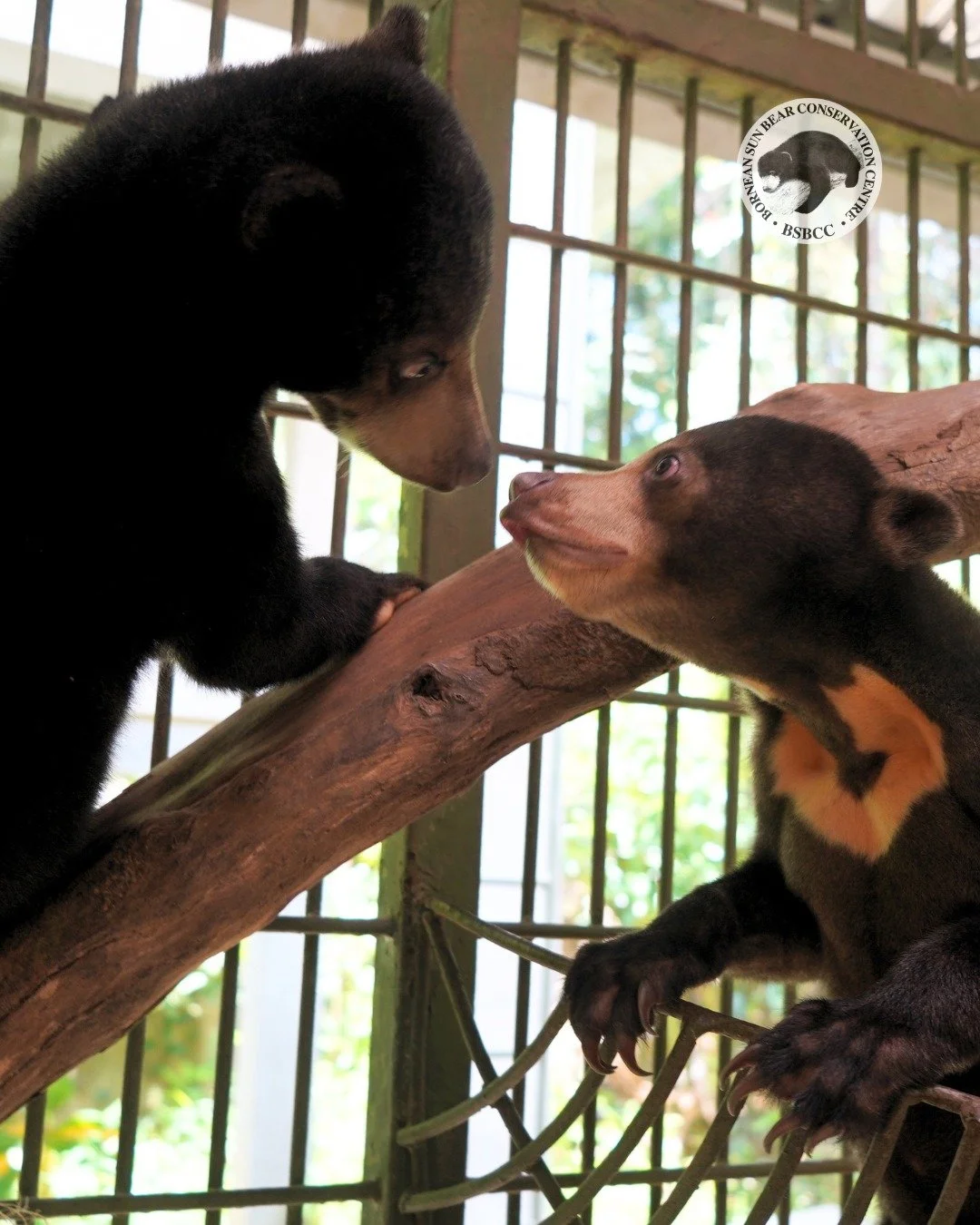
First greeting, spoken in the language of scent
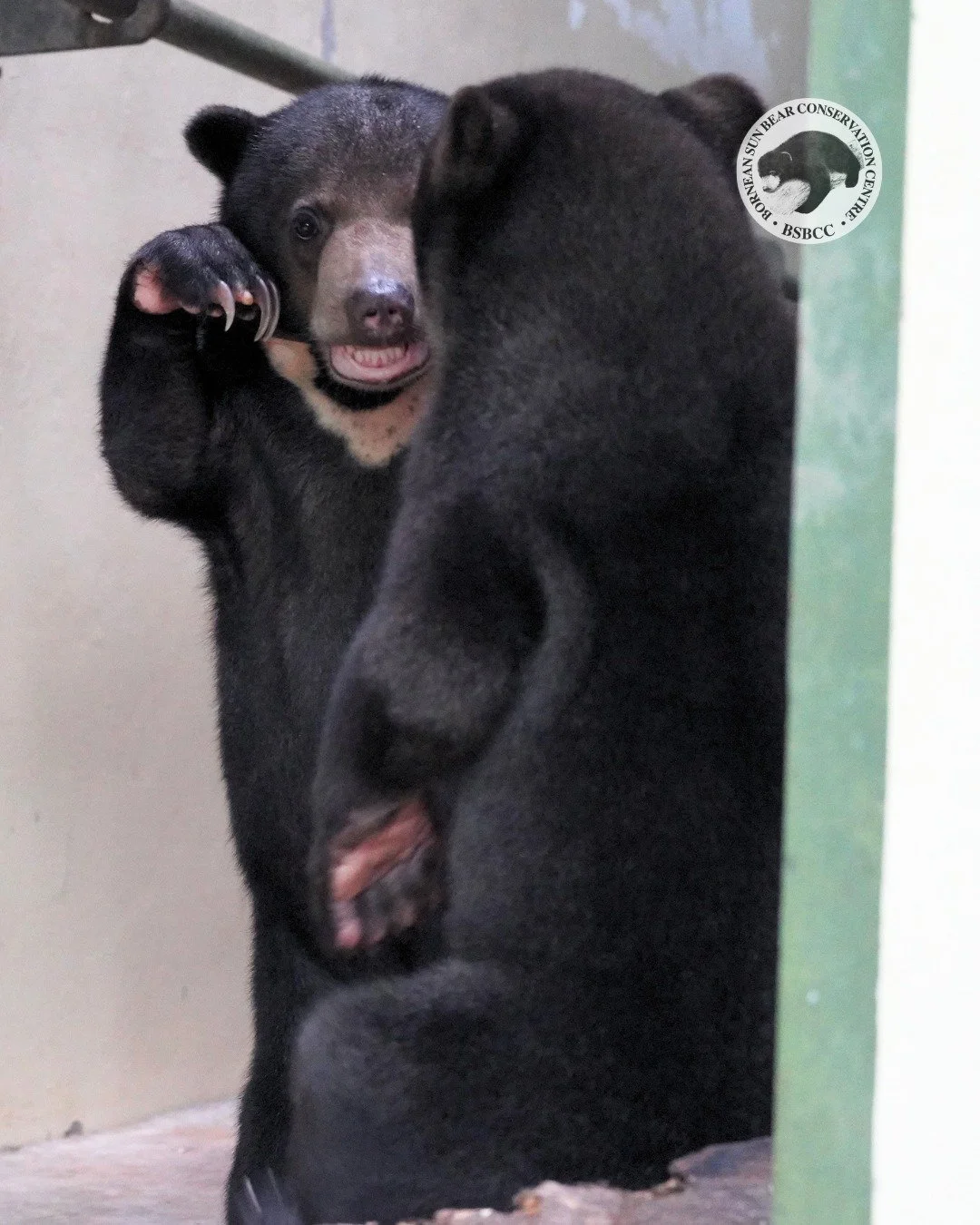
A quick camera check from Sandokan before the play begins
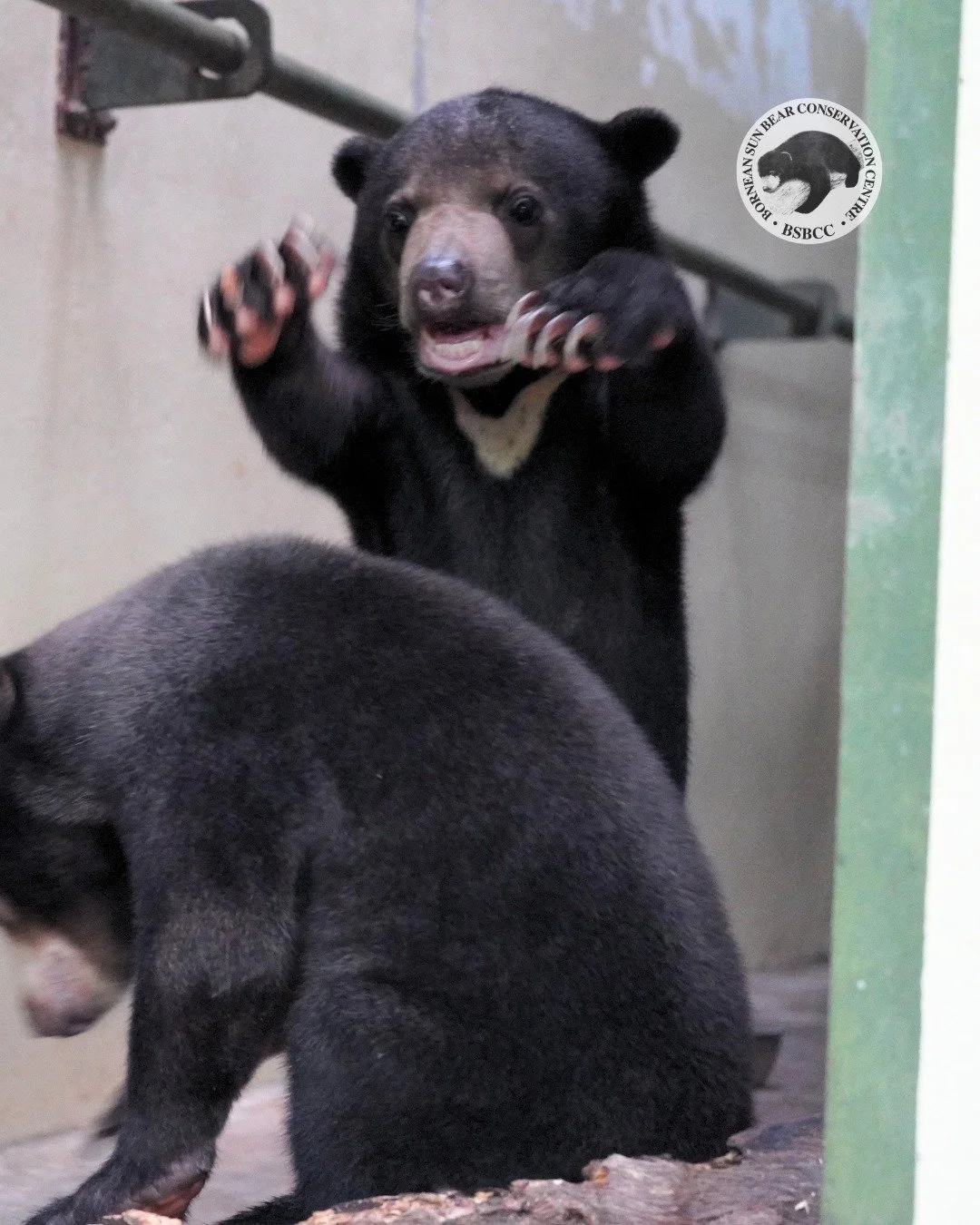
Sandokan loves pawing at Manja as her way of communicating and initiating play
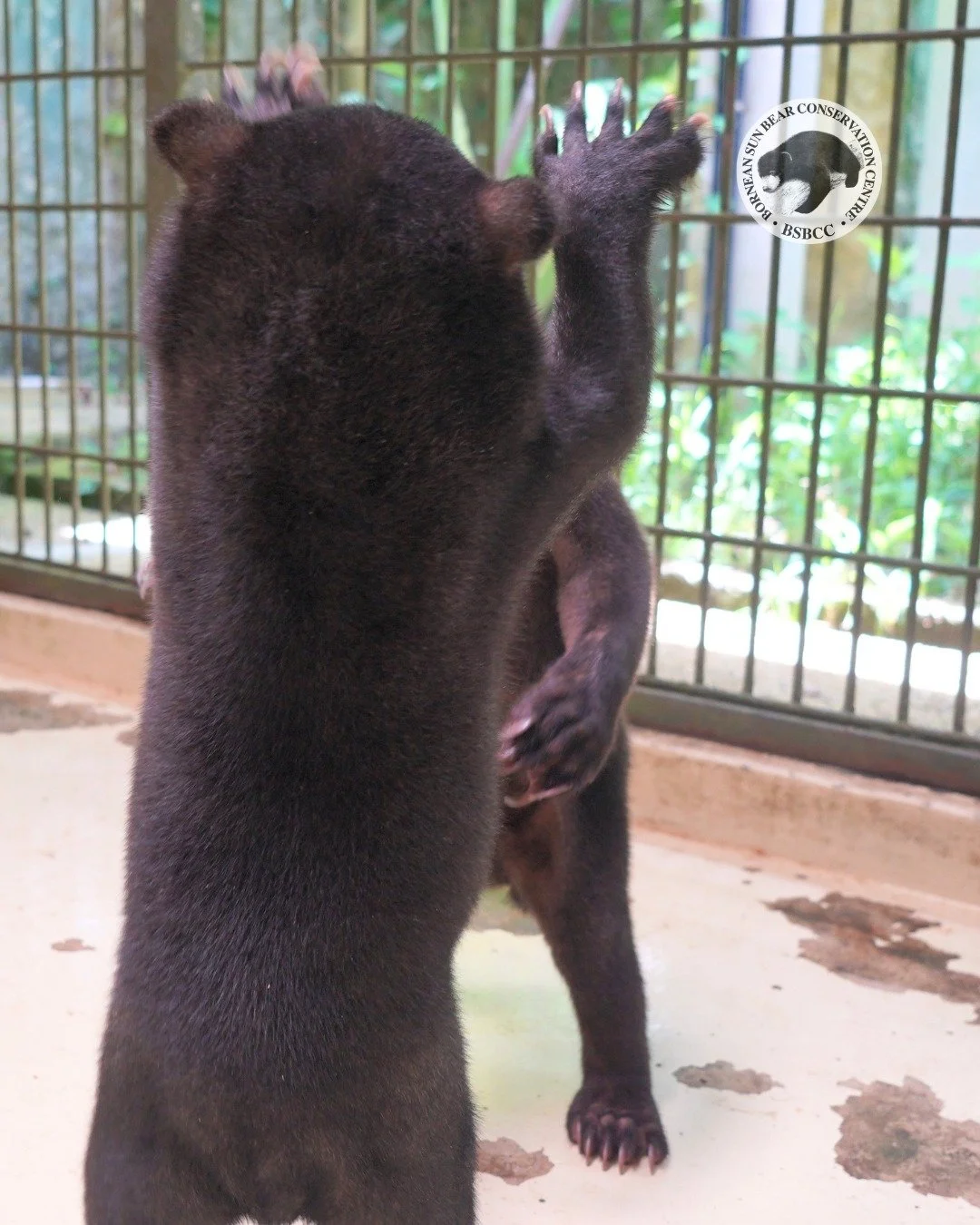
Another round of Sandokan’s curious pawing at Manja, always eager to get her attention
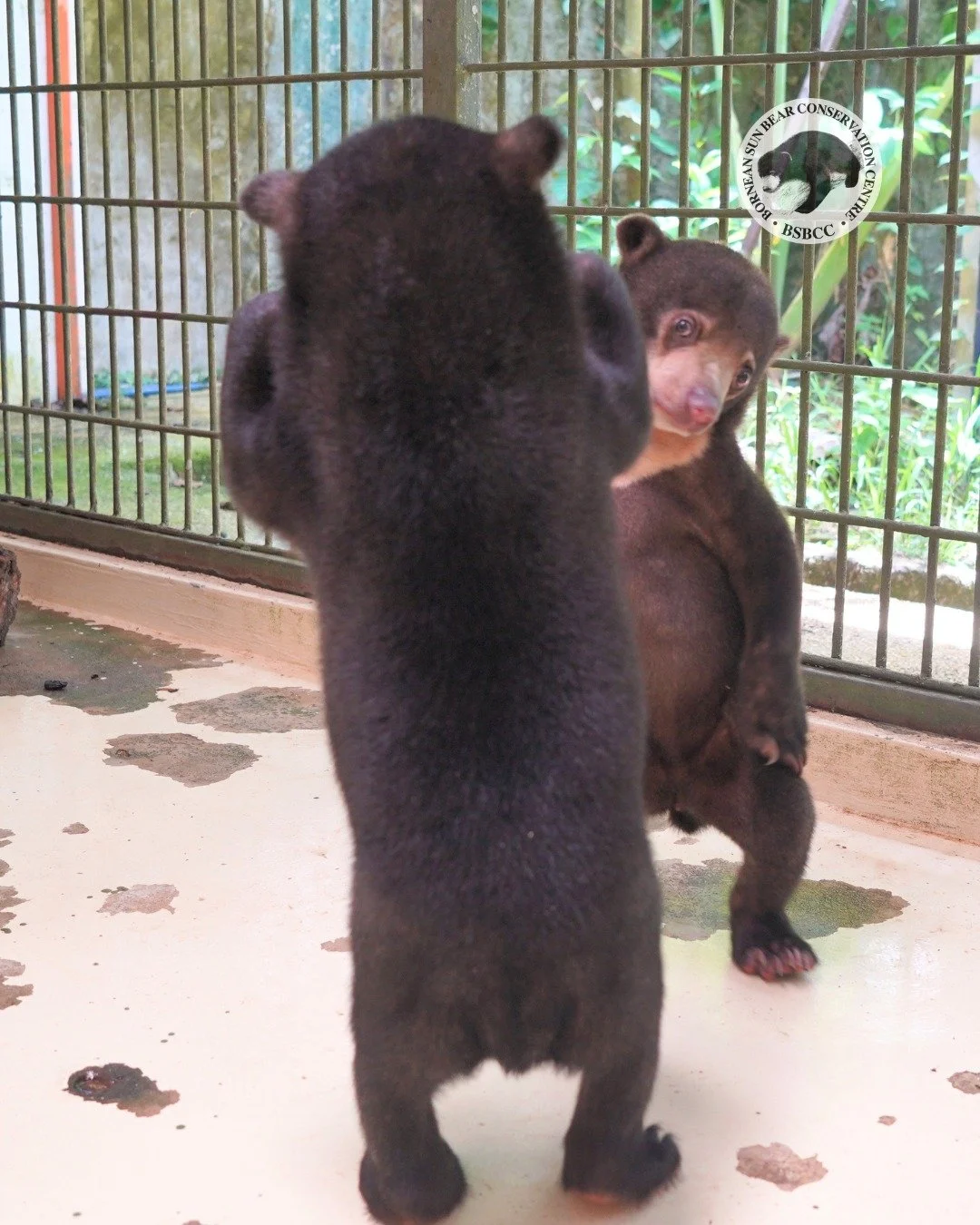
A calm, observant Manja, clearly curious about Sandokan’s actions
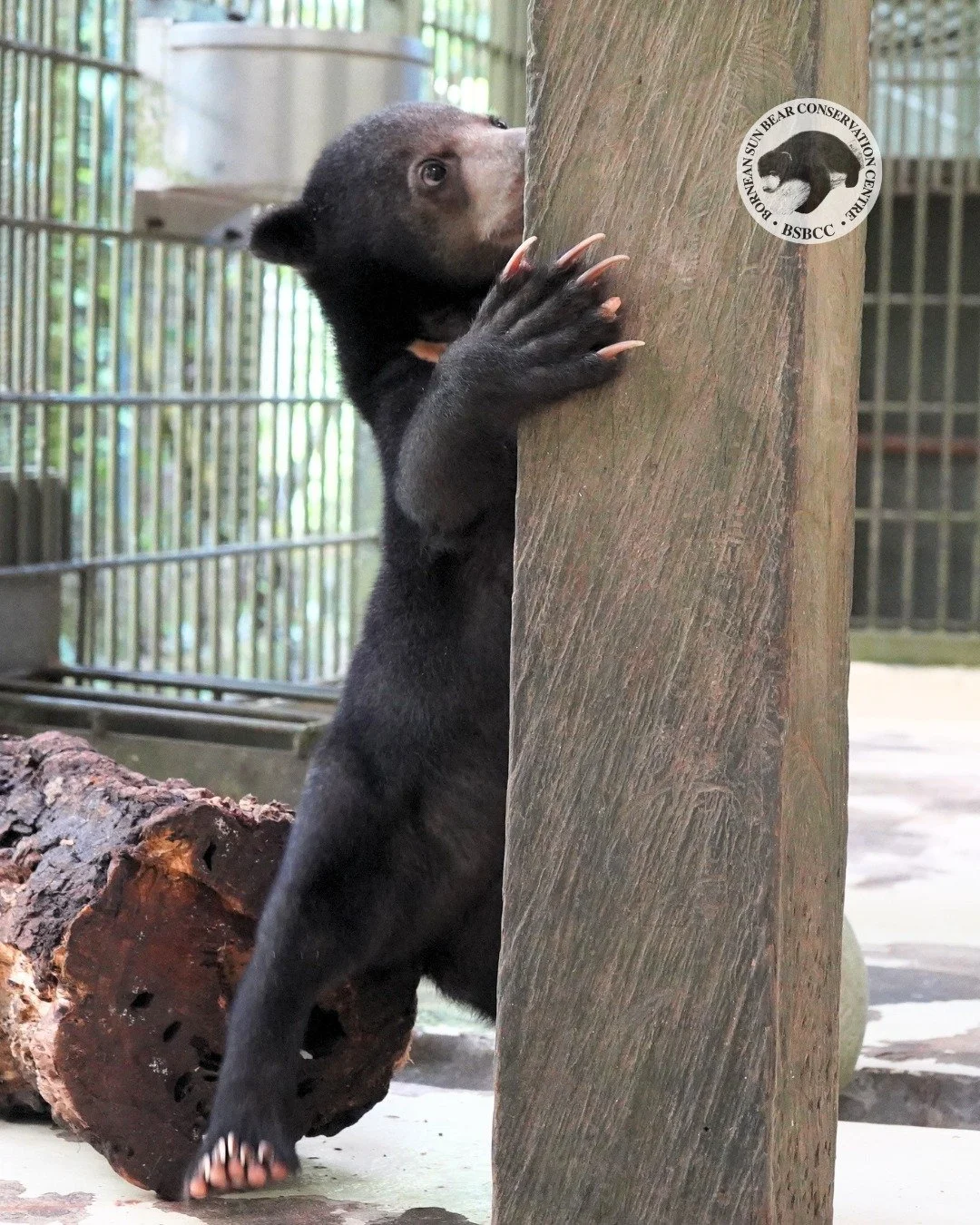
A training-like moment for Sandokan as she attempts to climb, still learning from Manja’s level of skill
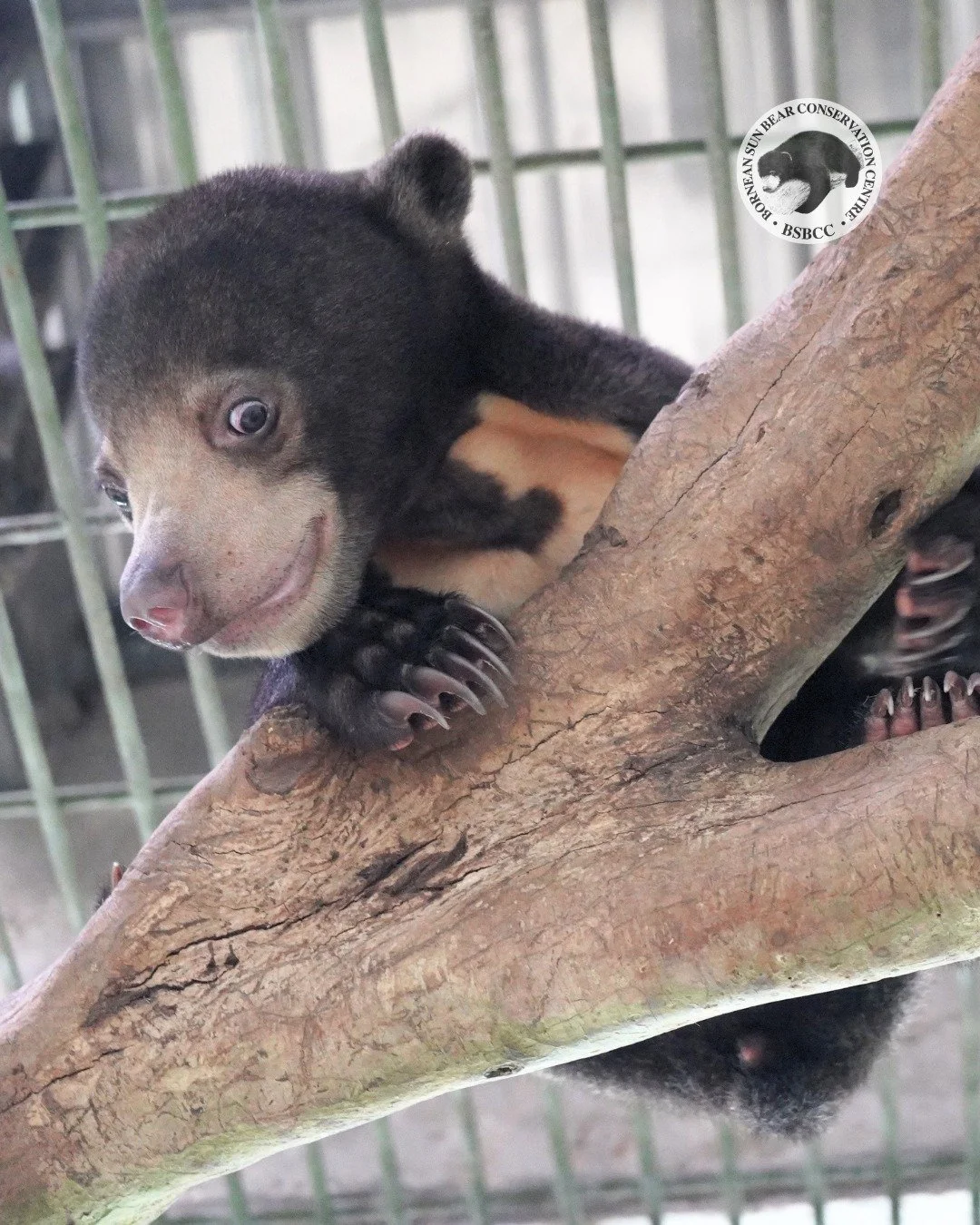
Meanwhile, Manja is sitting confidently at the top of the cage. From there, she calmly watches Sandokan below, who is still trying hard to climb up to reach her
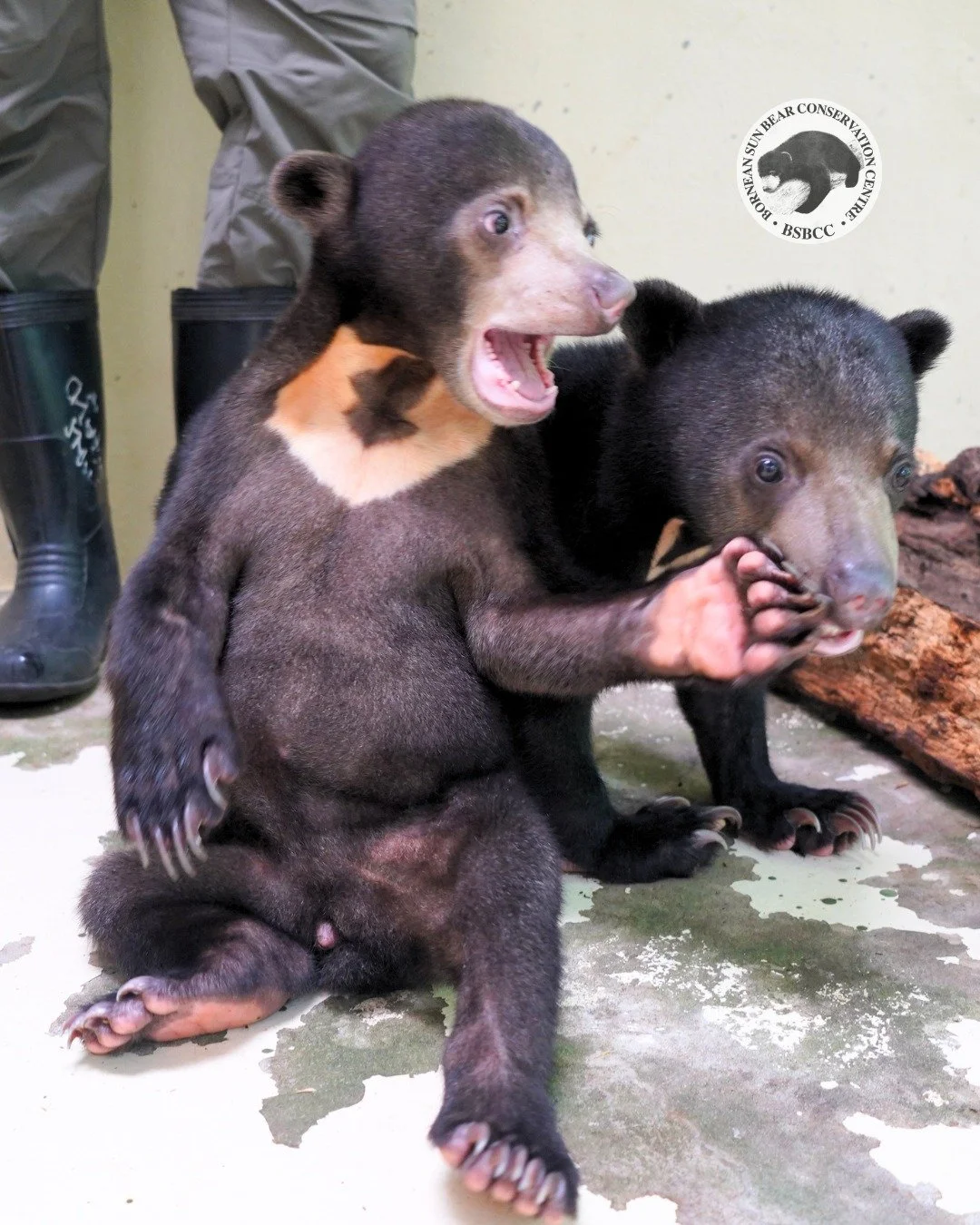
A gentle moment of closeness as Manja leans on Sandokan during their interaction, while Sandokan quietly supports the contact and stays by her side
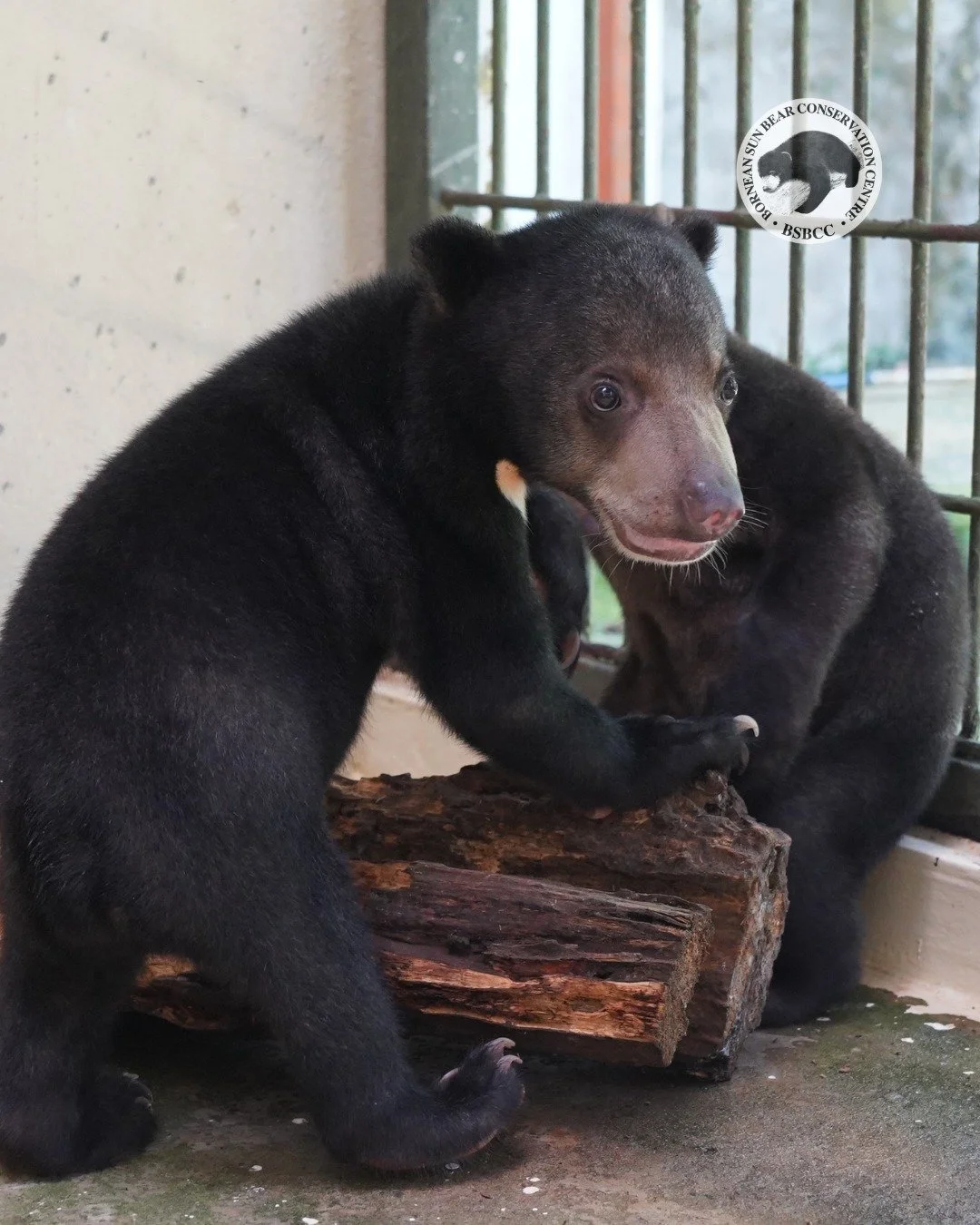
Sandokan in a brief pause before diving back into play again
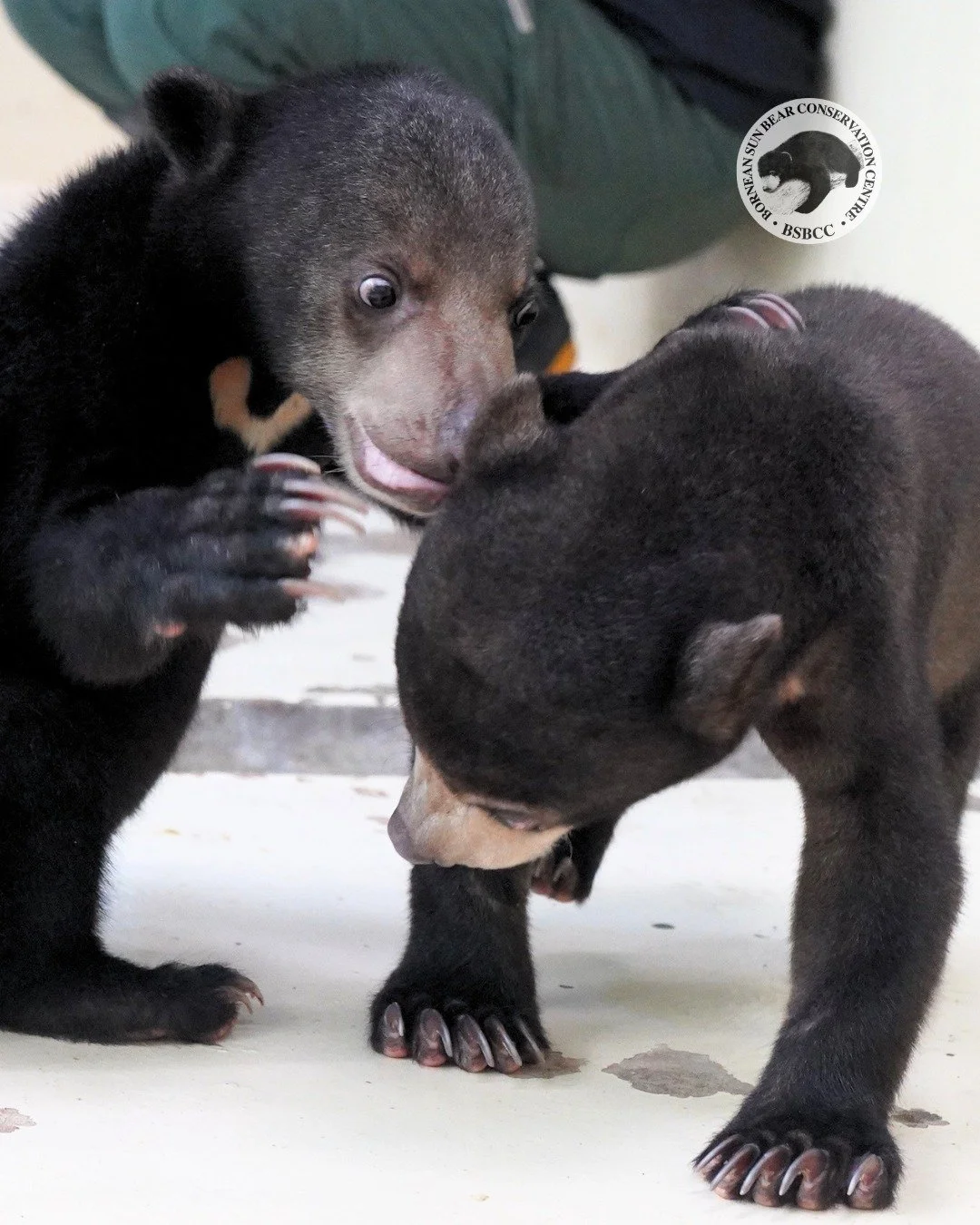
Sandokan taking in Manja’s scent with playful curiosity
while Manja gently sniffing Sandokan, calmly observing her scent
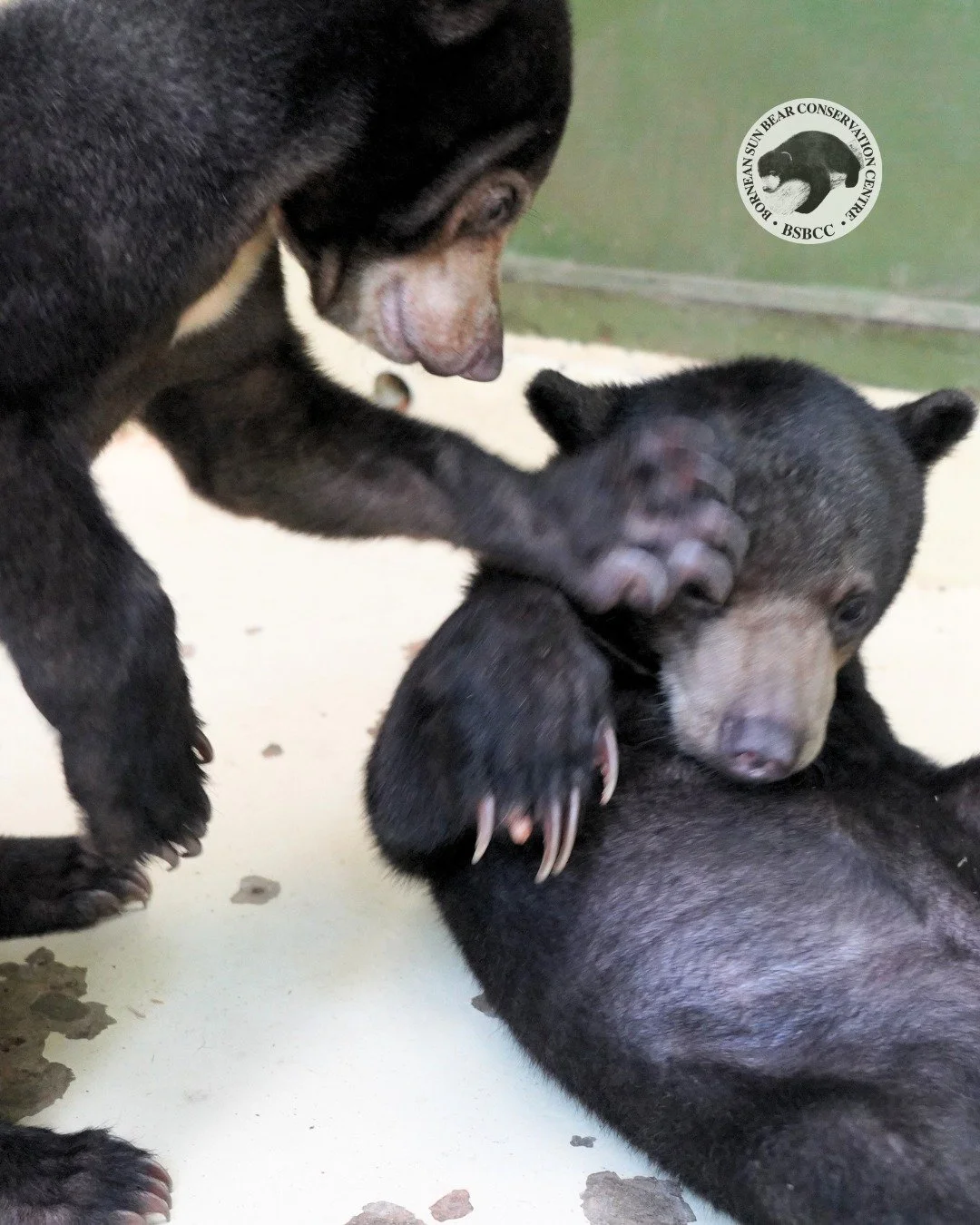
Manja reaching out with a soft paw as Sandokan stays close
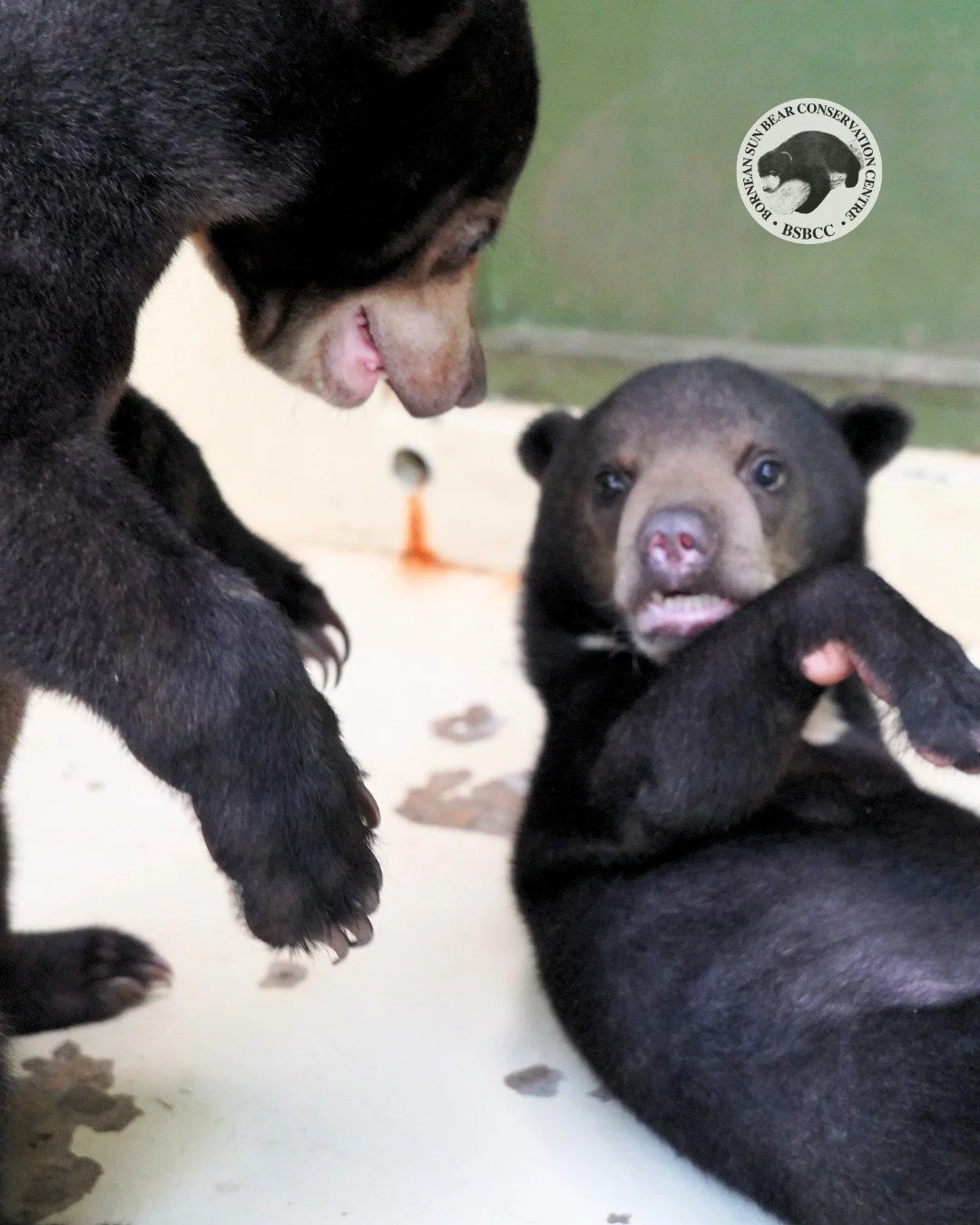
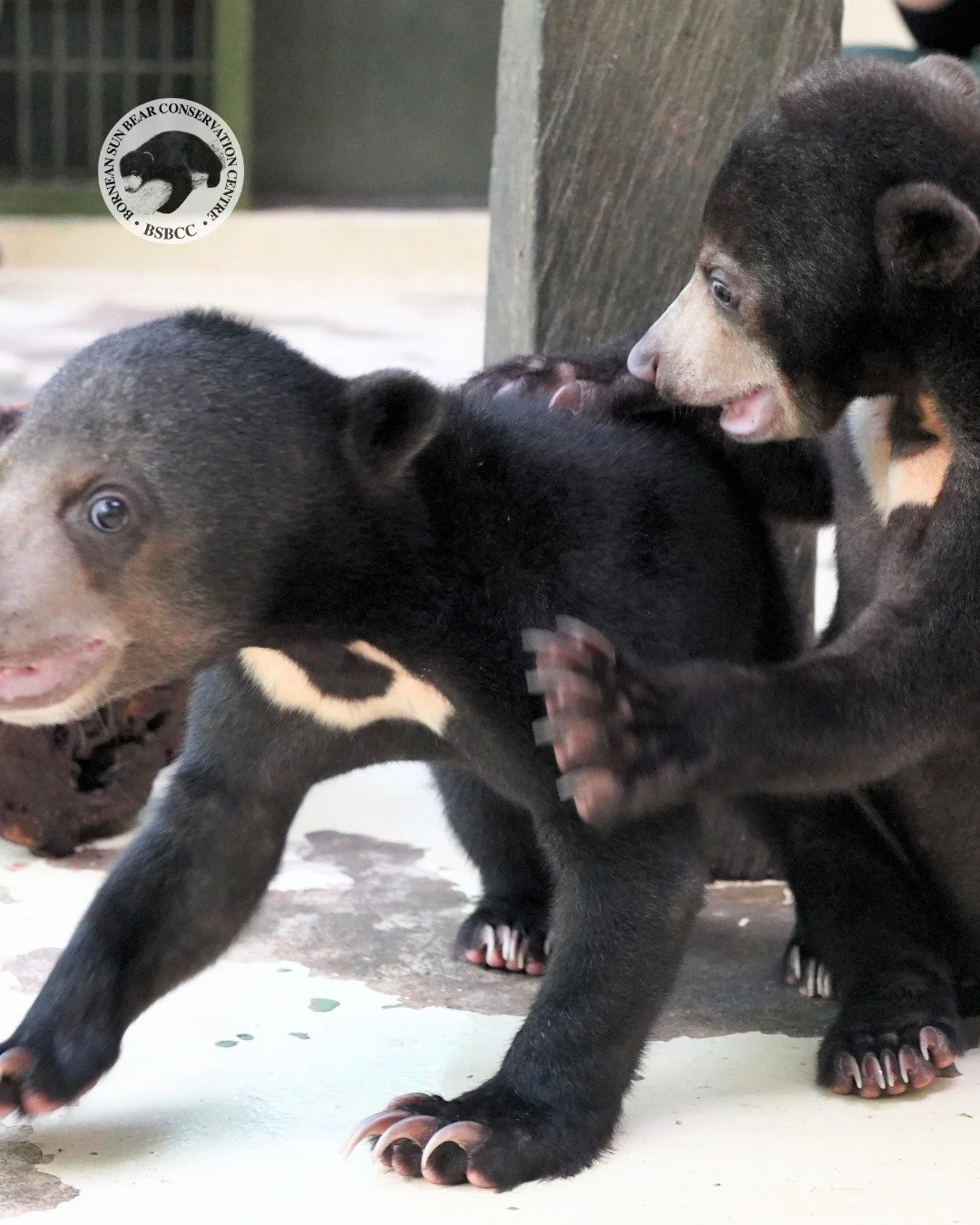
Sandokan was a little surprised by Manja’s pawing, not knowing that Manja has already learned that move from her
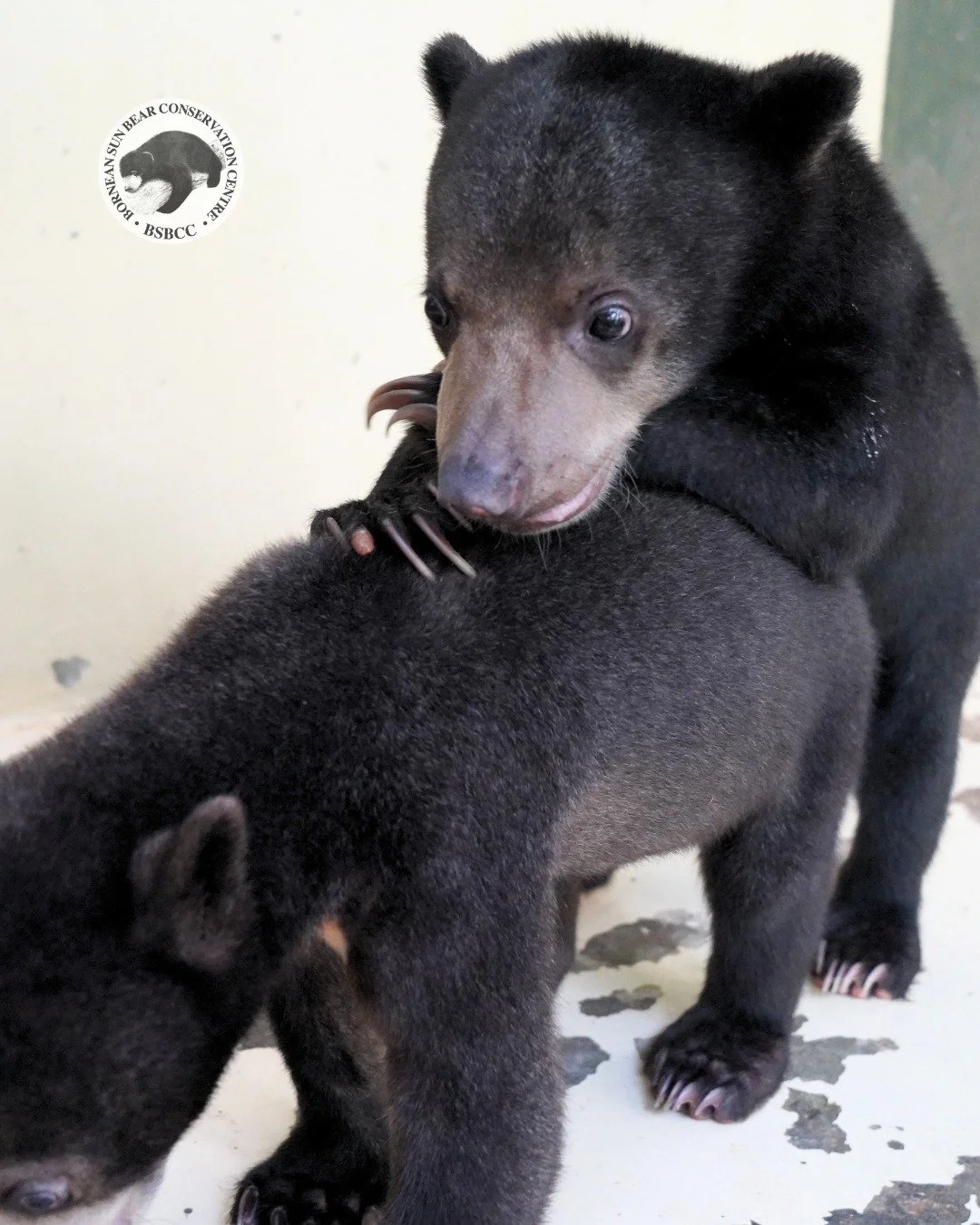
Final moments: Sandokan not accepting closure — “Extend session pls!”
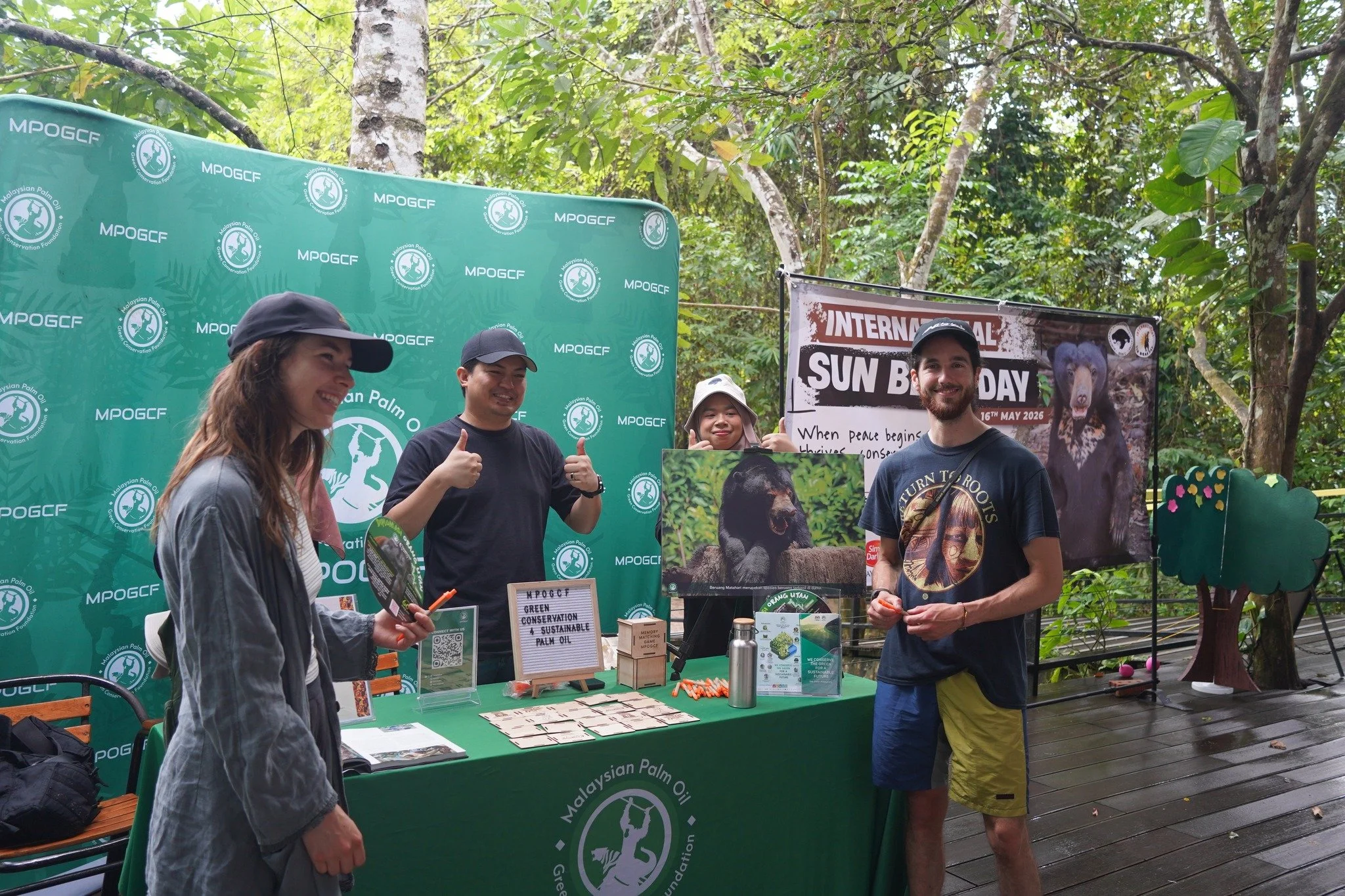
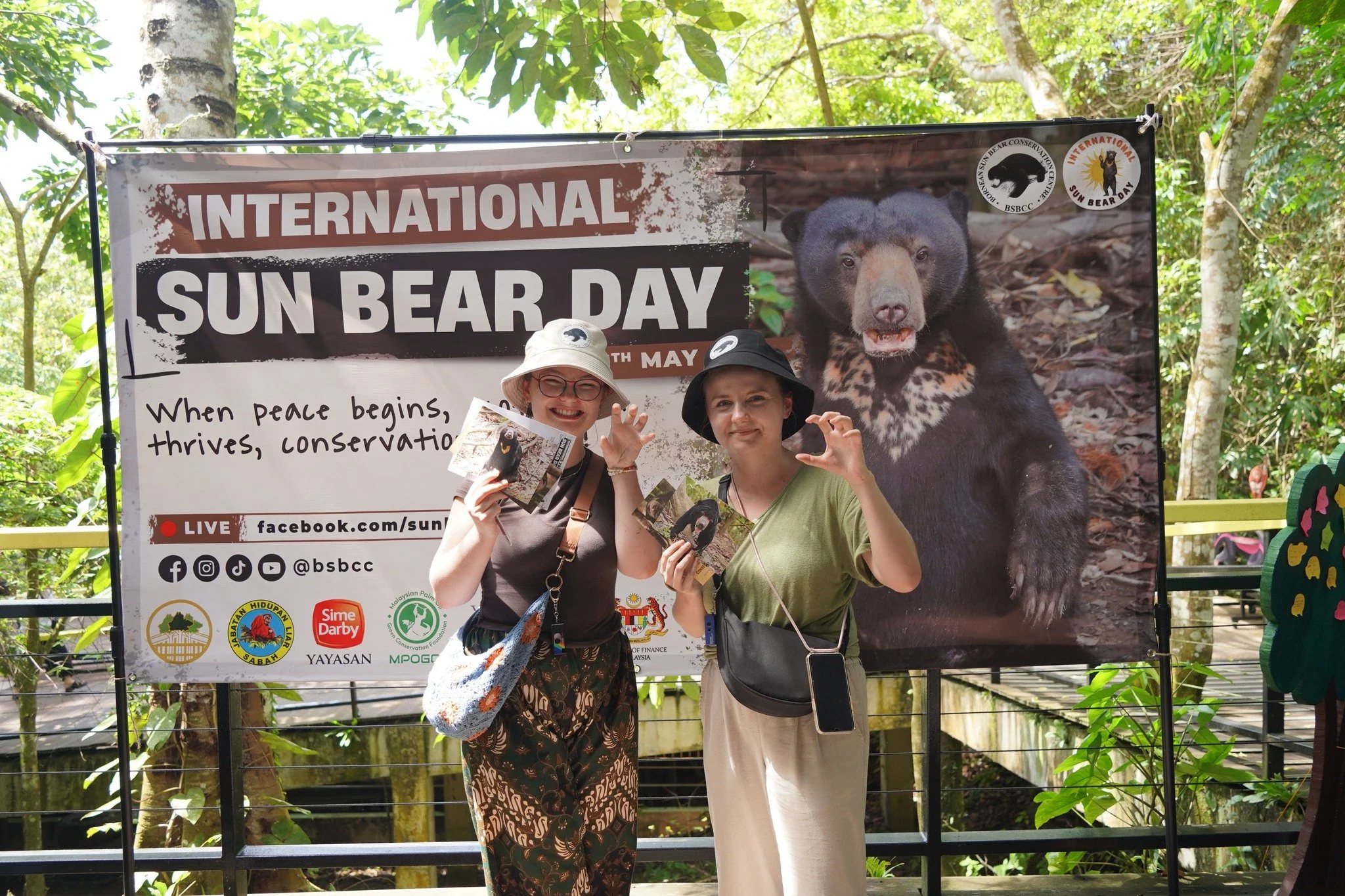
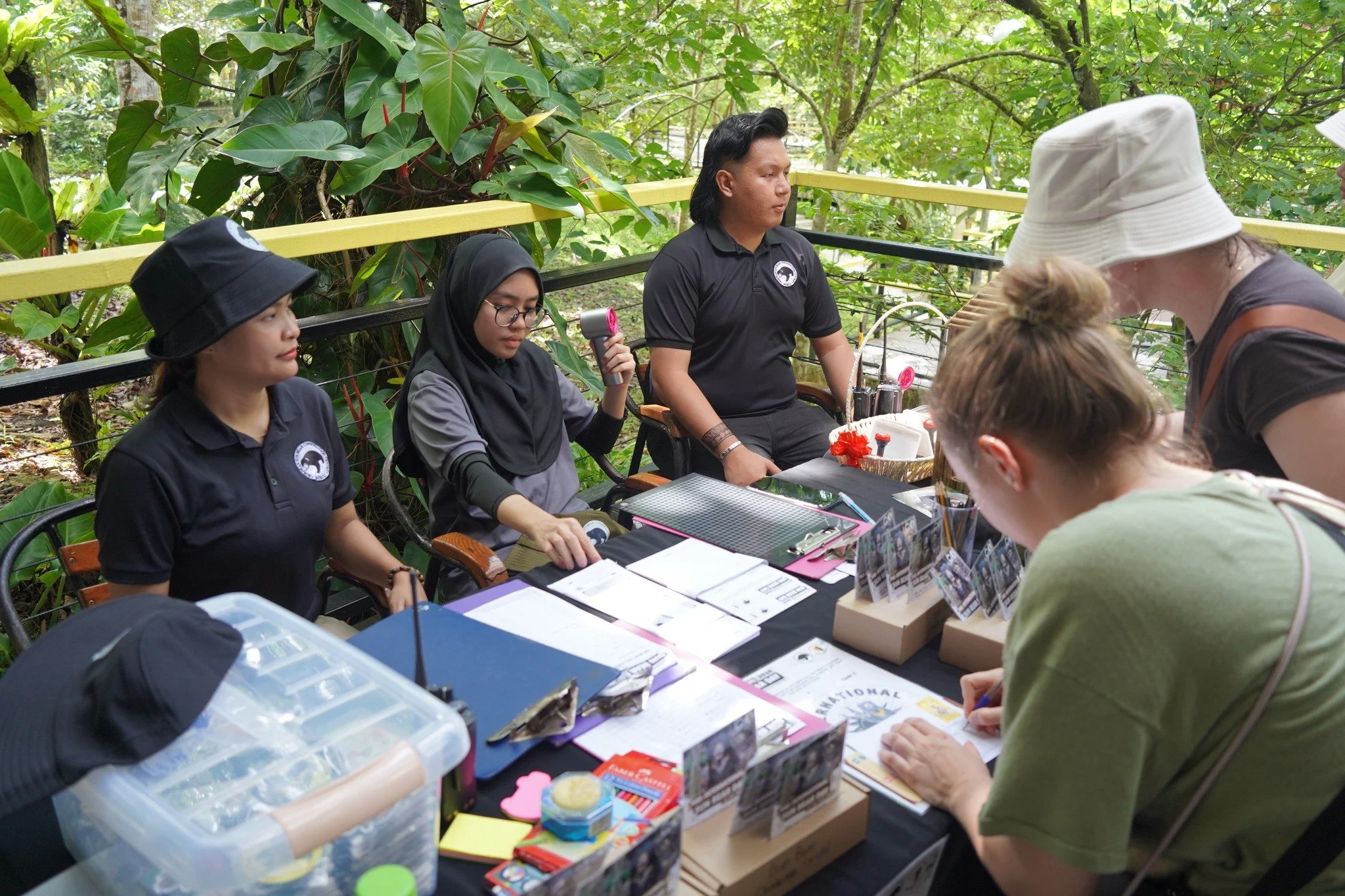
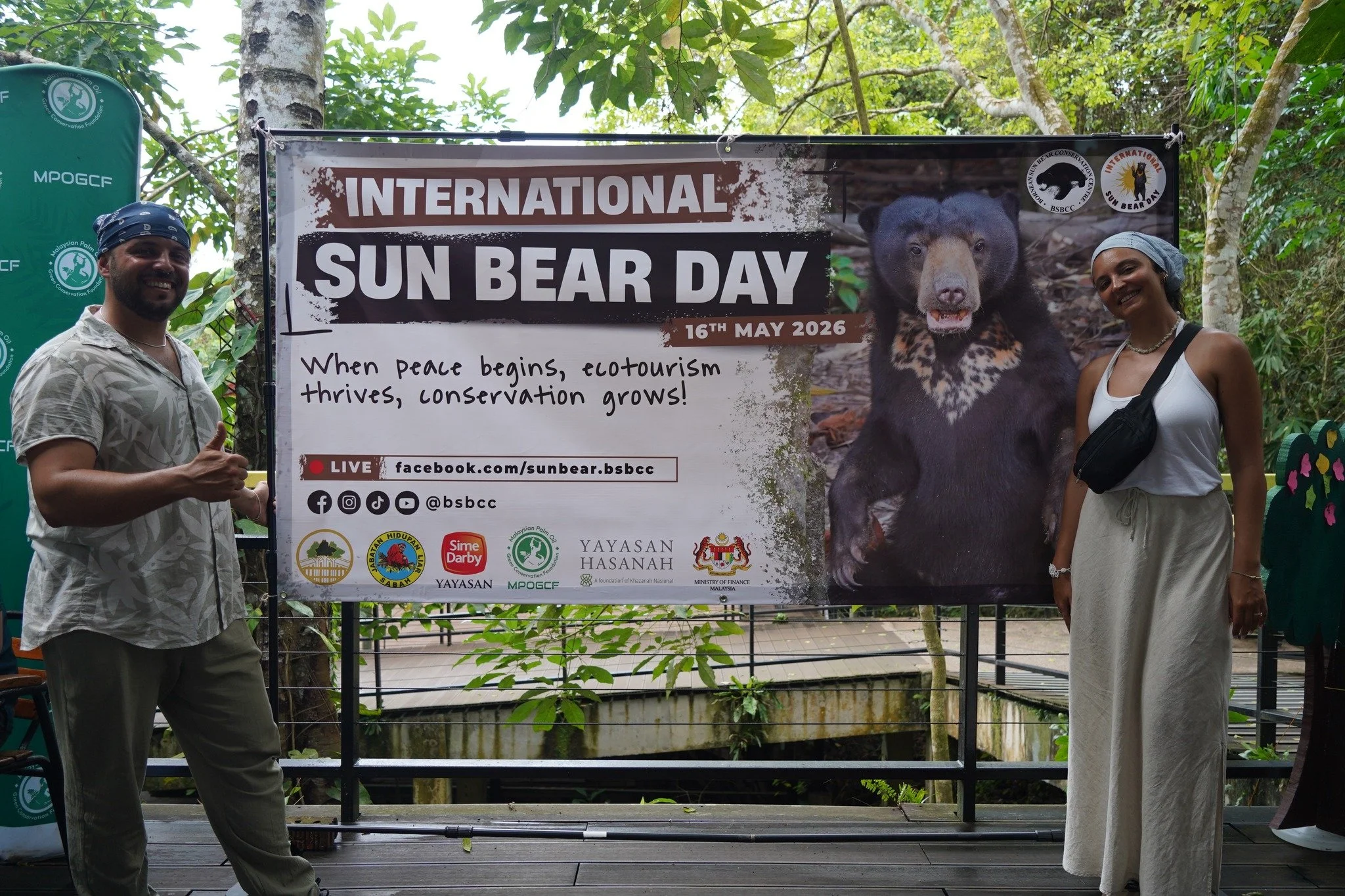
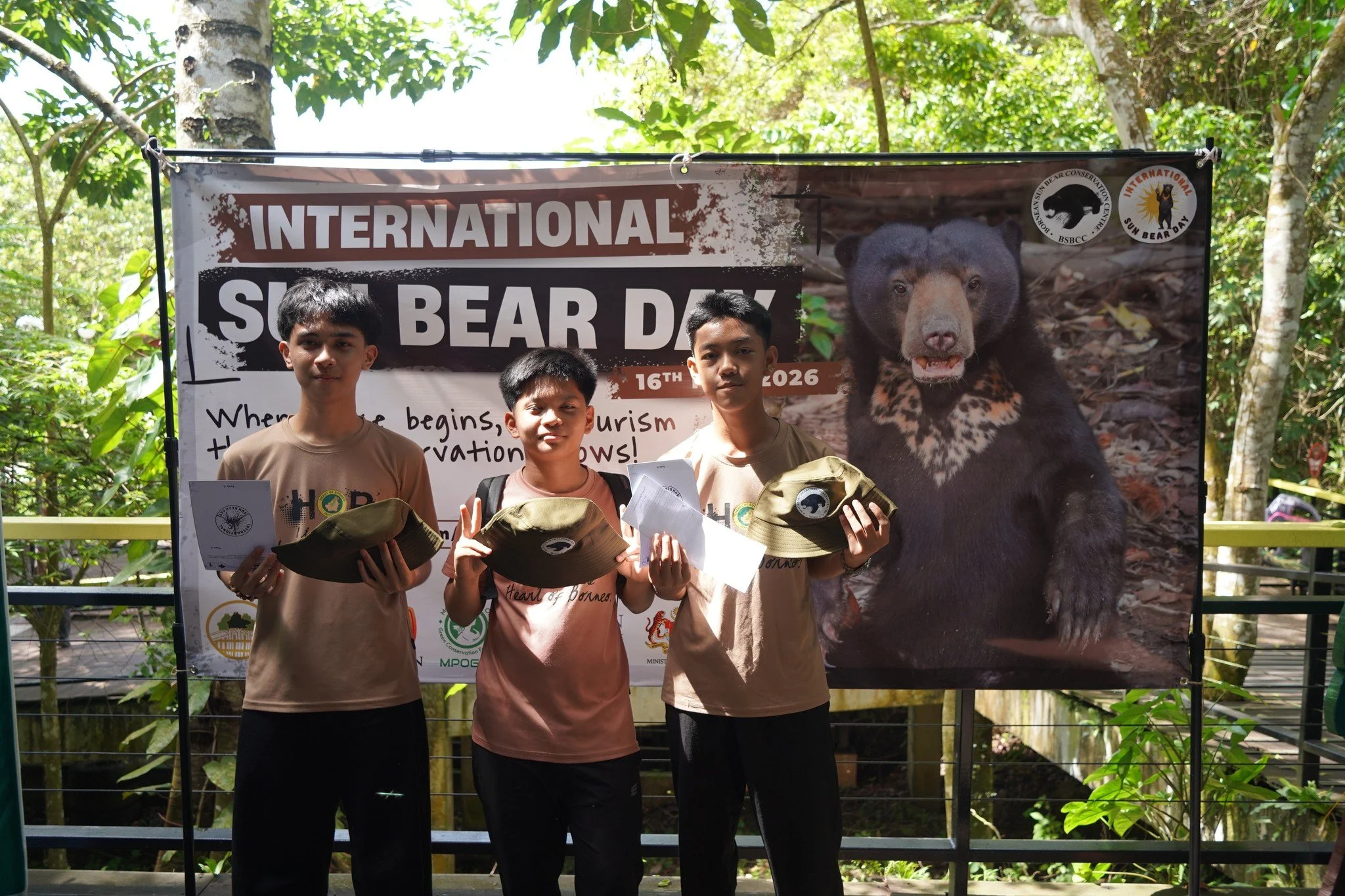
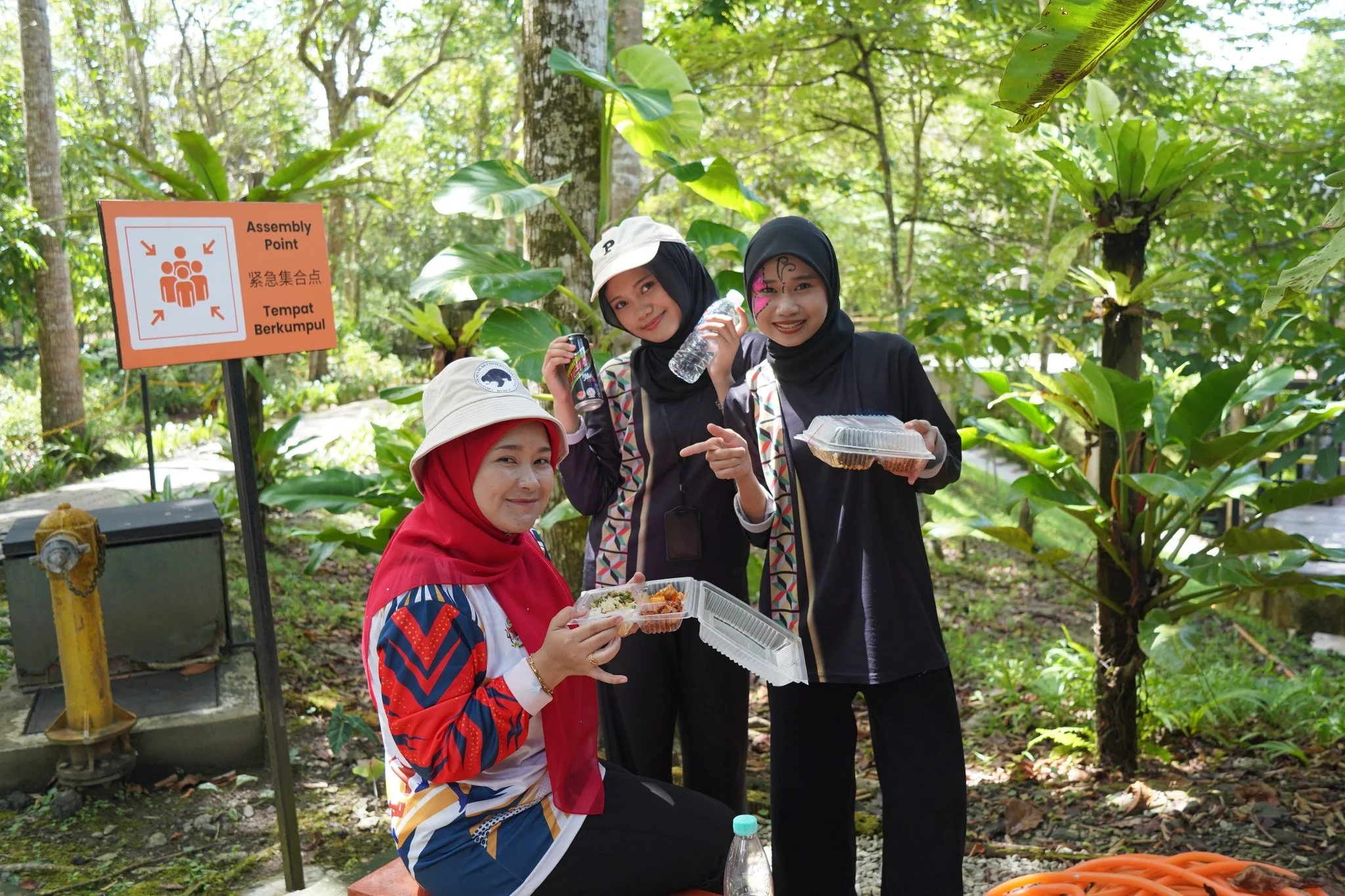
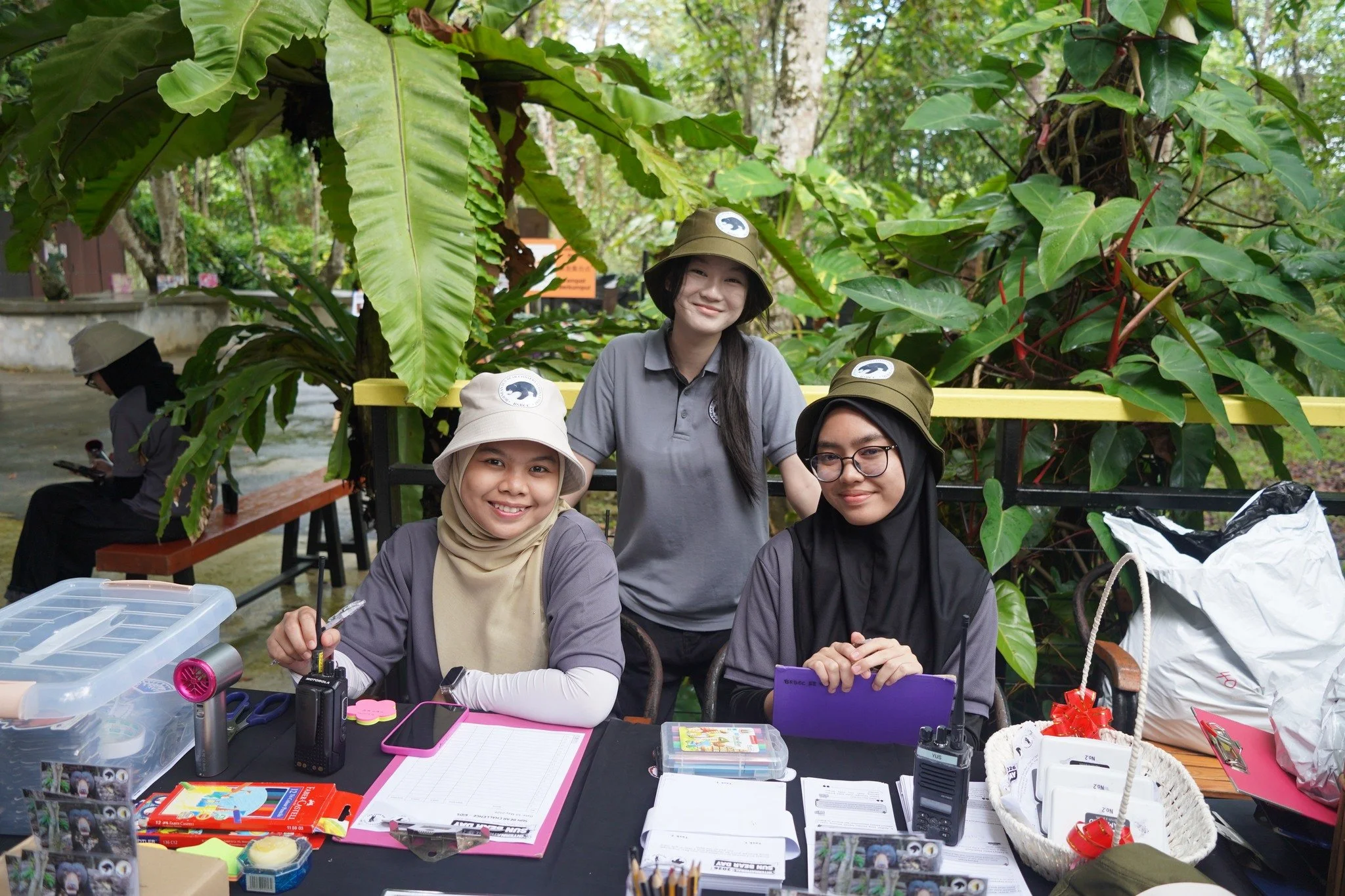
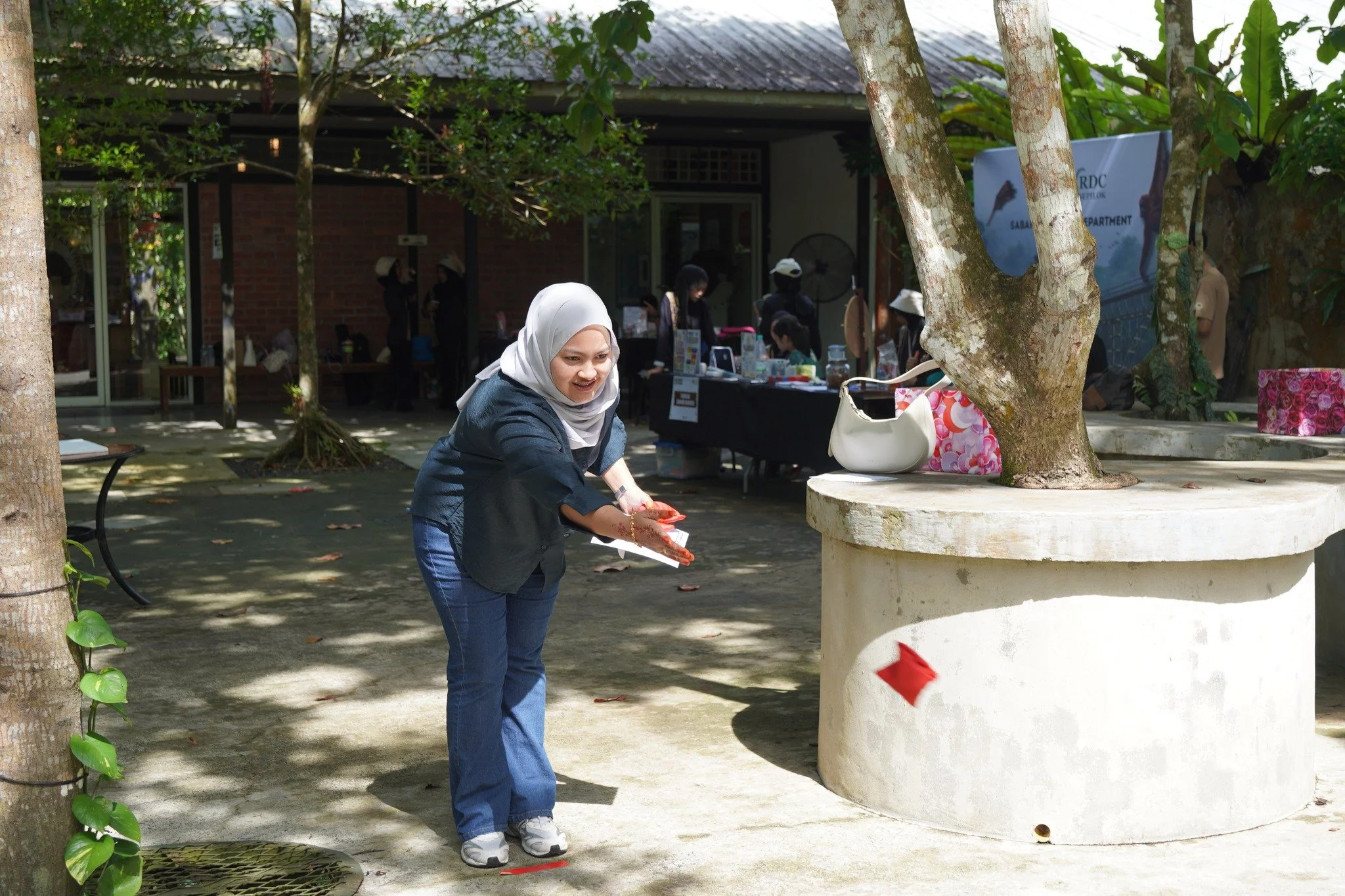
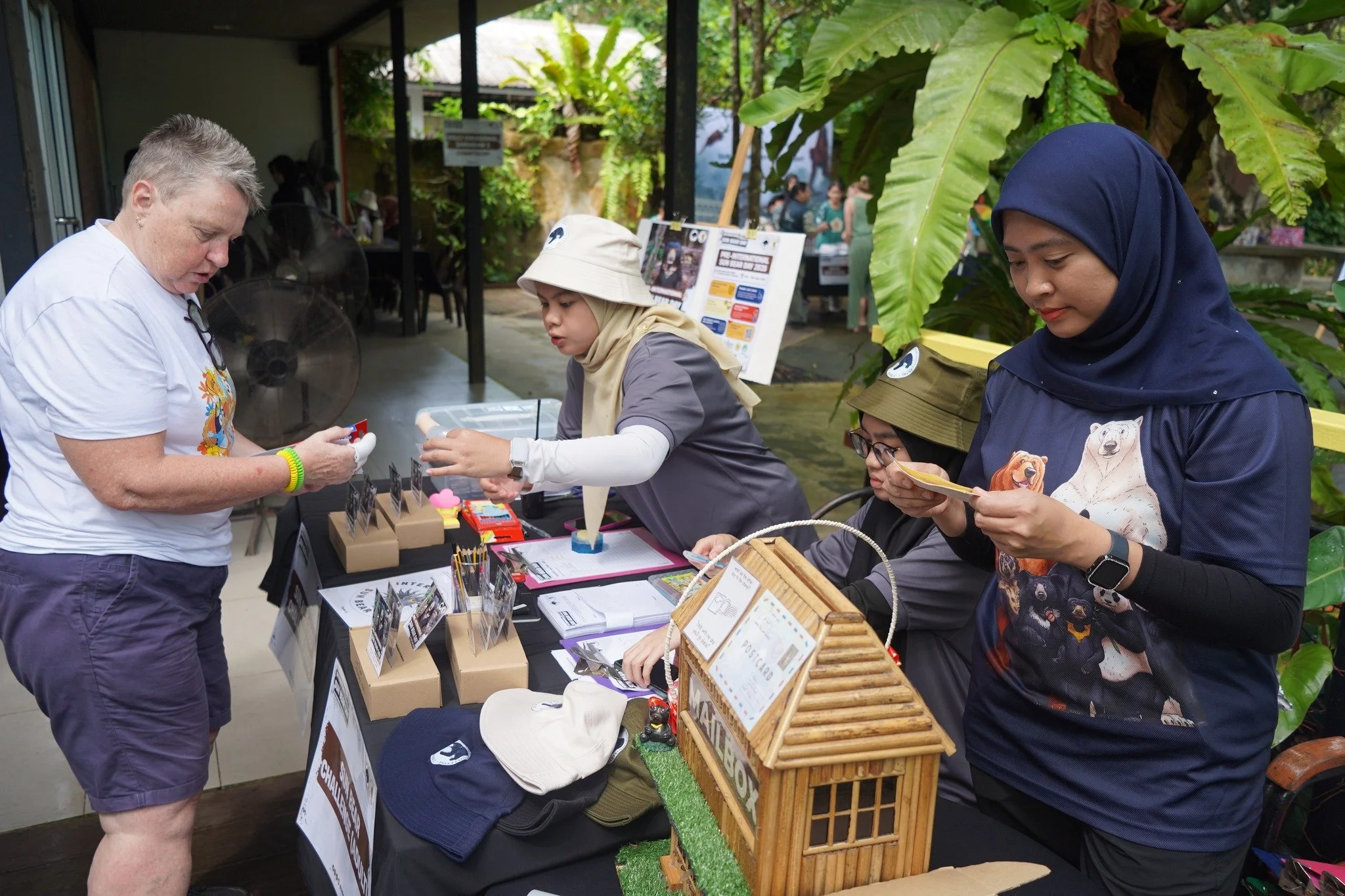
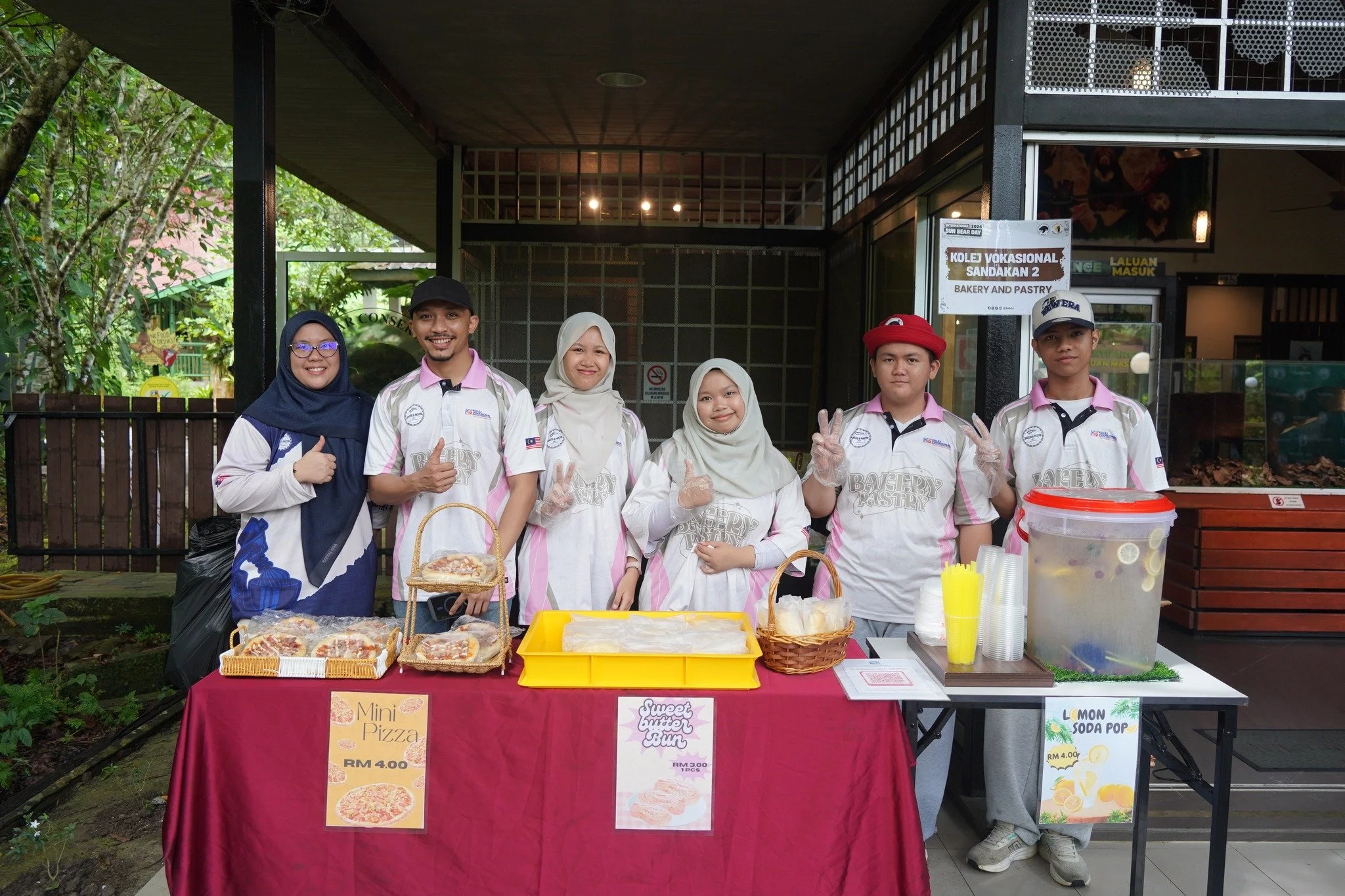
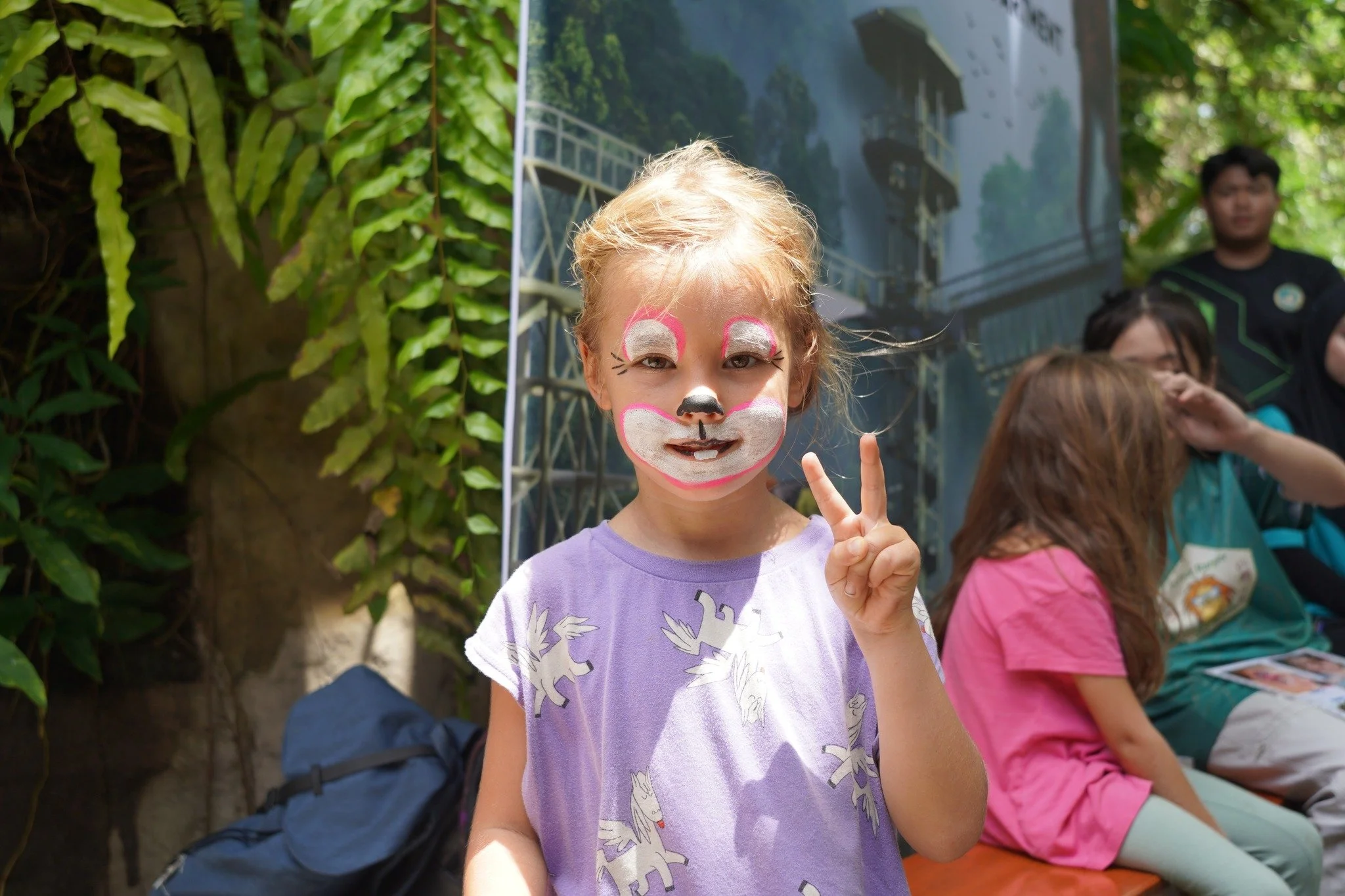
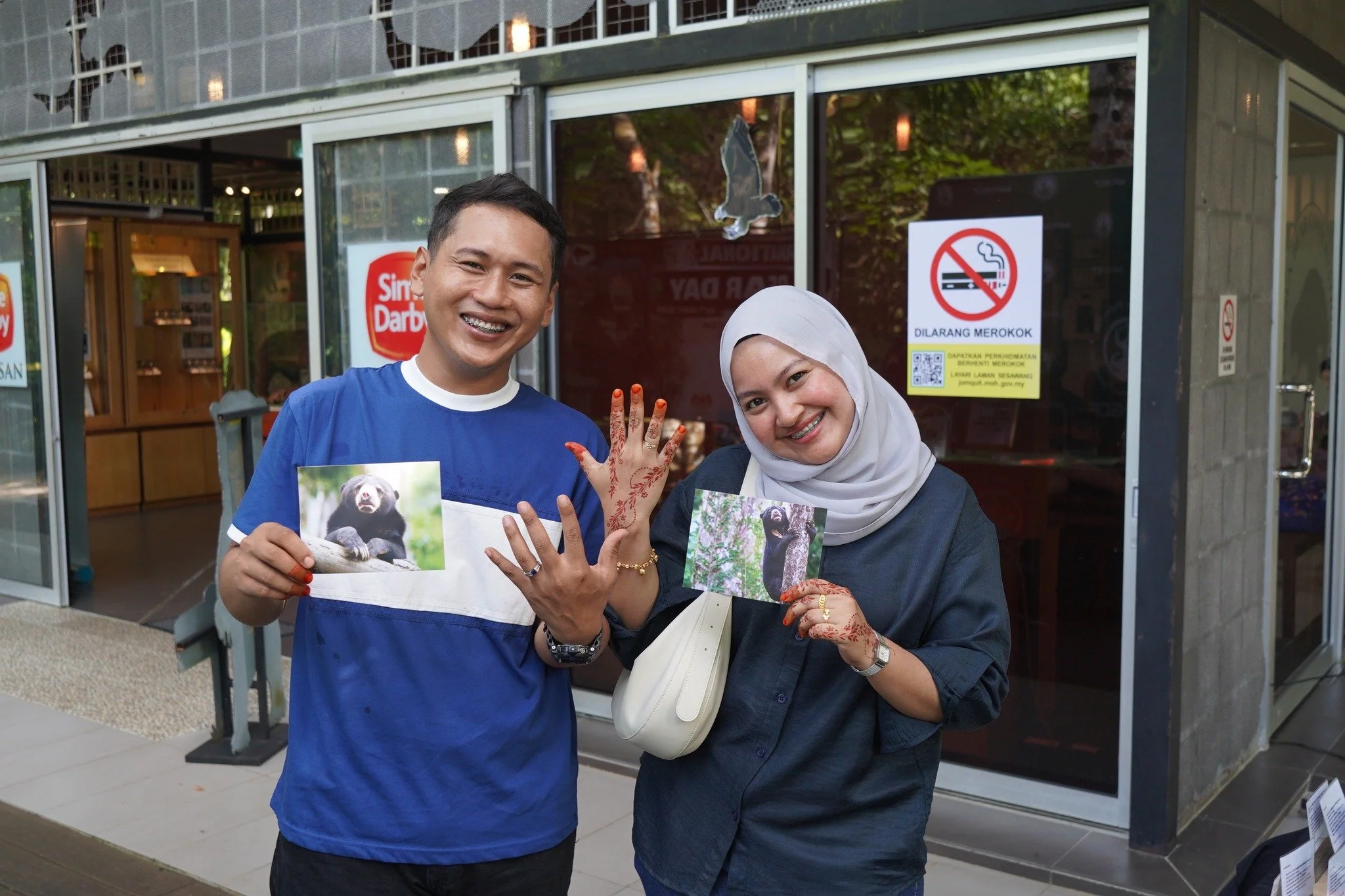
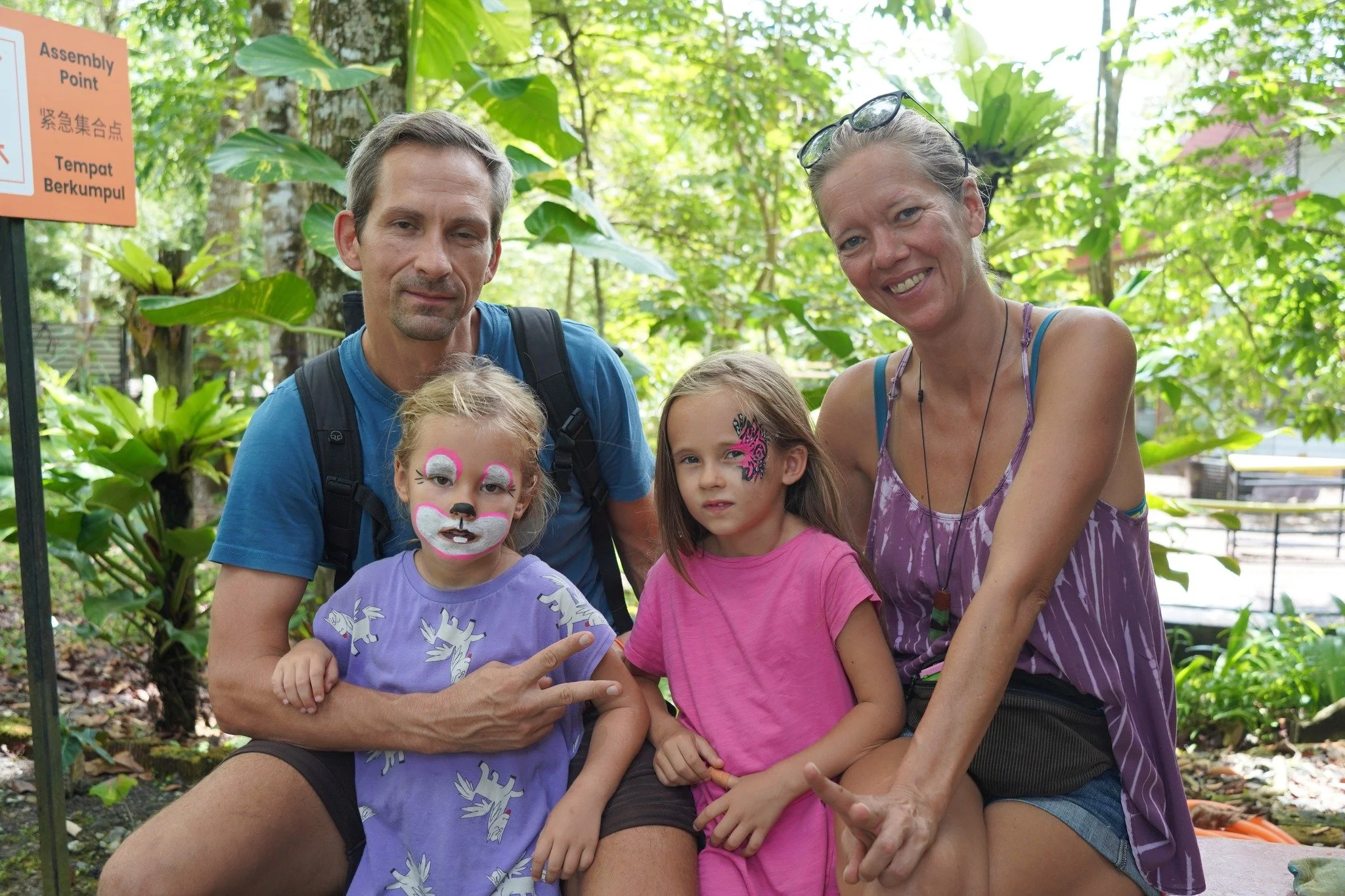
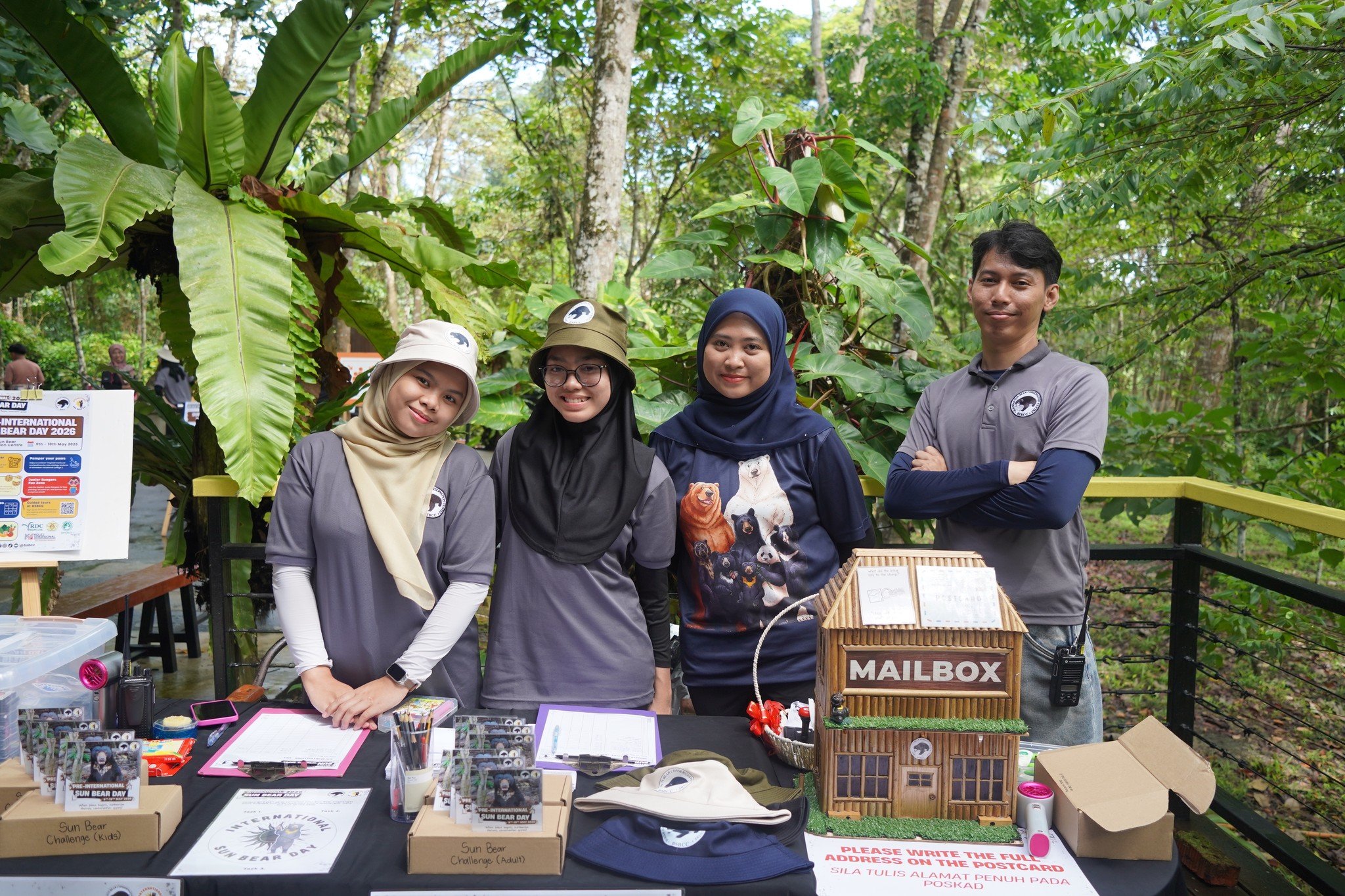
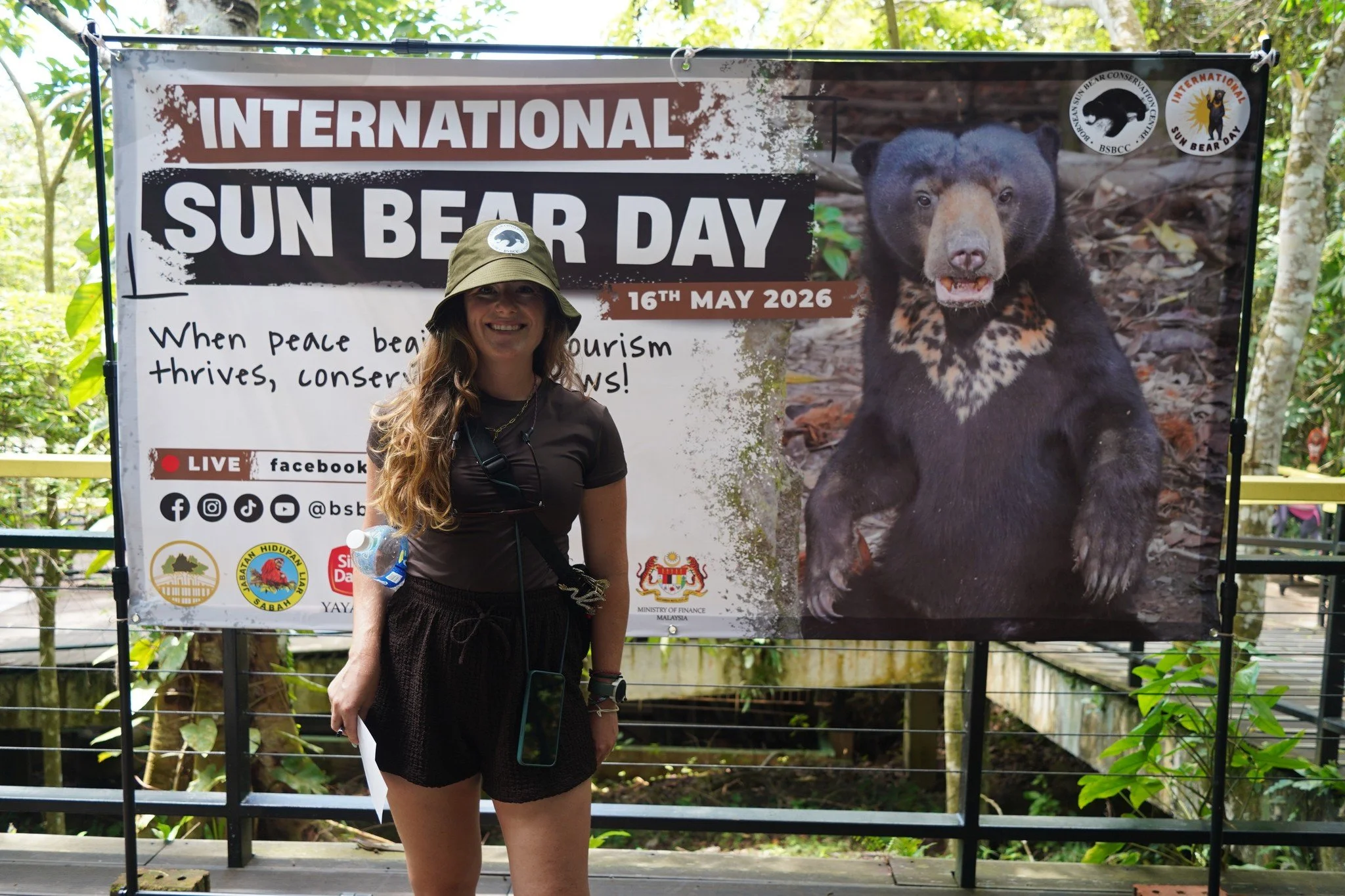
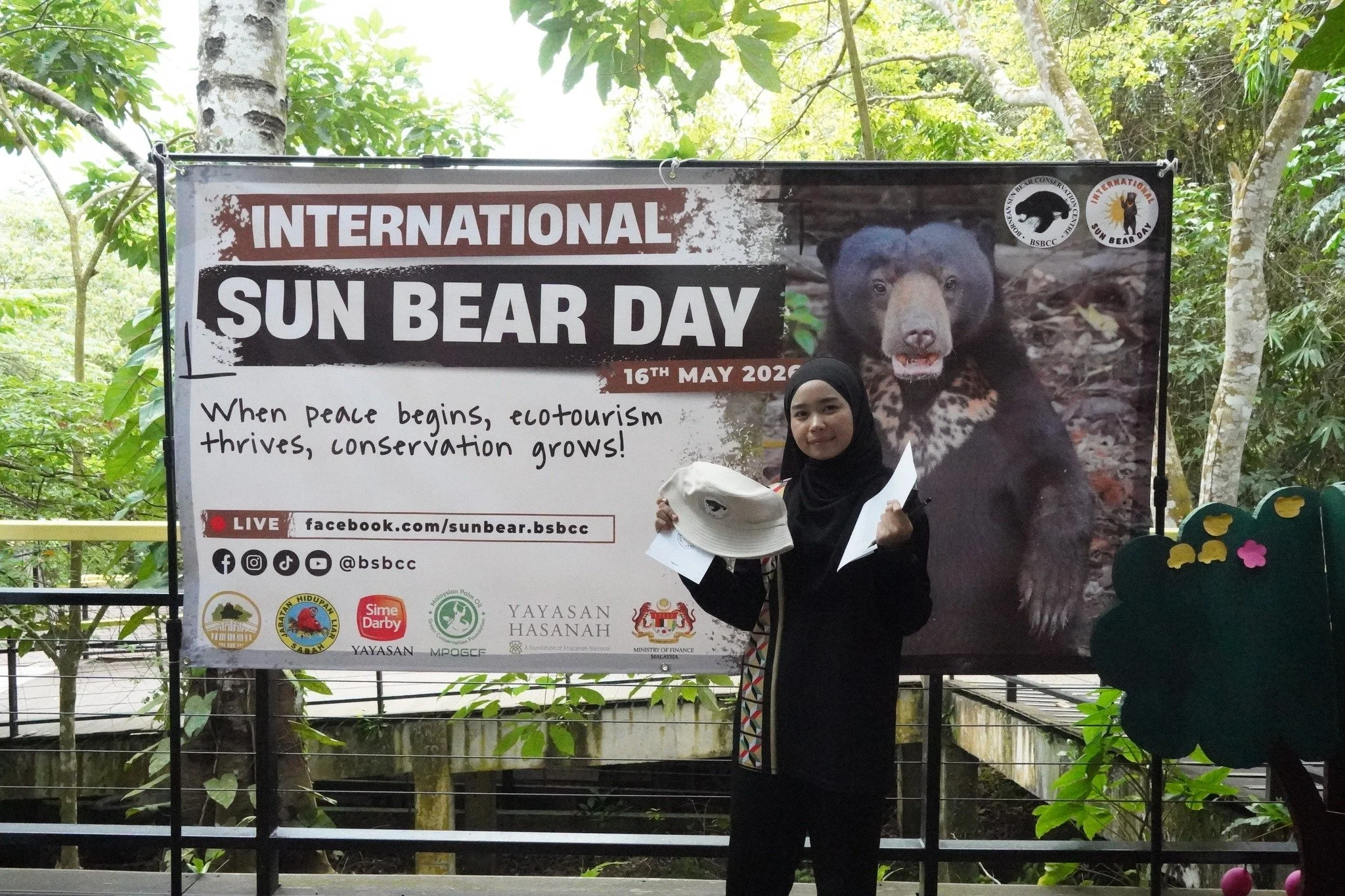
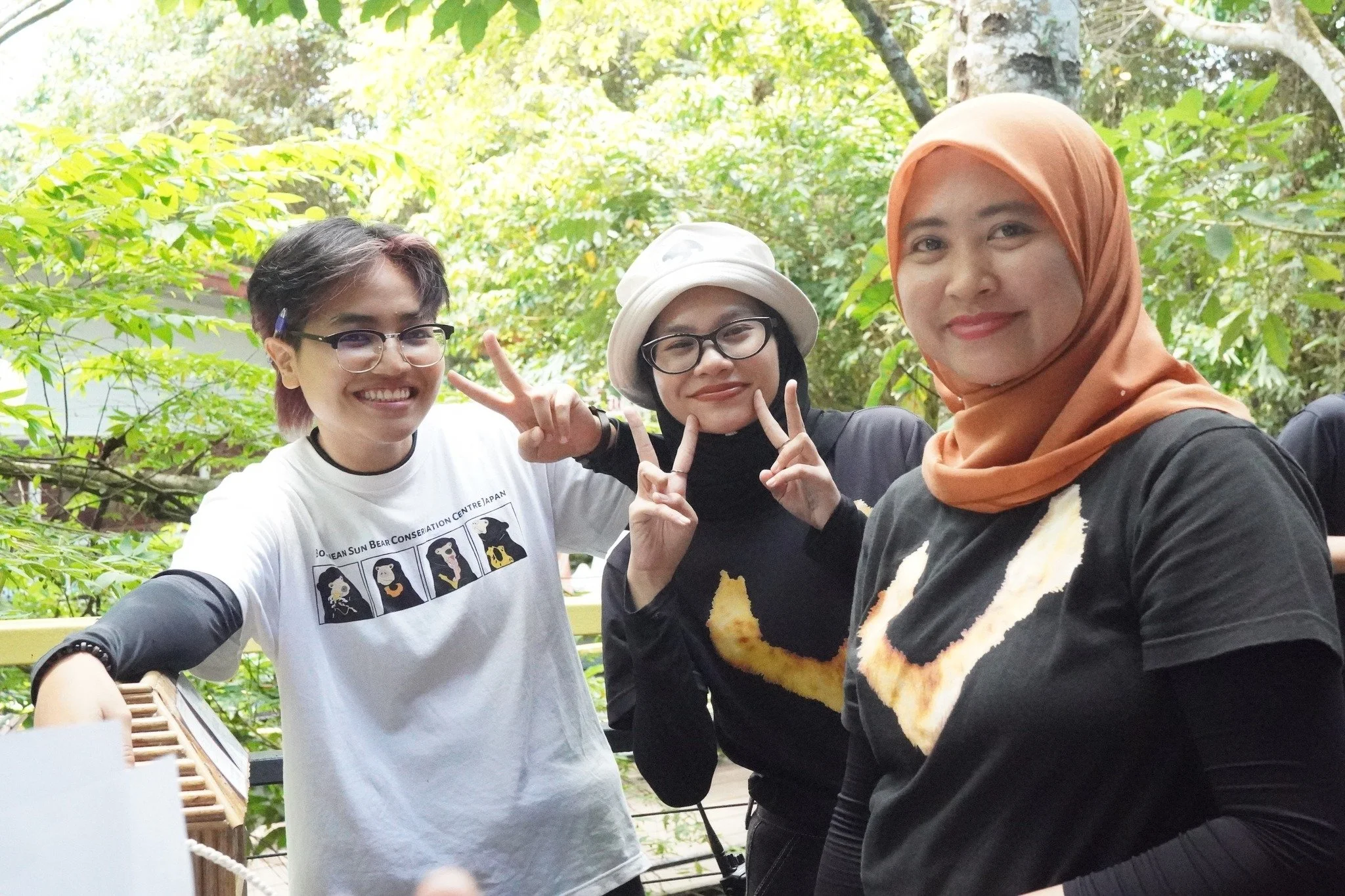
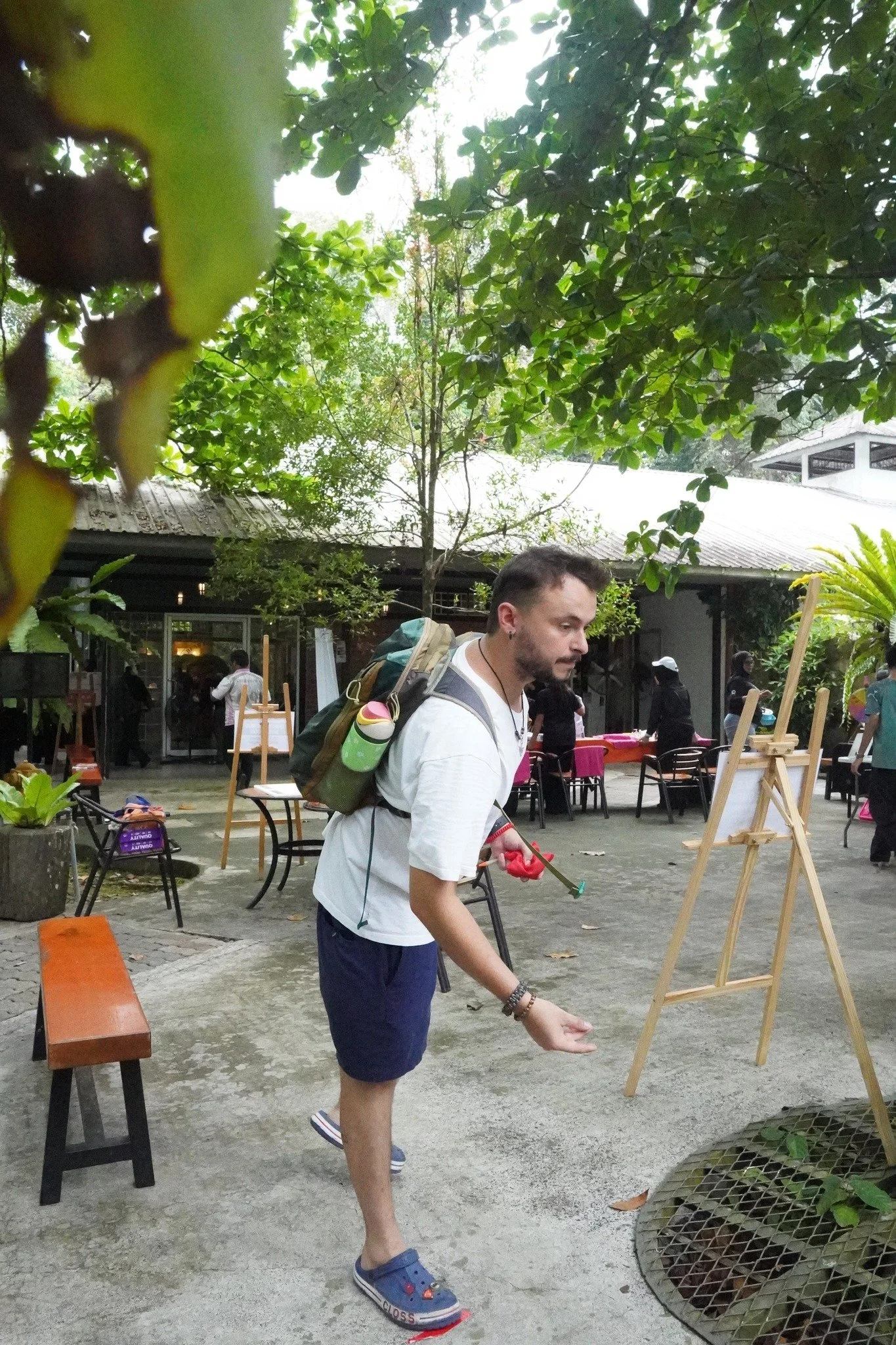
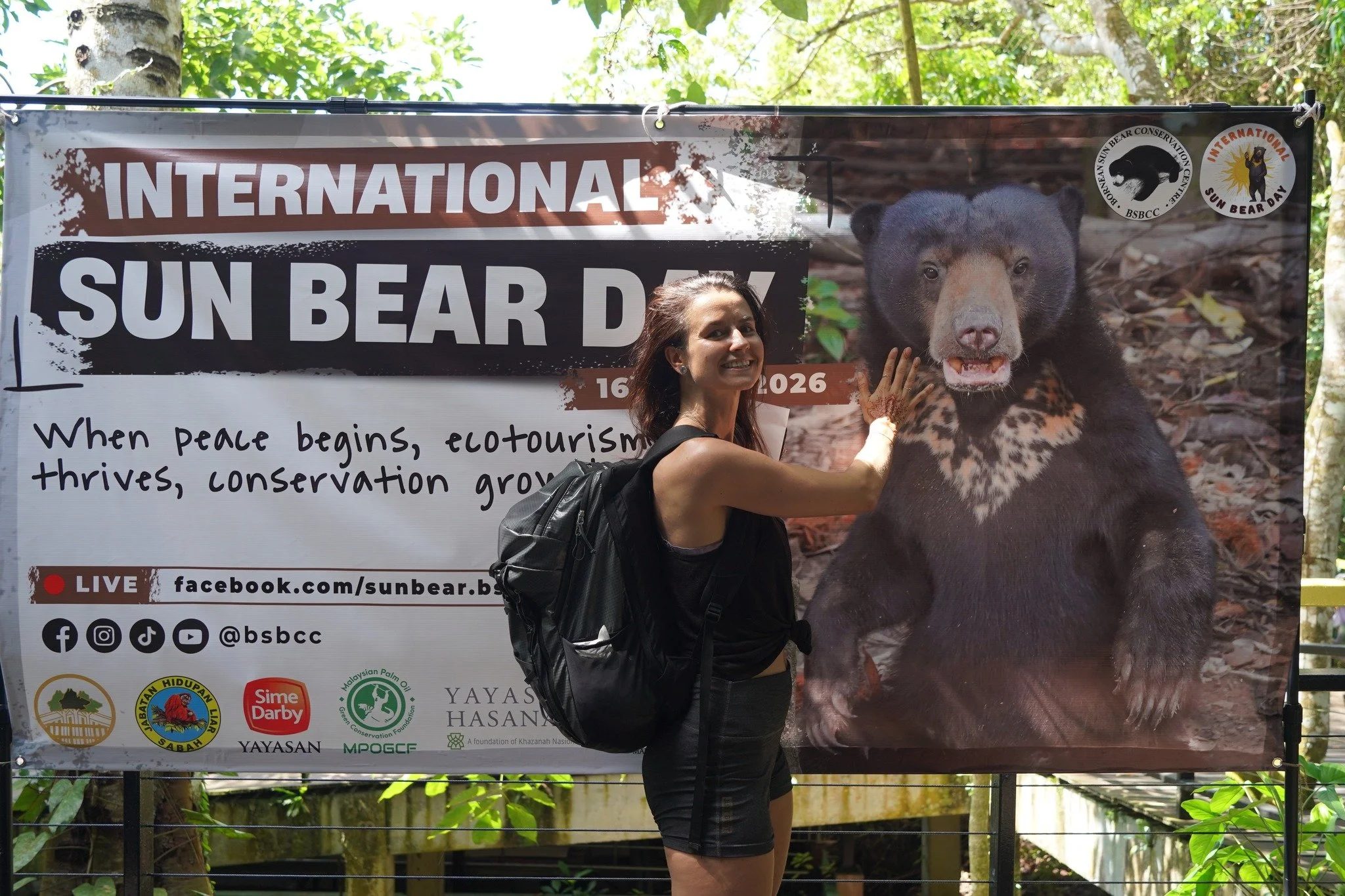
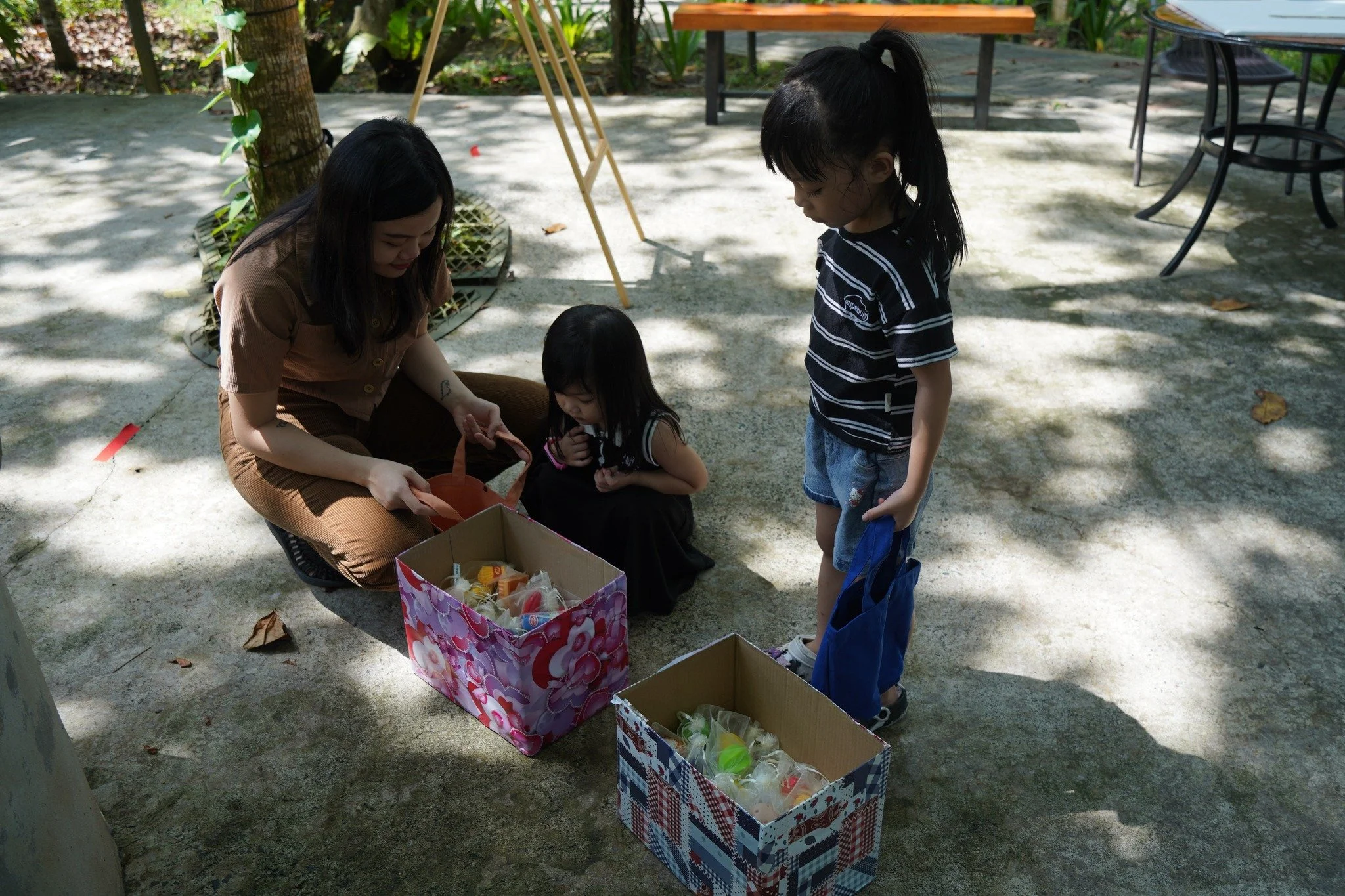
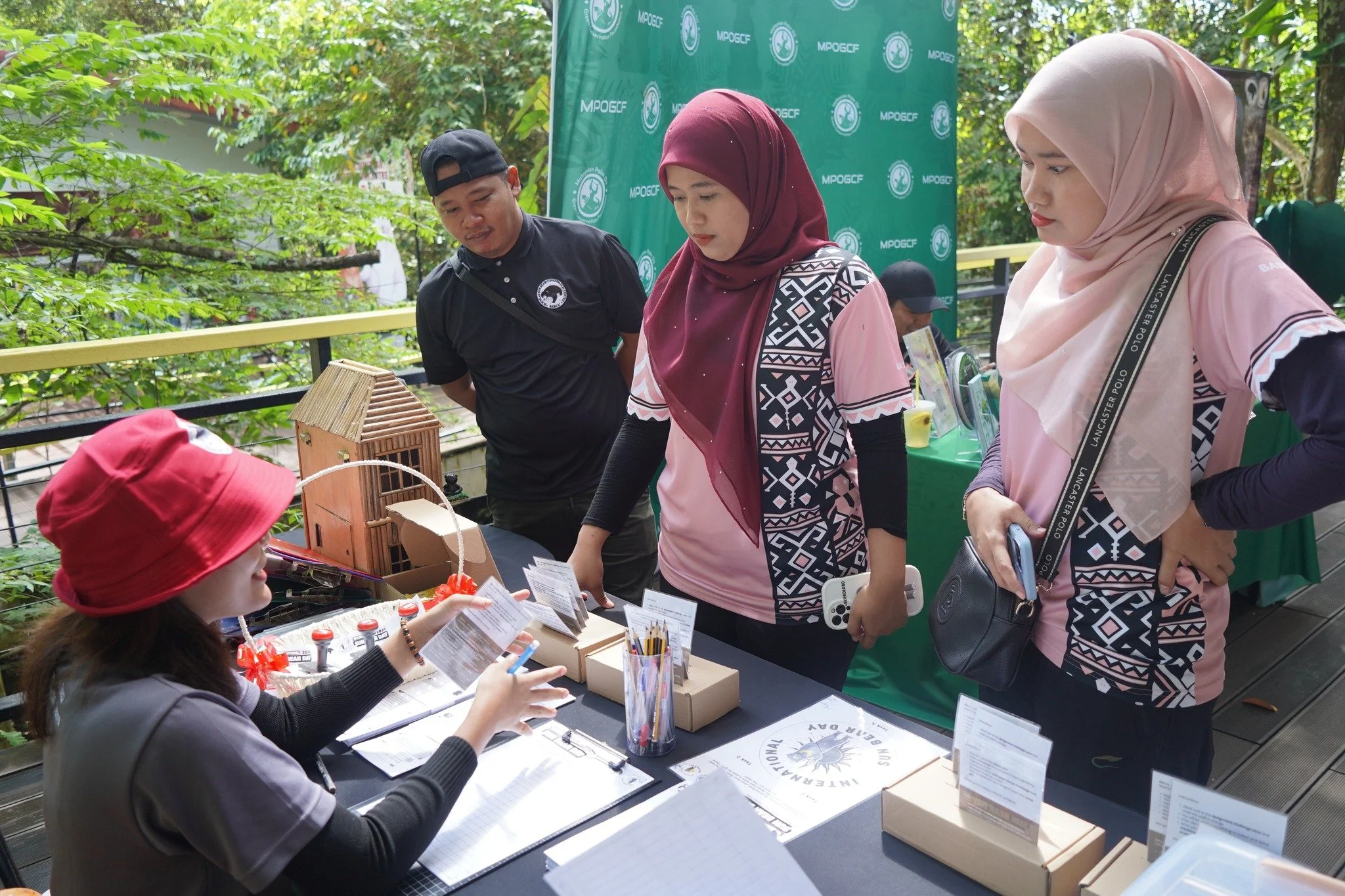
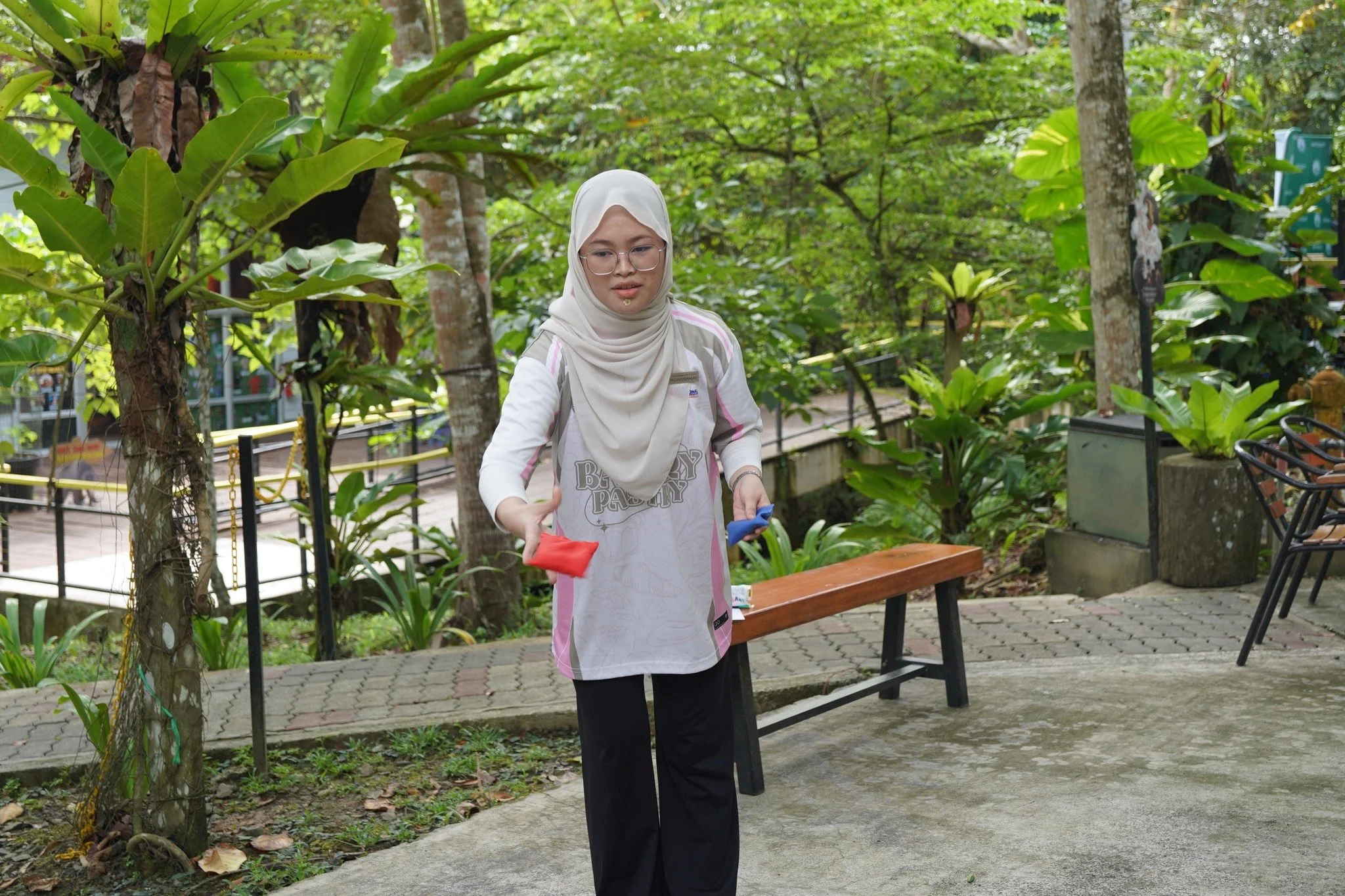
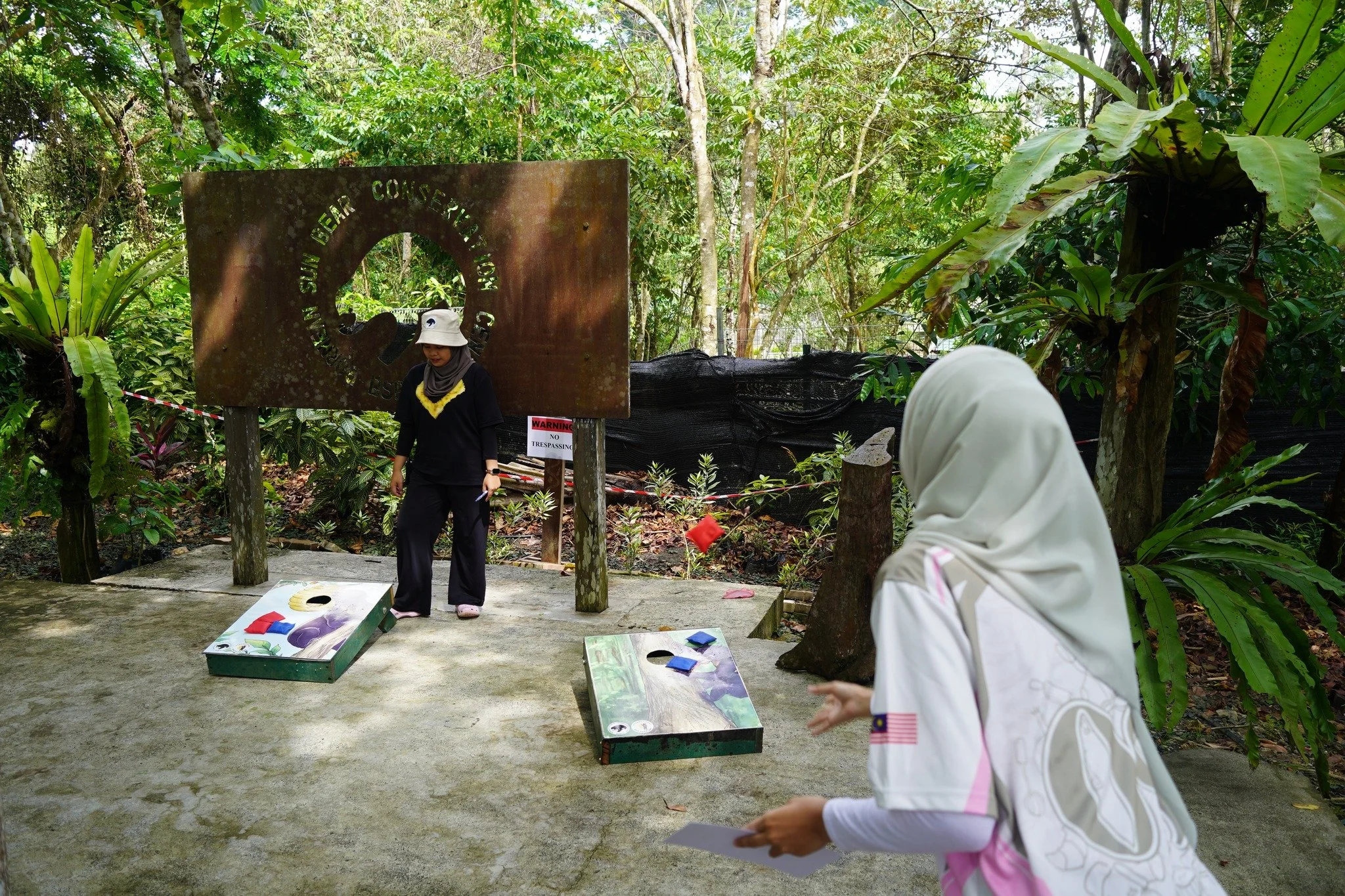
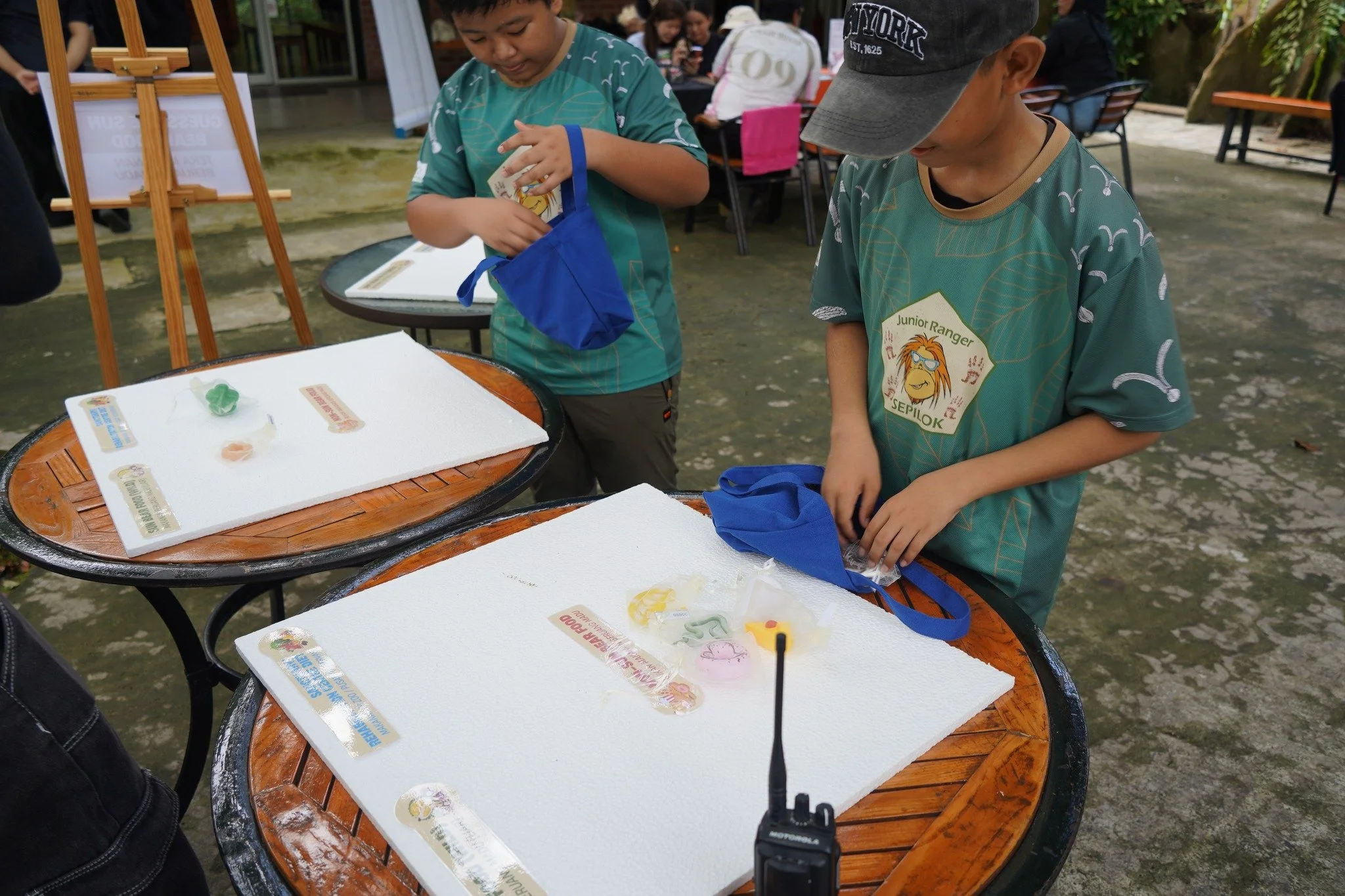
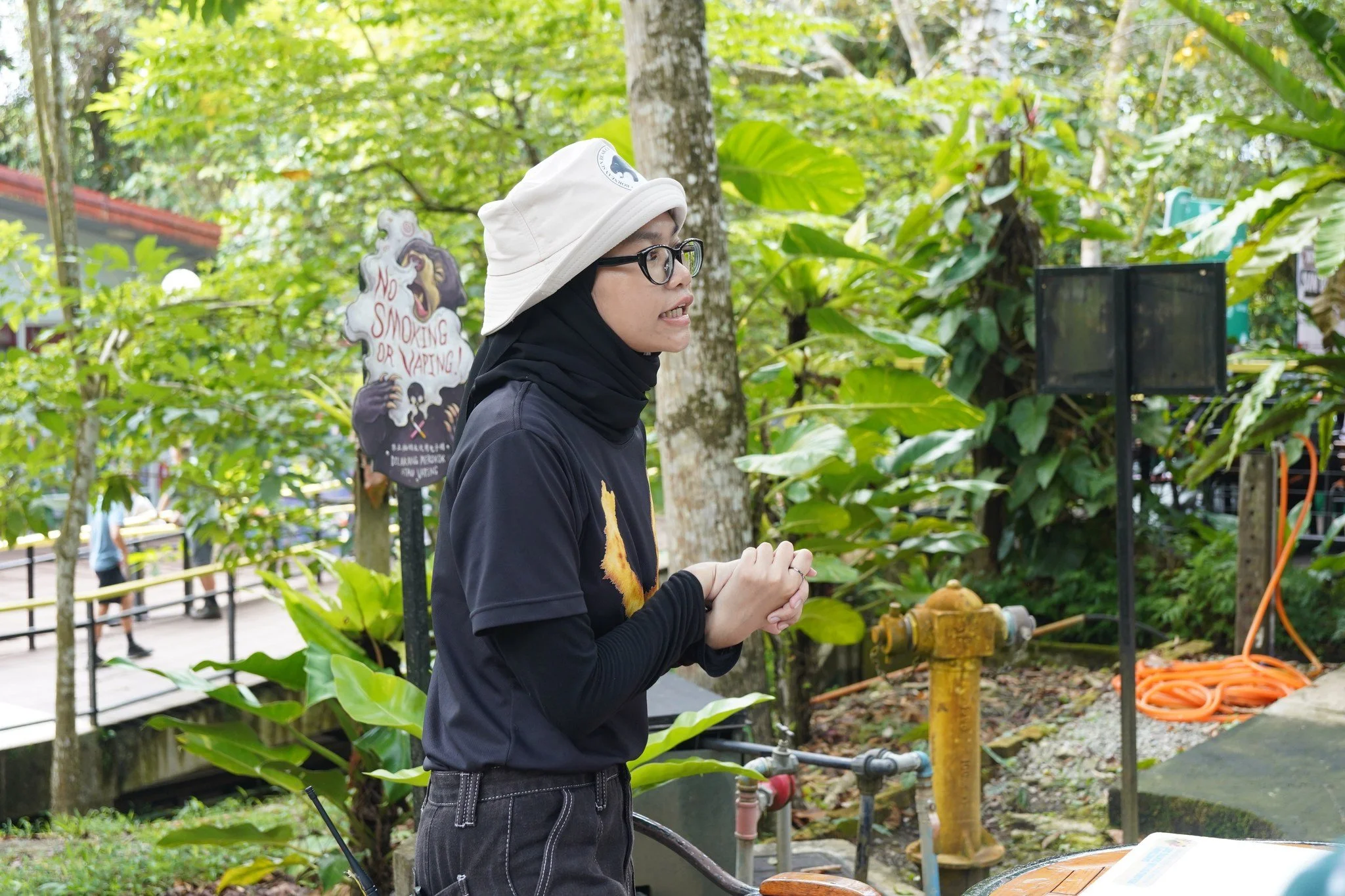
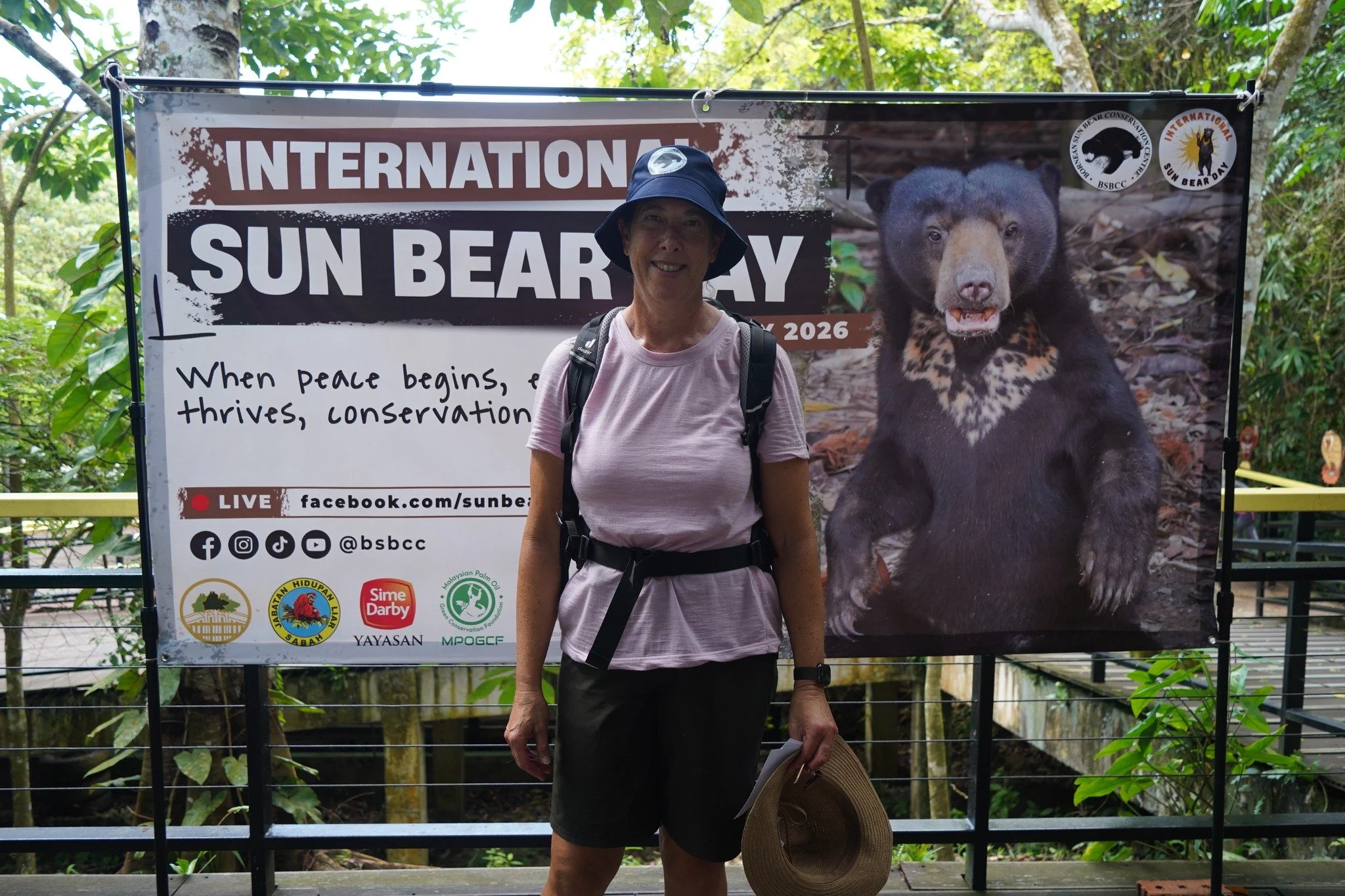
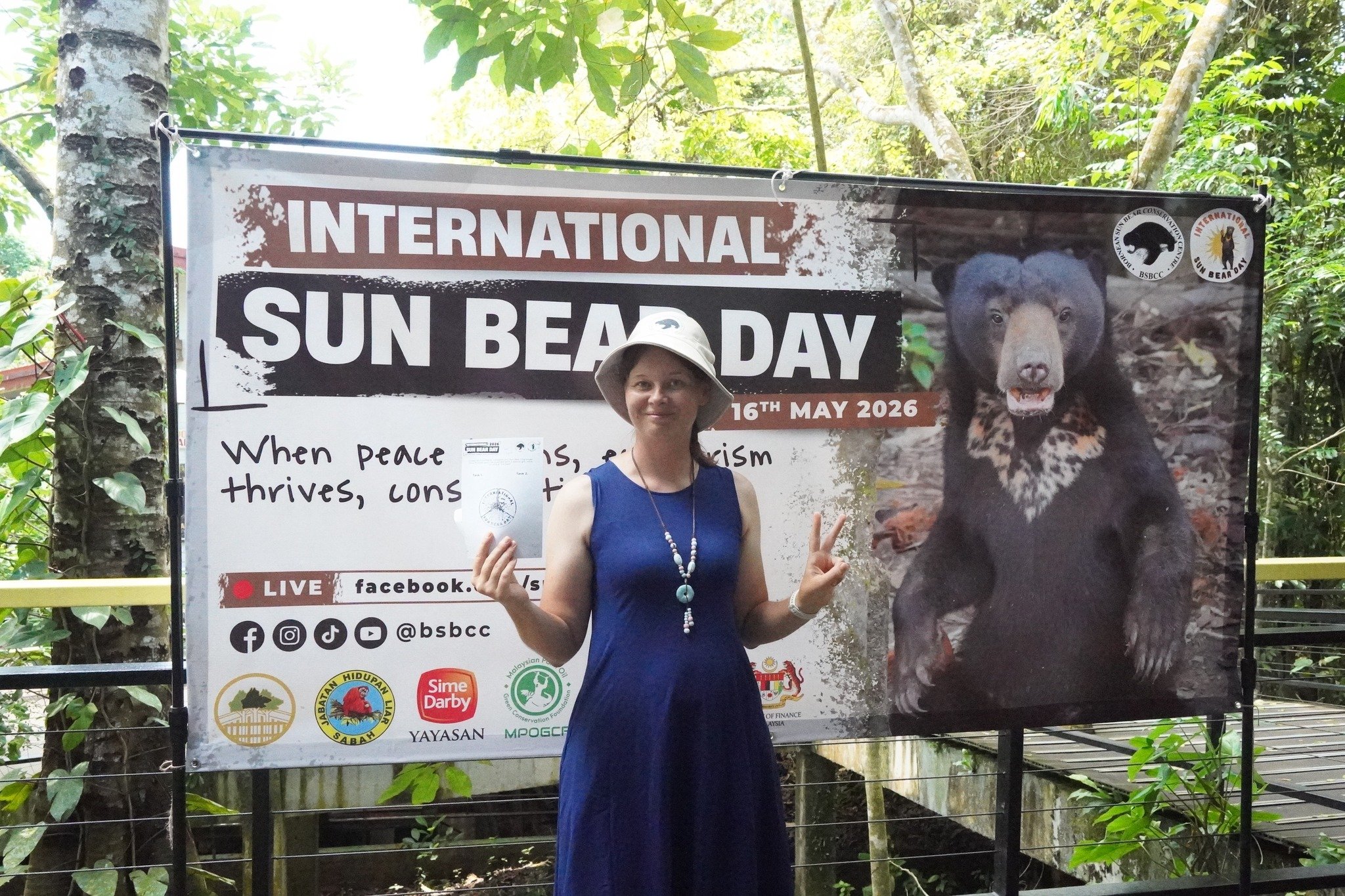
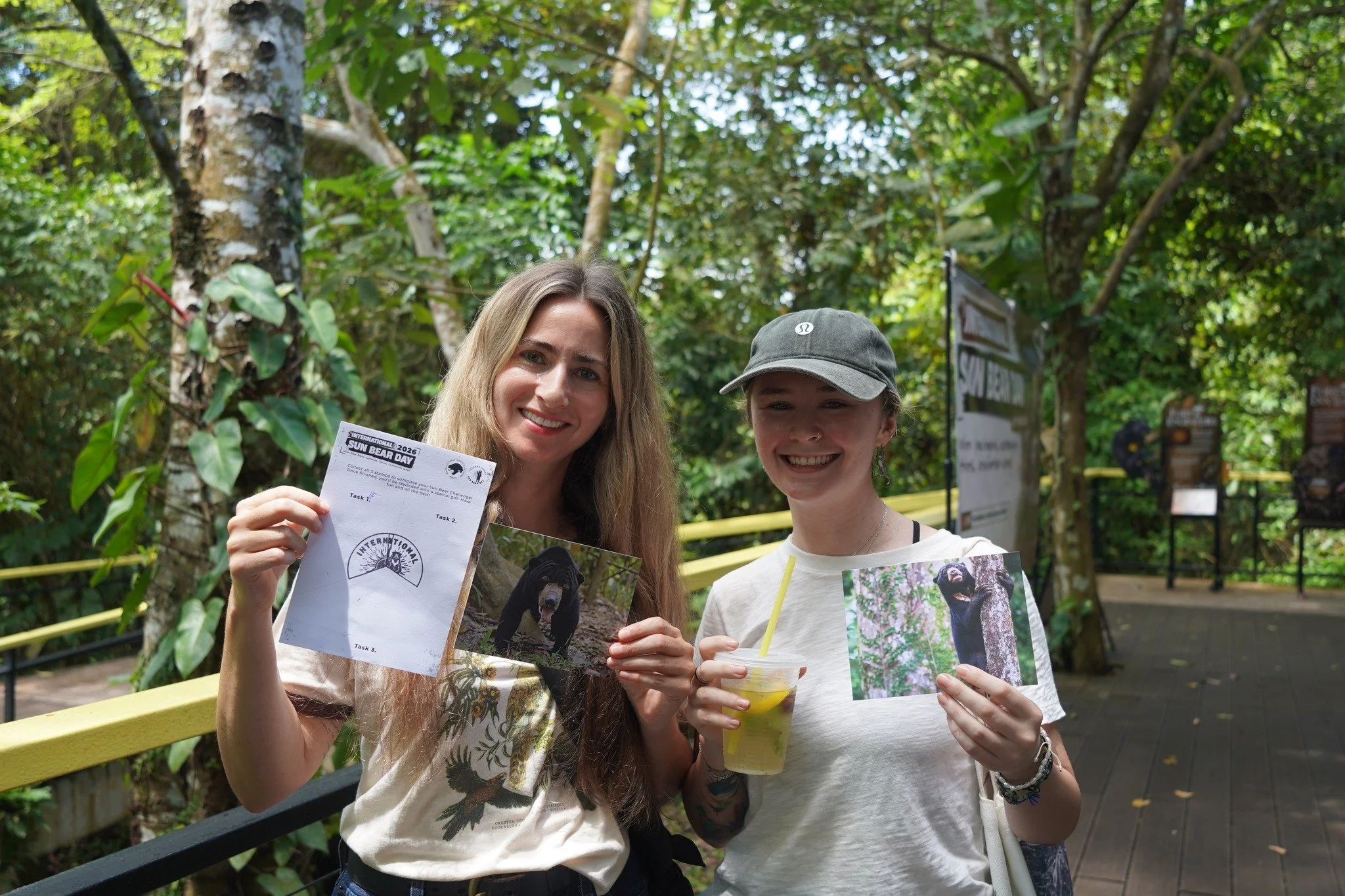
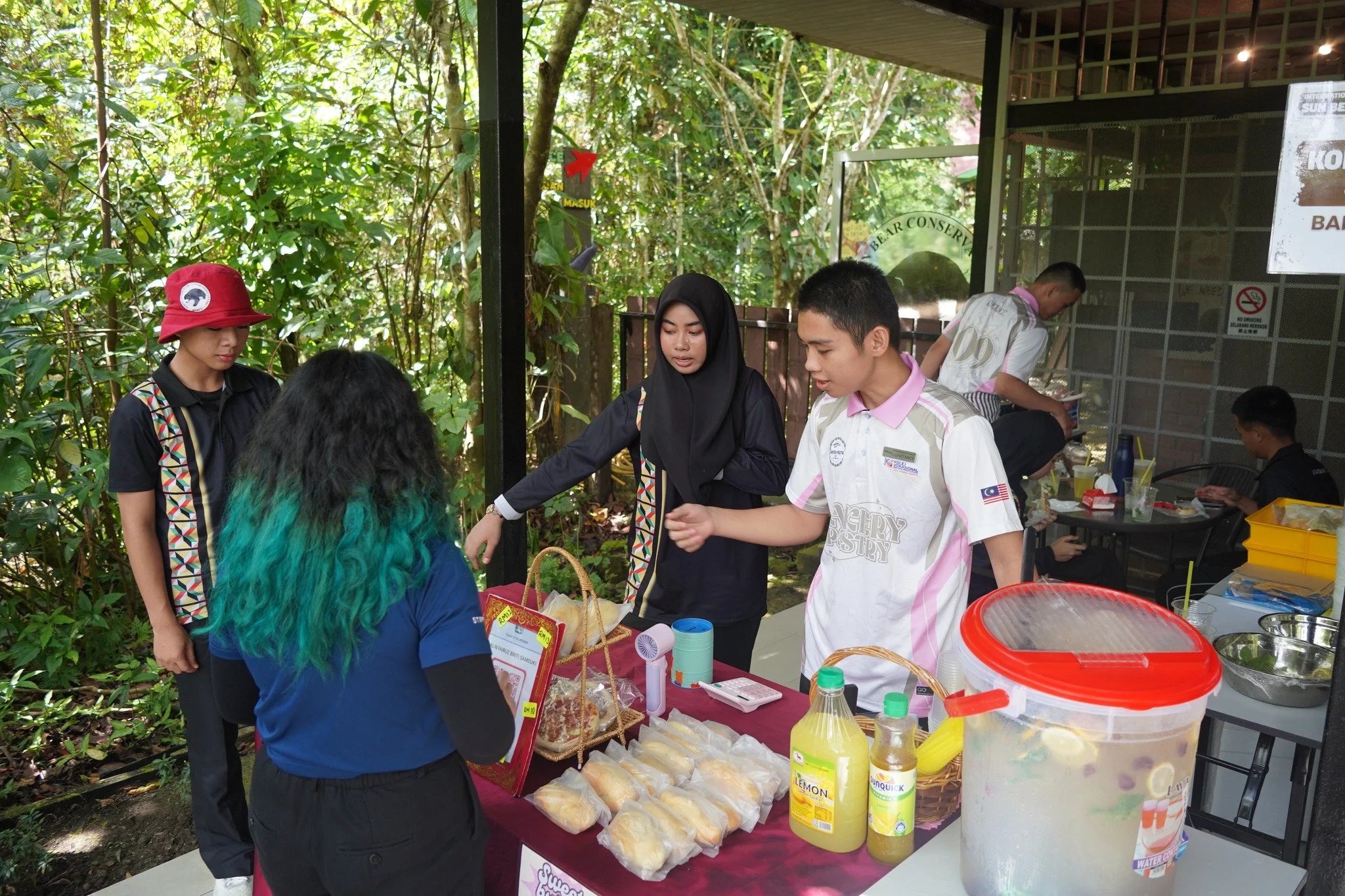
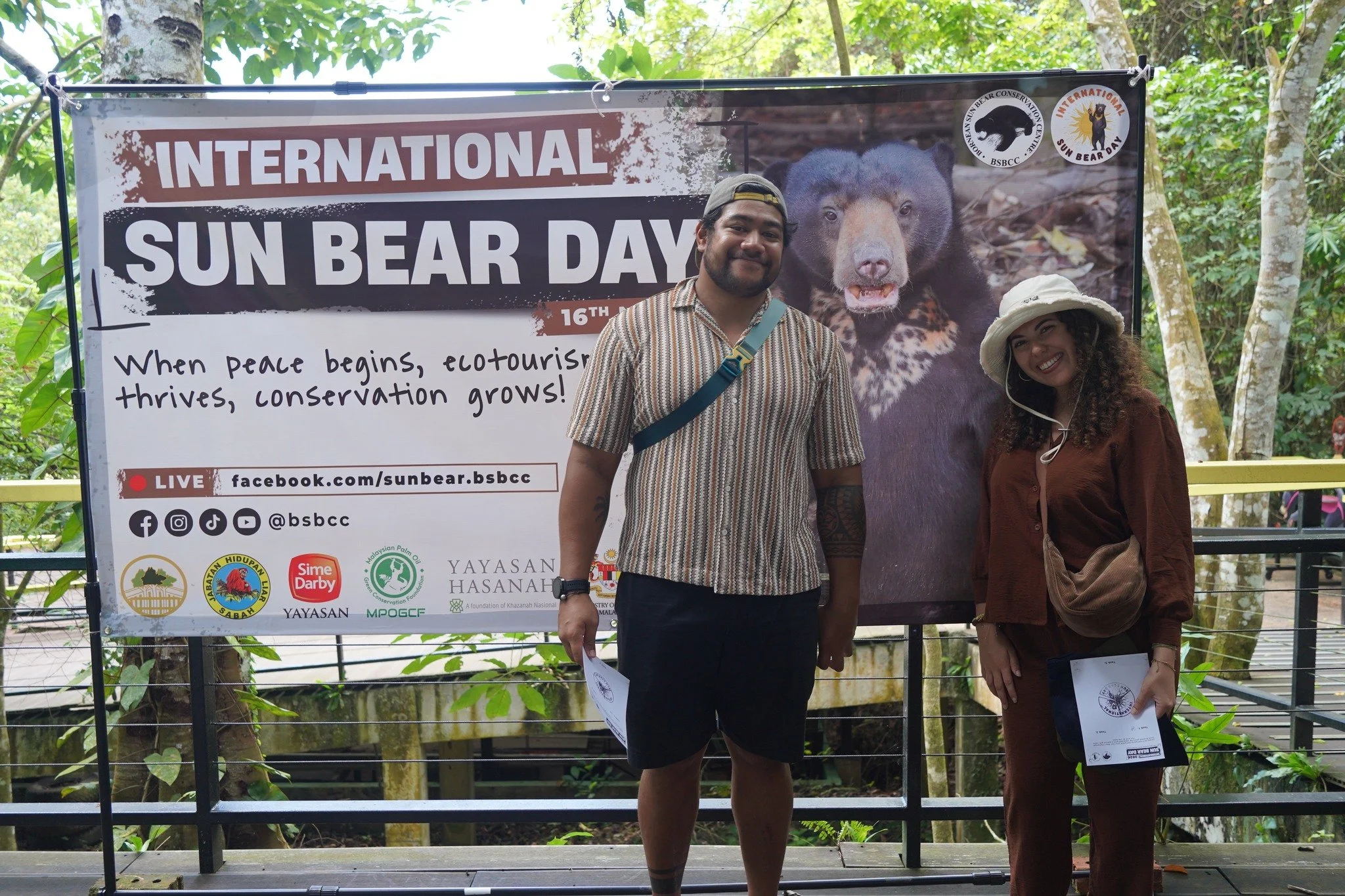
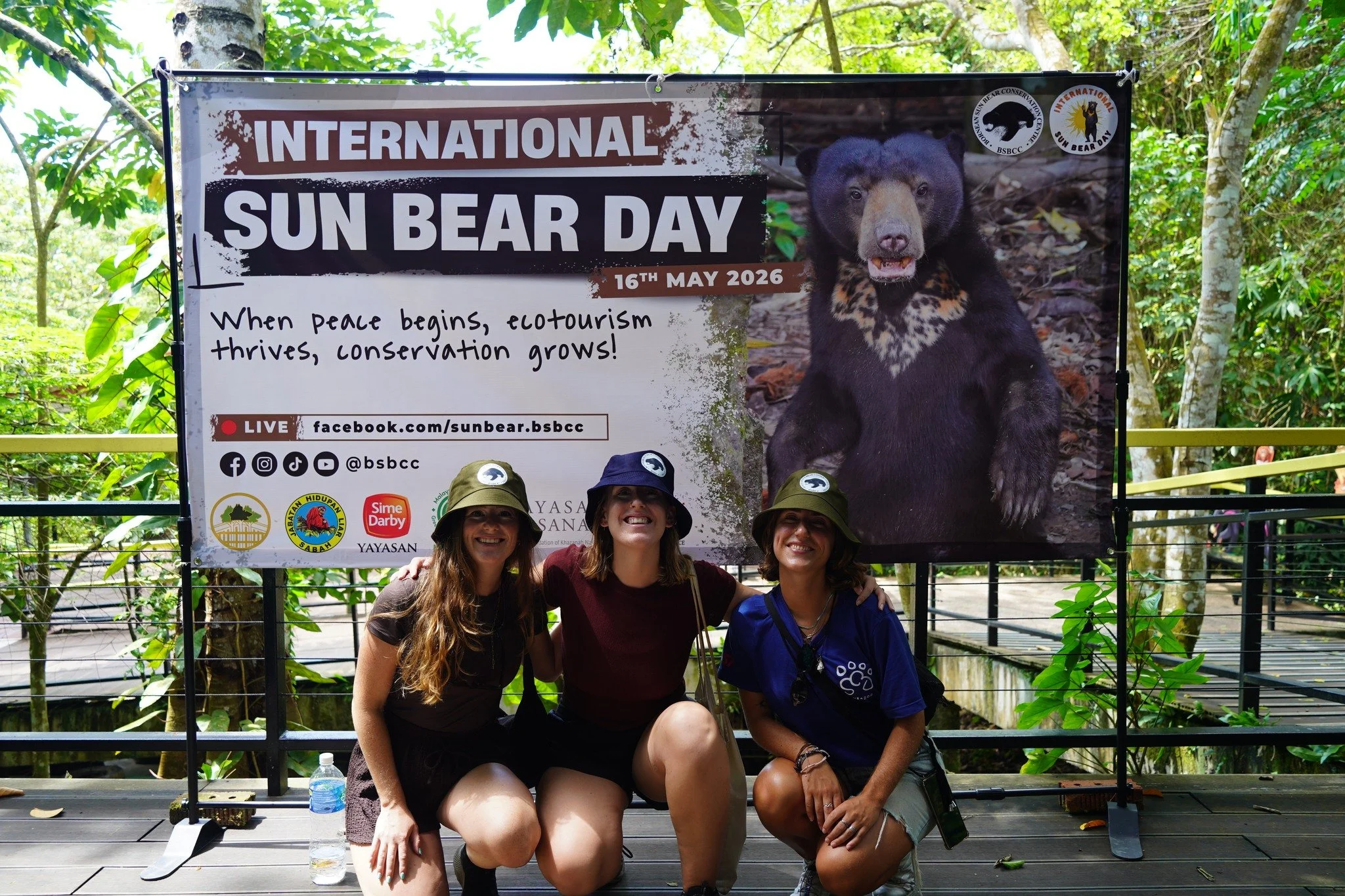
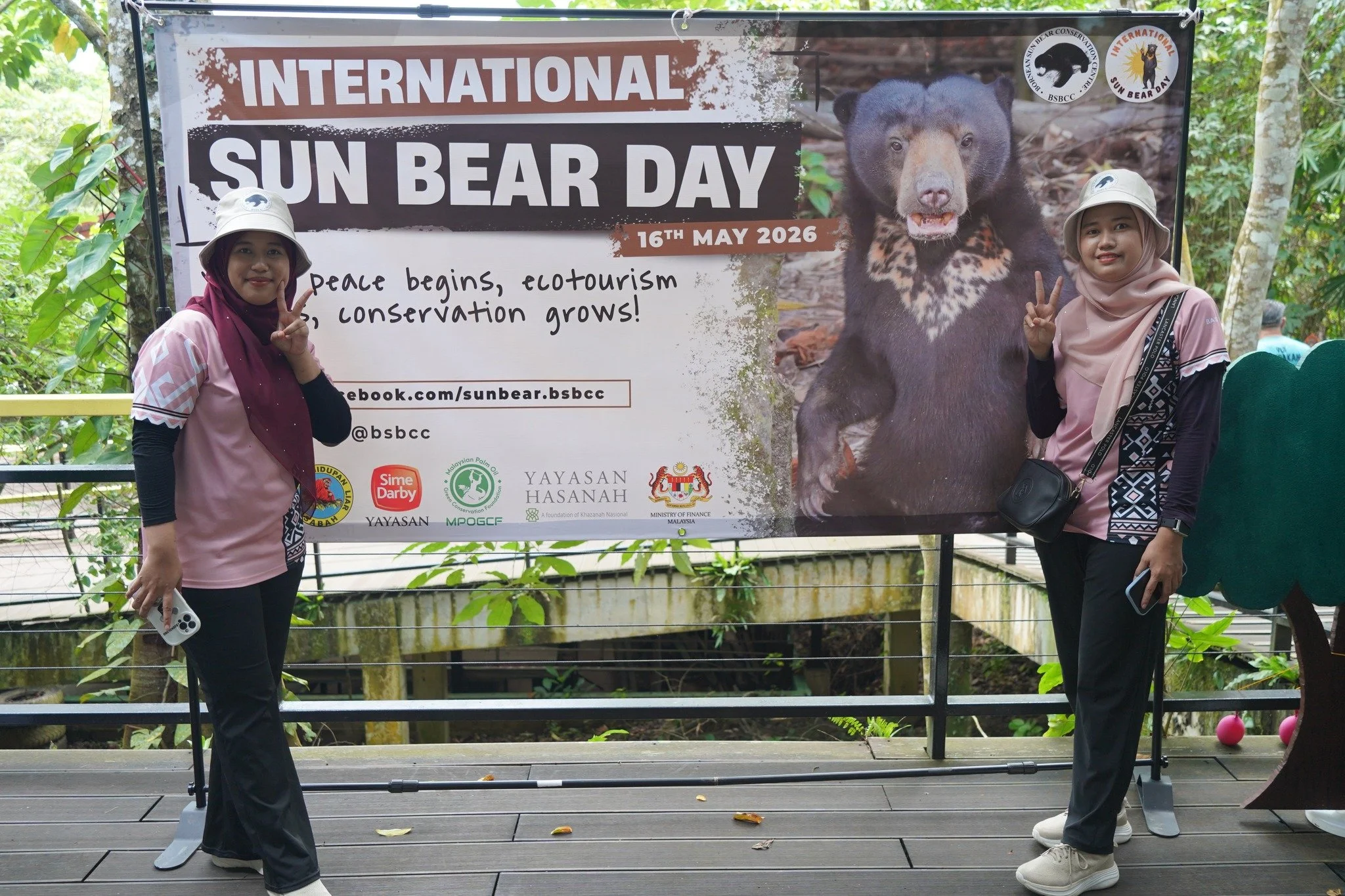
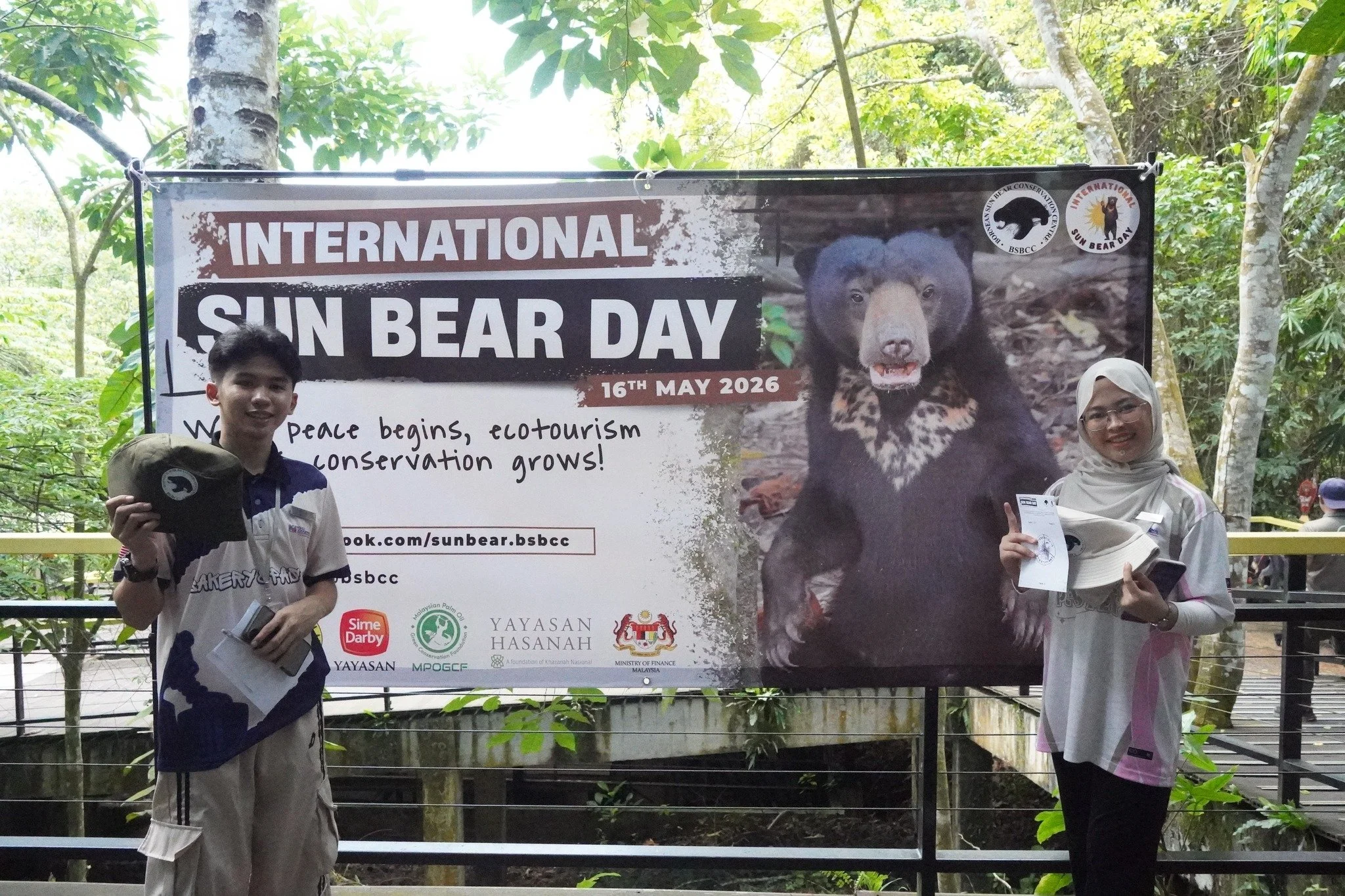
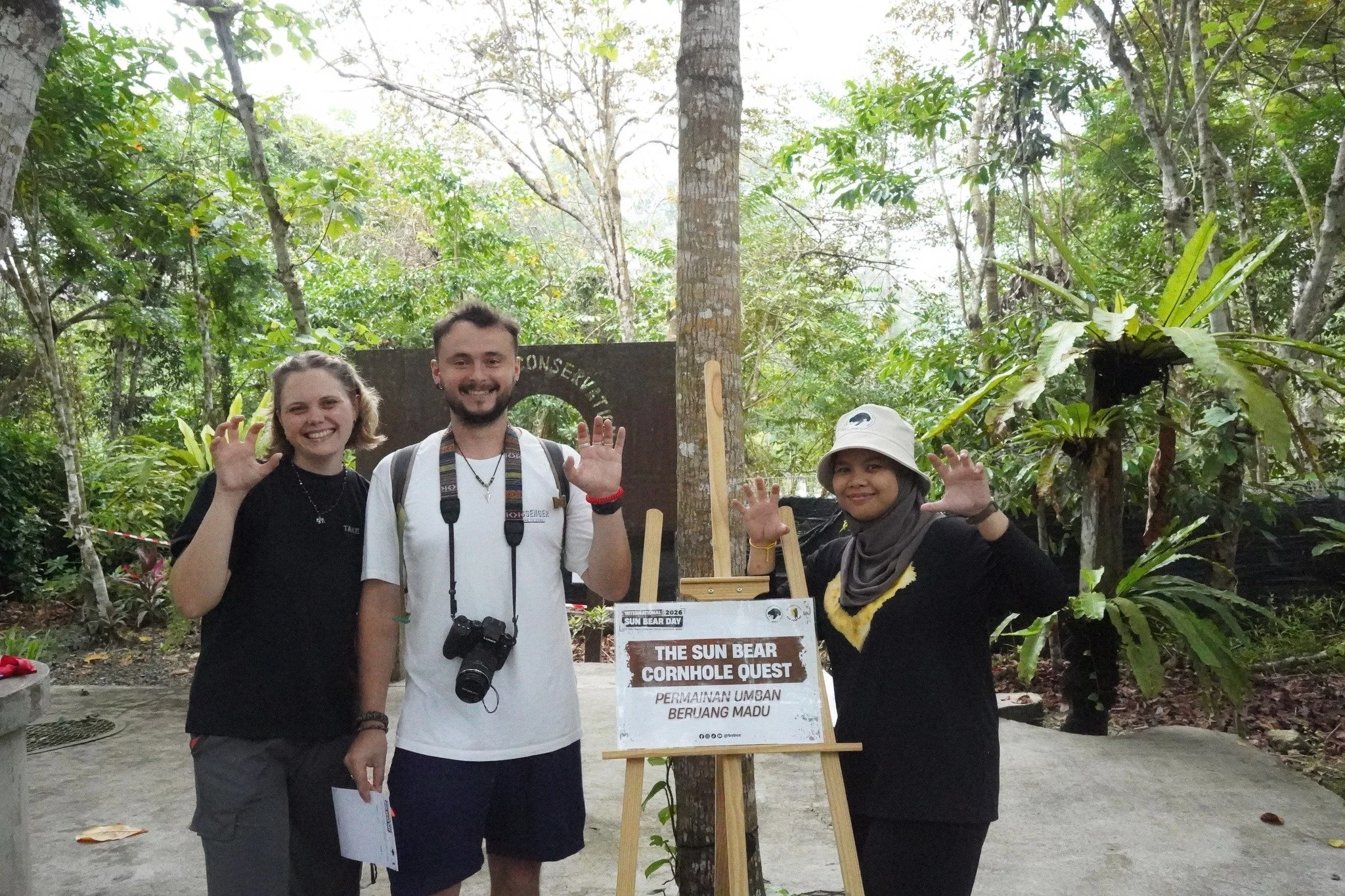
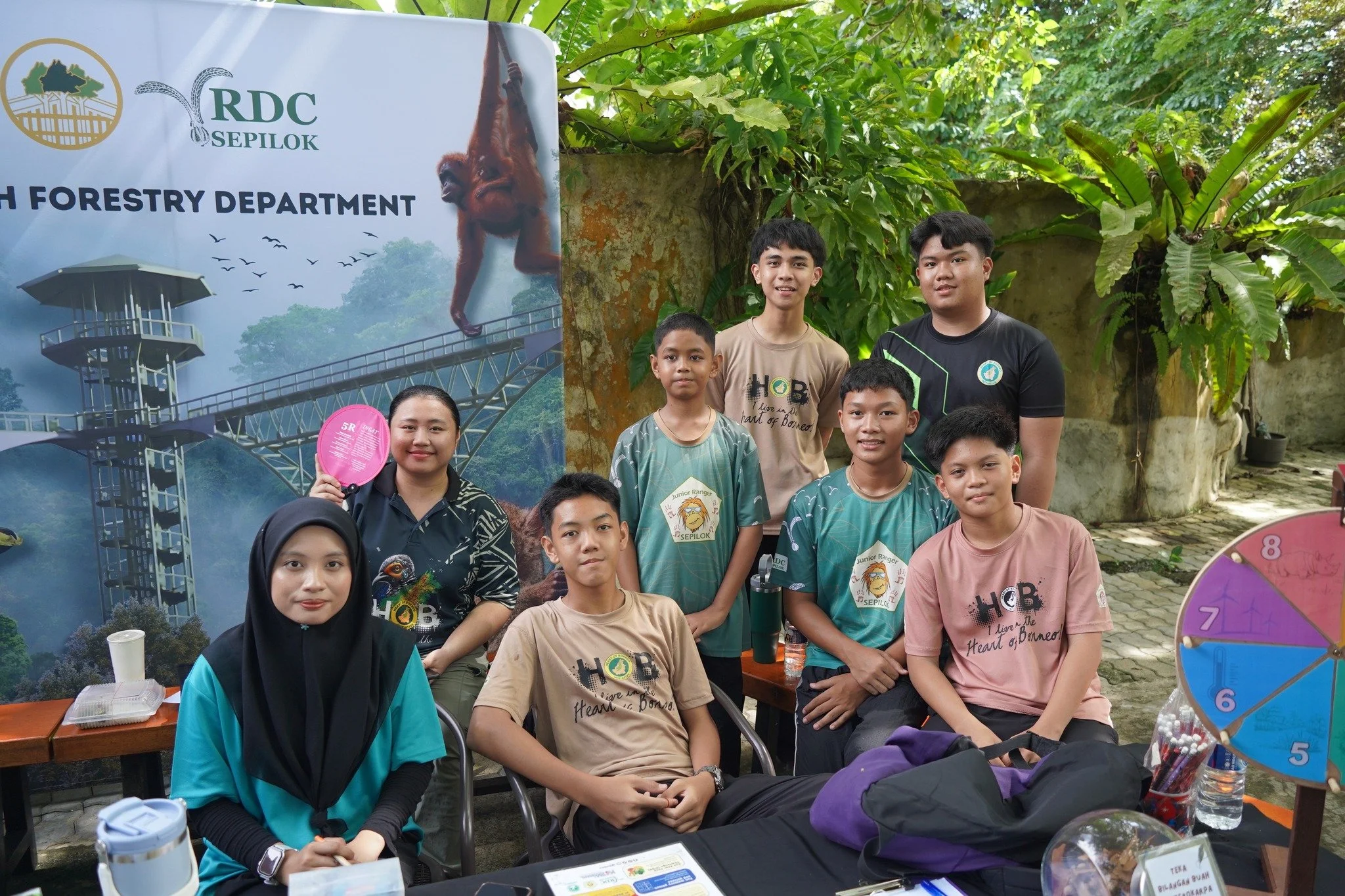
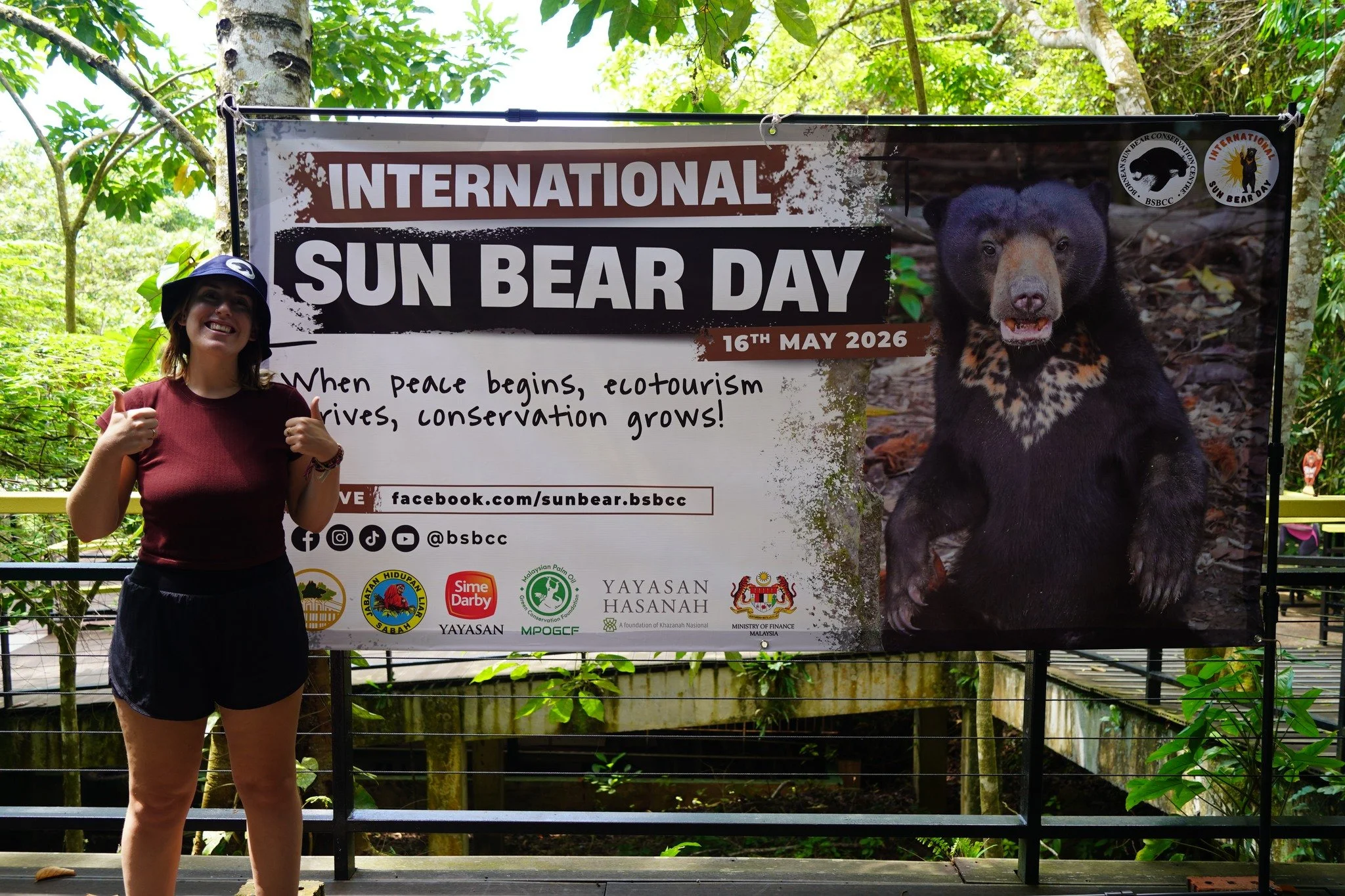
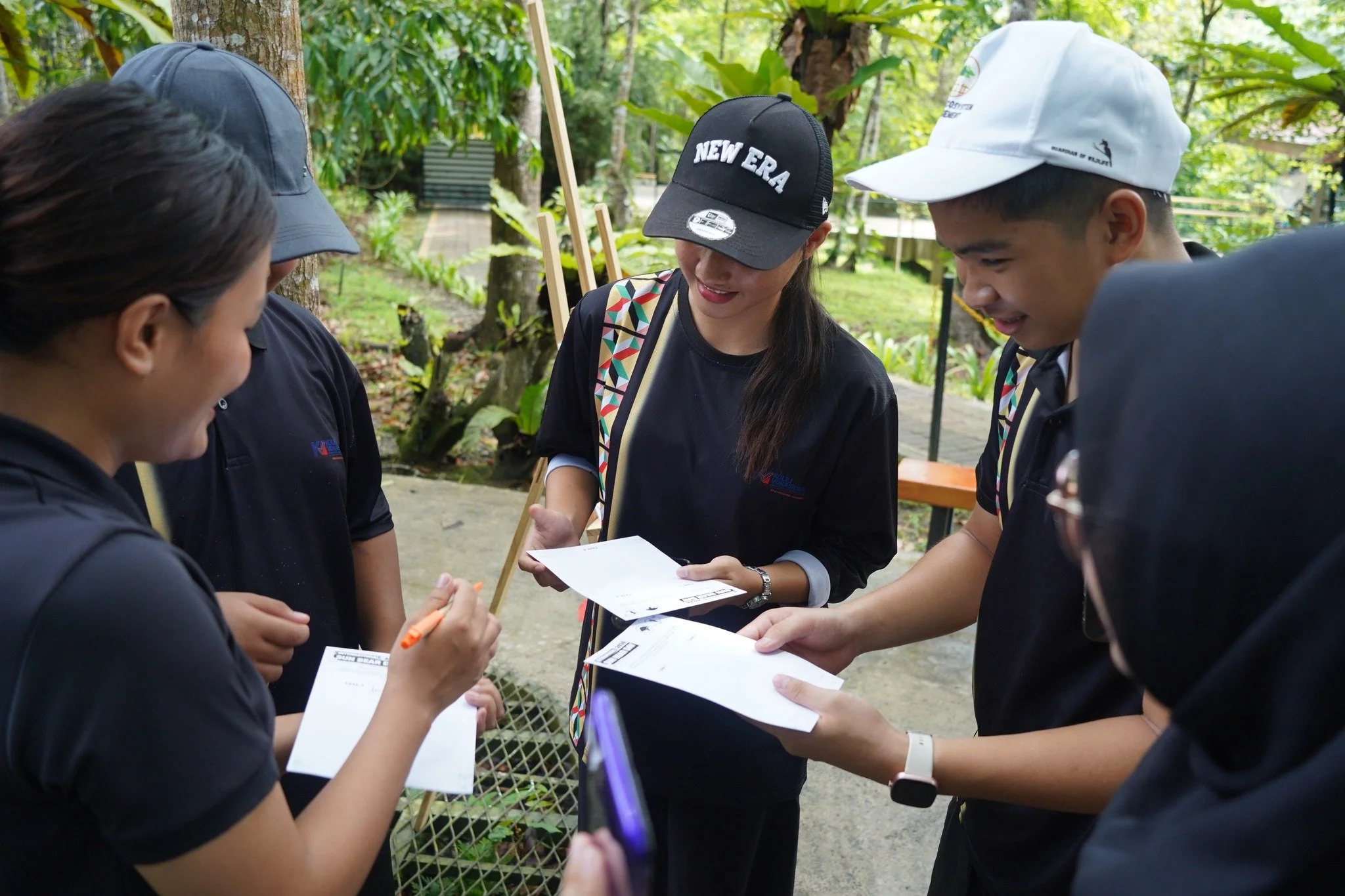
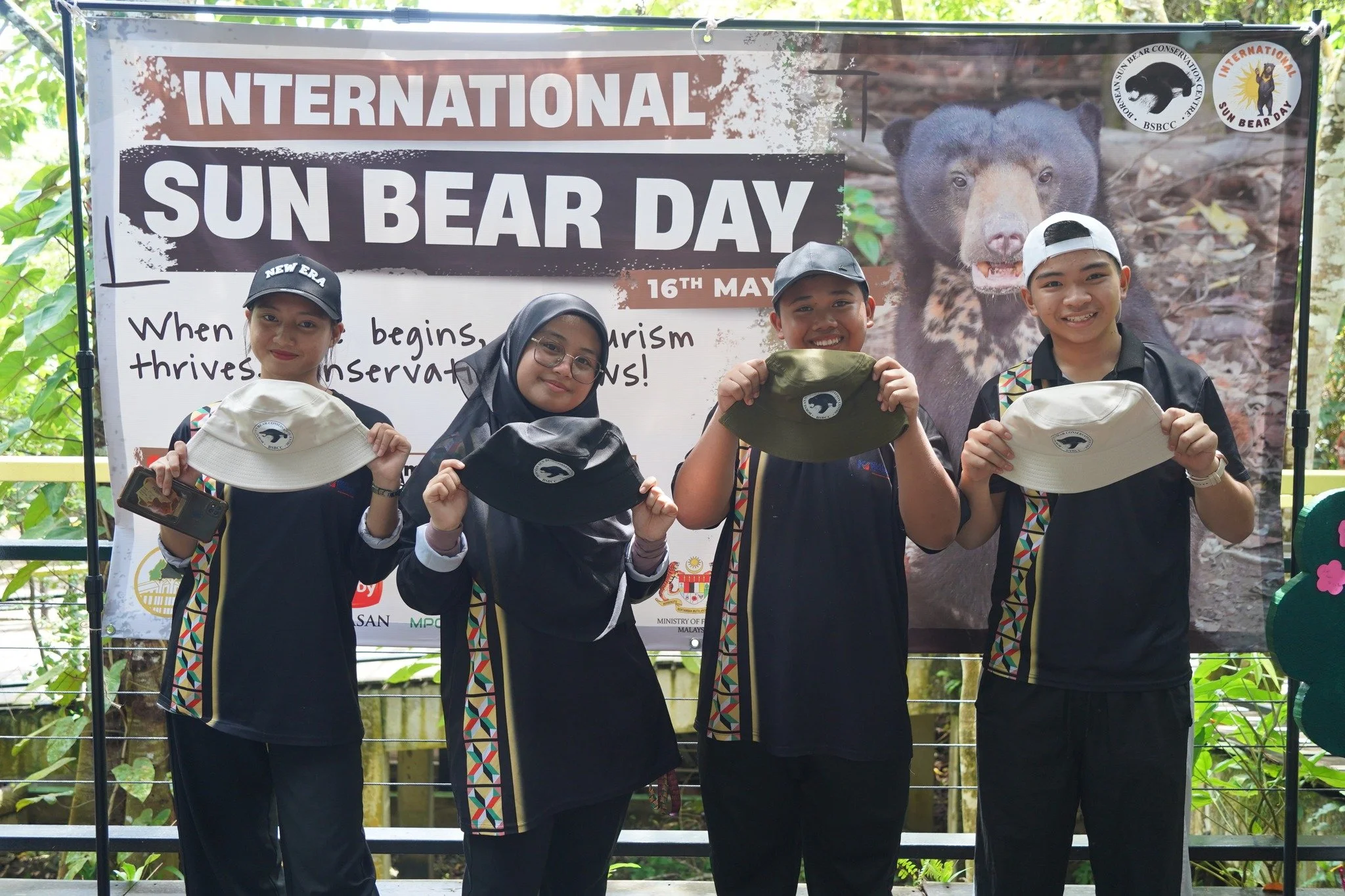
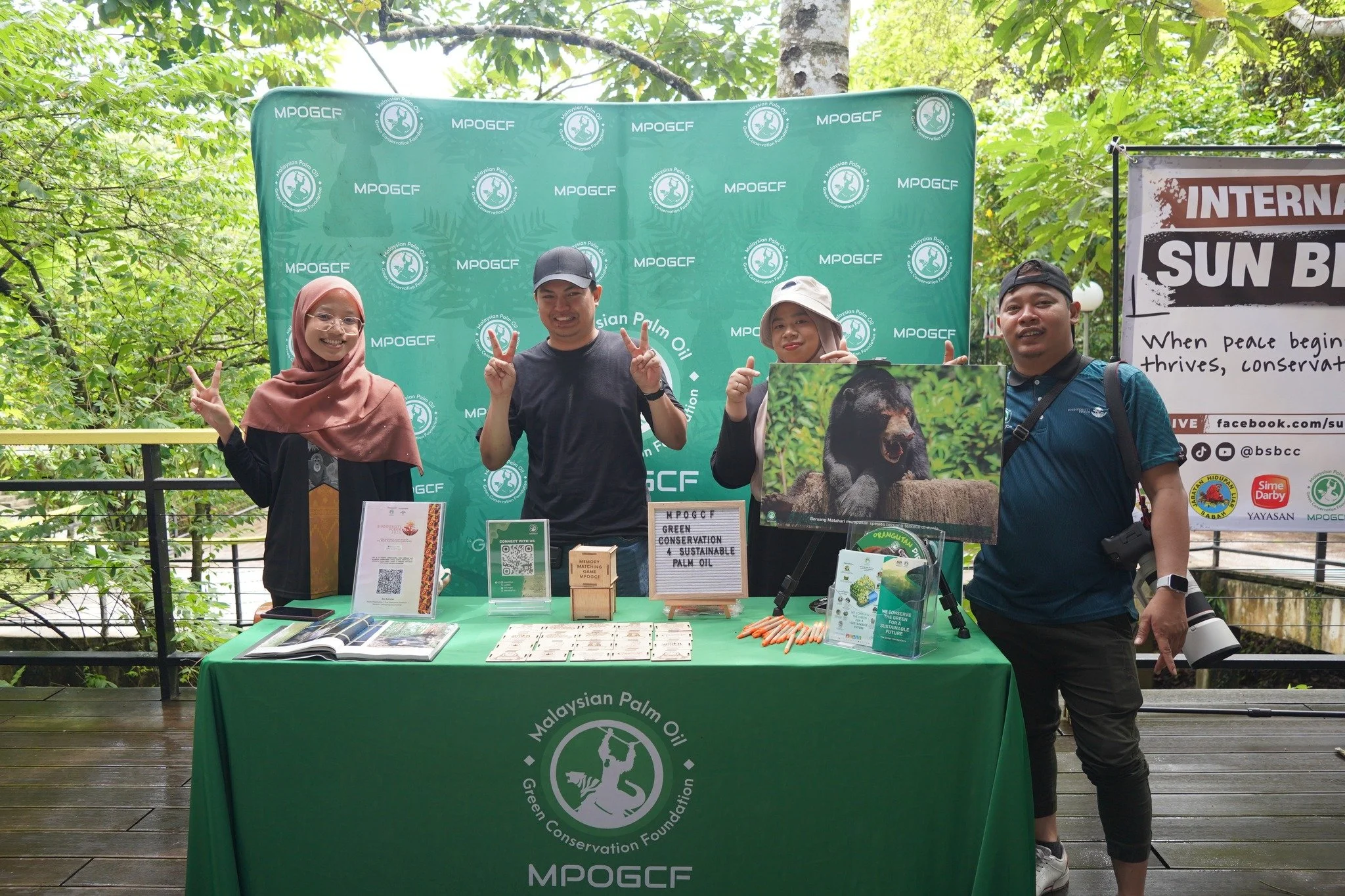
Pre-International Sun Bear Day 2026 (11 & 12 May 2026)
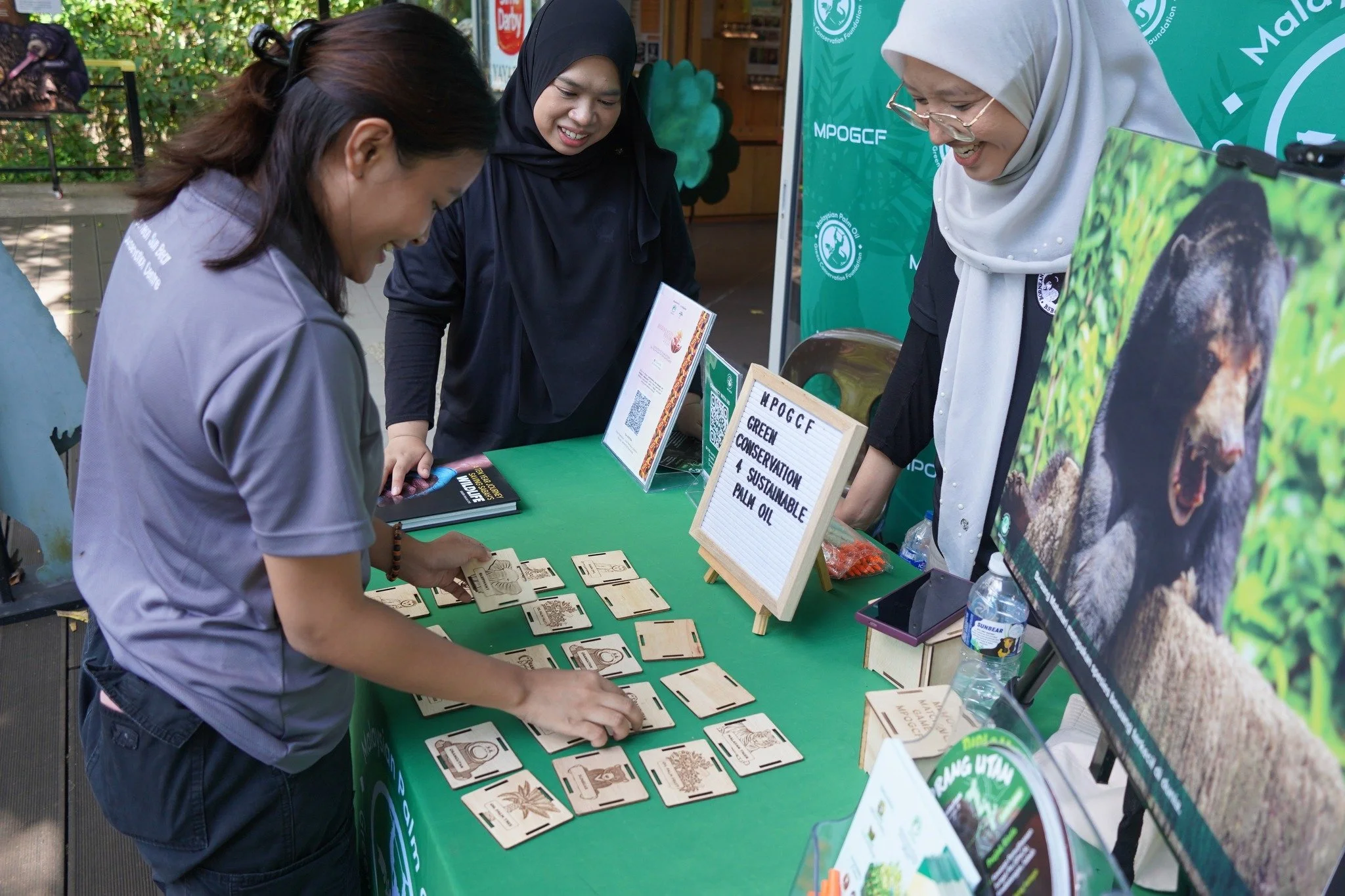
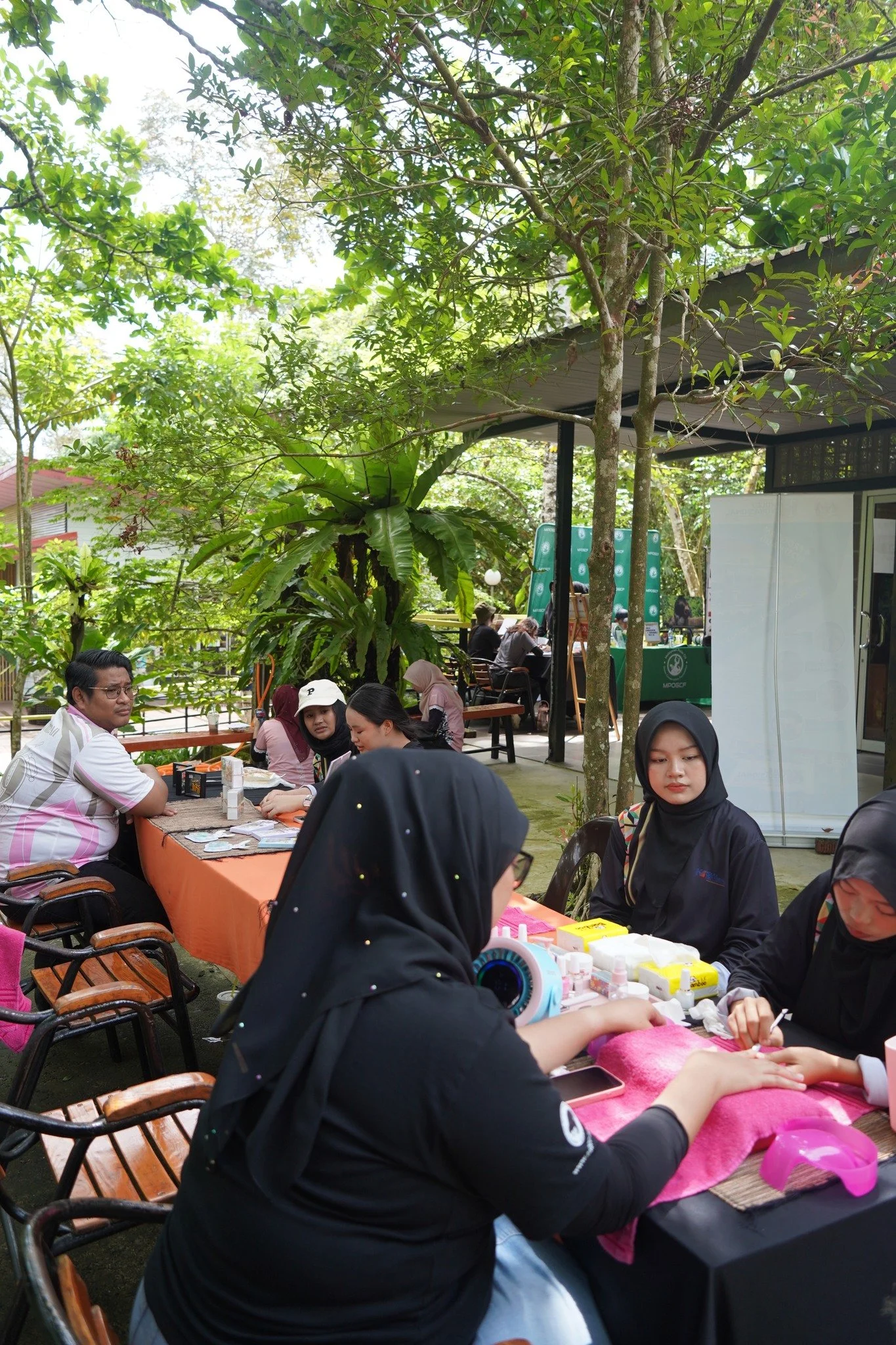
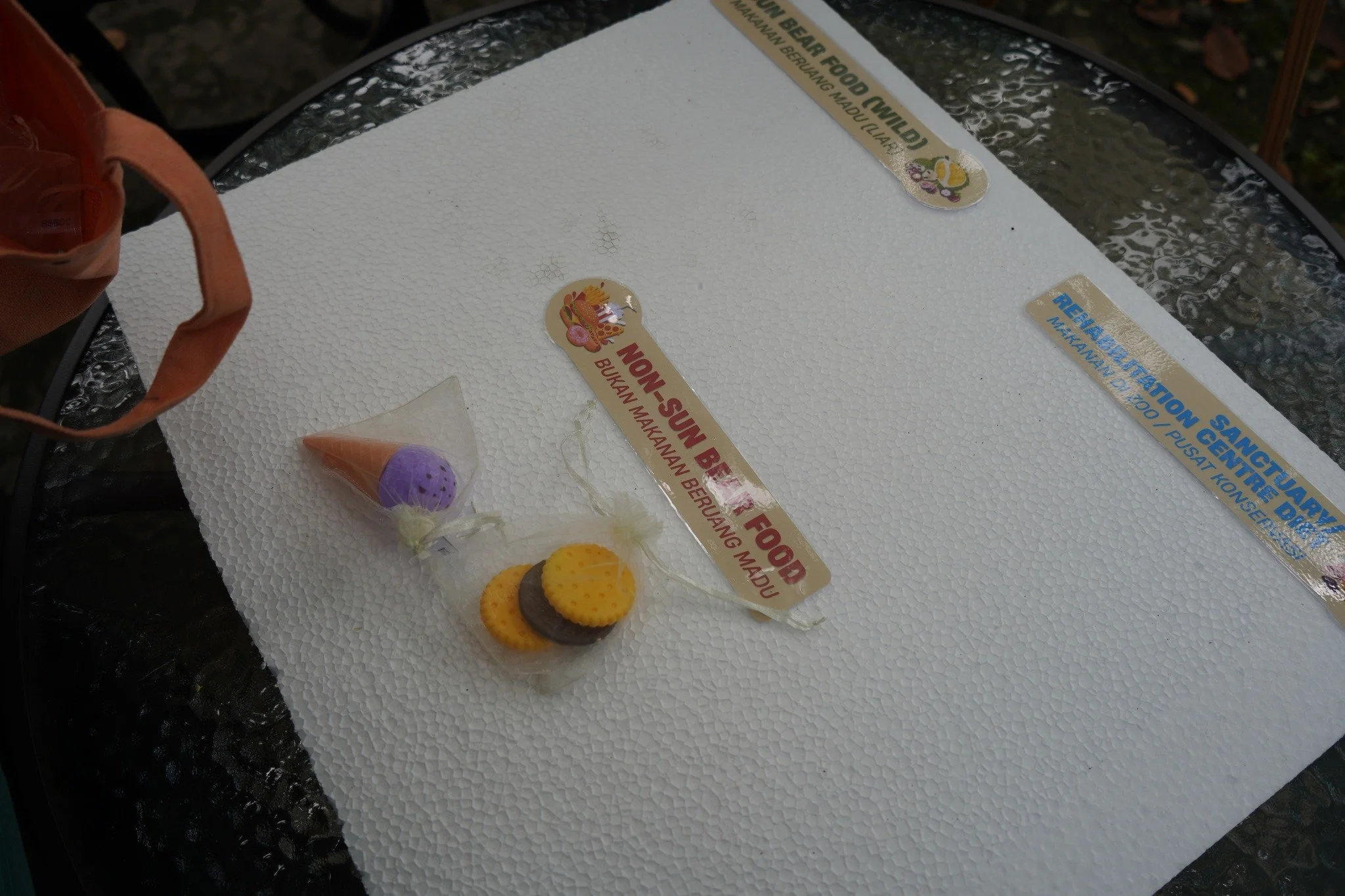
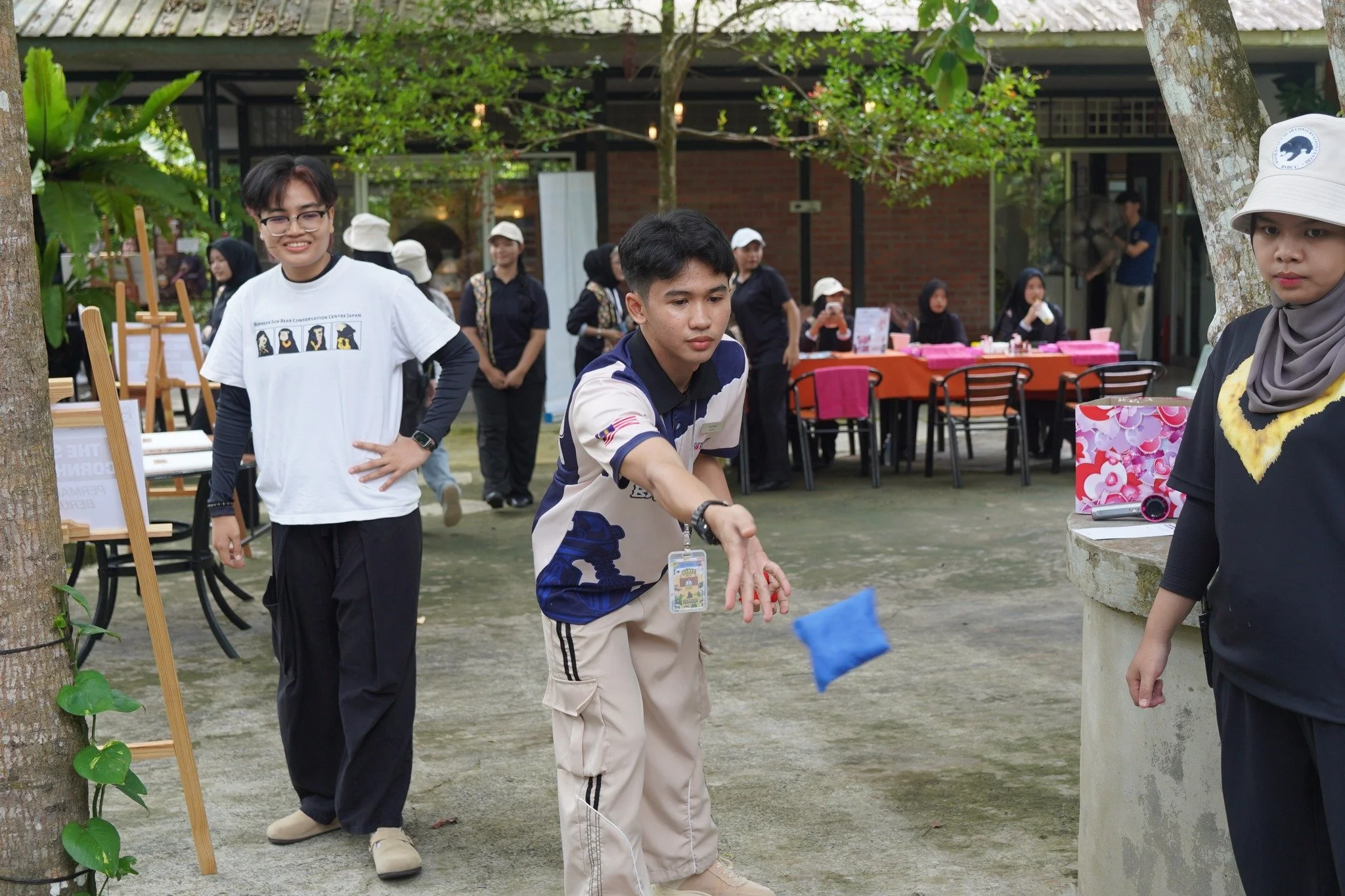
Thank you to everyone who joined and supported us on our Pre-International Sun Bear Day 2026. We hope you all learned something about the sun bears, and had a lot of fun with us!
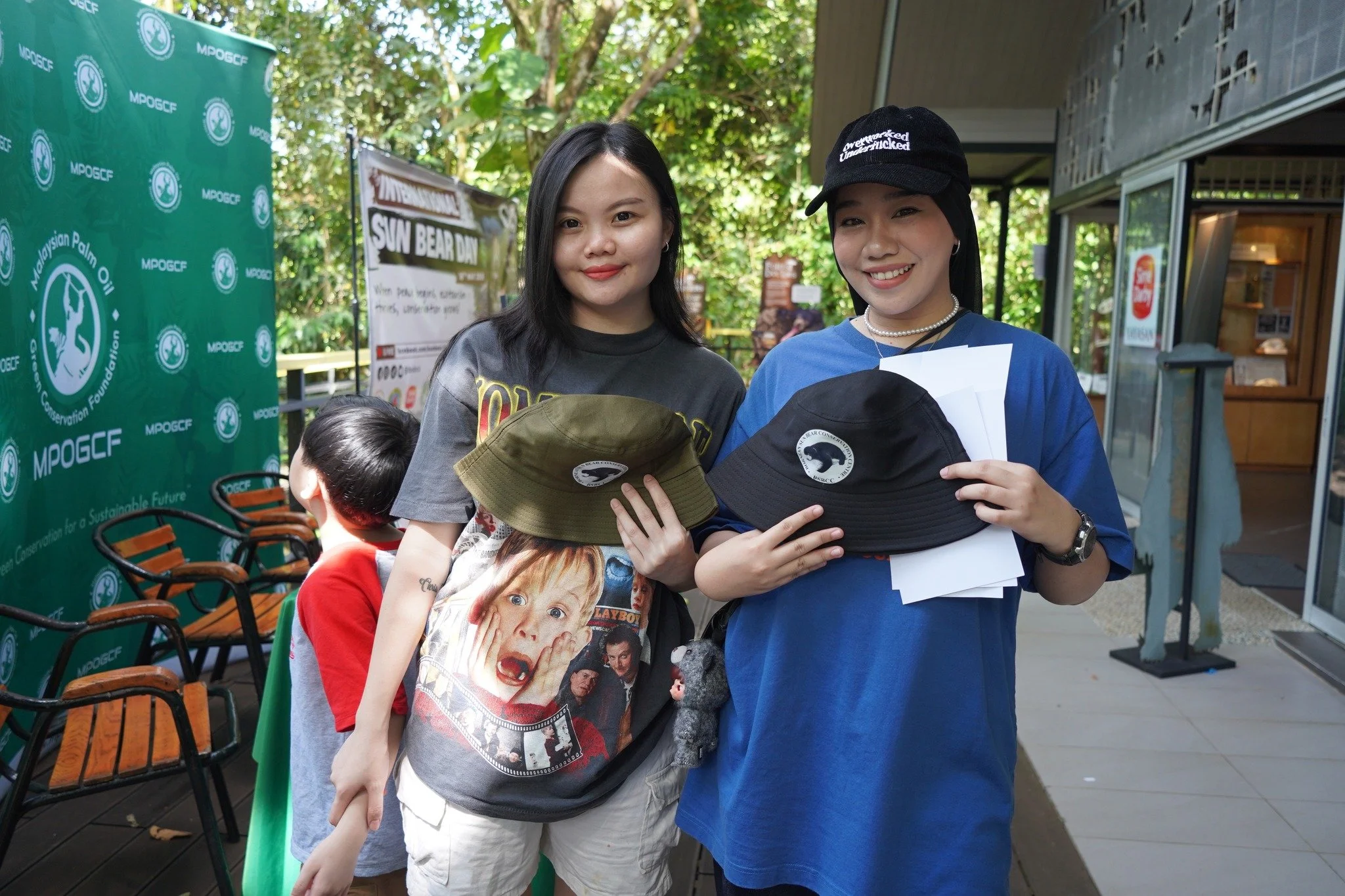
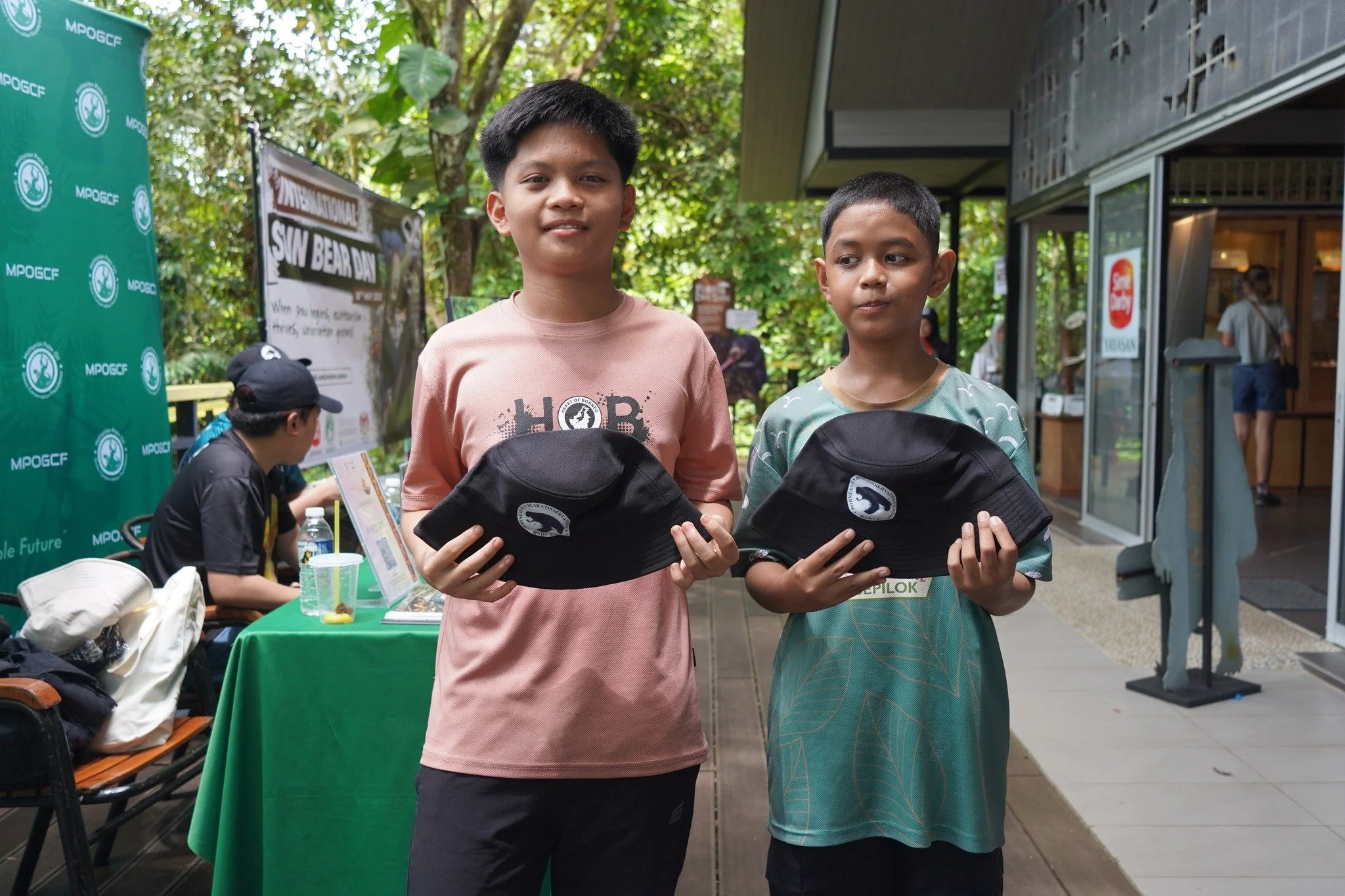
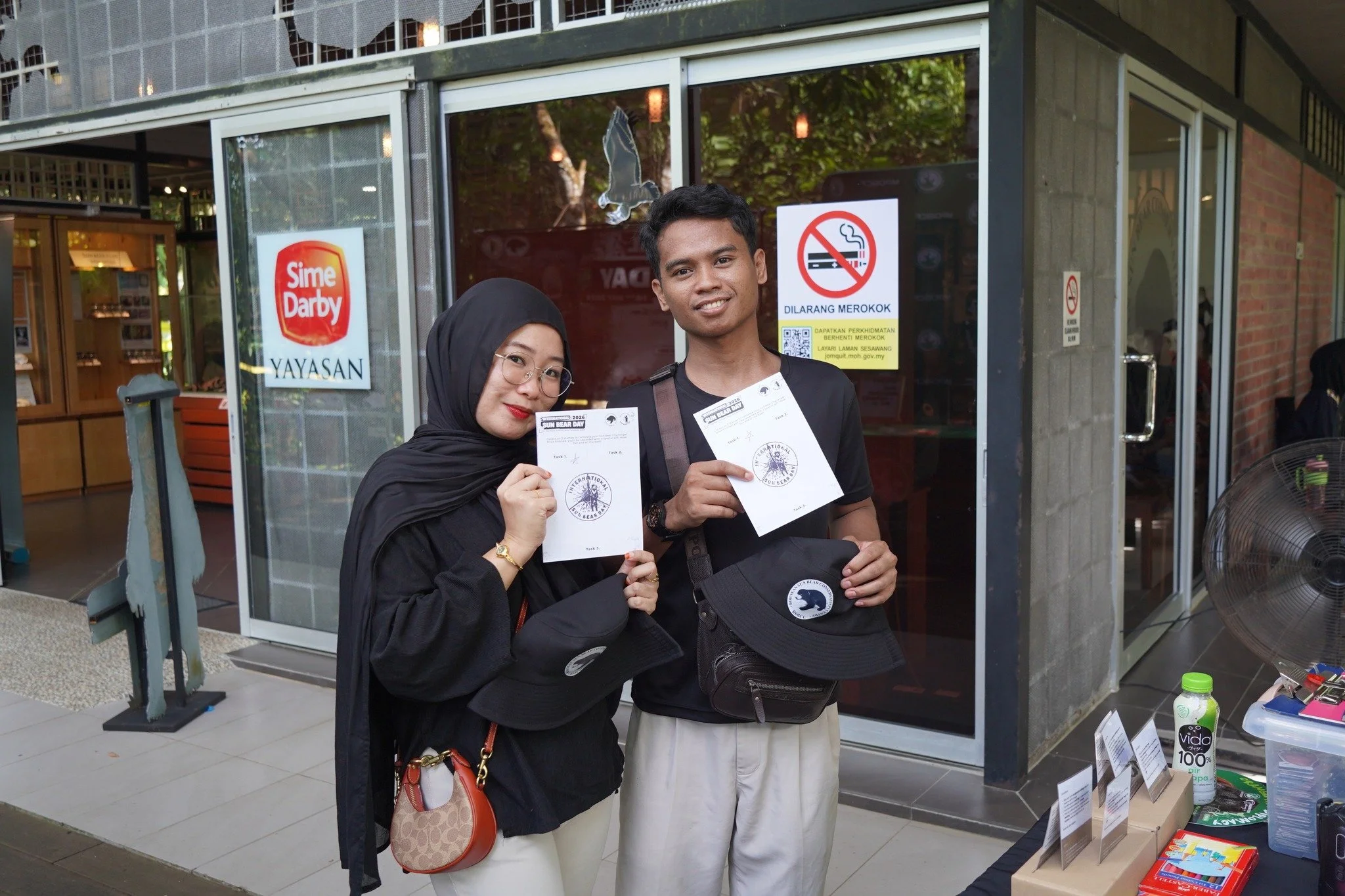
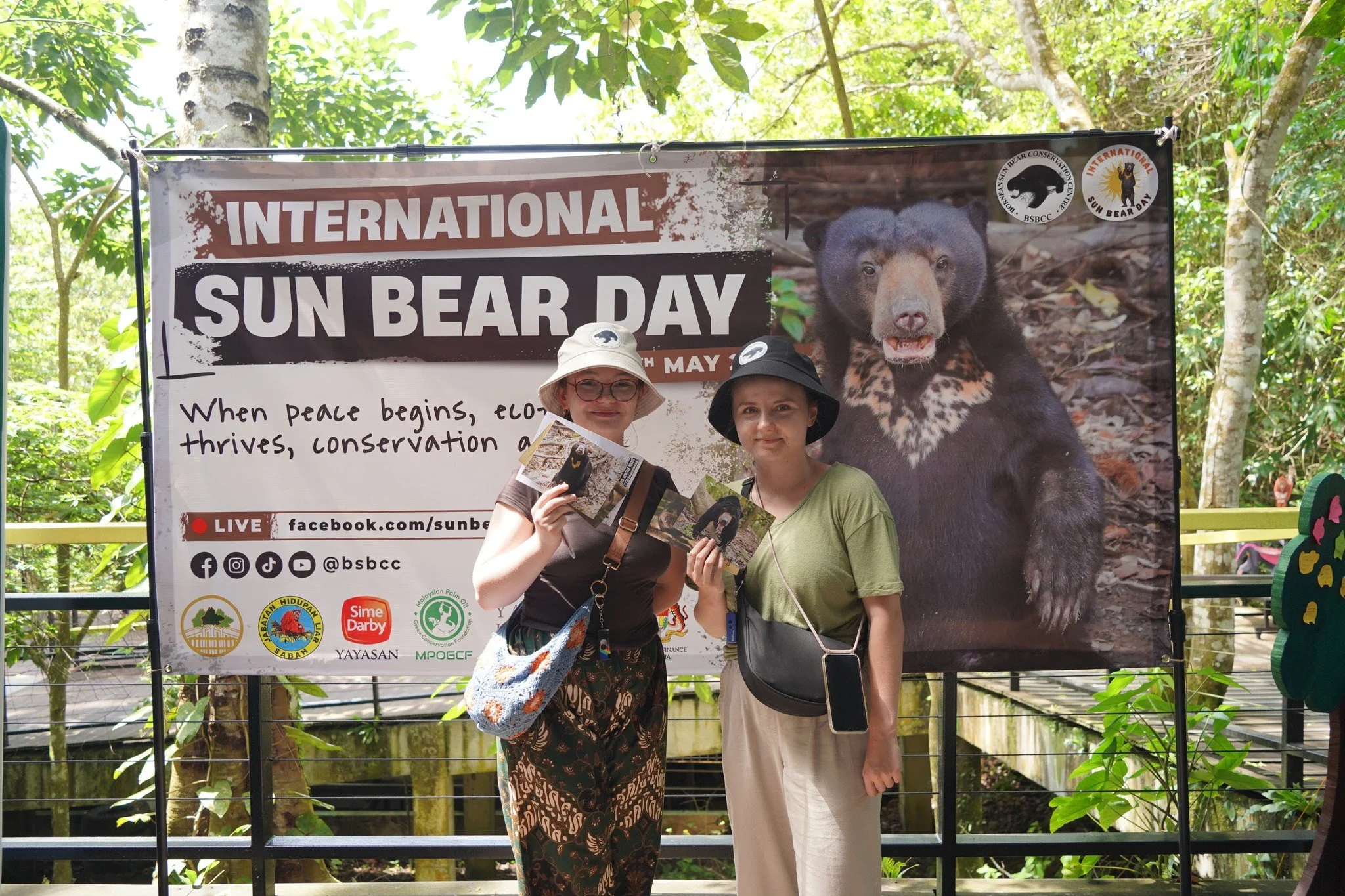

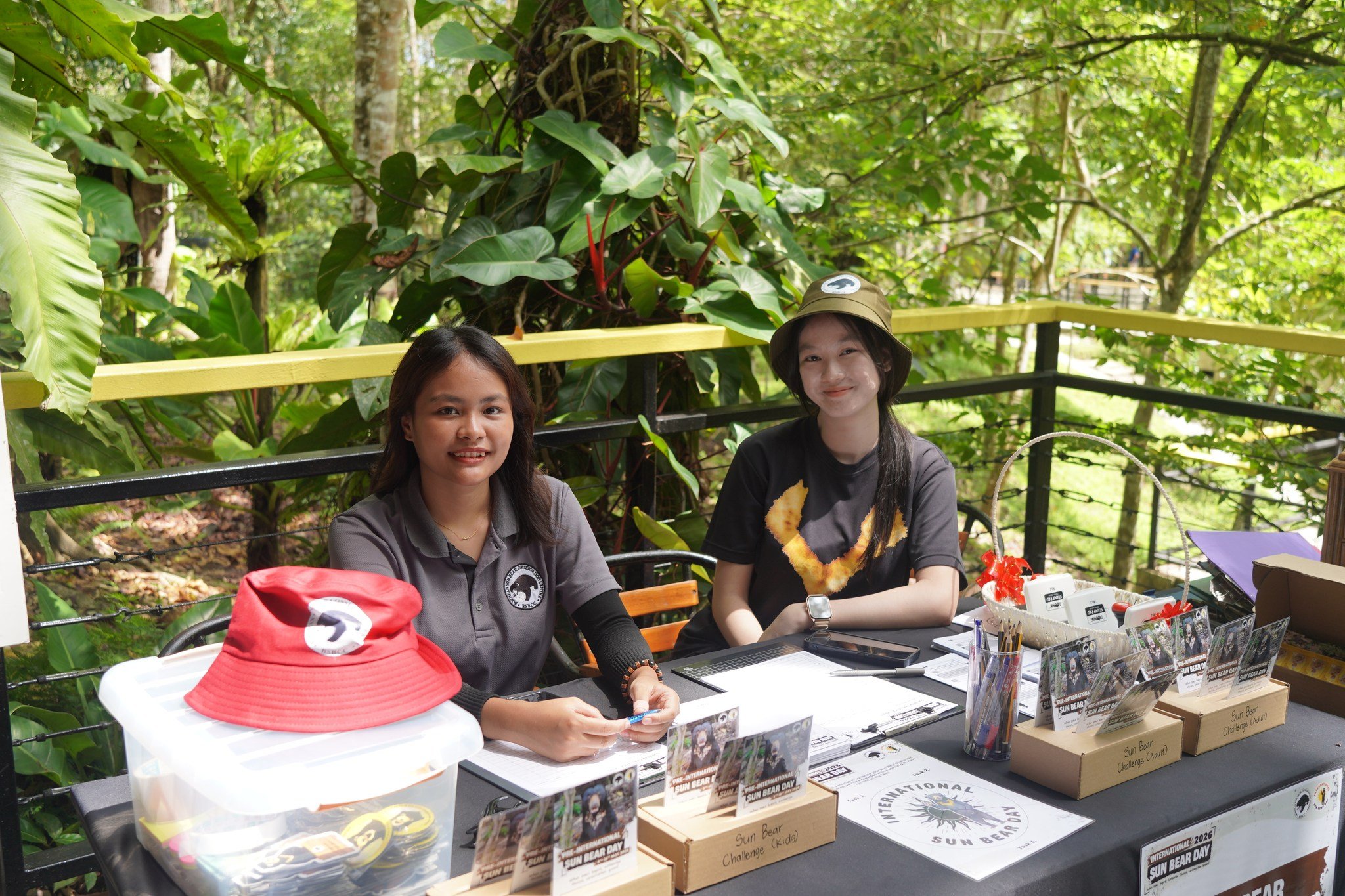
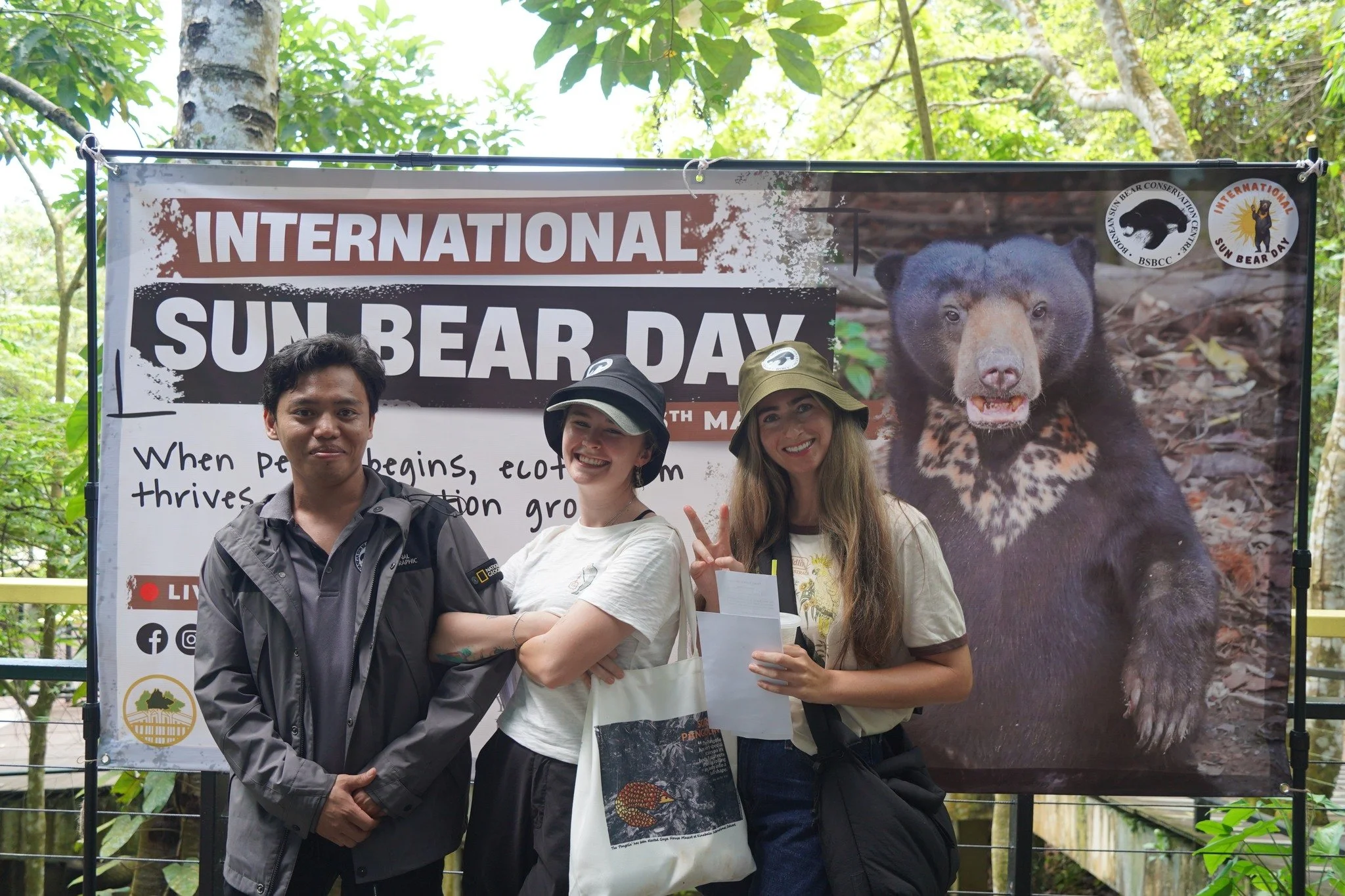
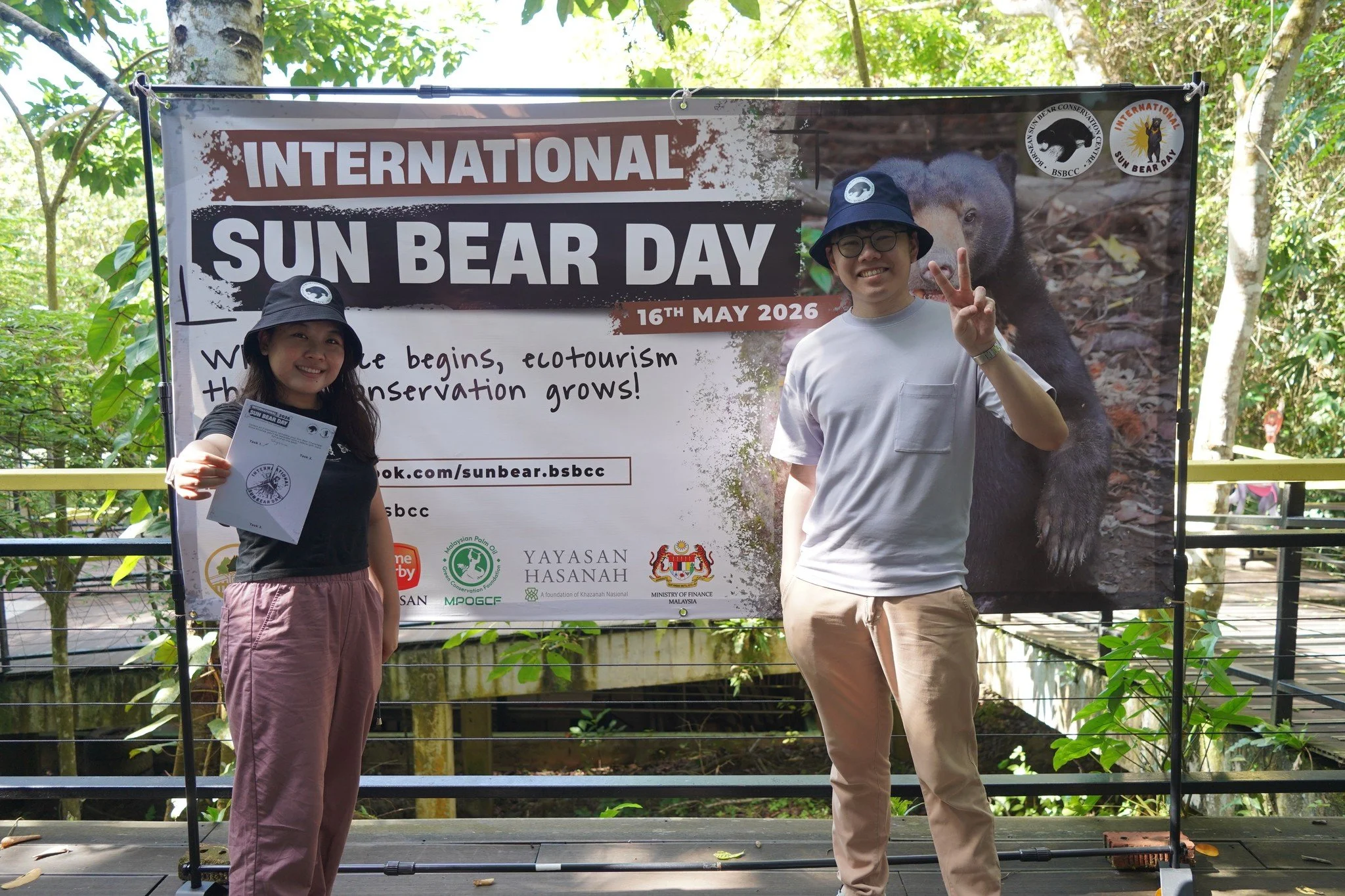
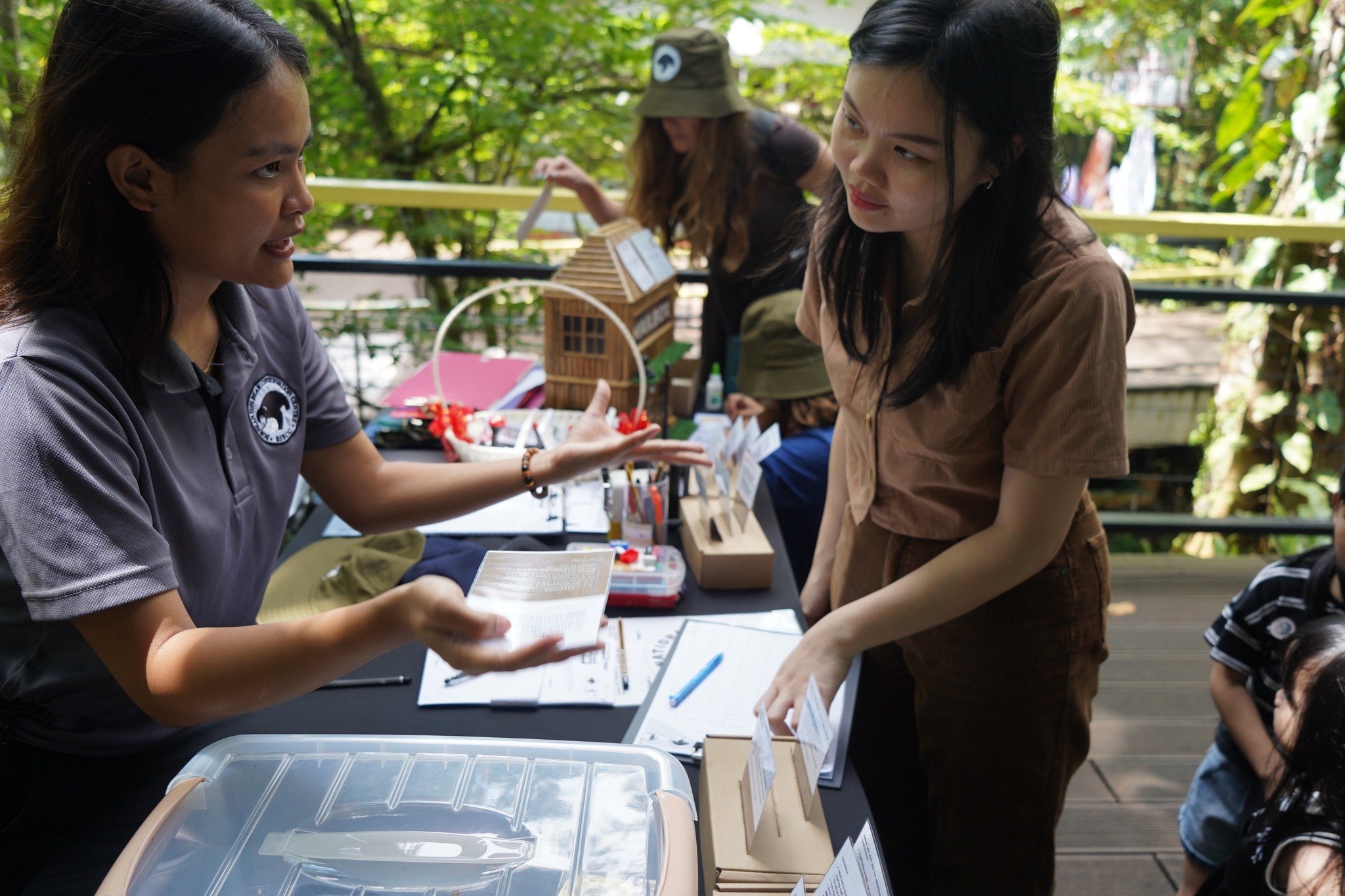
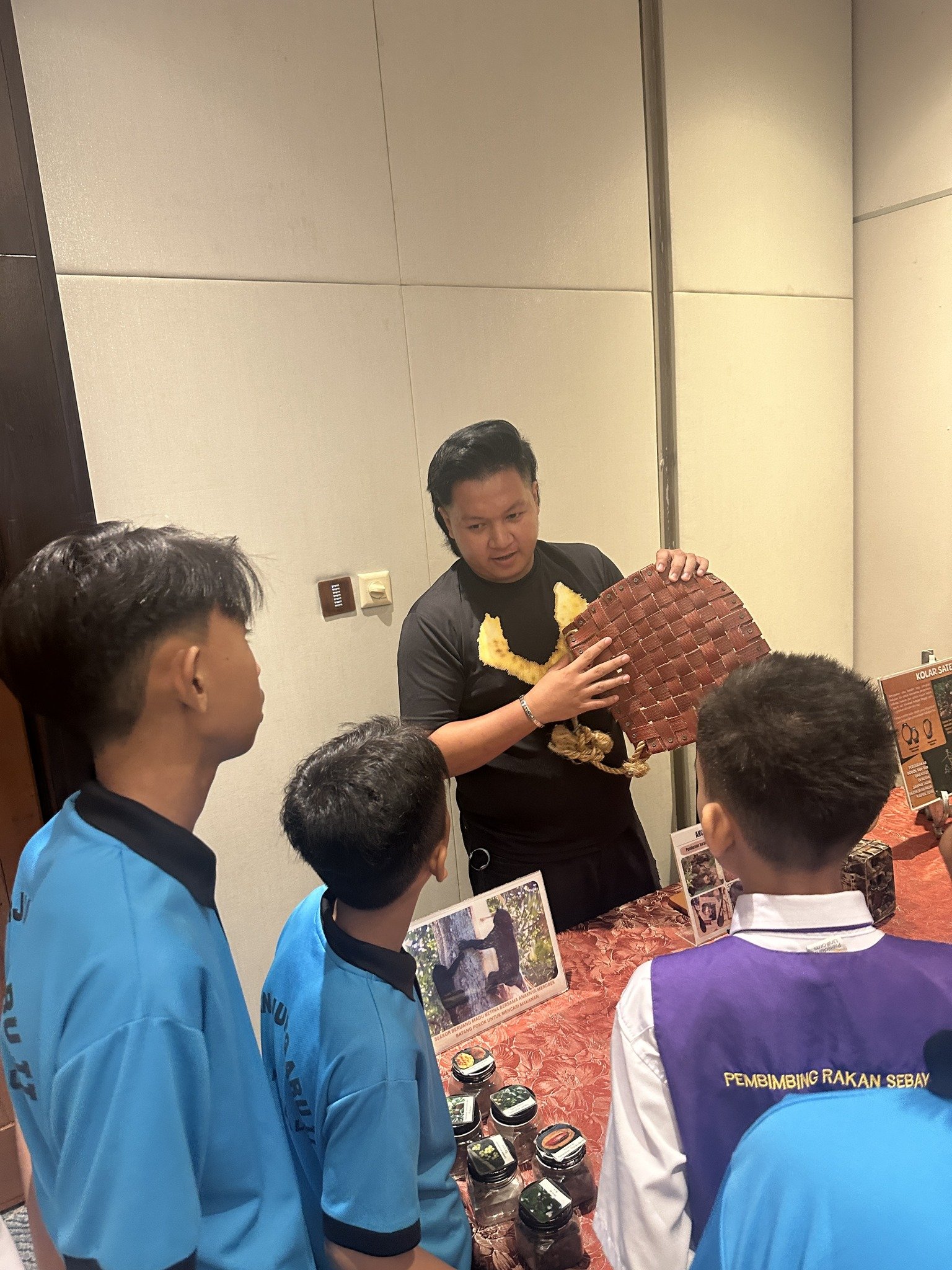
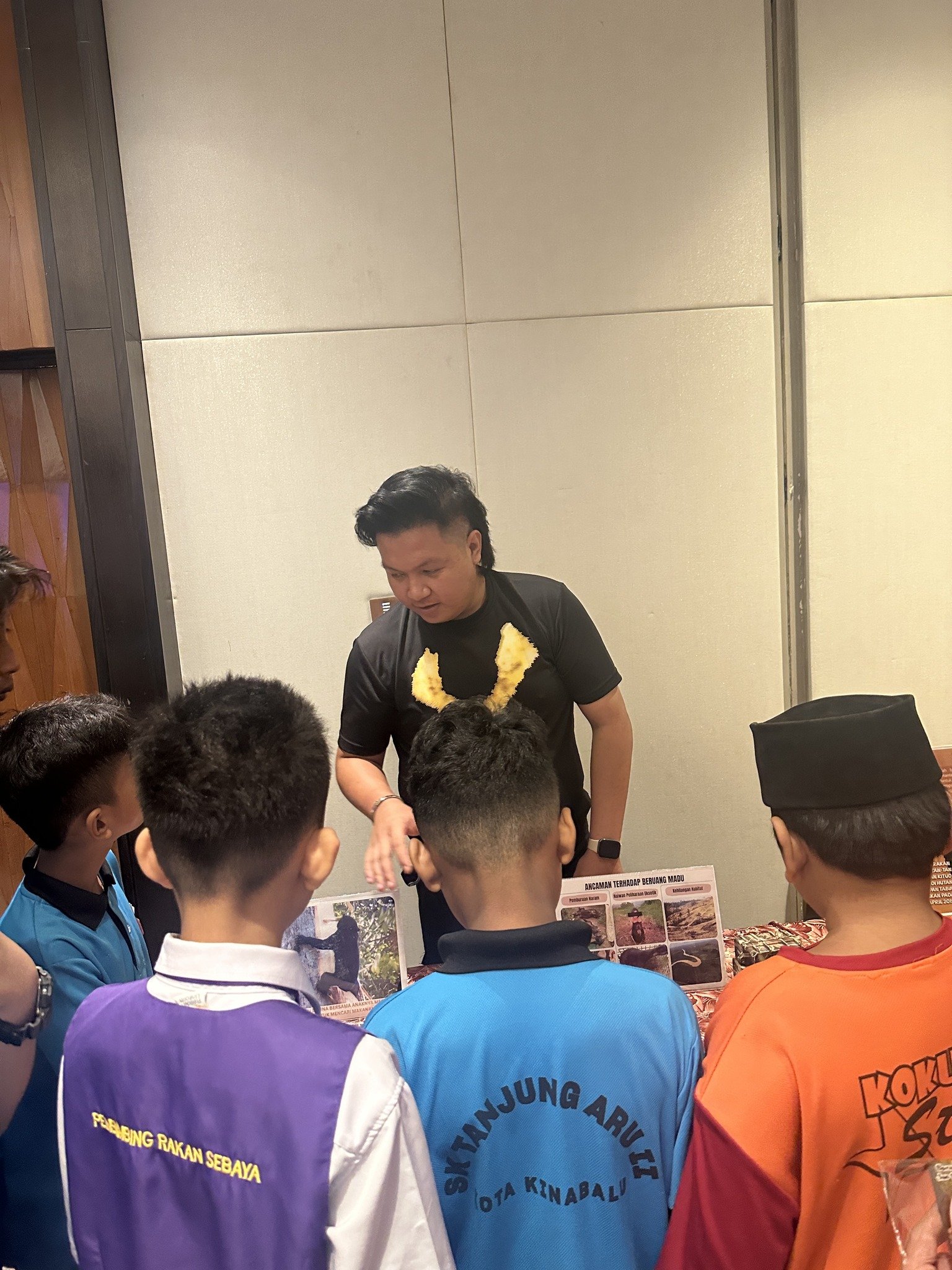
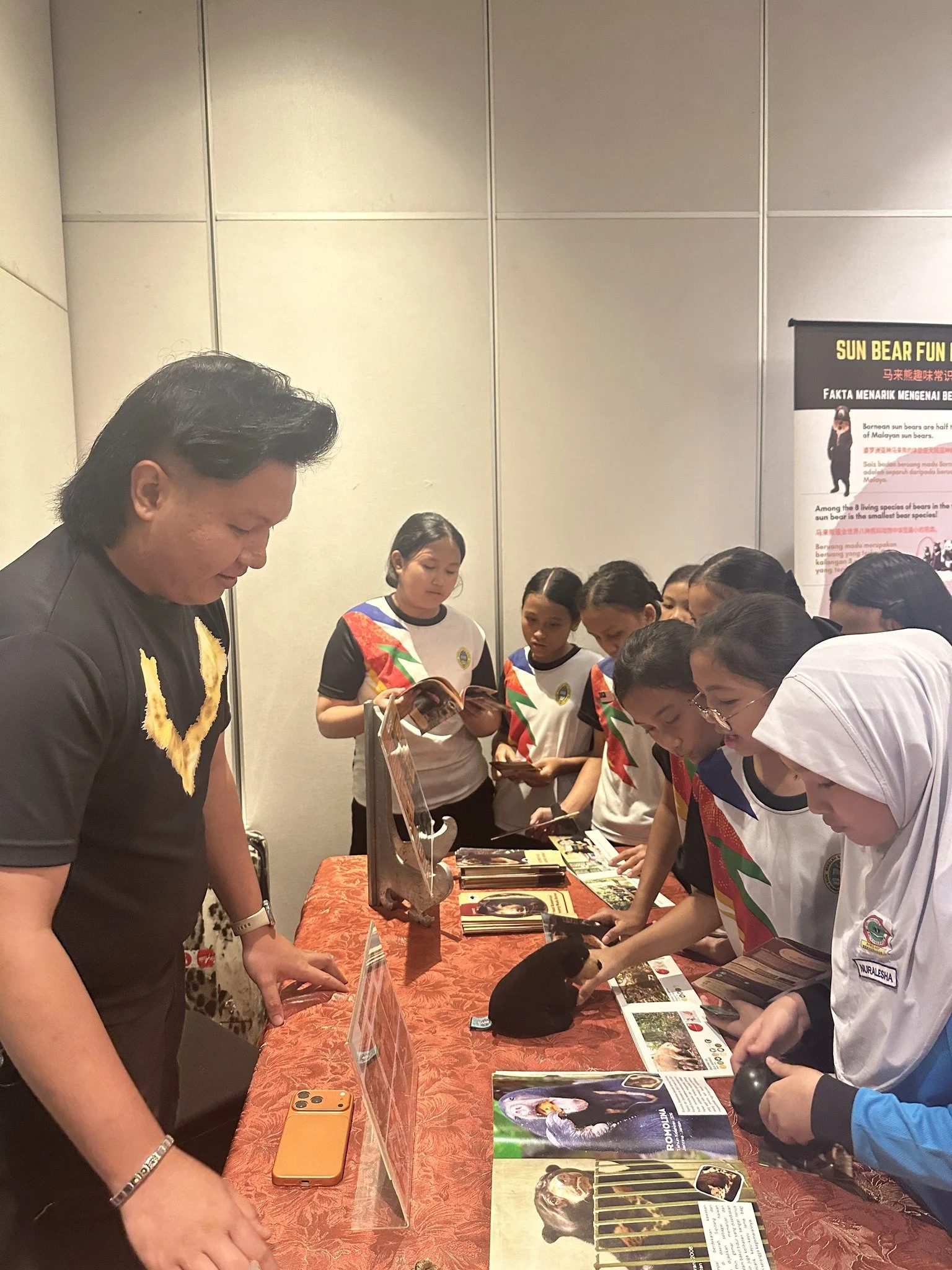
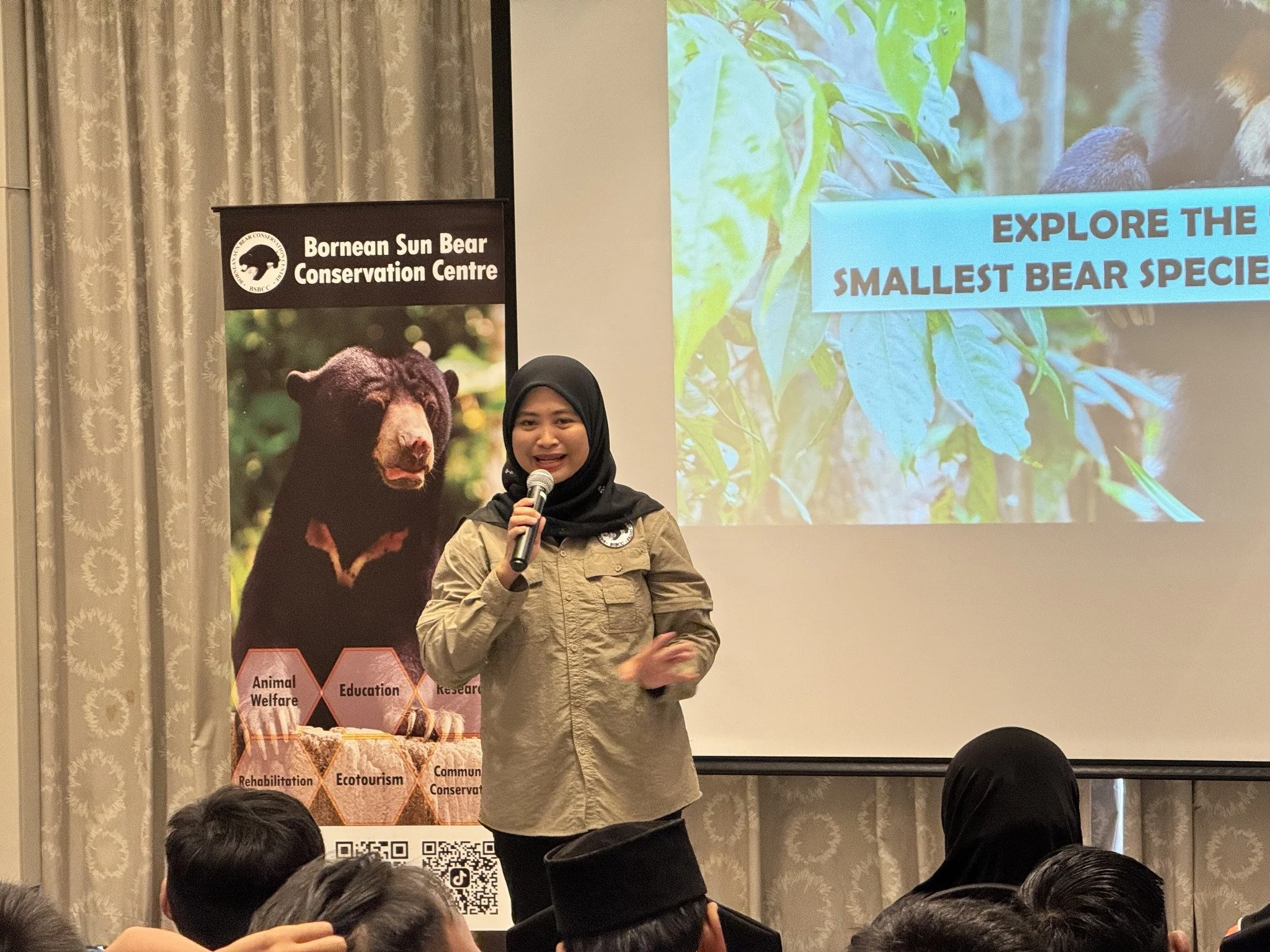
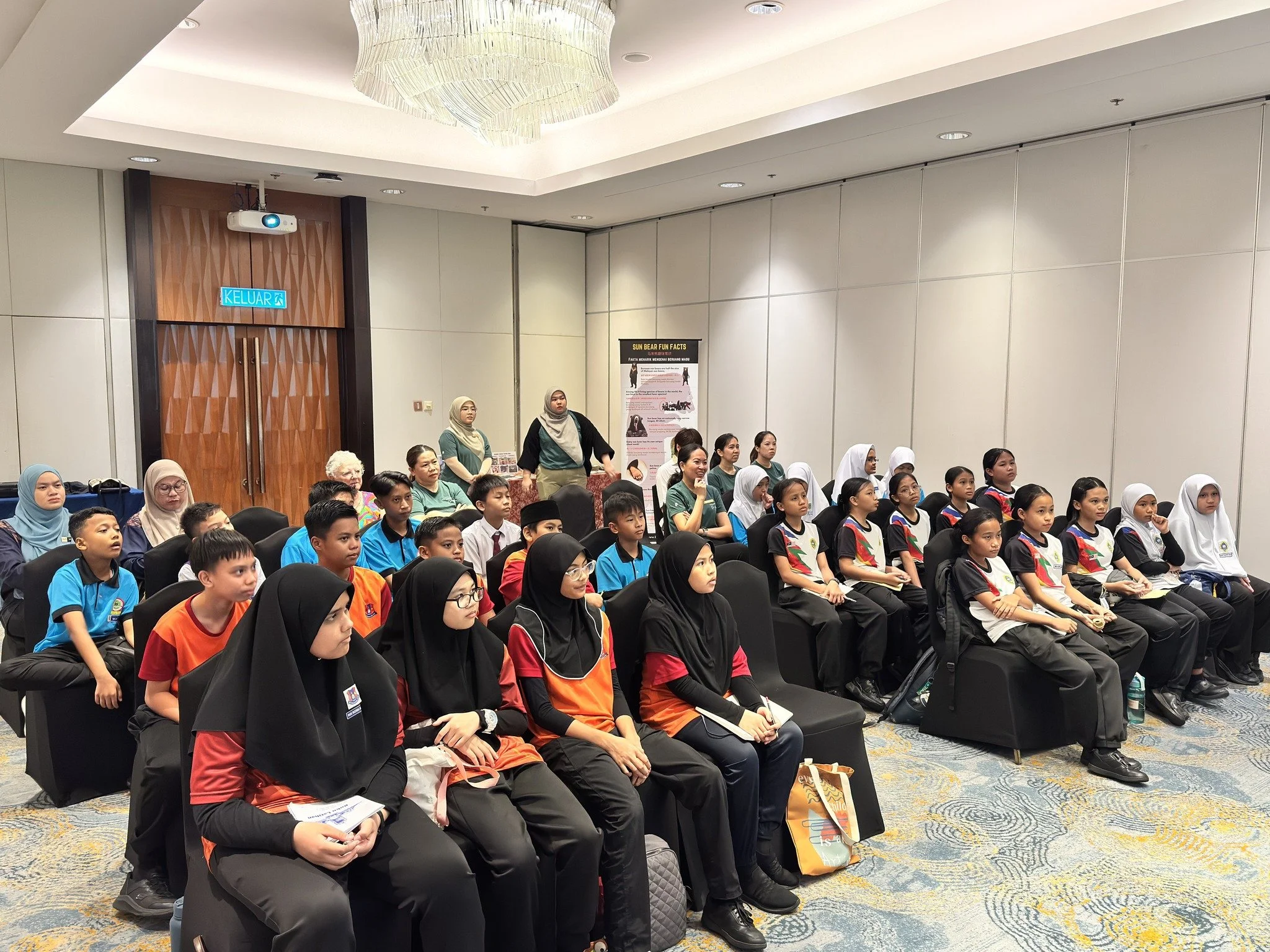
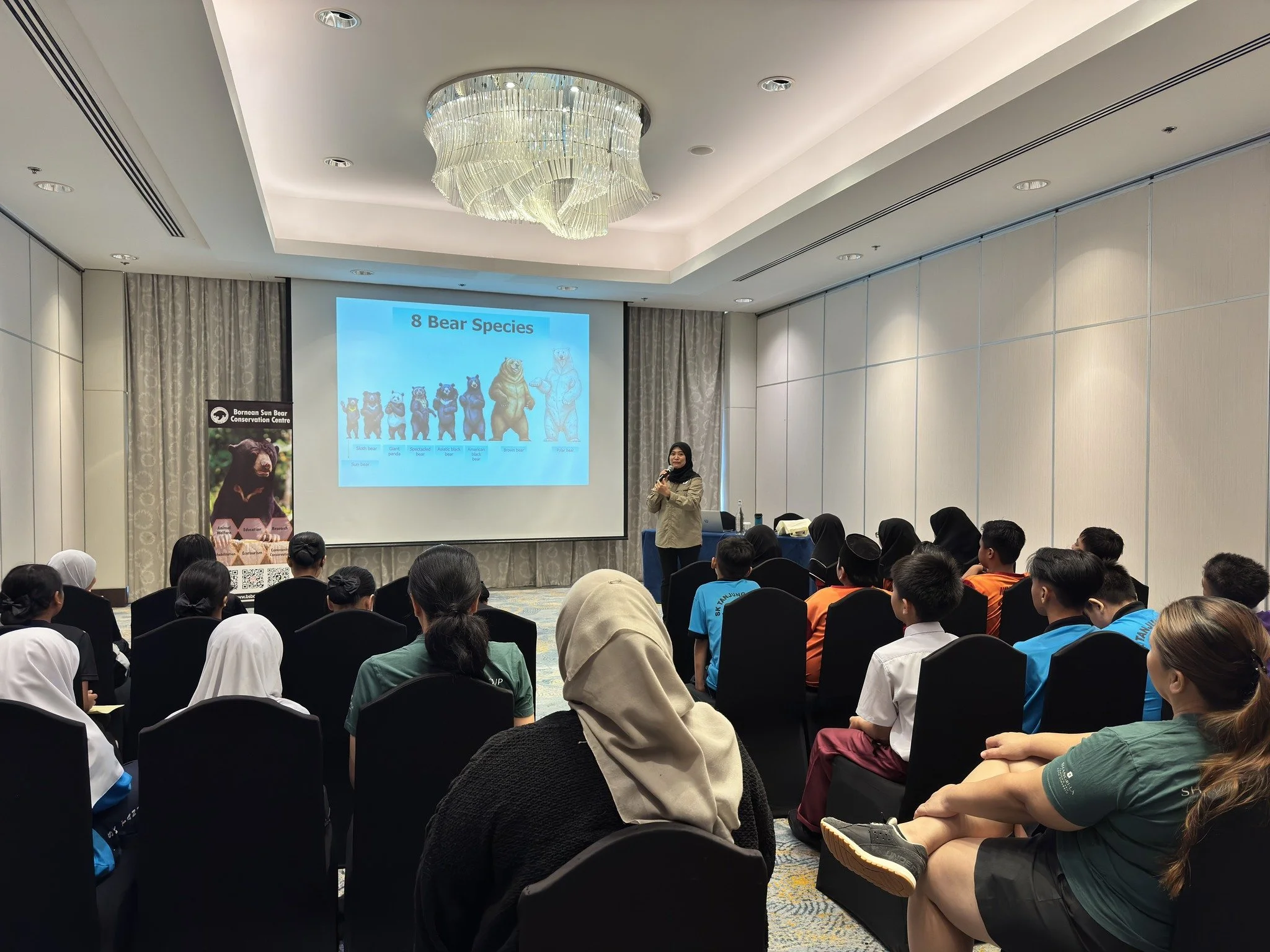
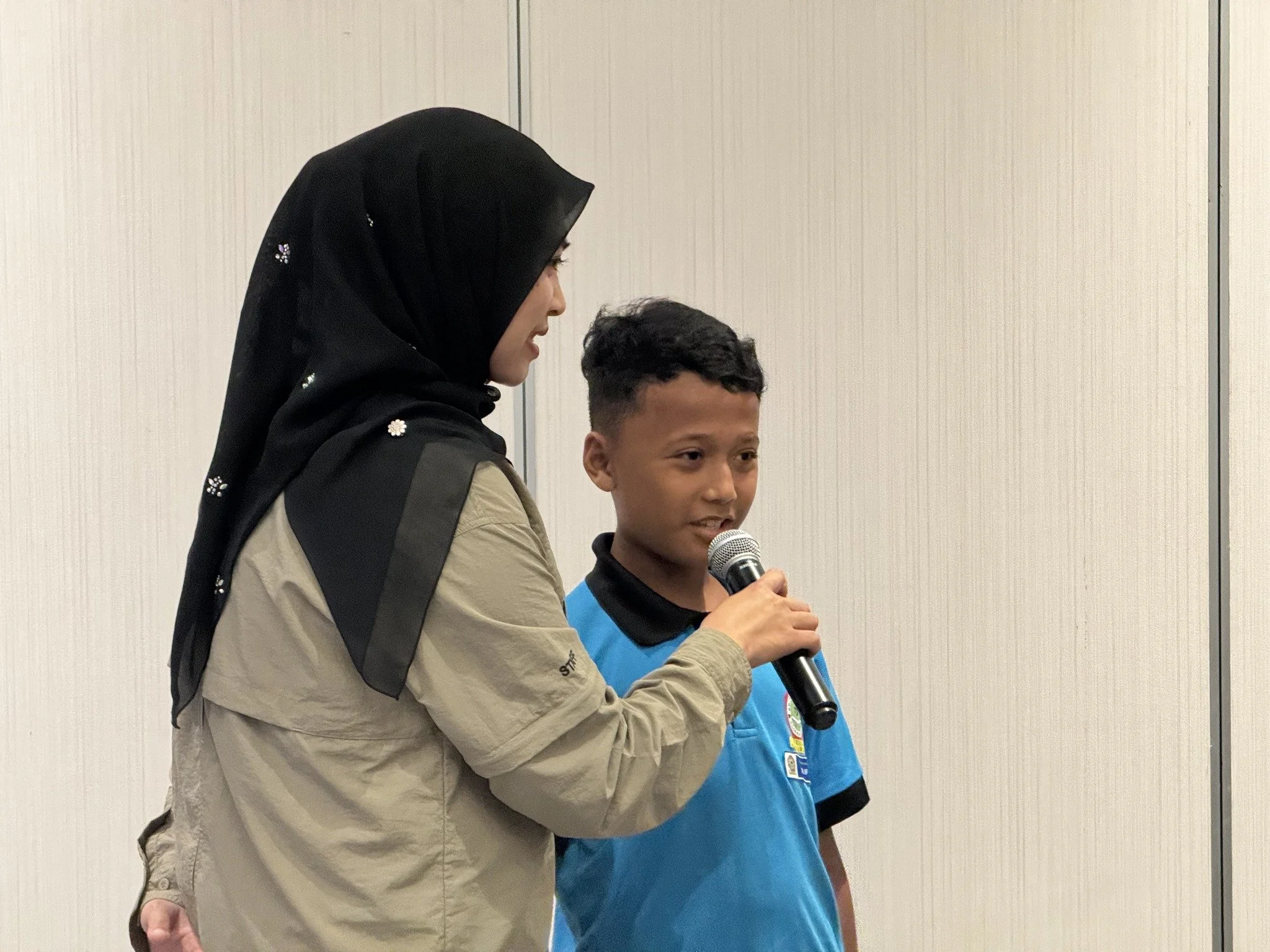
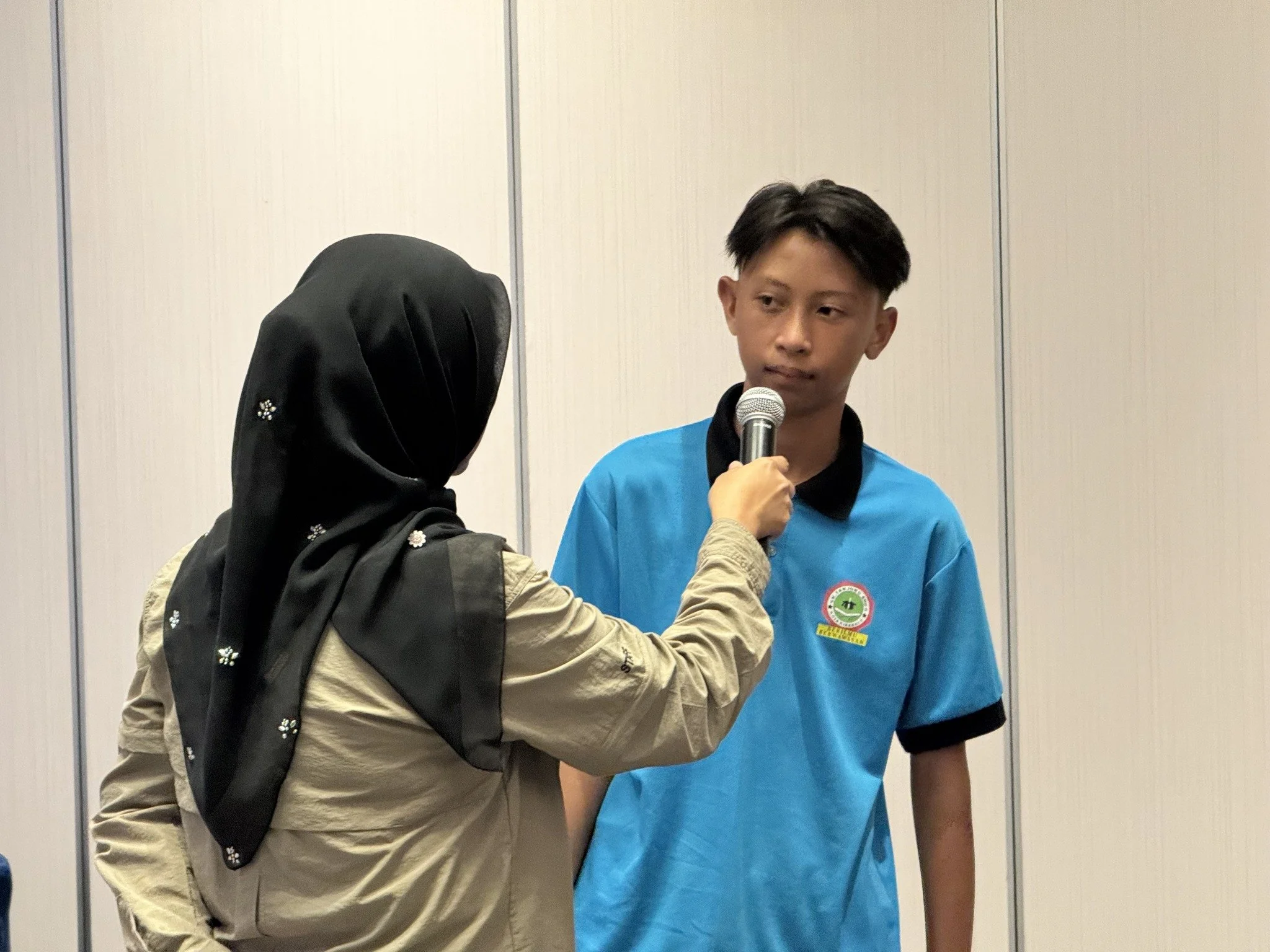
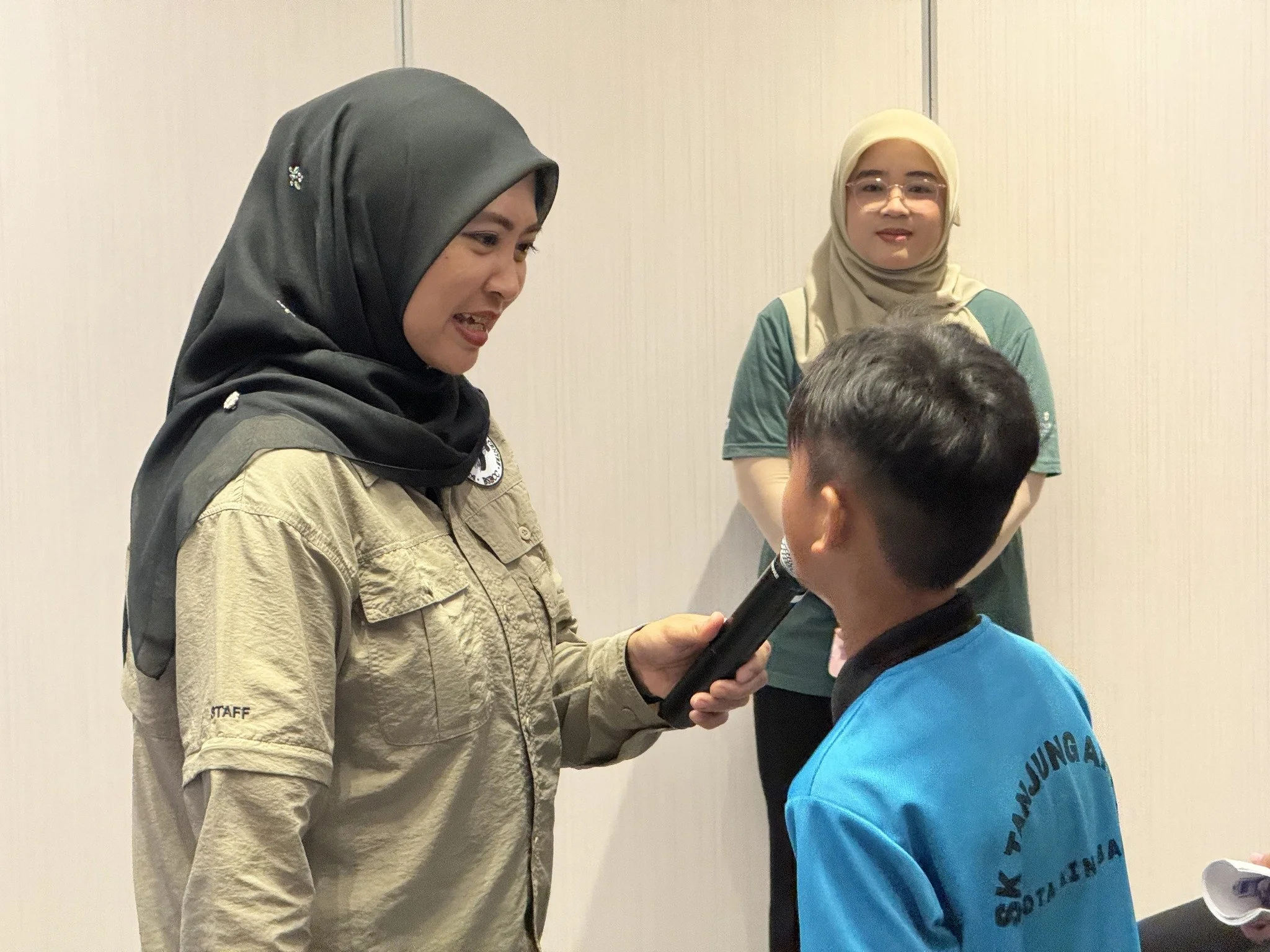
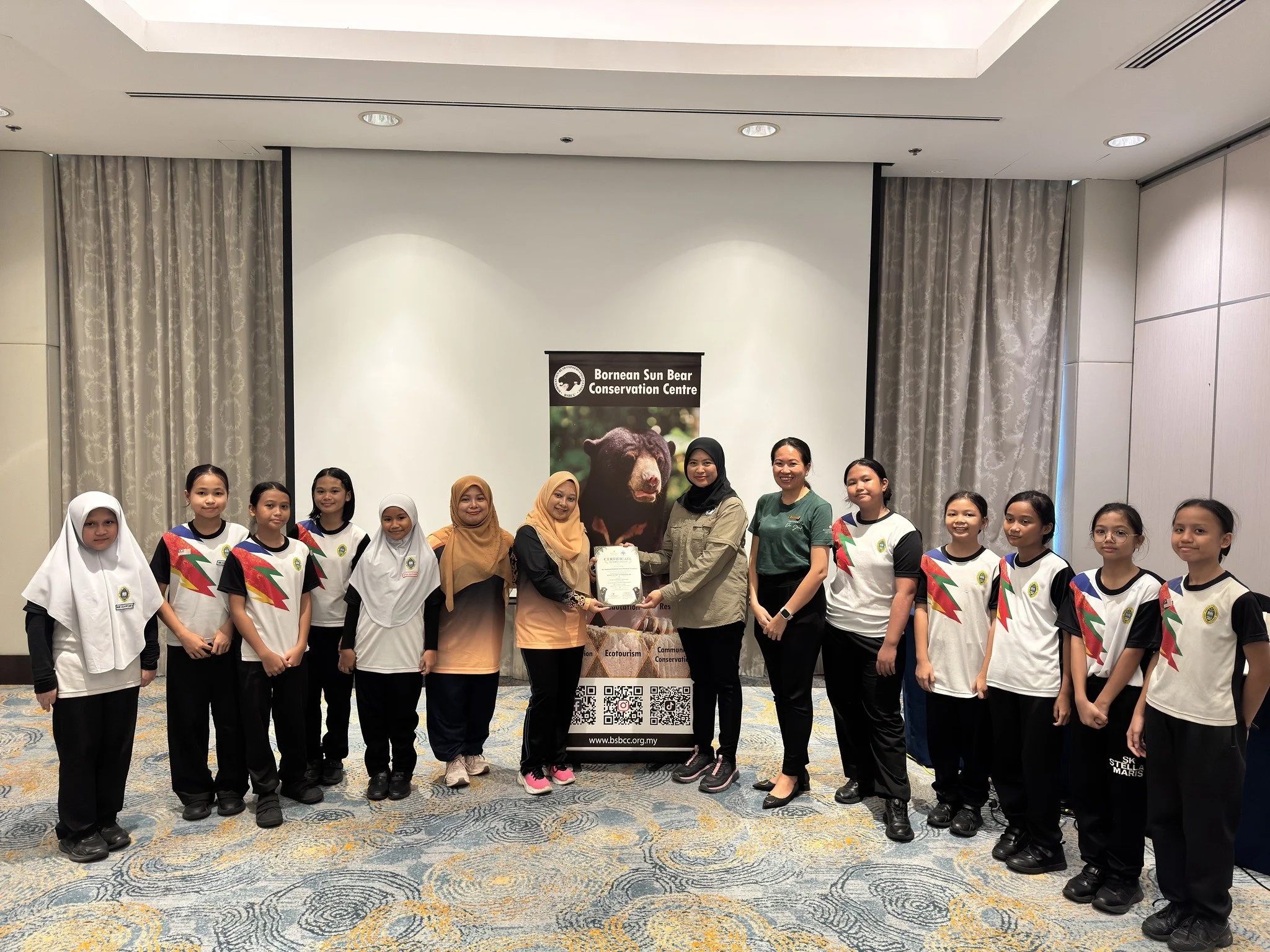
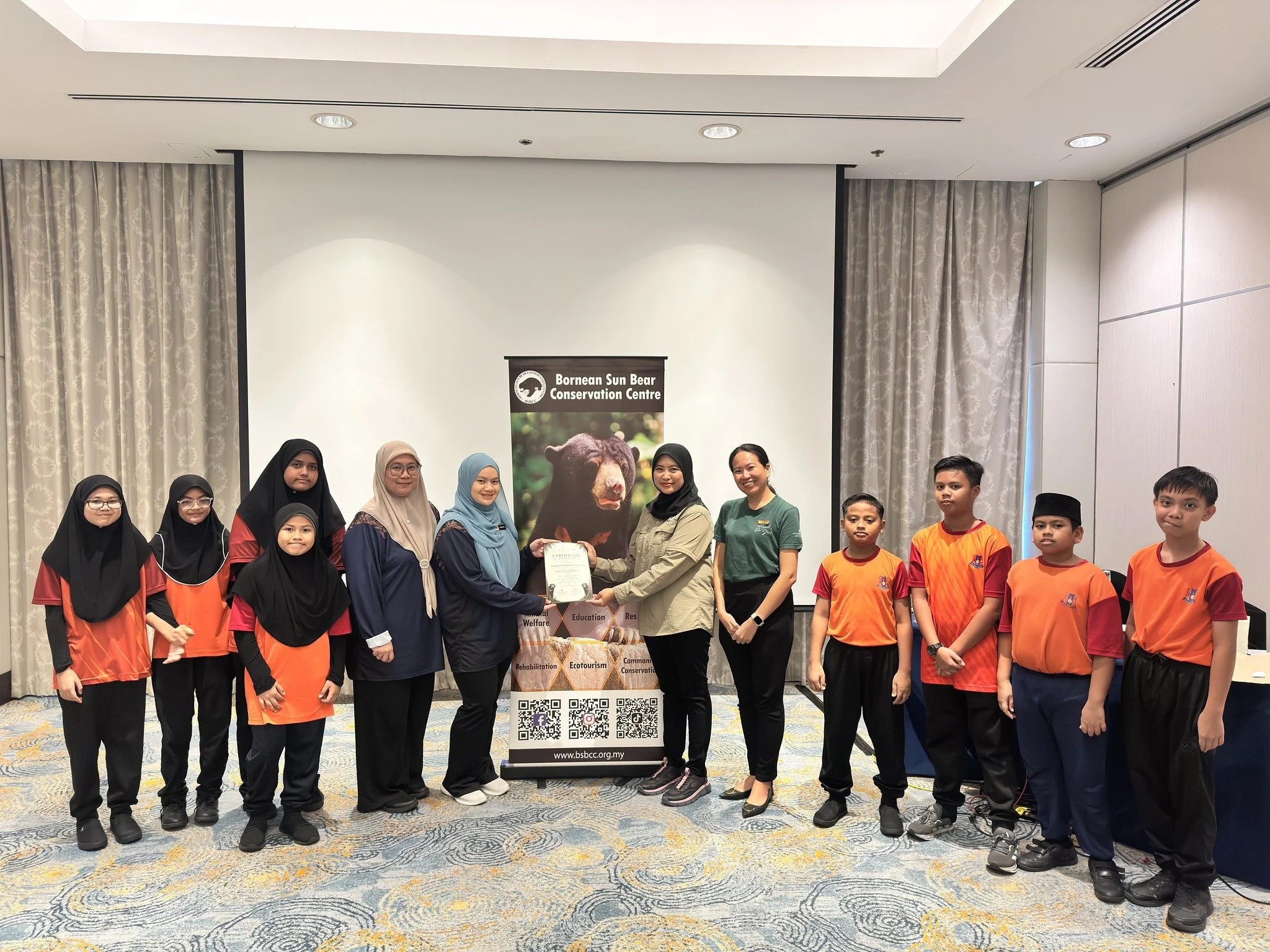
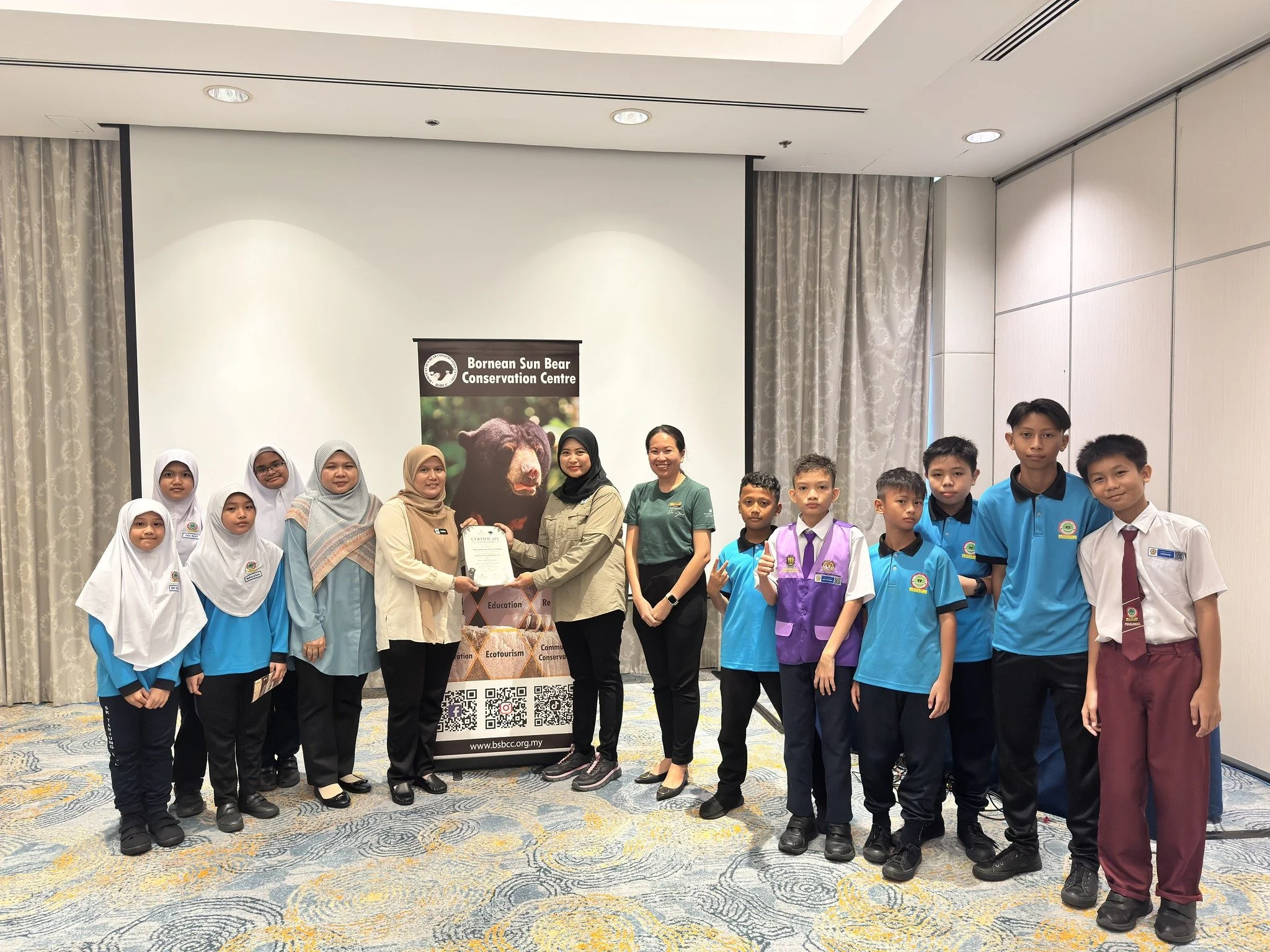
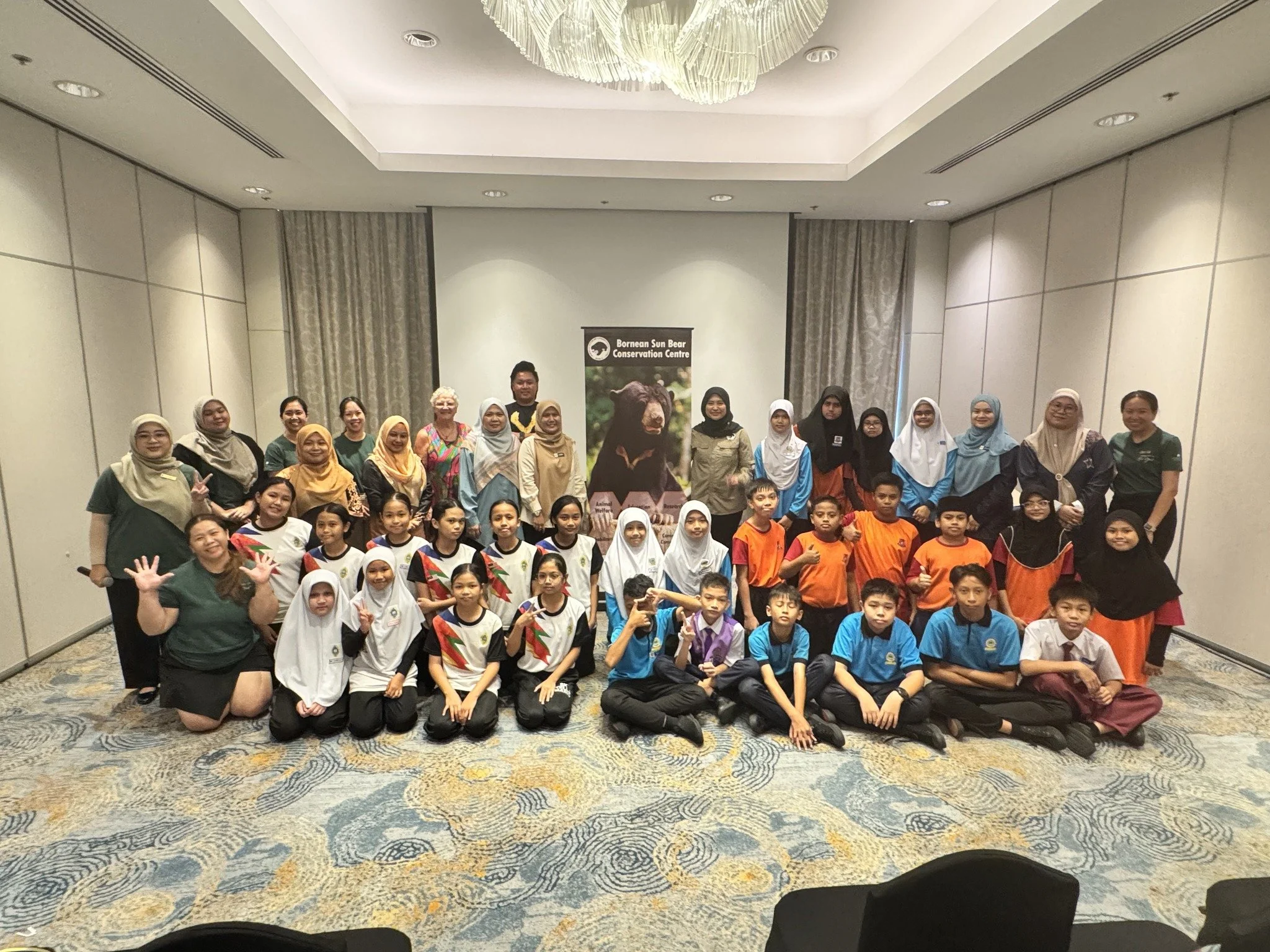
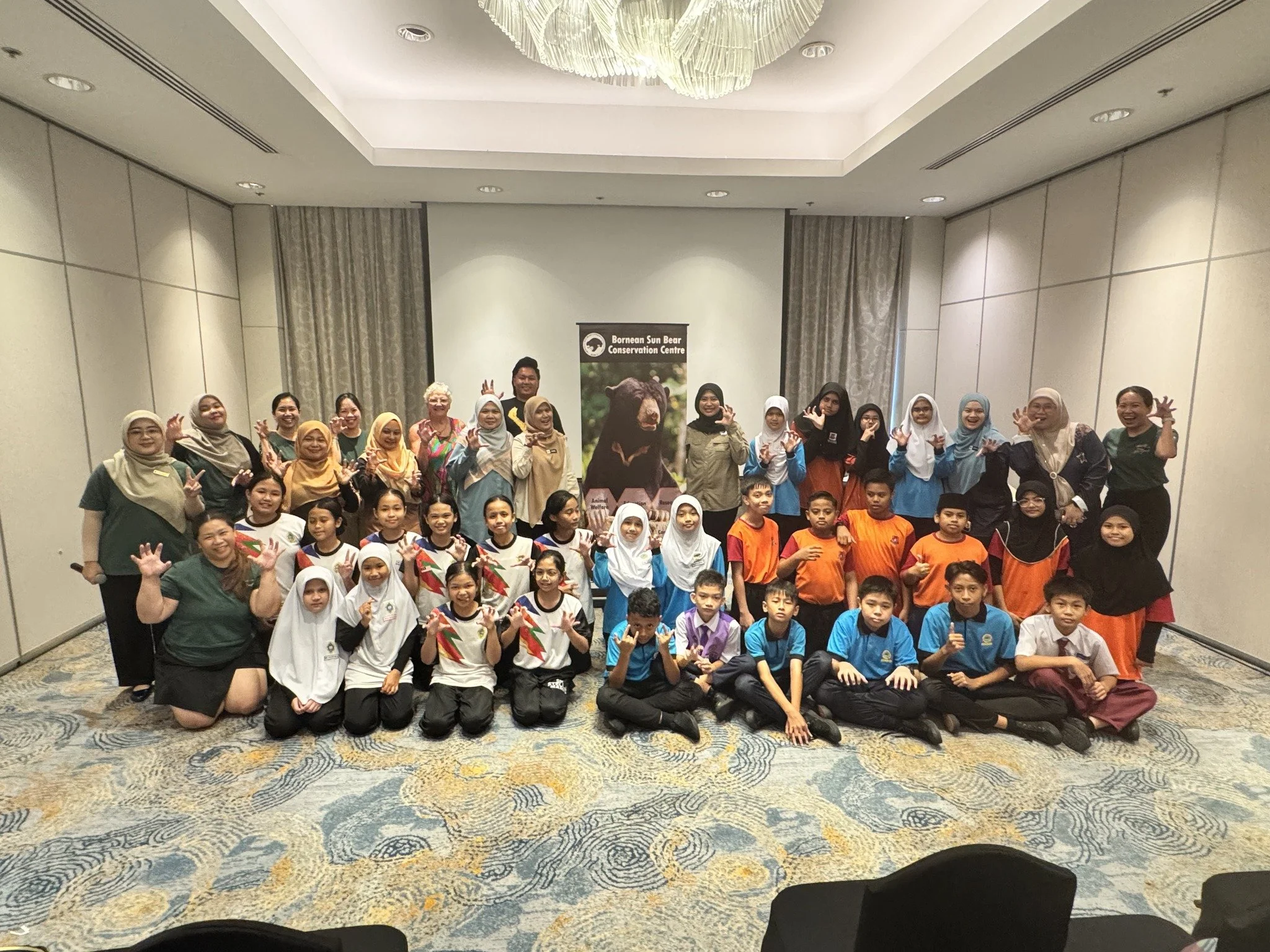
Sun Bear & Biodiversity Talk at Shangri-La Tanjung Aru
On 11 May 2026, our Education Team joined an outreach programme at Shangri-La Tanjung Aru in conjunction with the International Day for Biological Diversity. The programme involved students from SK Stella Maris, SK Tanjung Aru I, and SK Tanjung Aru II. The session was fun and interactive through educational talks, video screenings, Q&A sessions, and exhibition visits. Thank you to the organizer, teachers, and students for the warm support and participation in raising awareness about biodiversity conservation.
Almost a Month In, and Sandokan Is Thriving
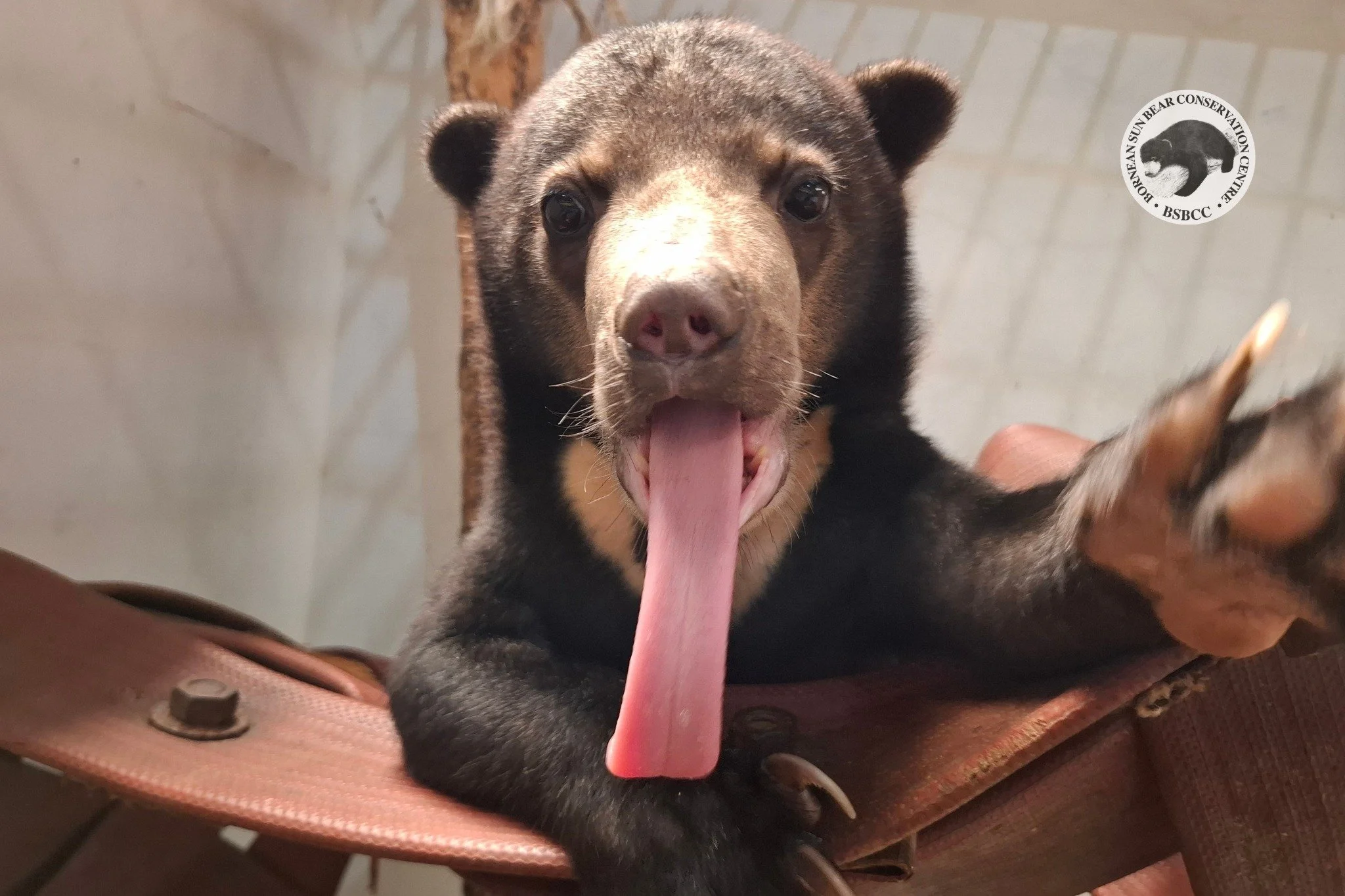
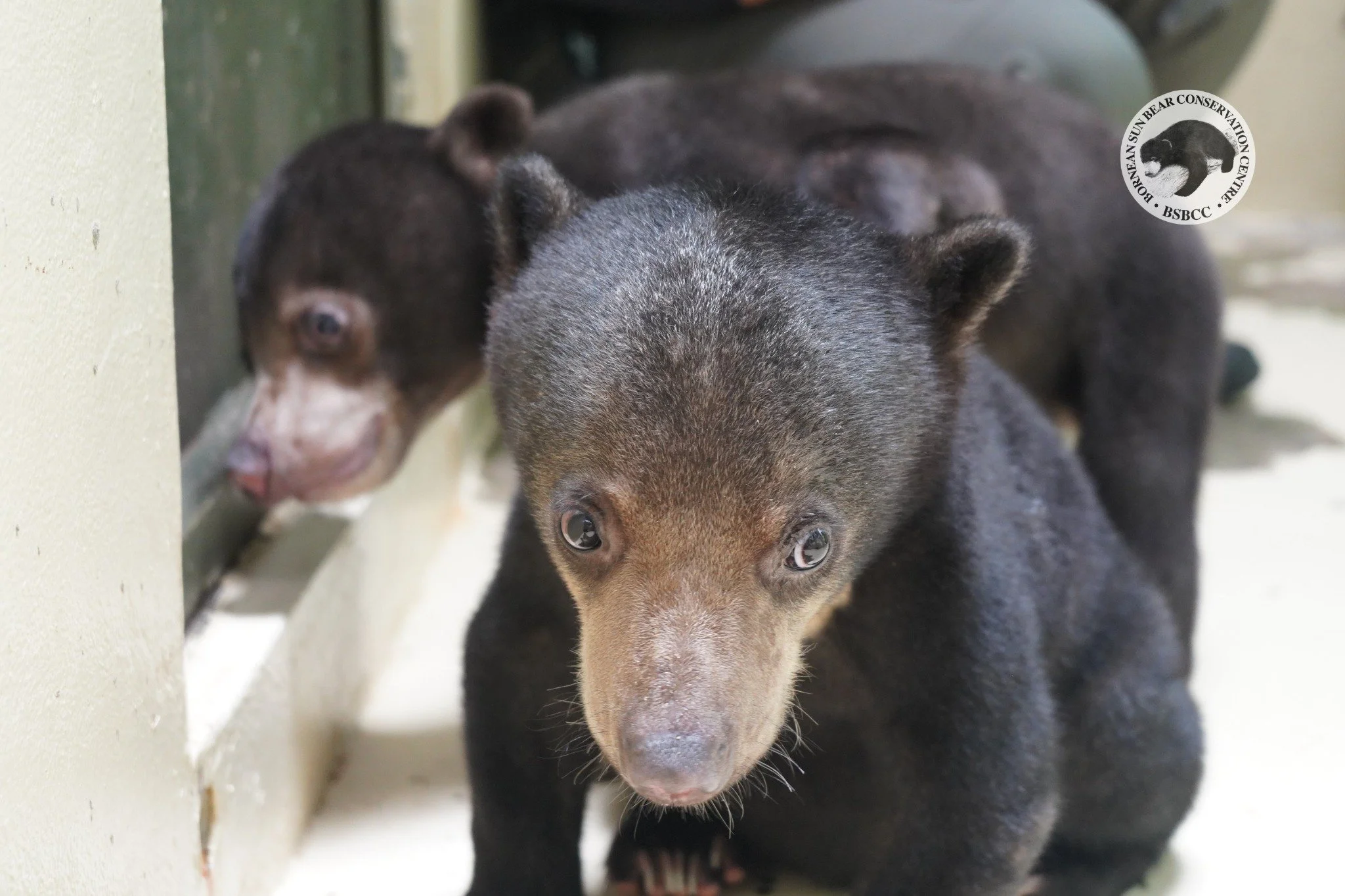
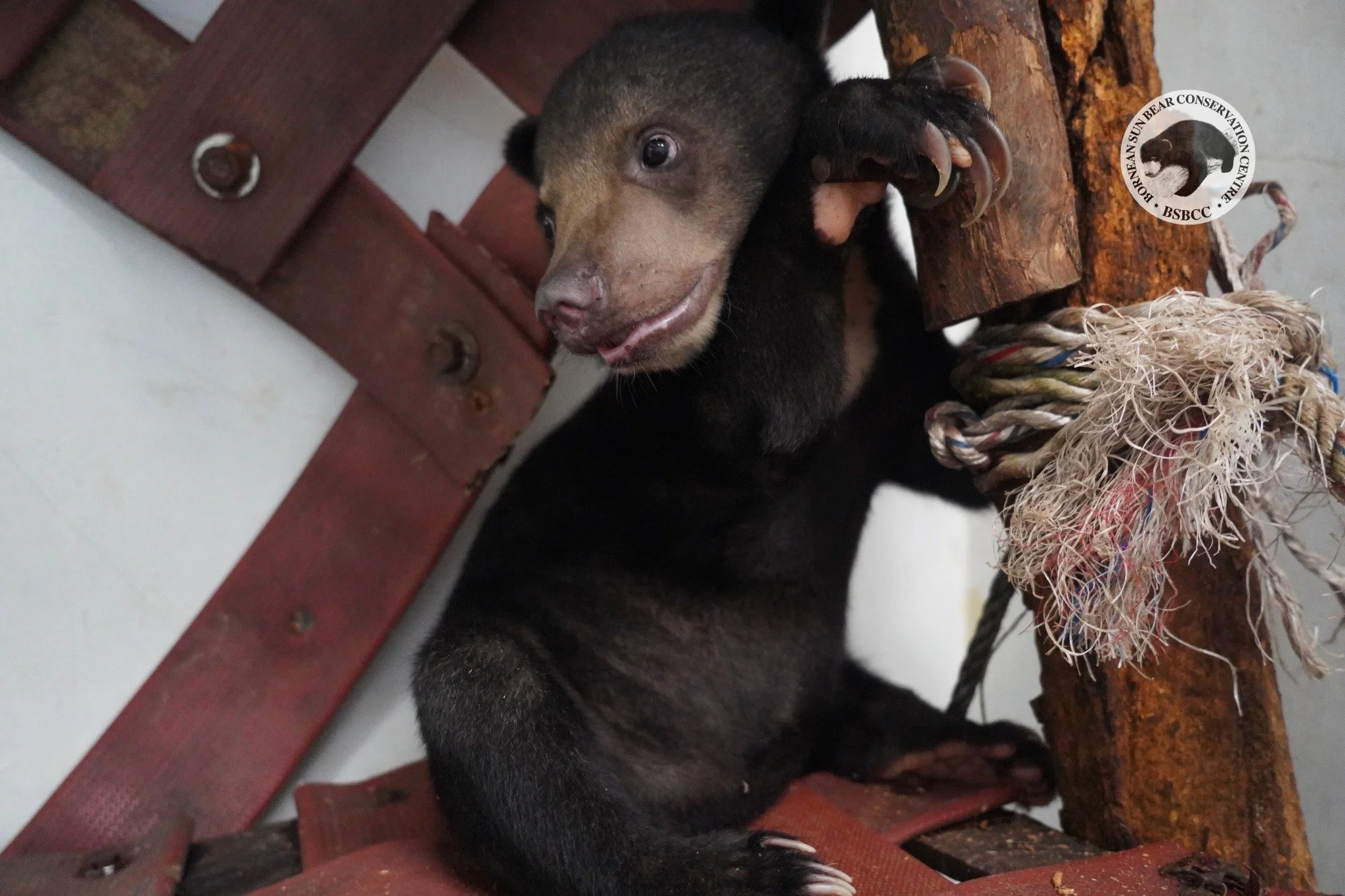
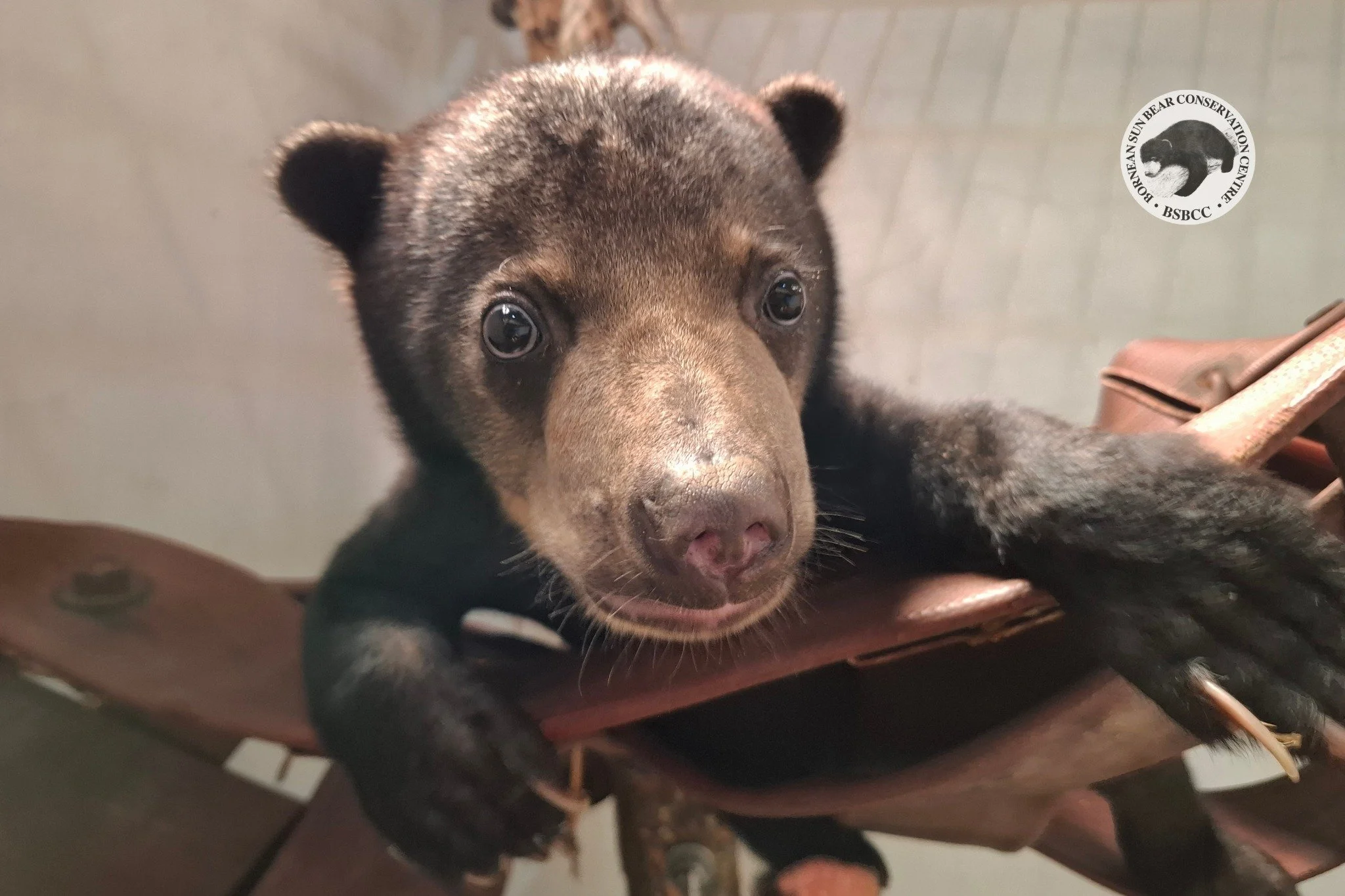
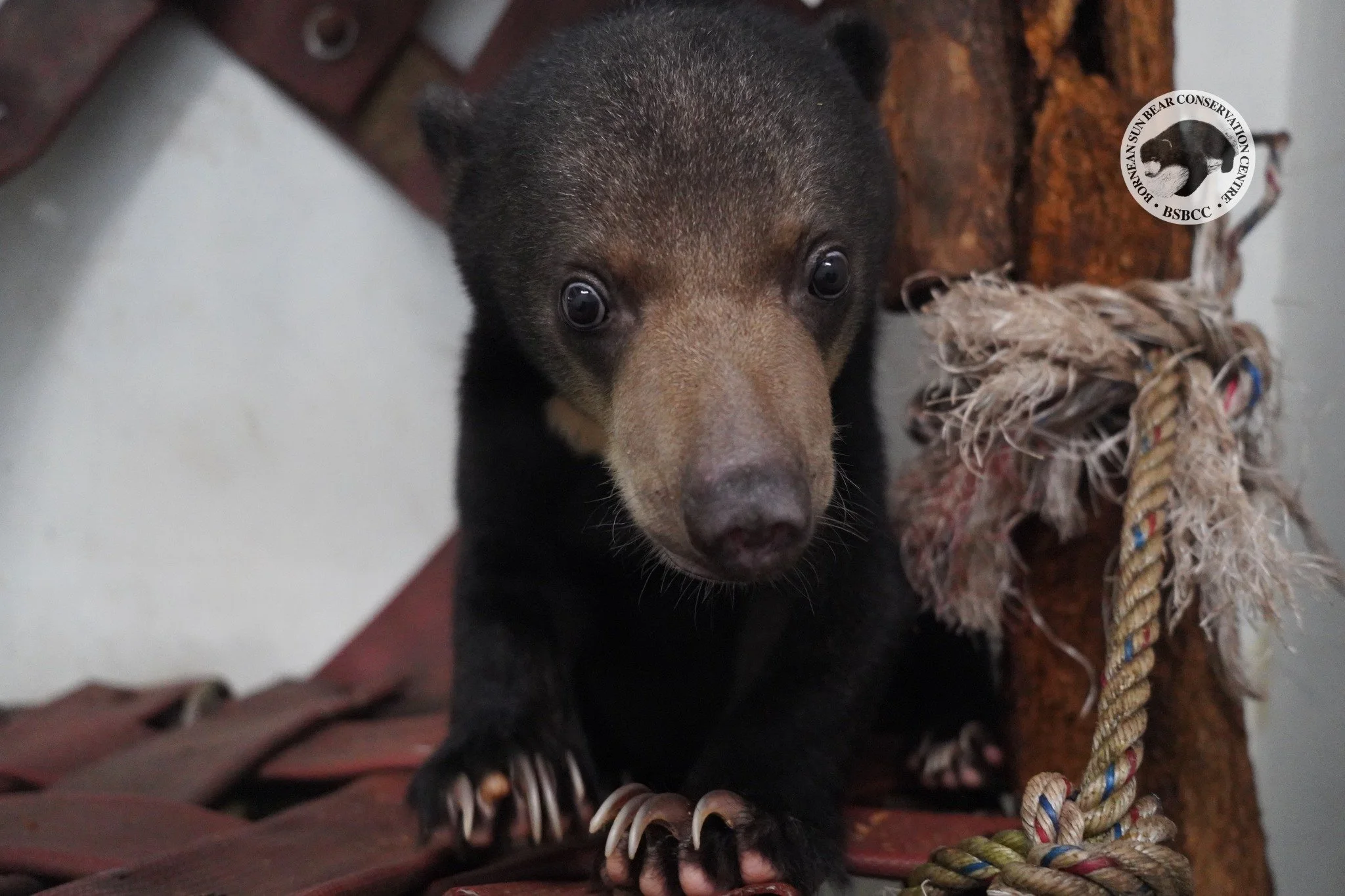
Sandokan, our latest rescued female cub, is slowly finding her rhythm here. She’s doing well, growing stronger, and steadily gaining more weight each day, a little step forward at a time.
Sandokan was first rescued on 12th April 2026 from a coconut tree, she was brought into our care on 21st April 2026 weighing 6.5 kg. Almost a month since being with us, she has now reached almost 8 kg, a very encouraging sign of healthy growth, recovery, and proper adaptation to her new environment.
Her missing claw on the right limb also appears to be healing well, with healthy tissue growth and possible new nail growth slowly coming in.
During her forest session, Sandokan appeared more independent while exploring the area. She also showed a strong interest in digging, often stopping to explore the soil ,especially beneath a large tree between the roots. Areas like these are usually rich in insects, larvae, and natural scents, making them very interesting spots for curious young sun bears to investigate. Her repeated digging and exploration are encouraging signs of natural foraging behaviour and growing confidence in her surroundings.
As part of her rehabilitation journey, we have also started introducing Sandokan to Manja, our 71st rescued female cub, who is around the same size and age as her. So far, both cubs have been responding well to each other, showing playful interactions, exploring together, and becoming more comfortable during shared sessions.
Seeing Sandokan become stronger, more curious, and more comfortable day by day reminds us why every rescue matters. She still has a long journey ahead, but her progress over almost a month with us has been incredibly encouraging for our team.
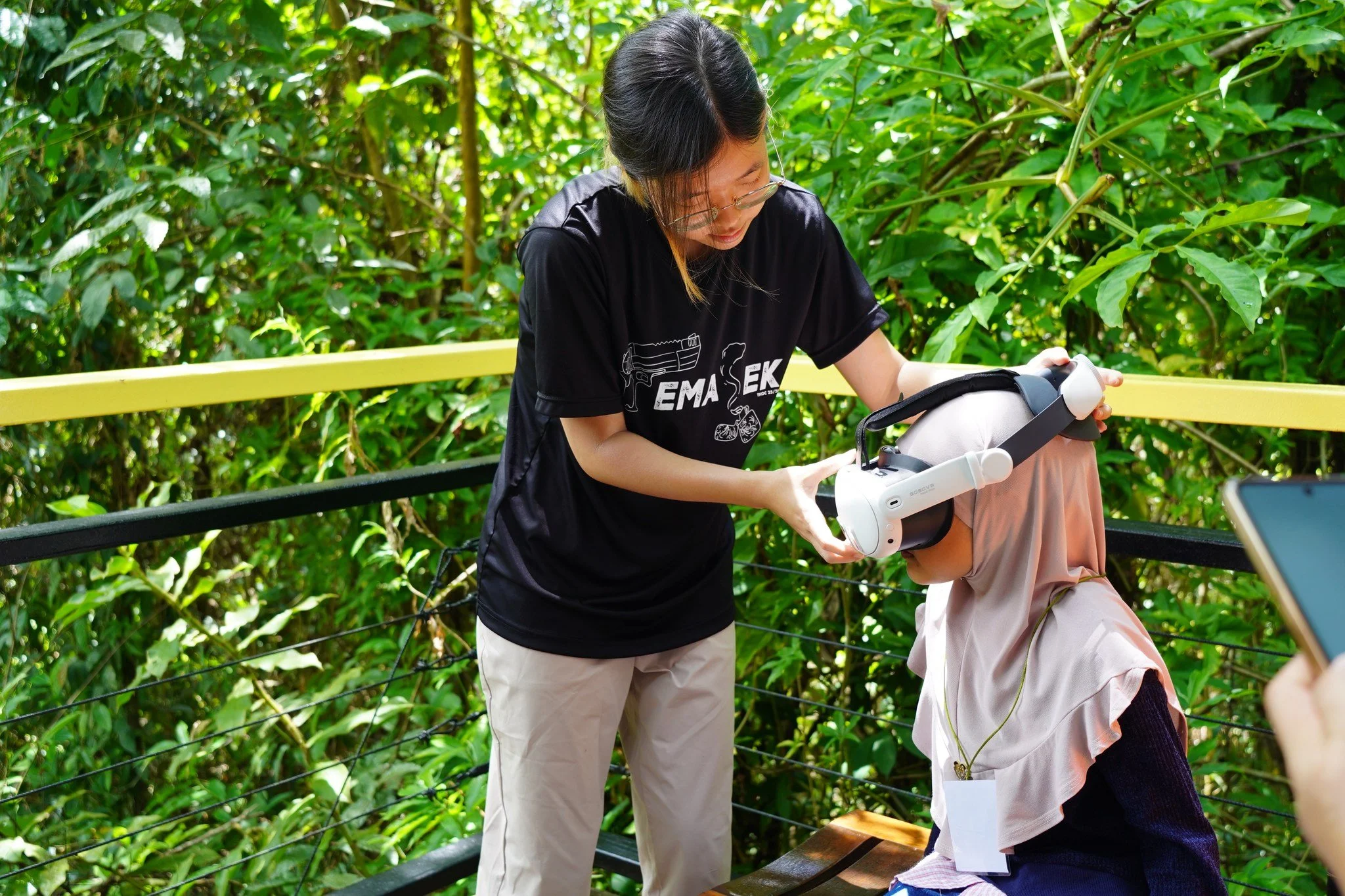
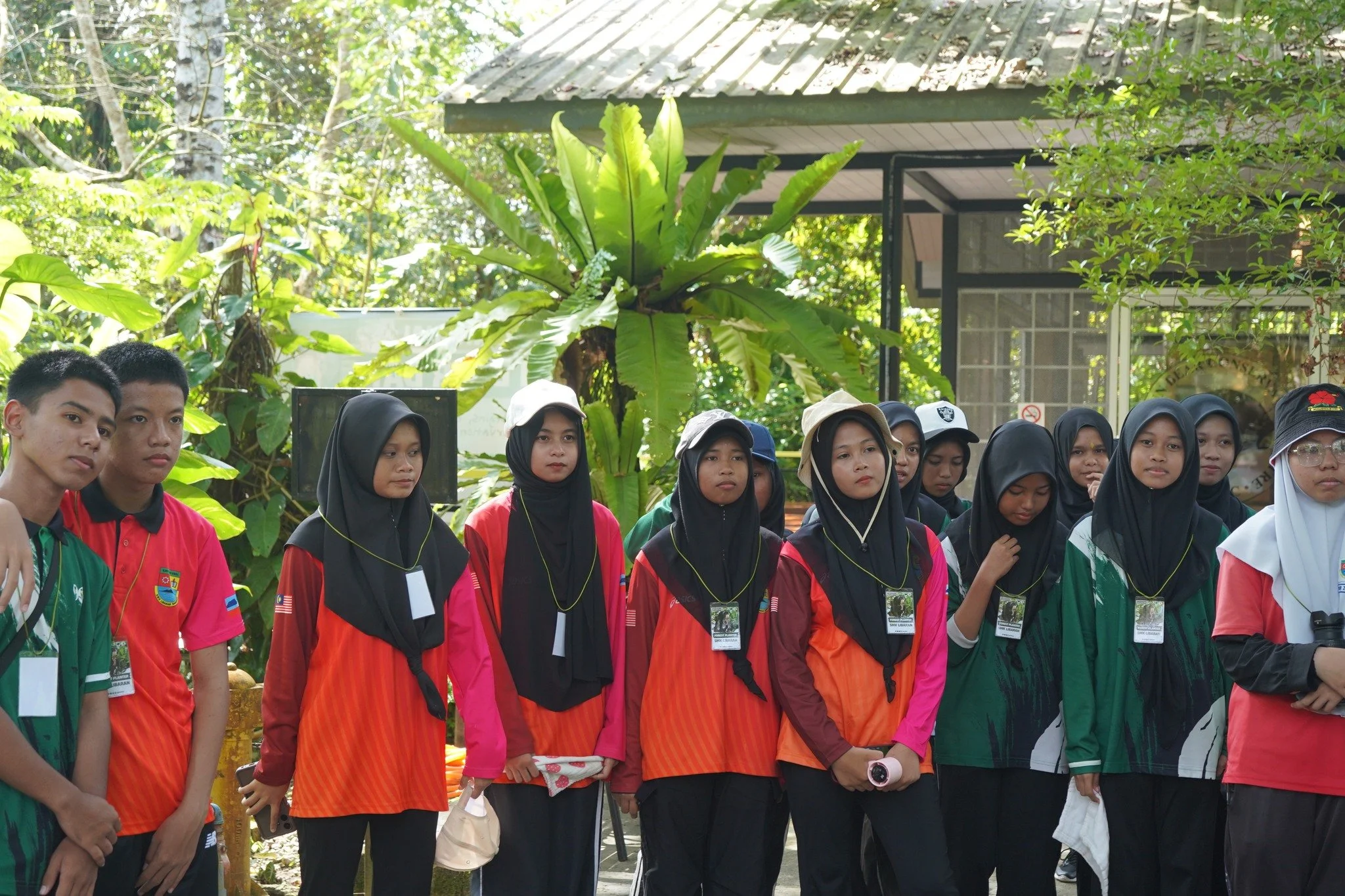
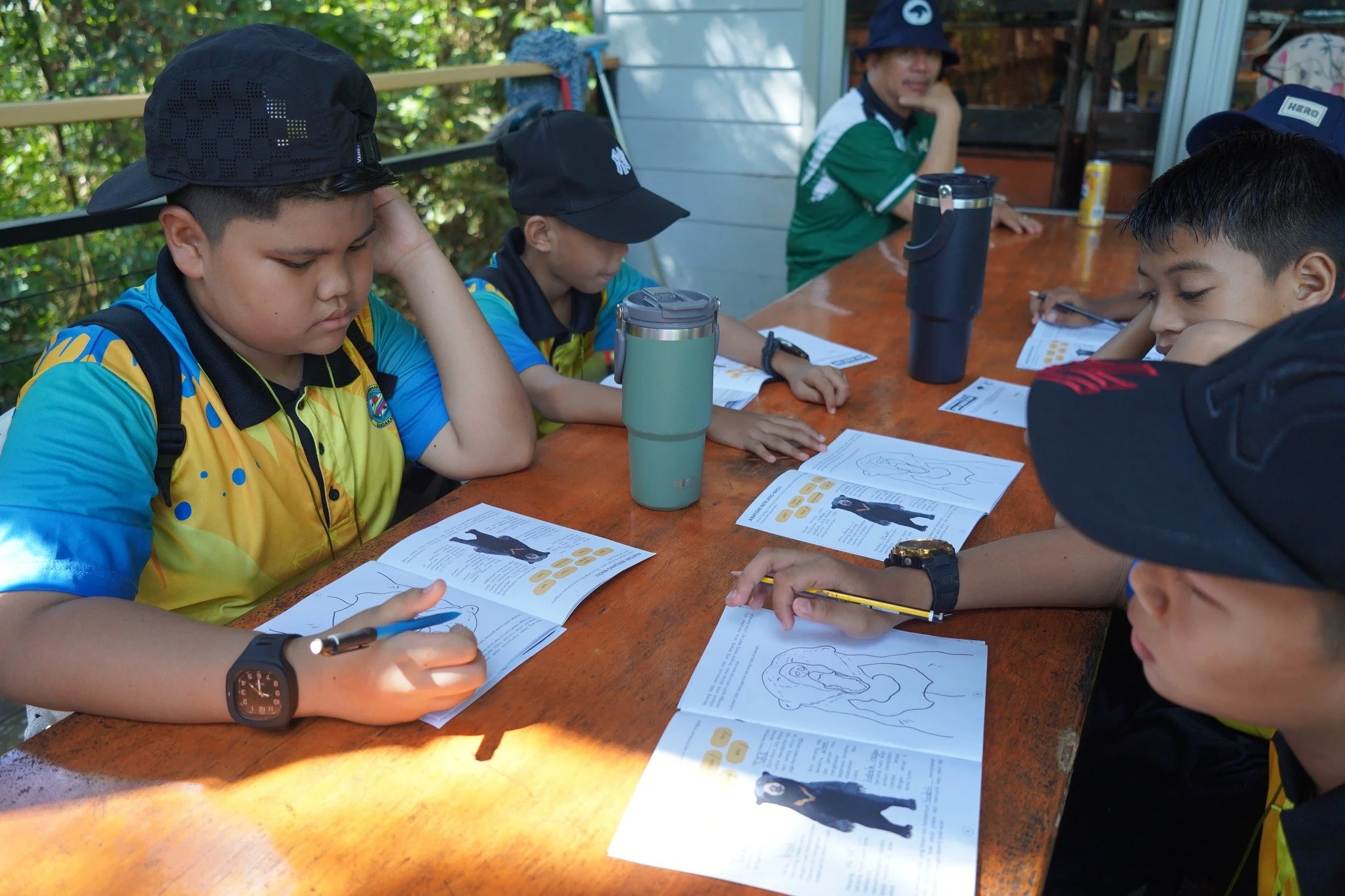
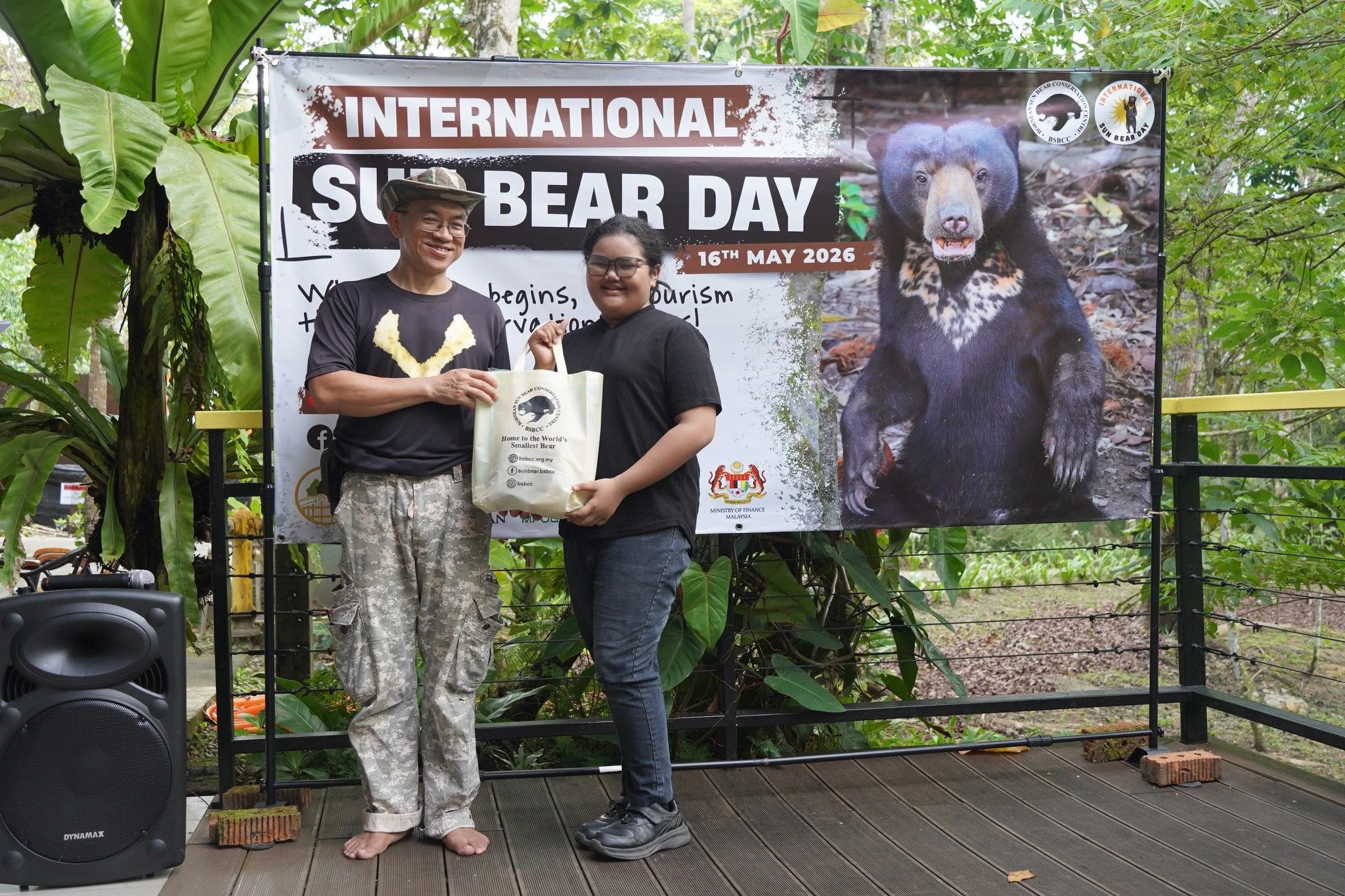
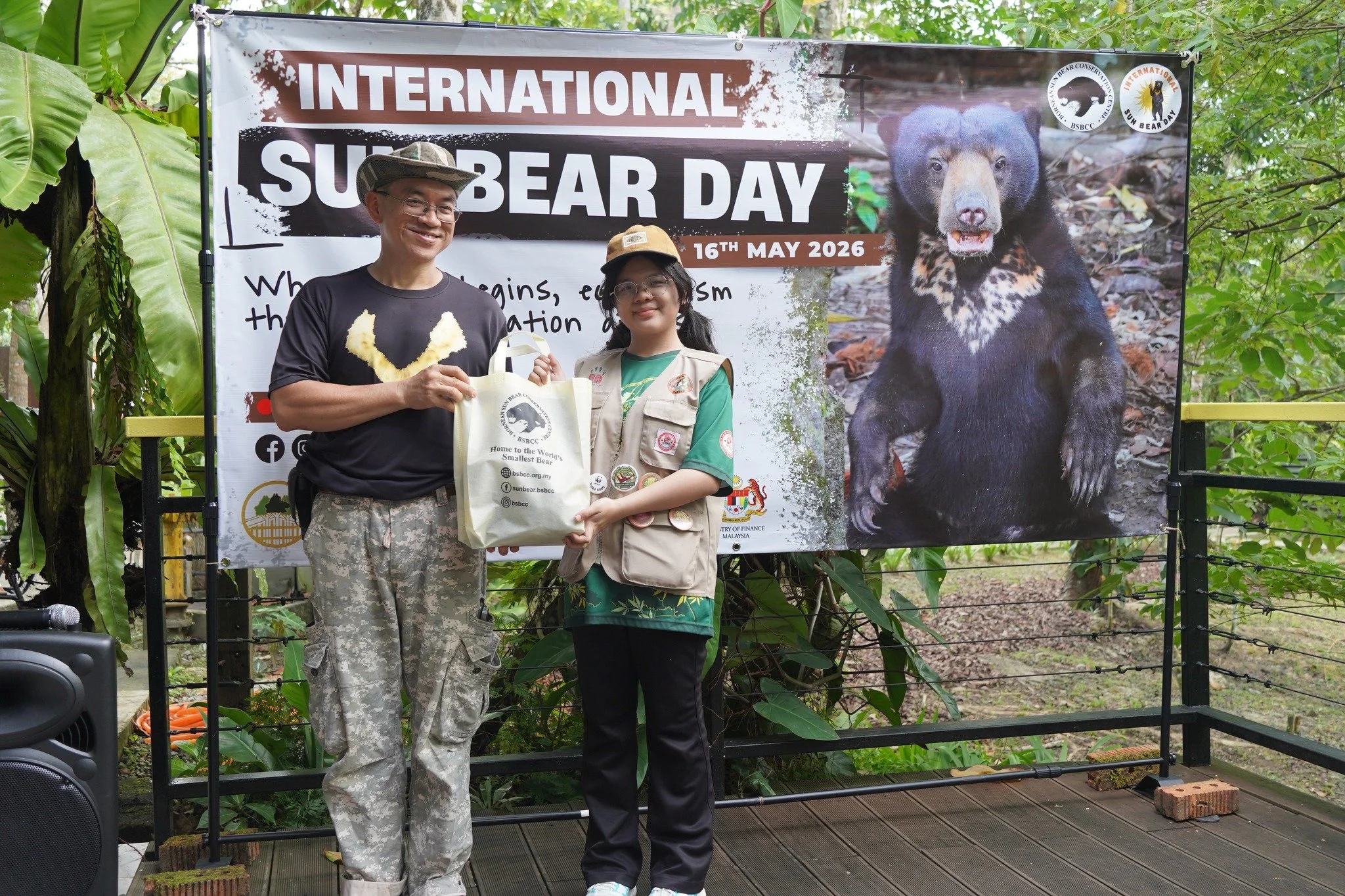
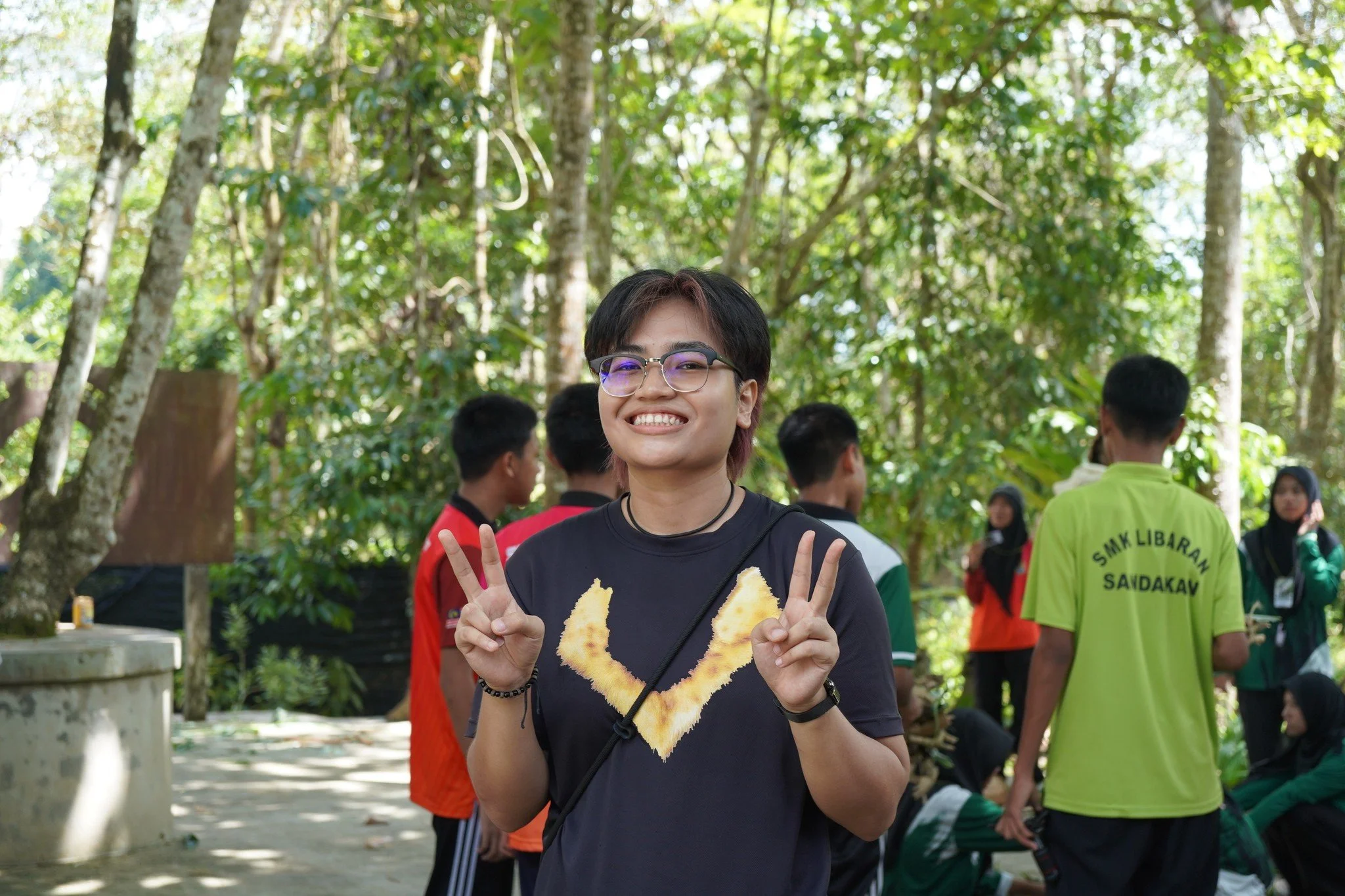
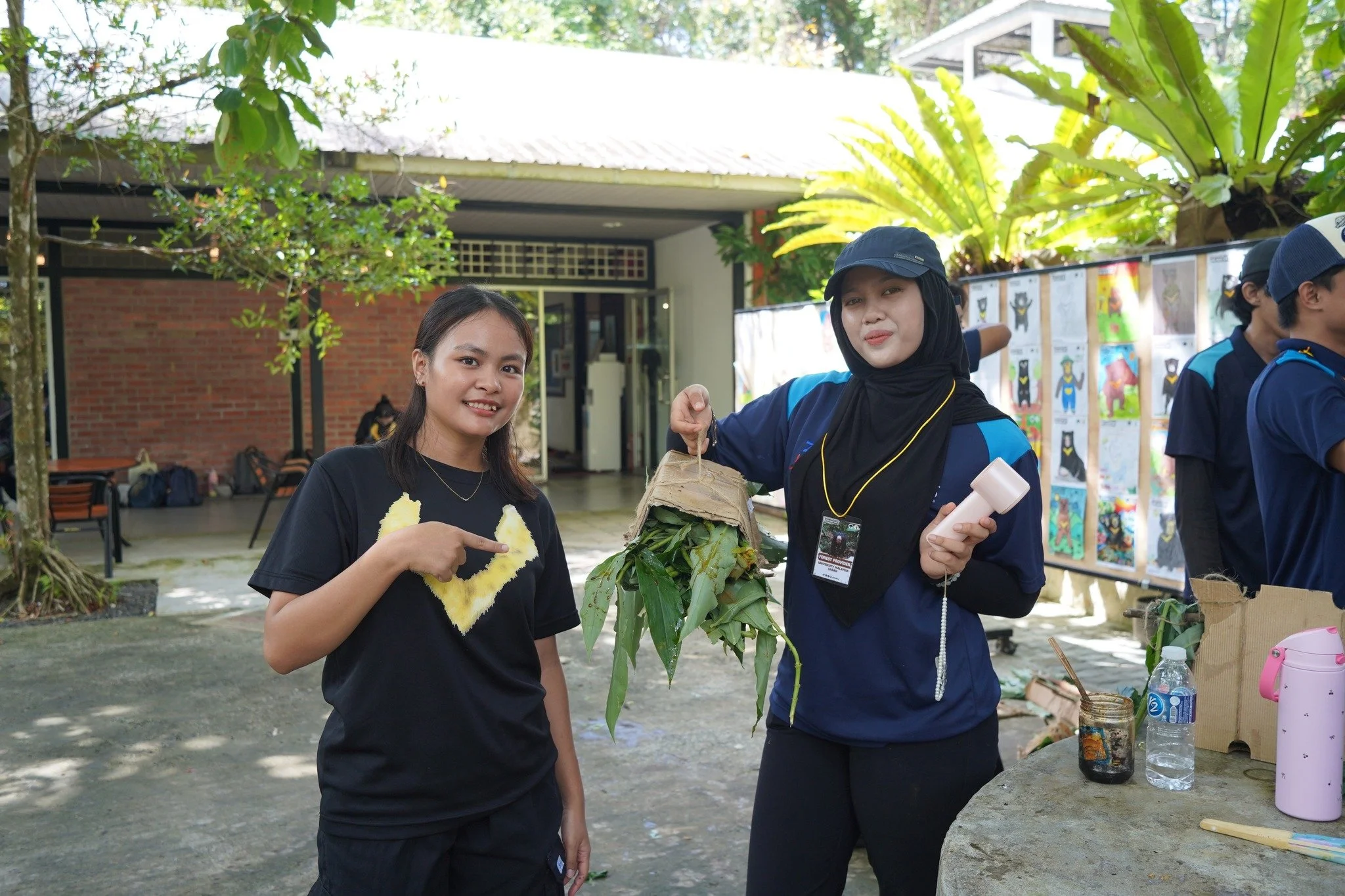
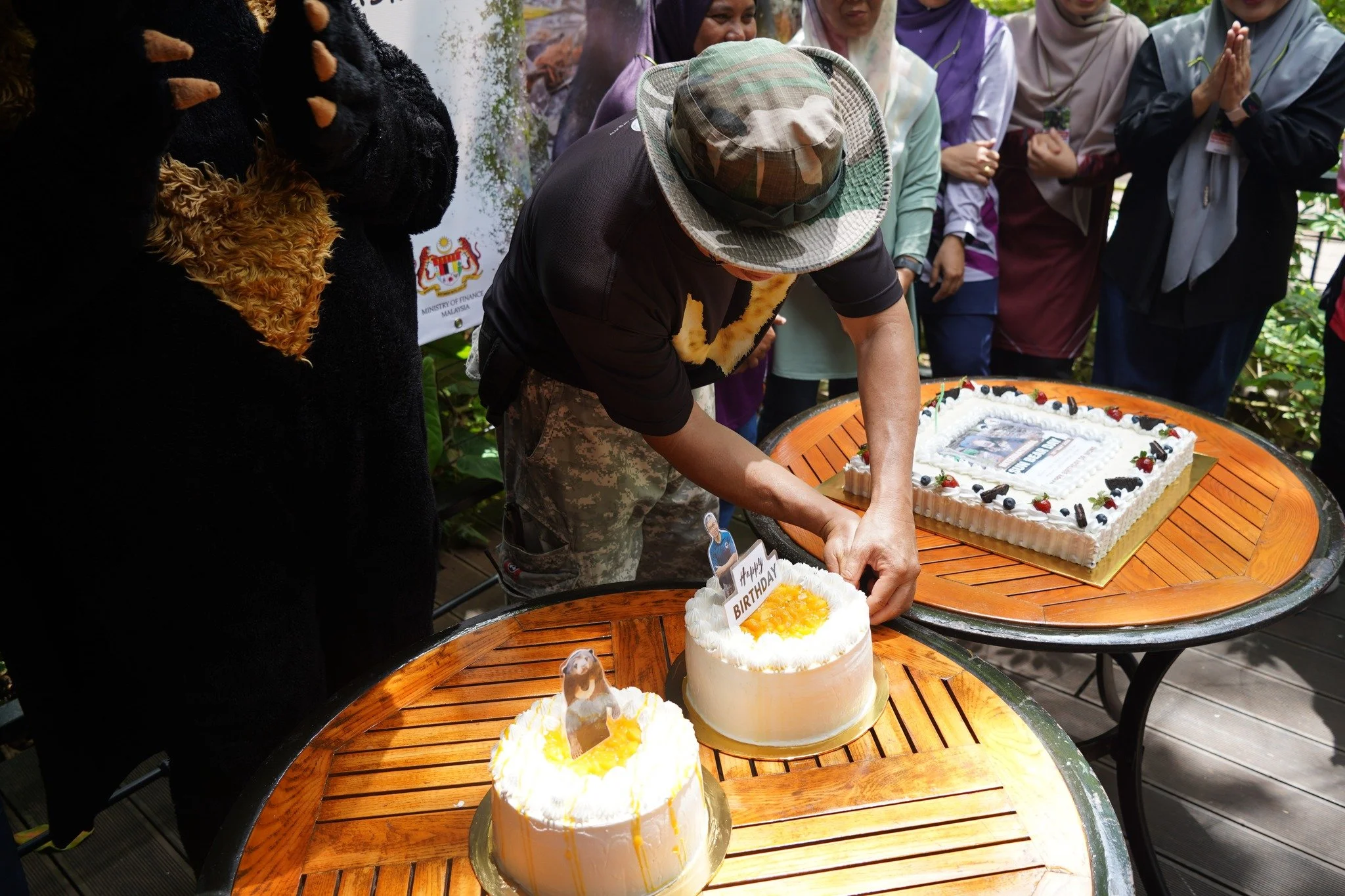
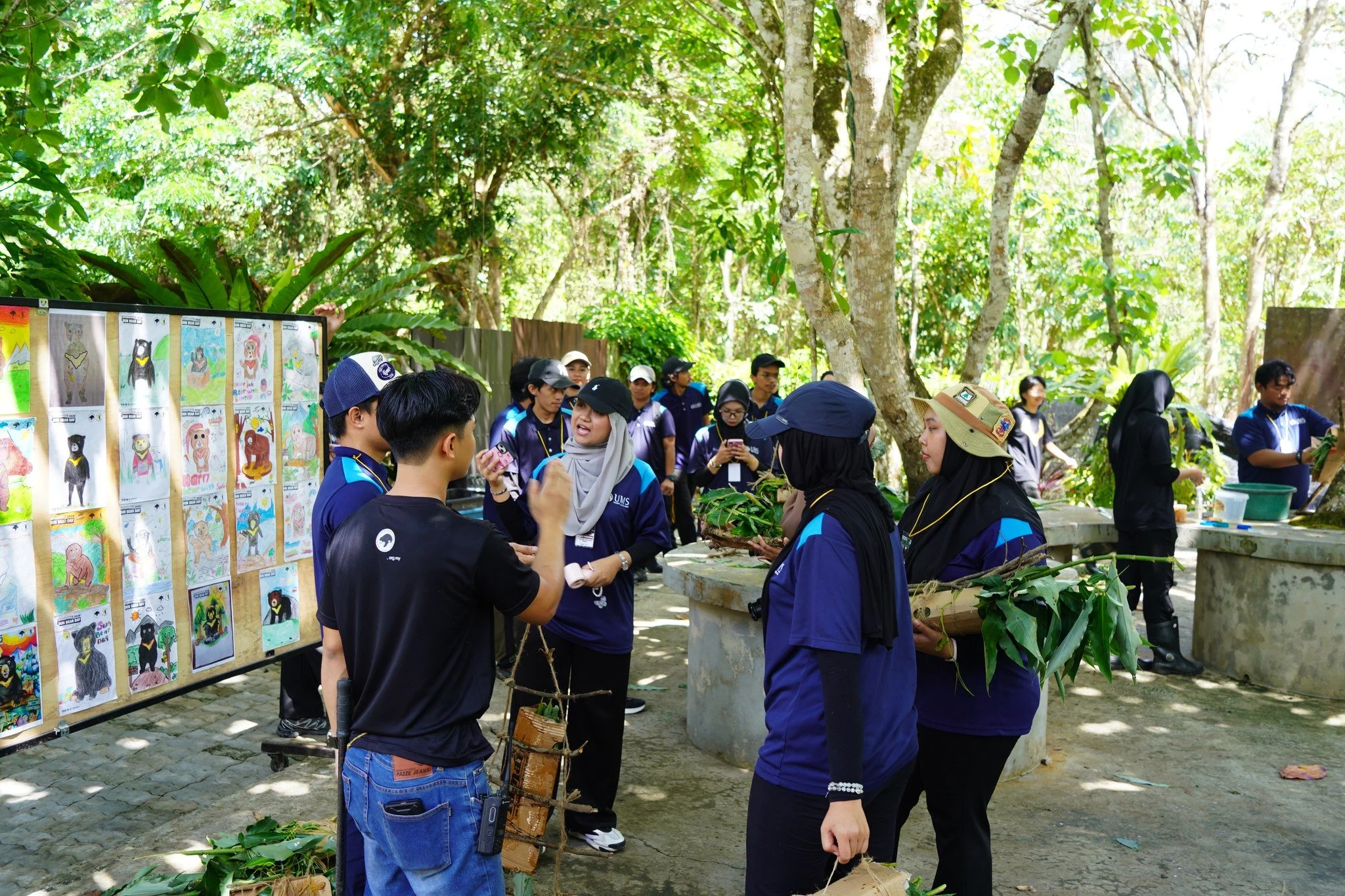
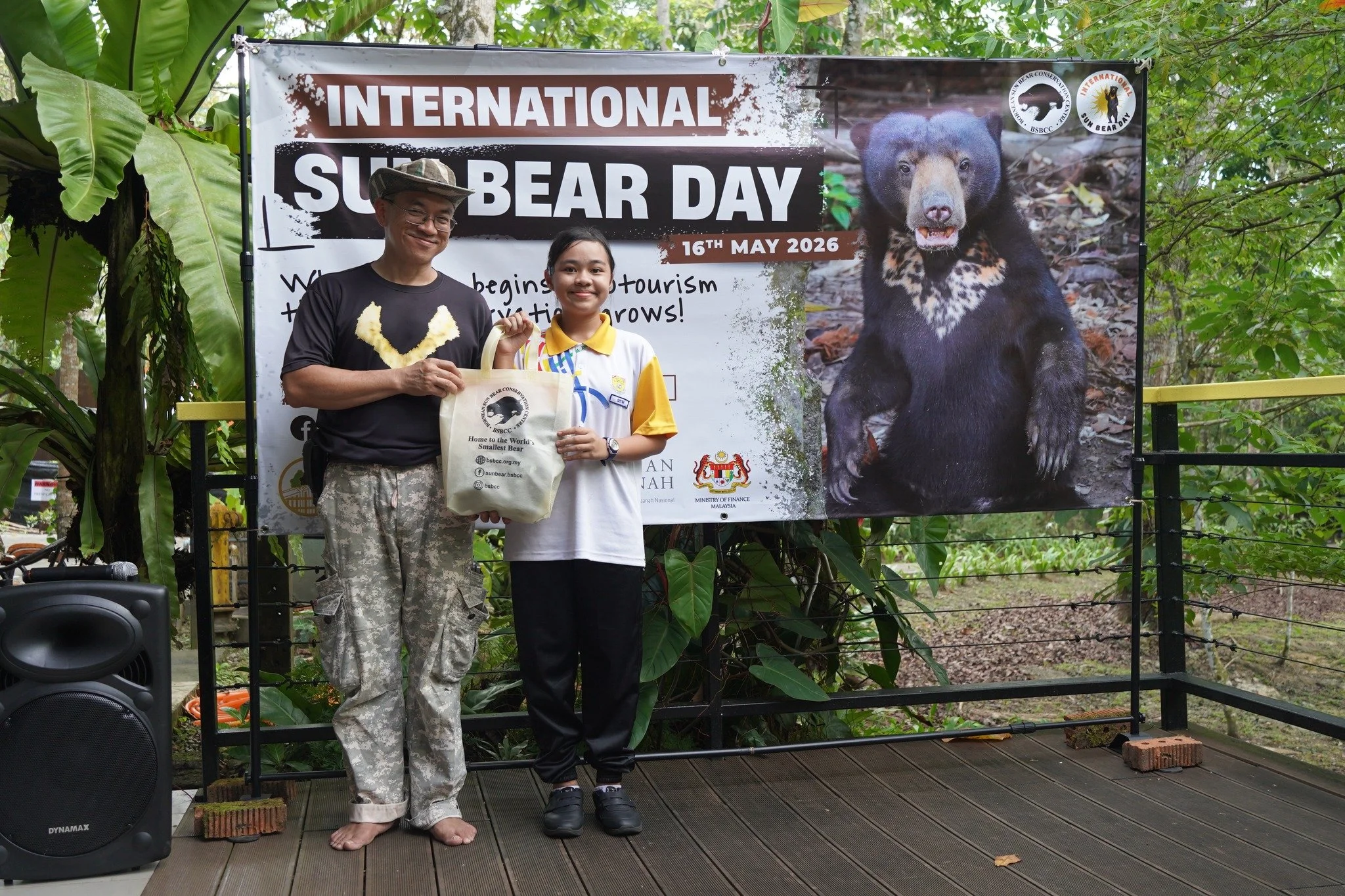
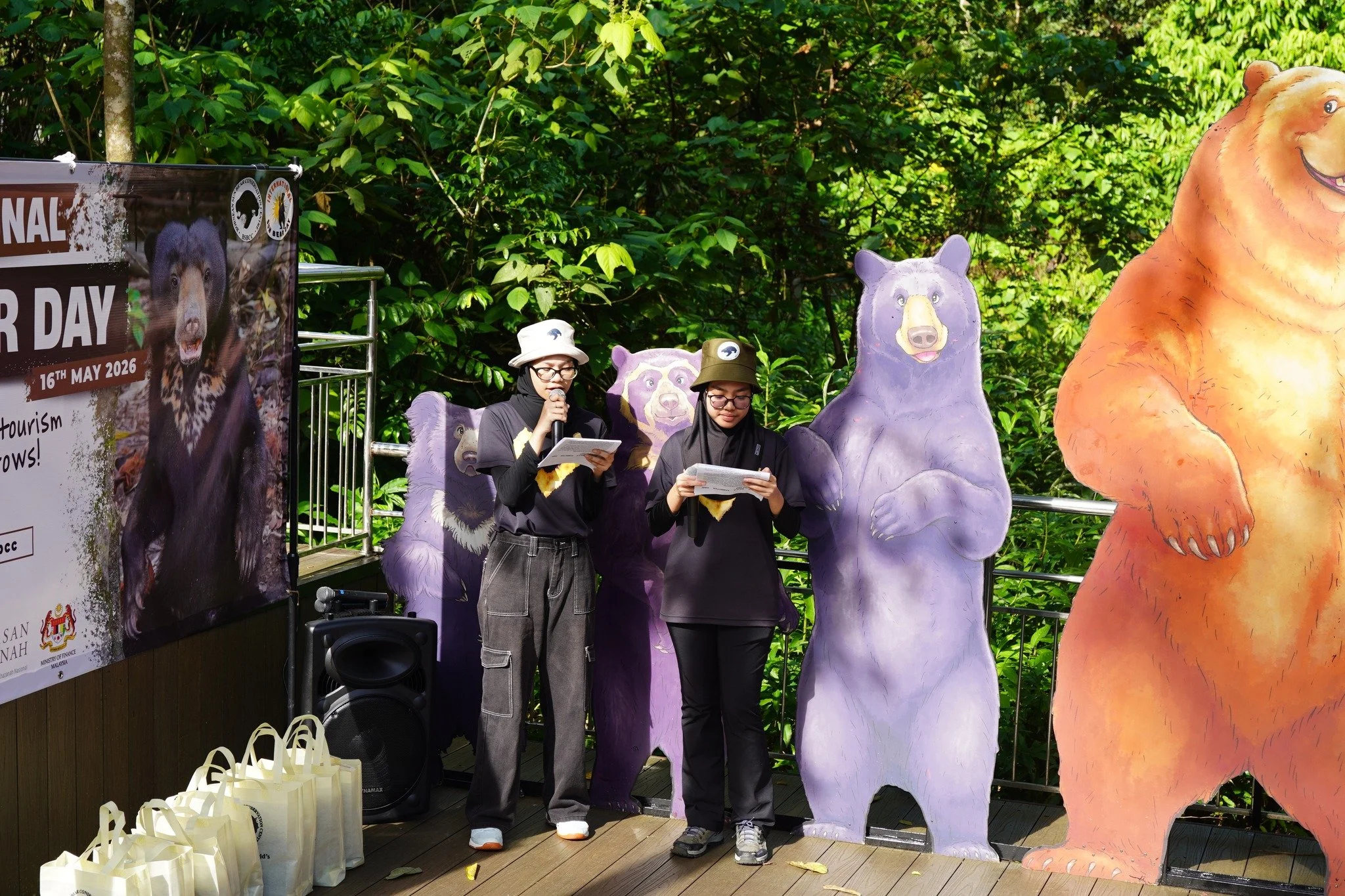
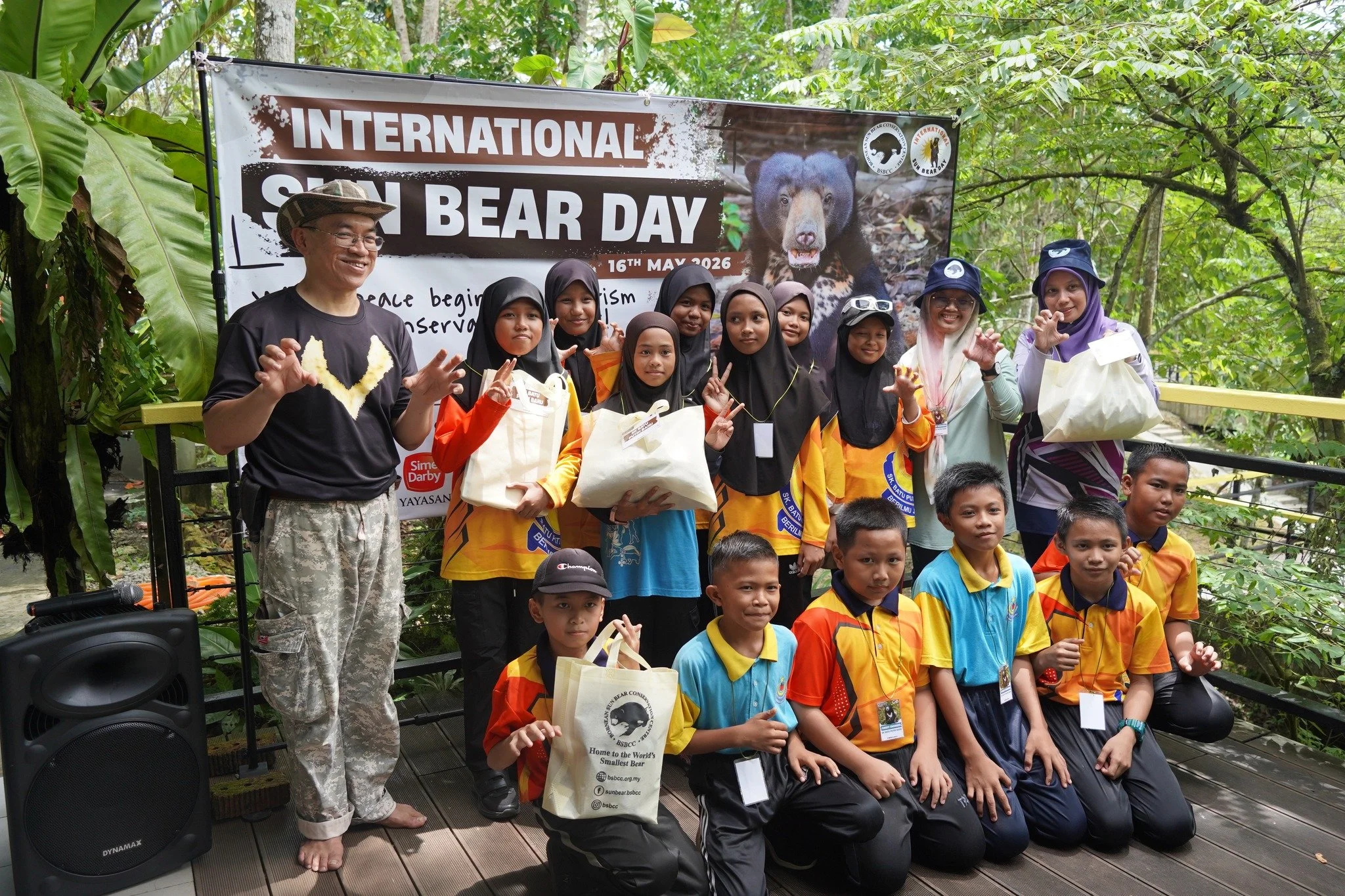
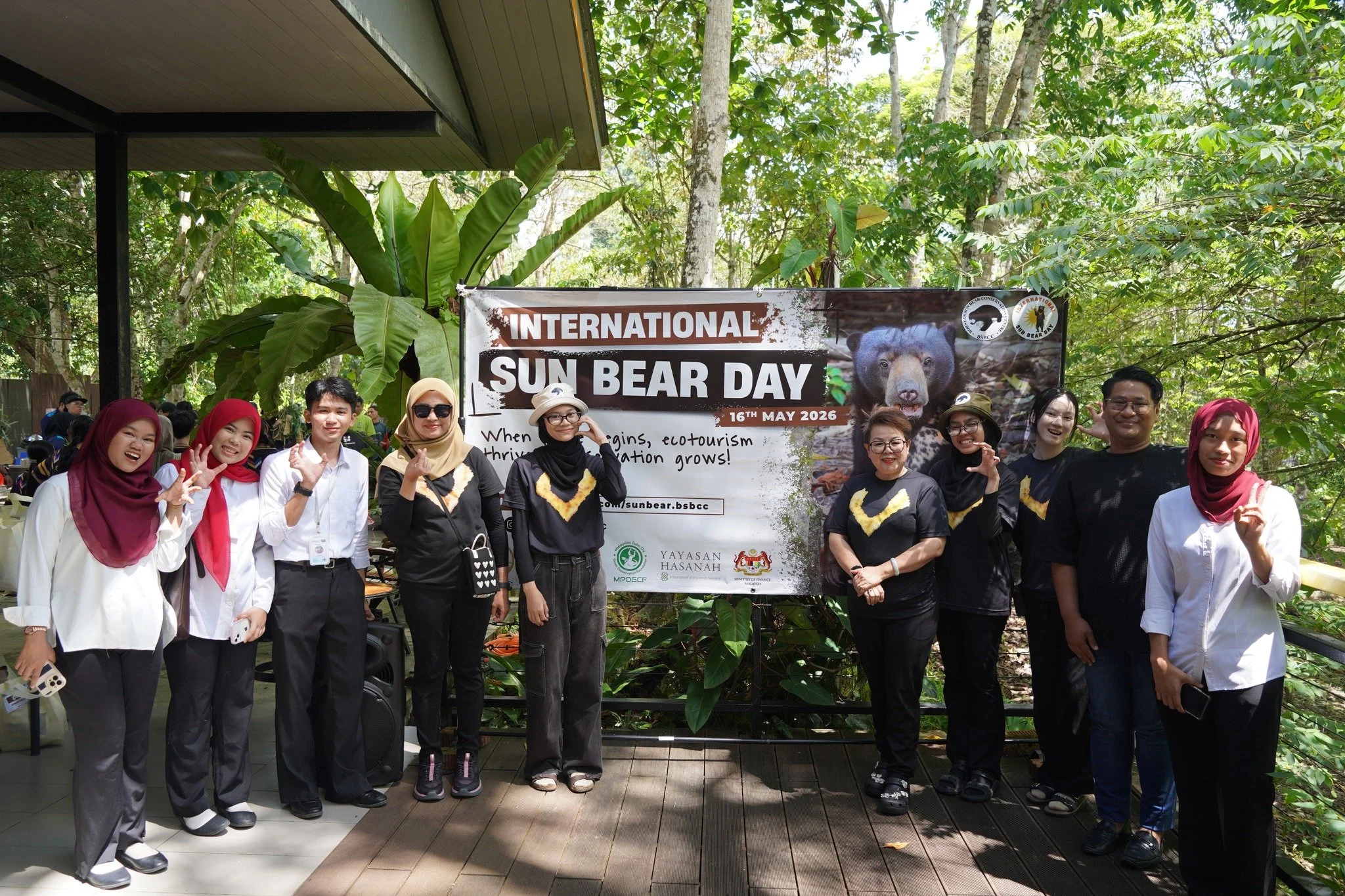
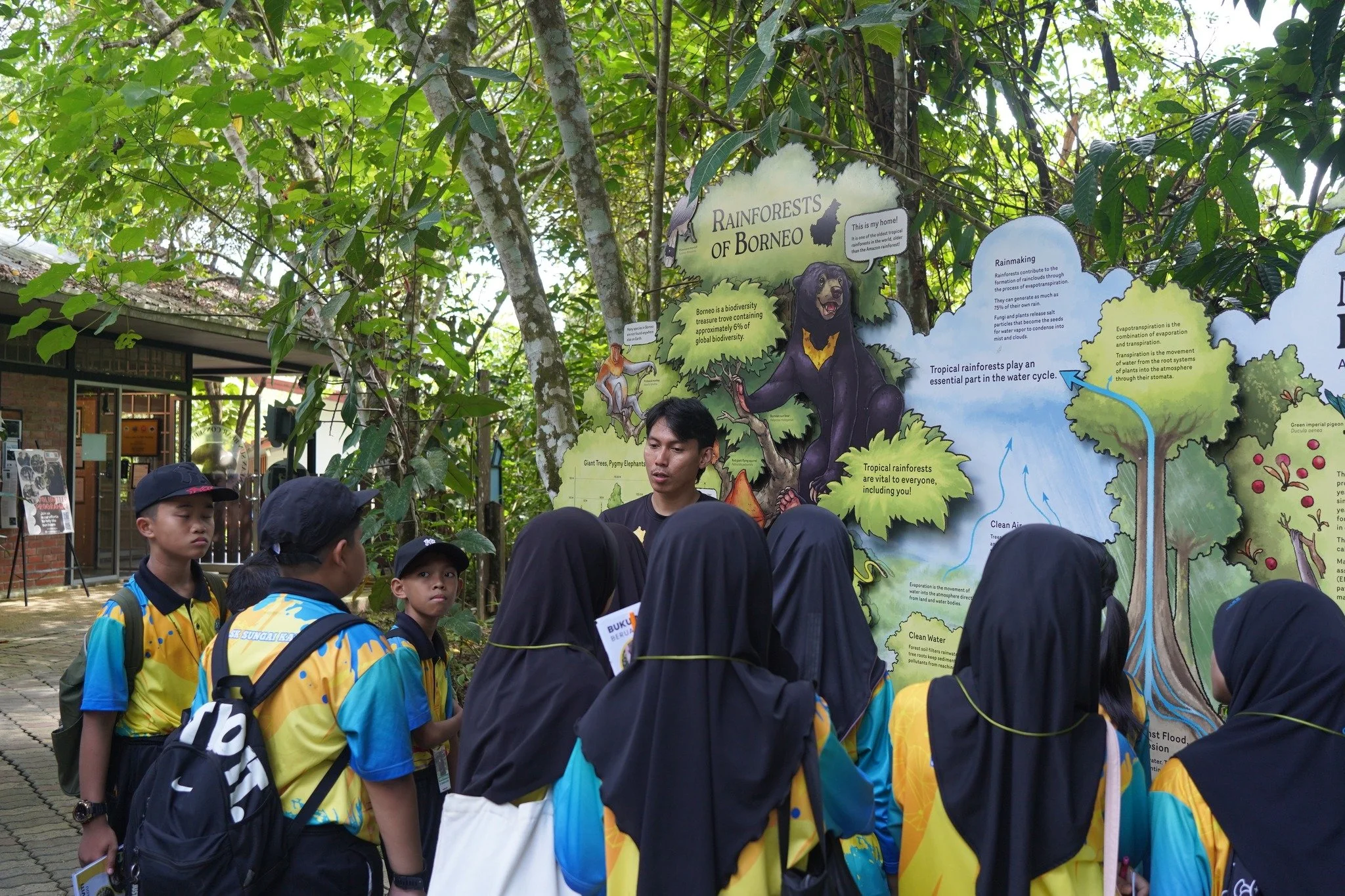
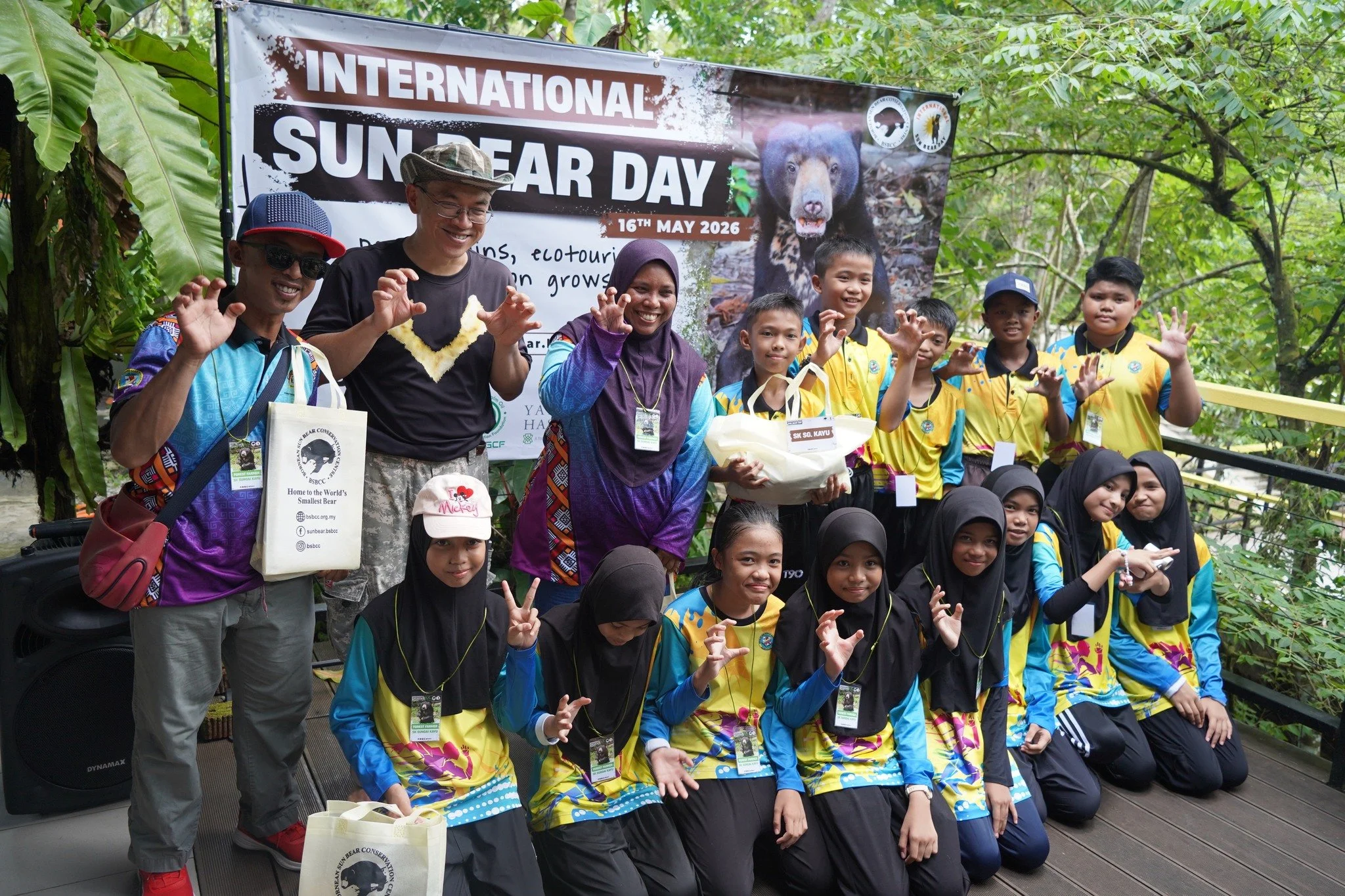
International Sun Bear Day 2026
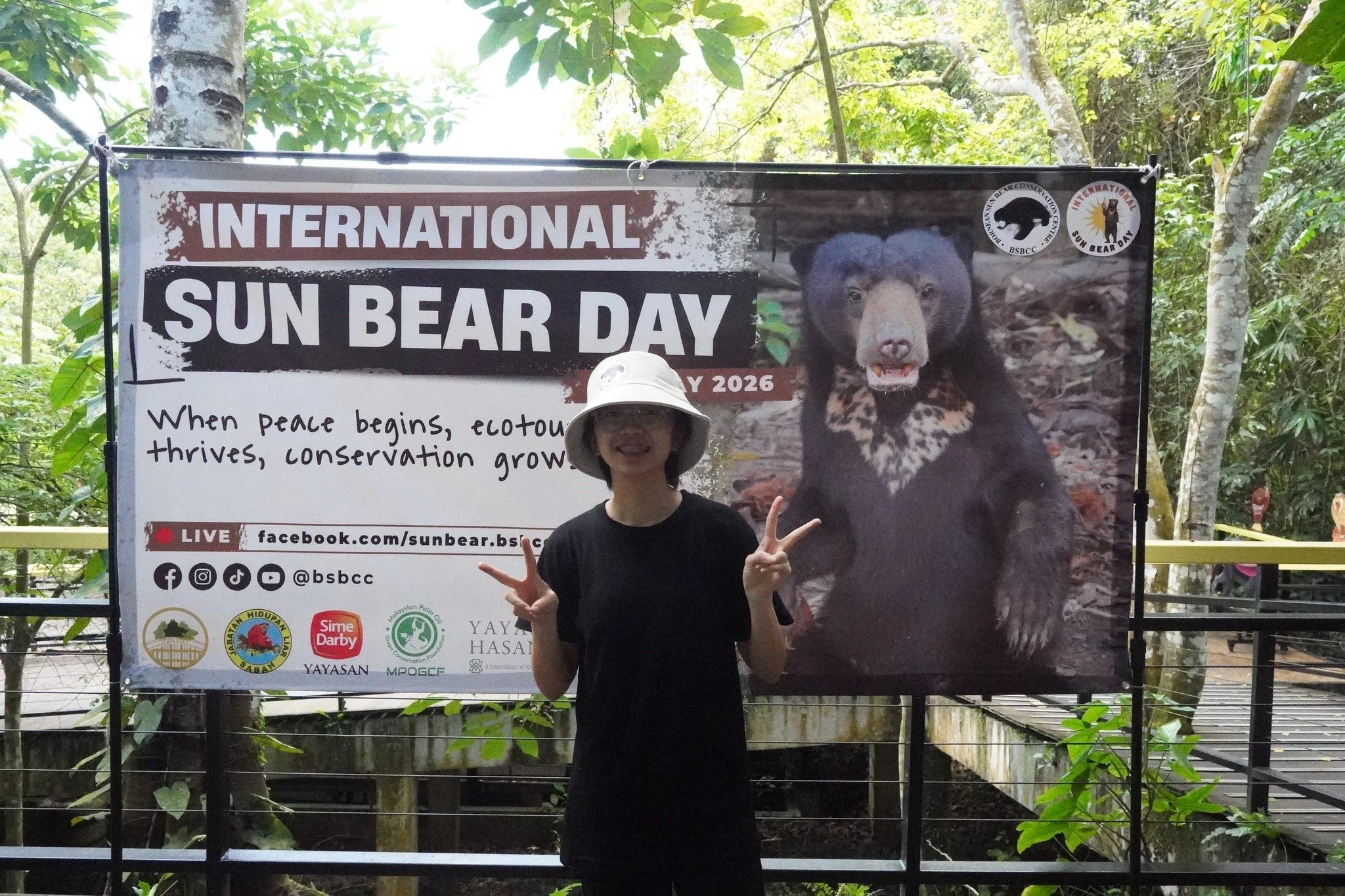
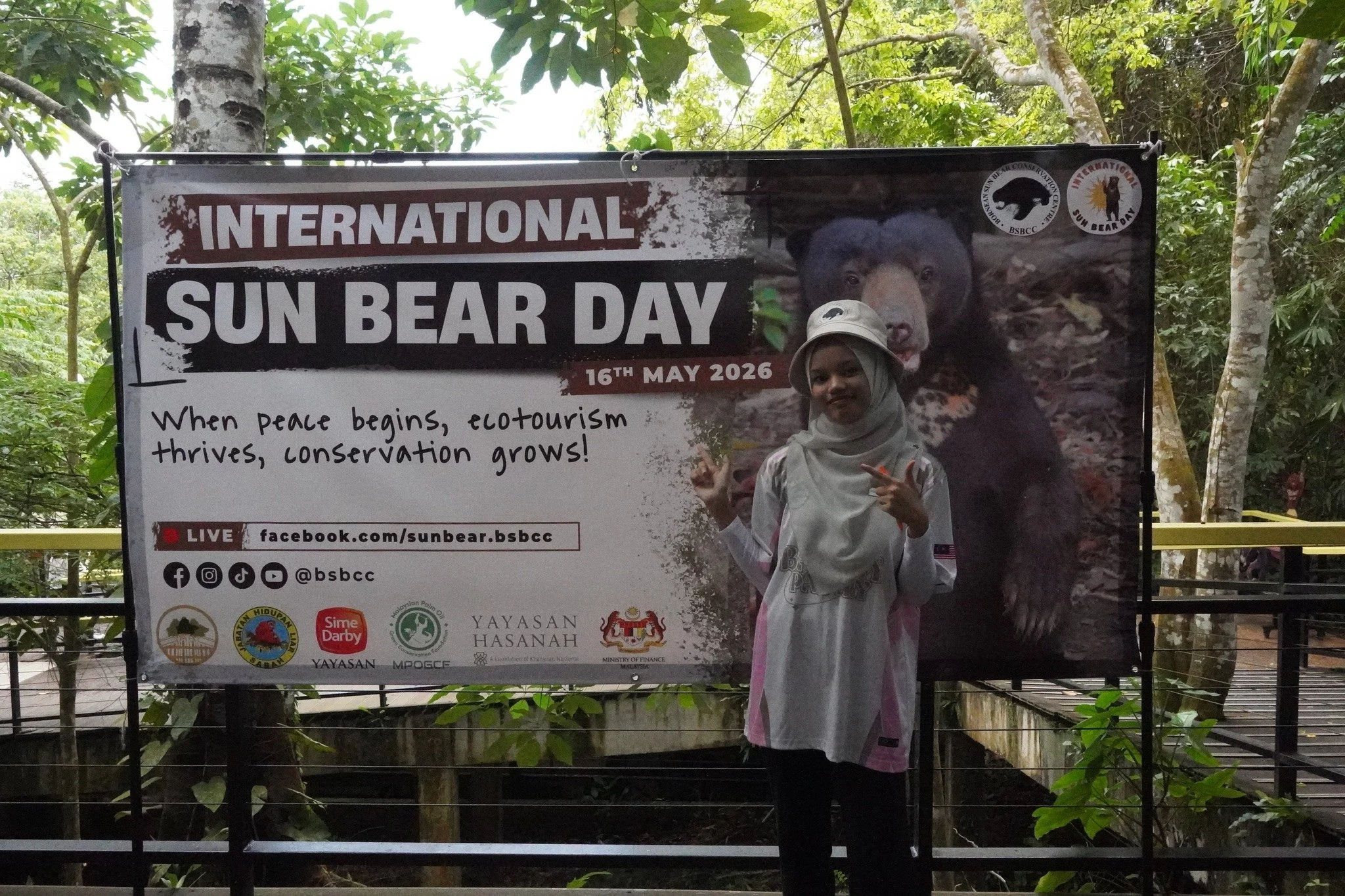
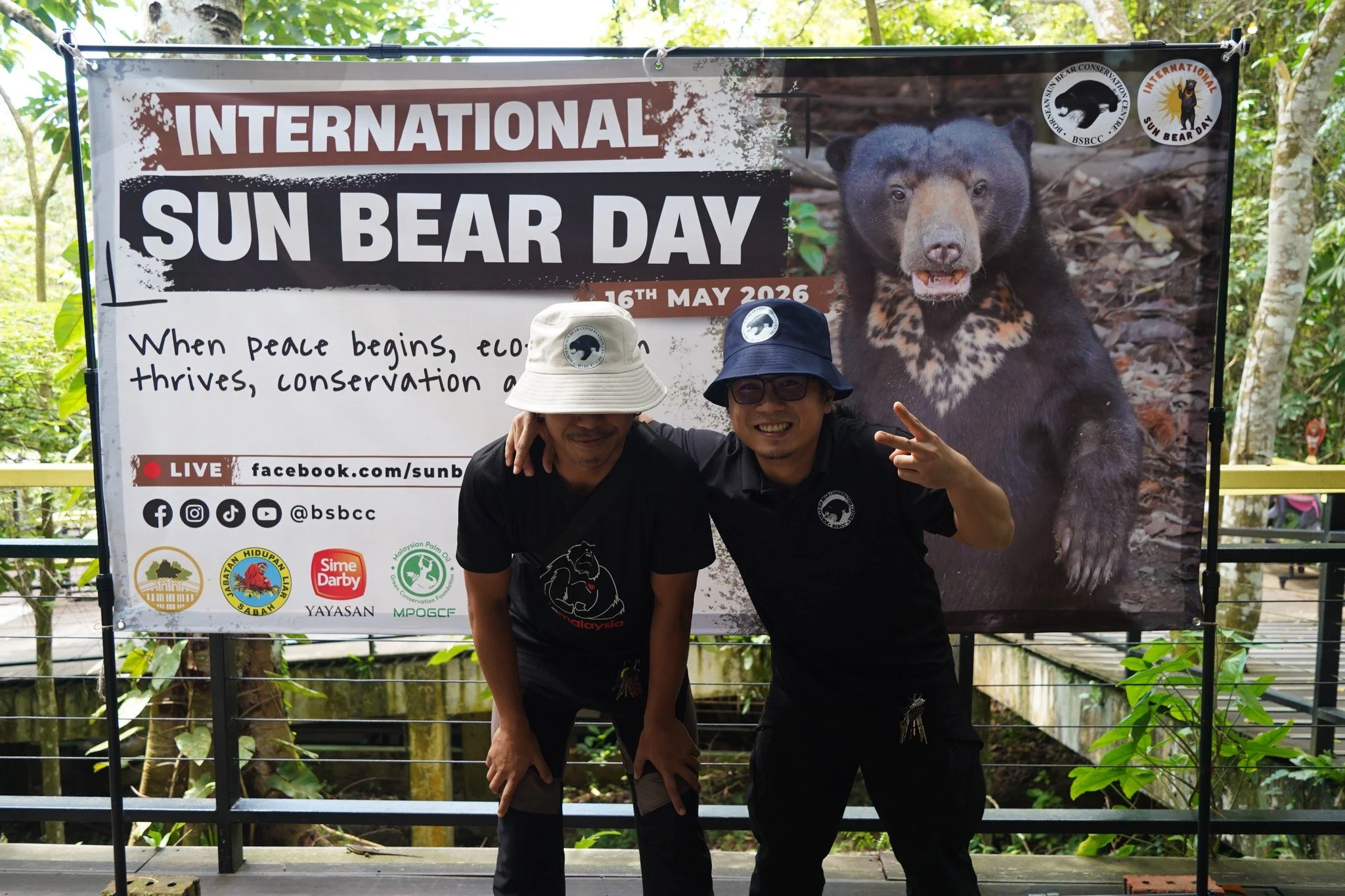
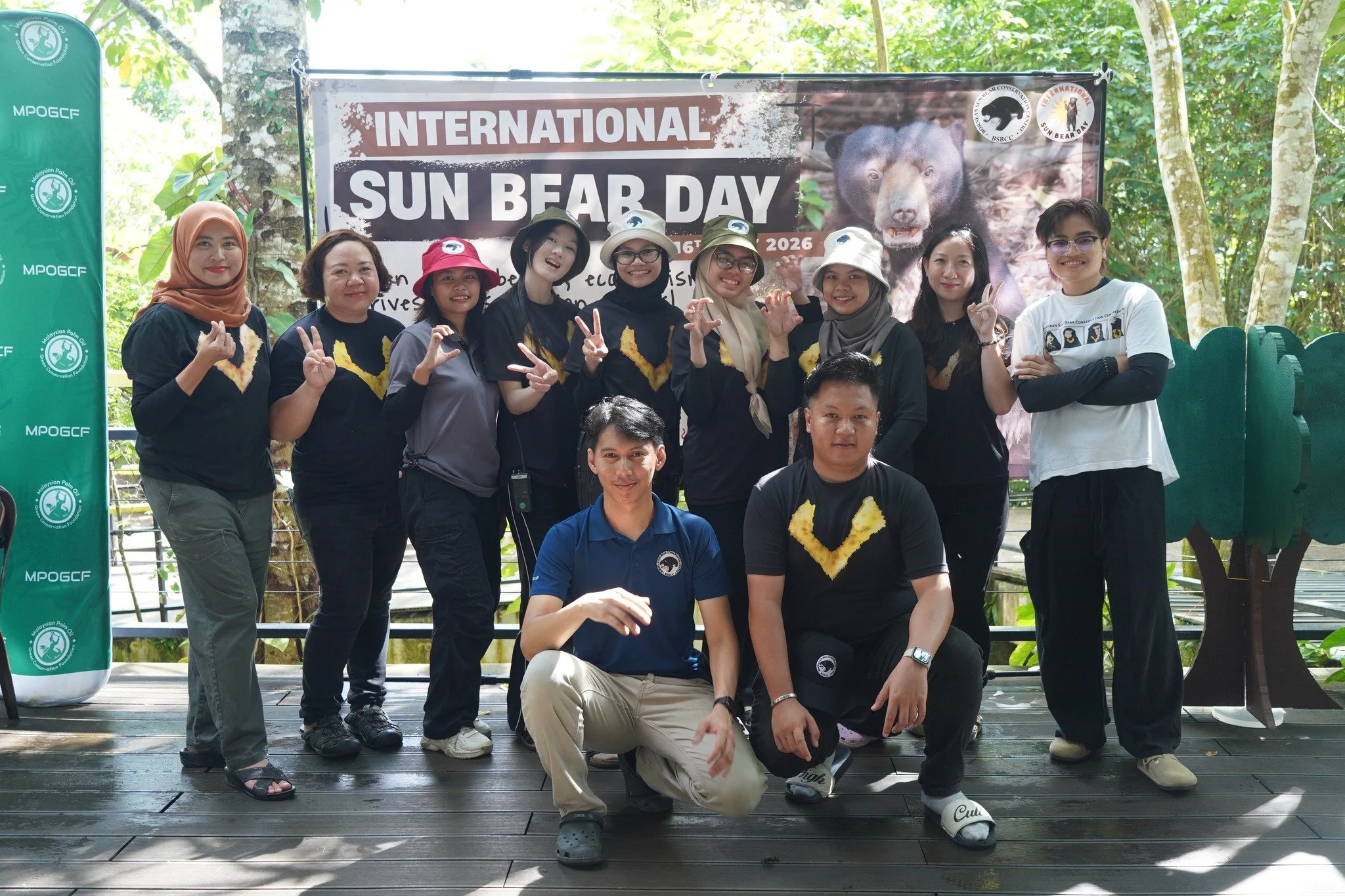
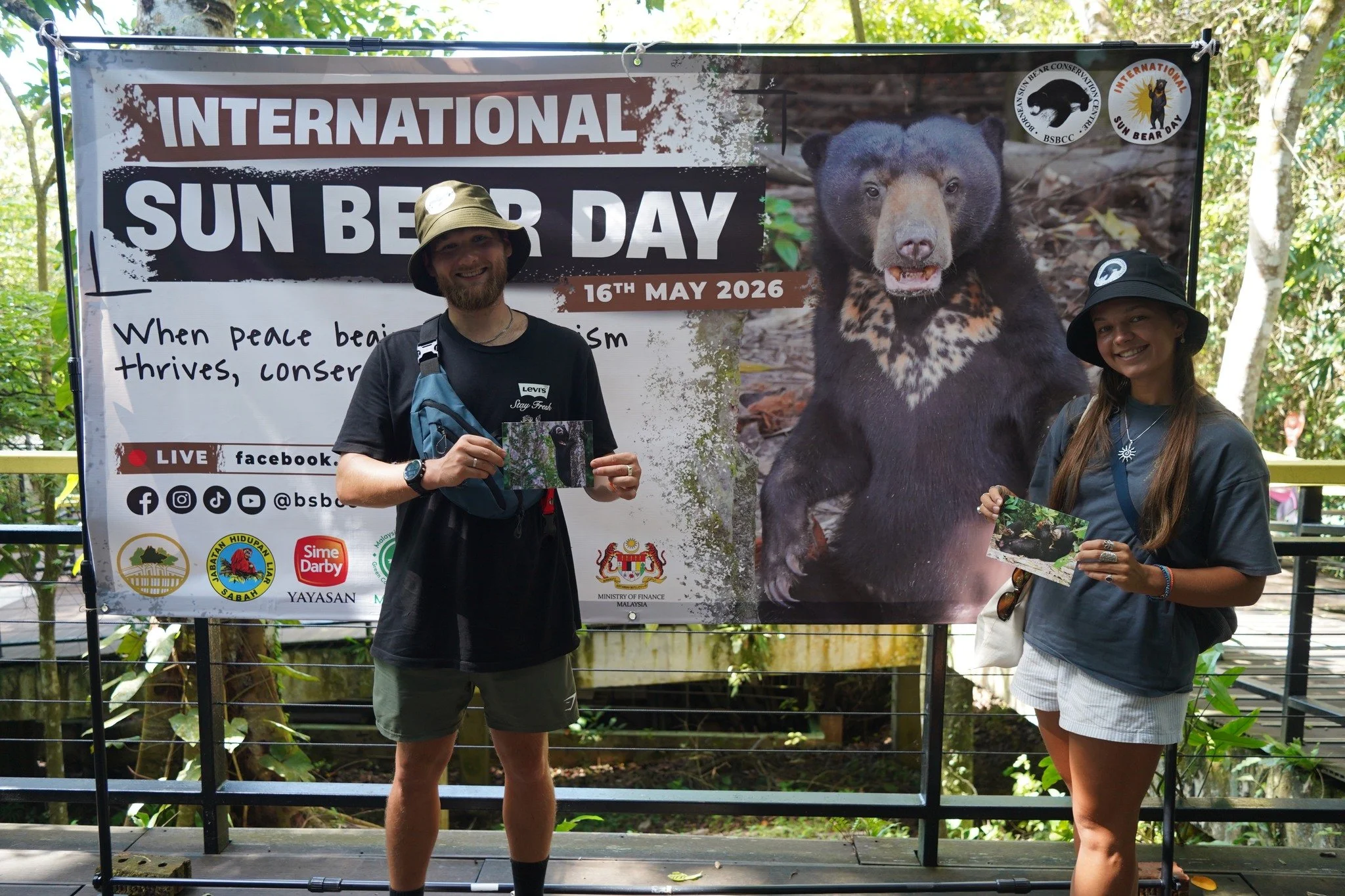
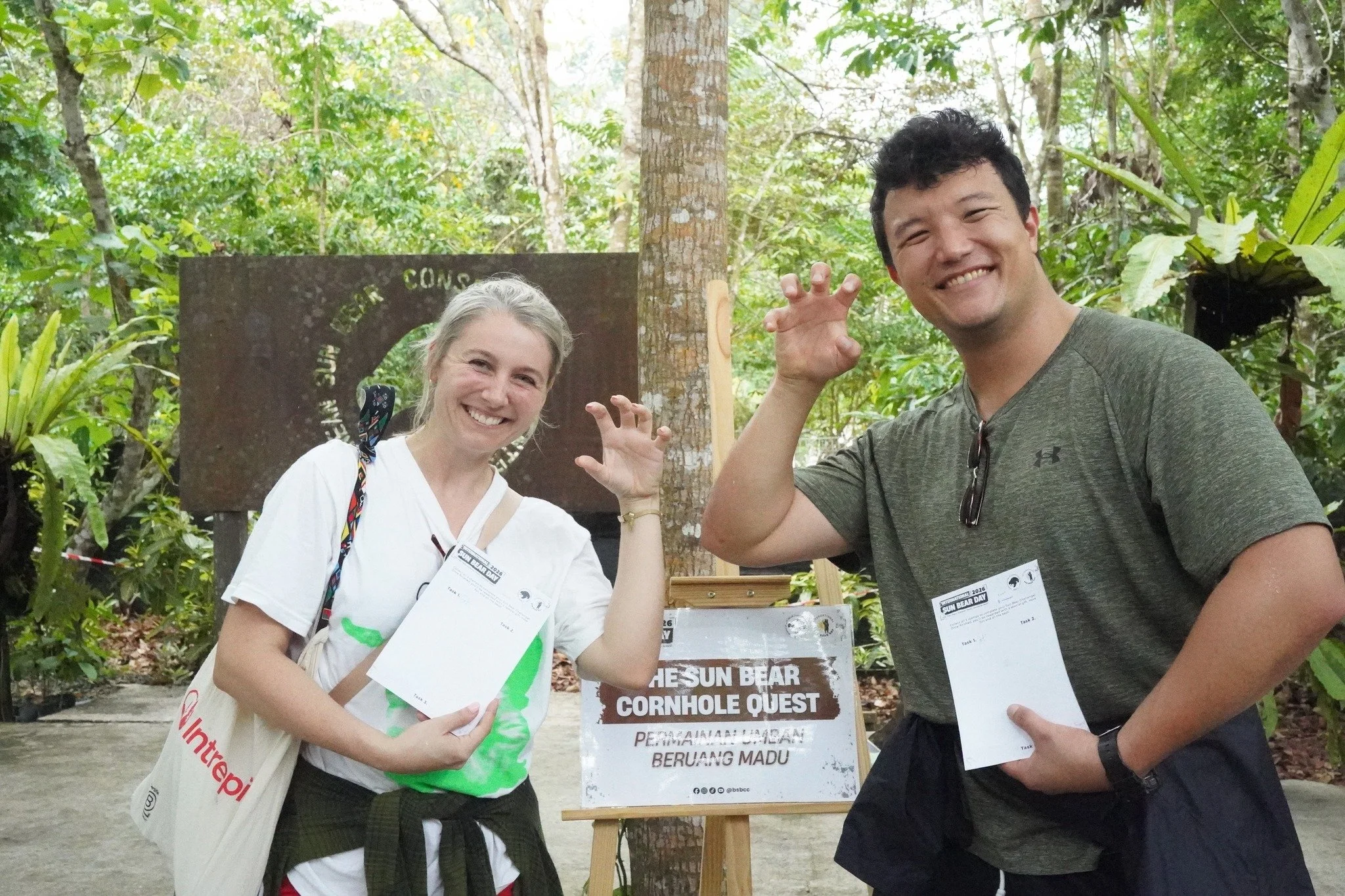
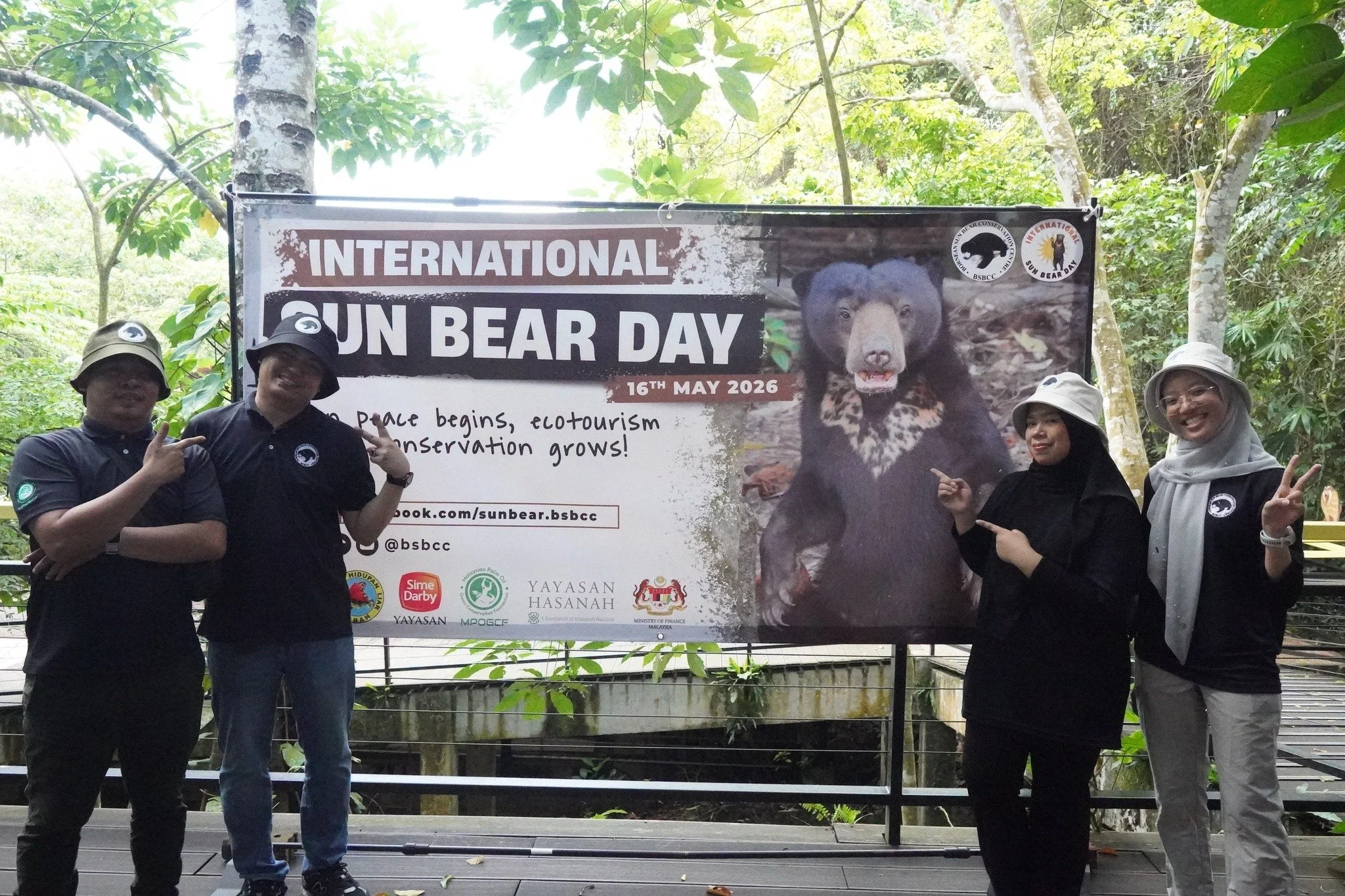
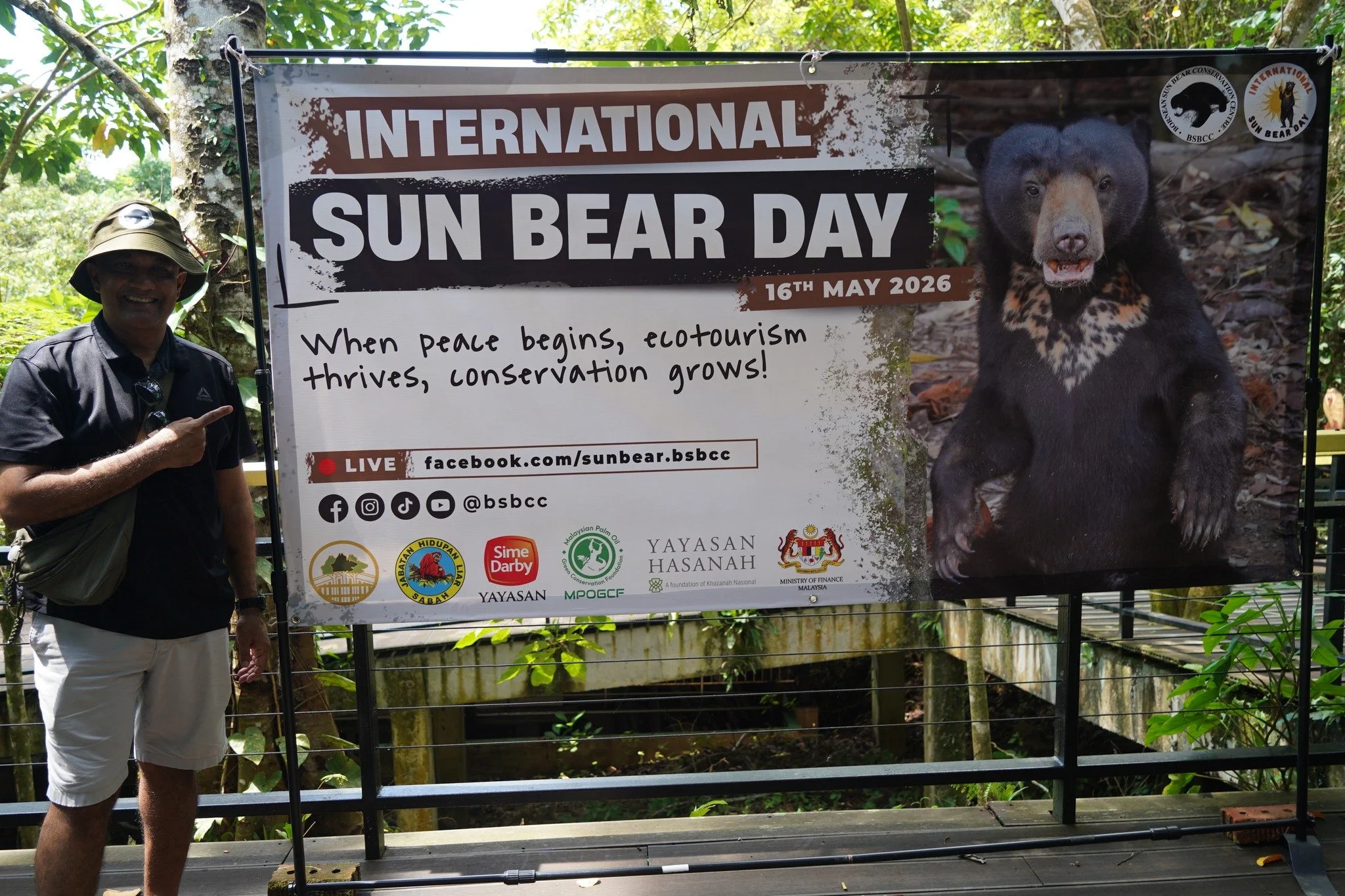
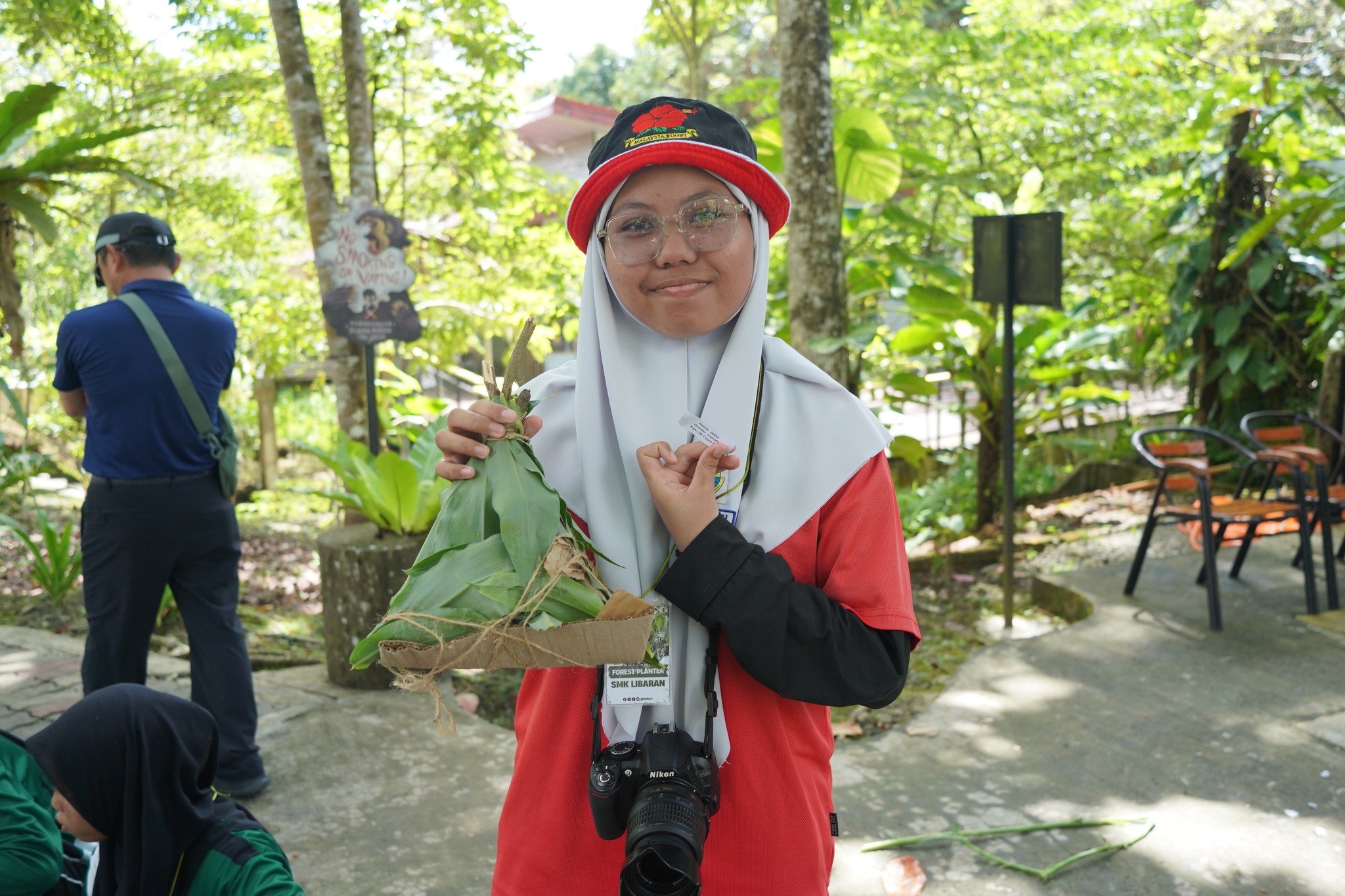
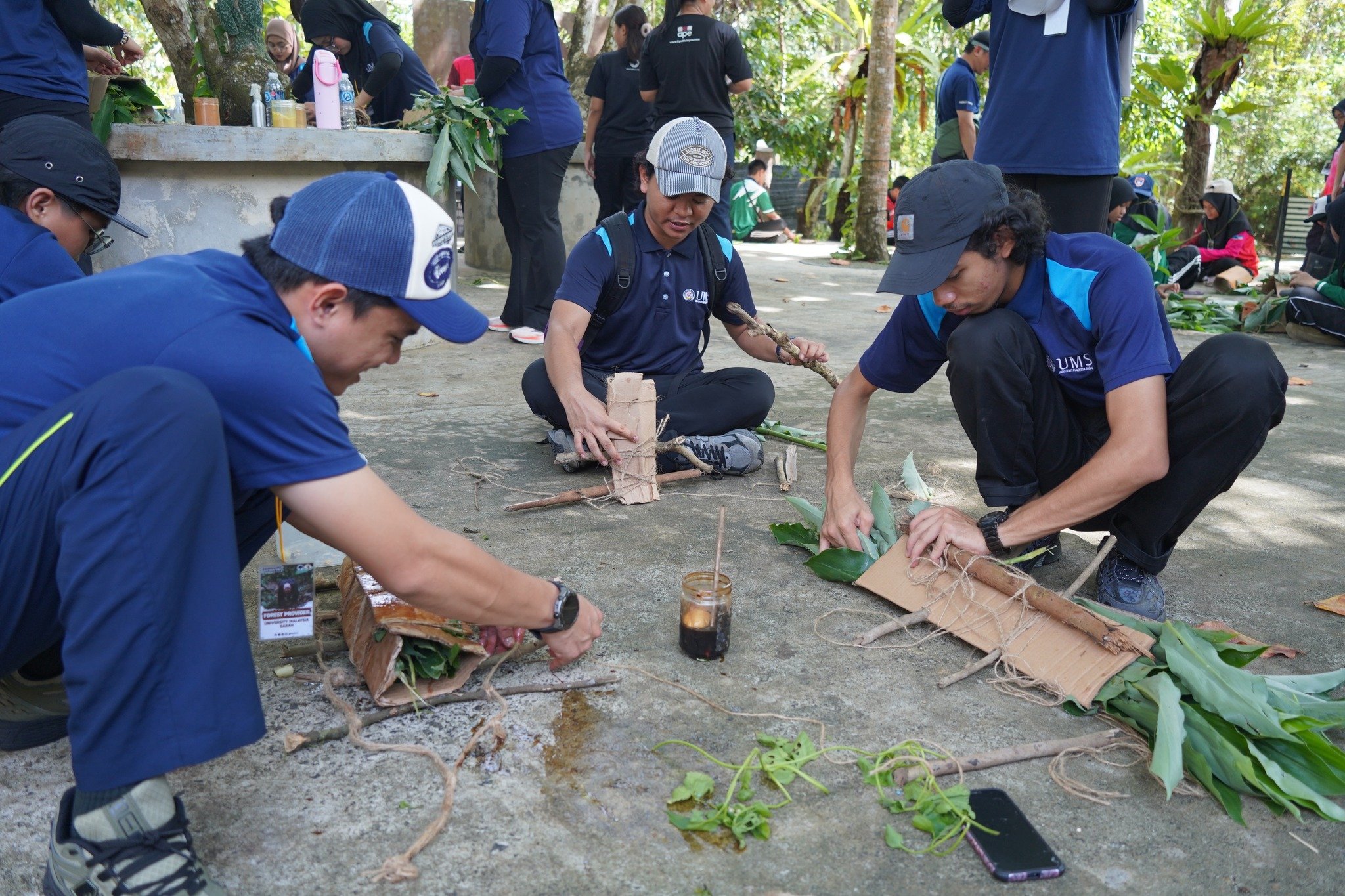
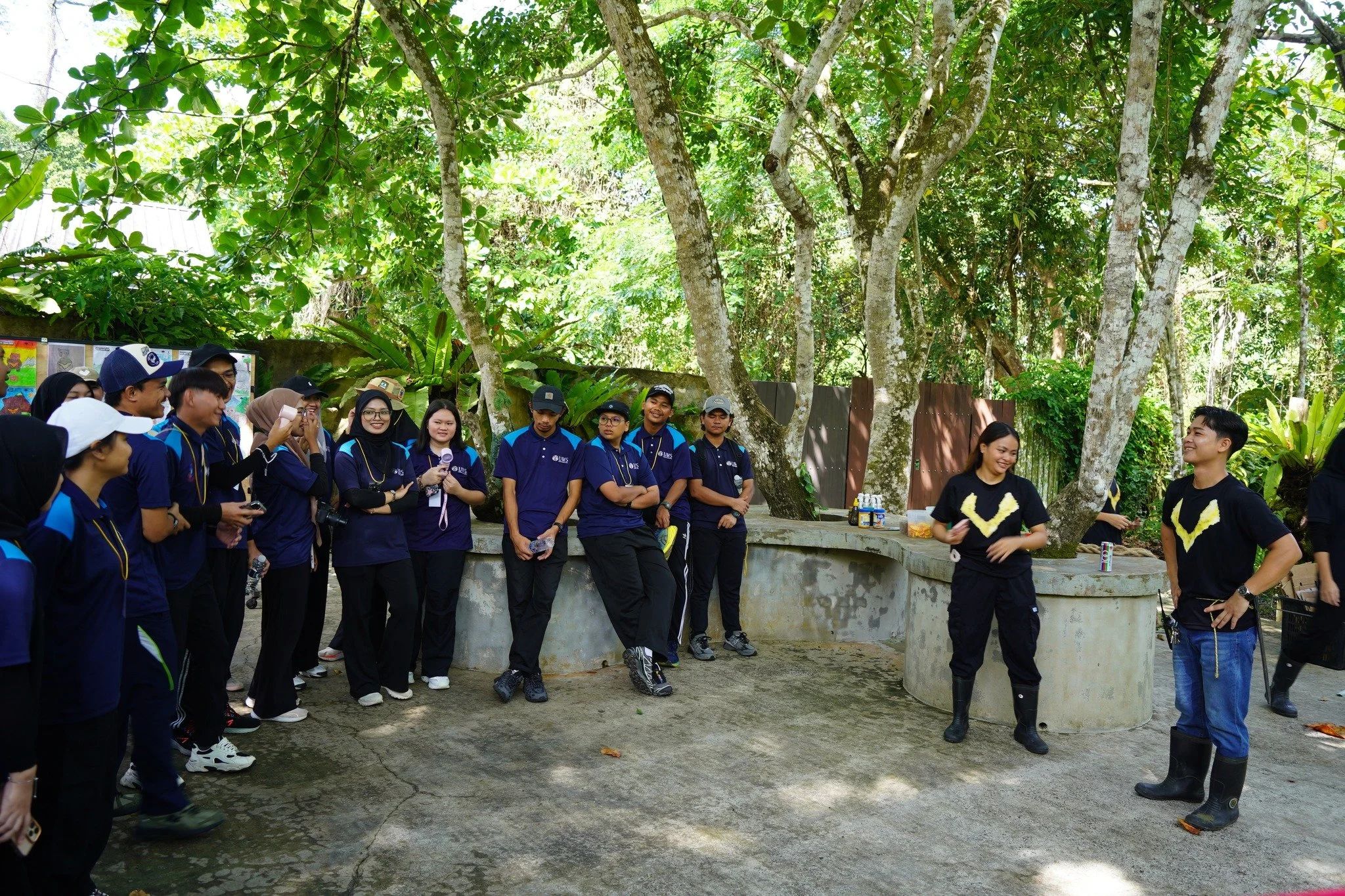
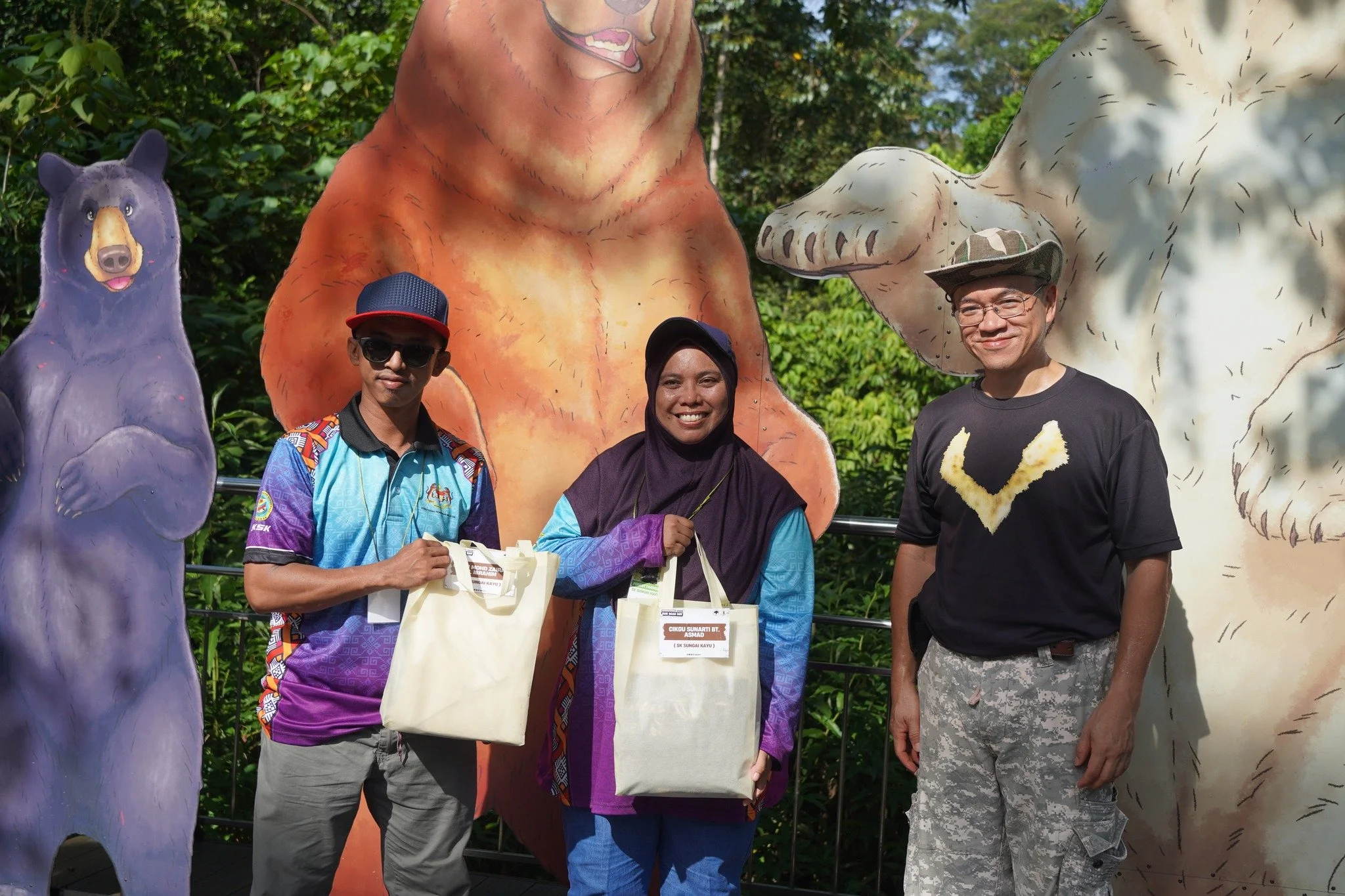
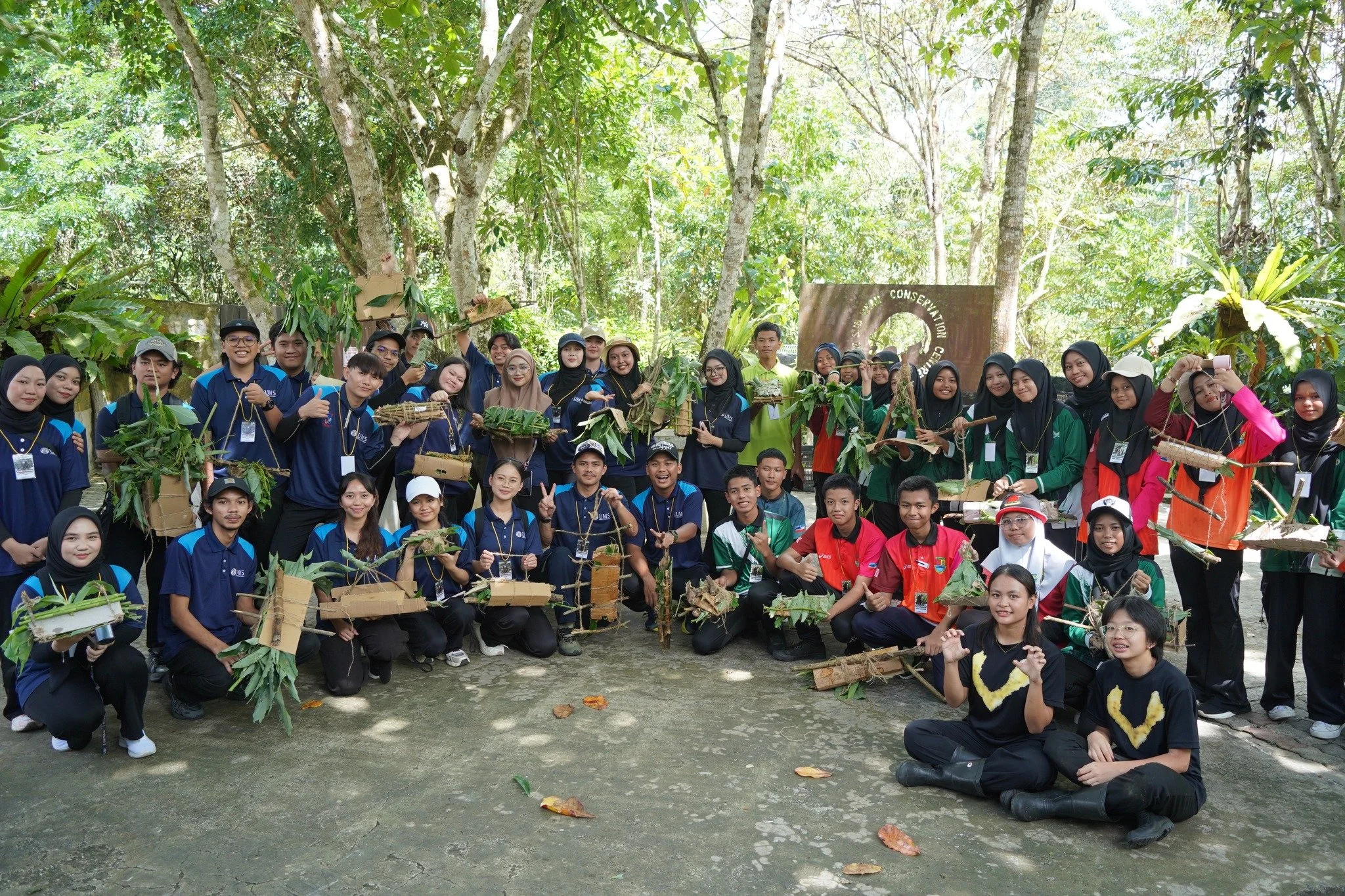
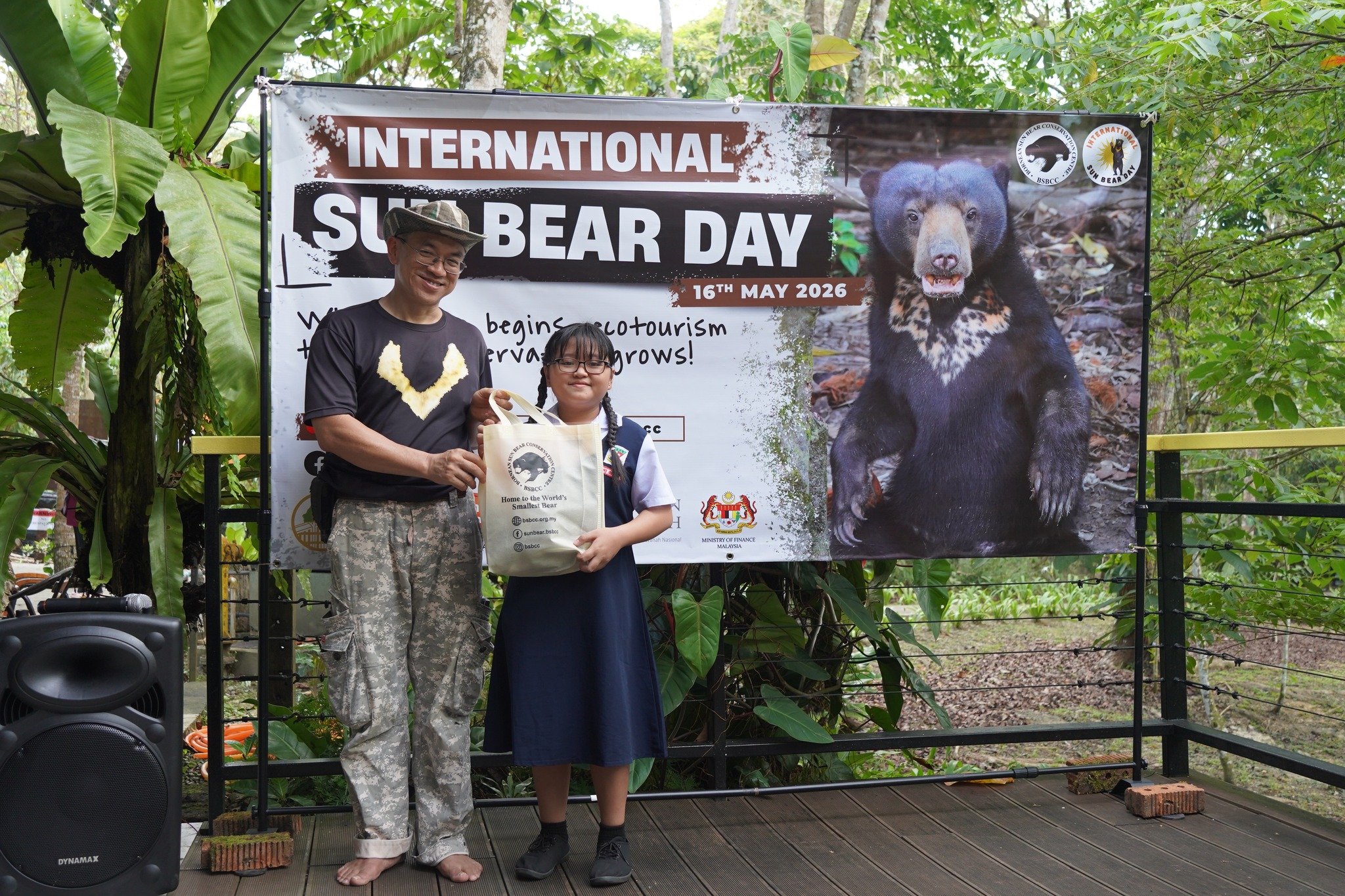
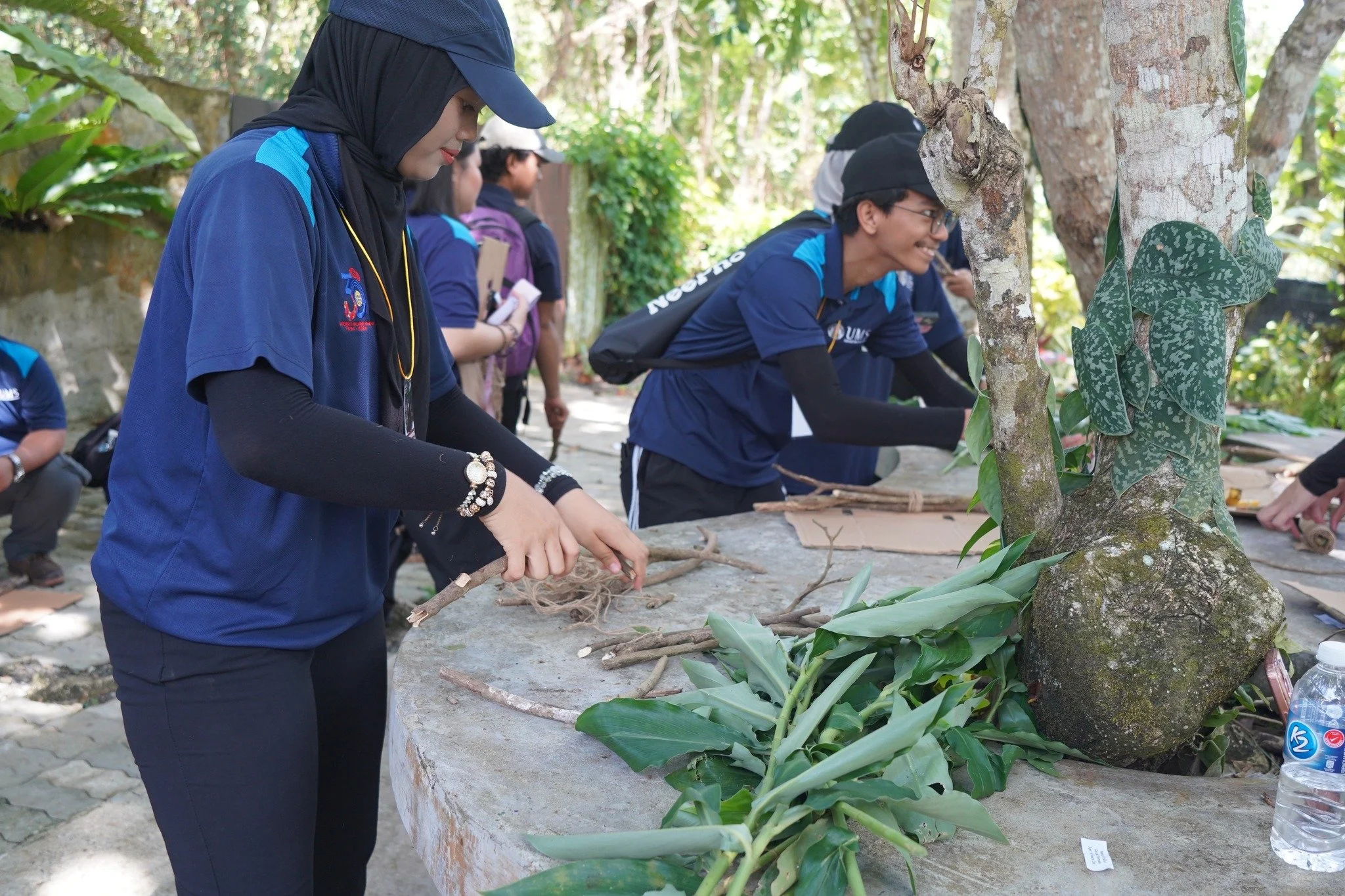
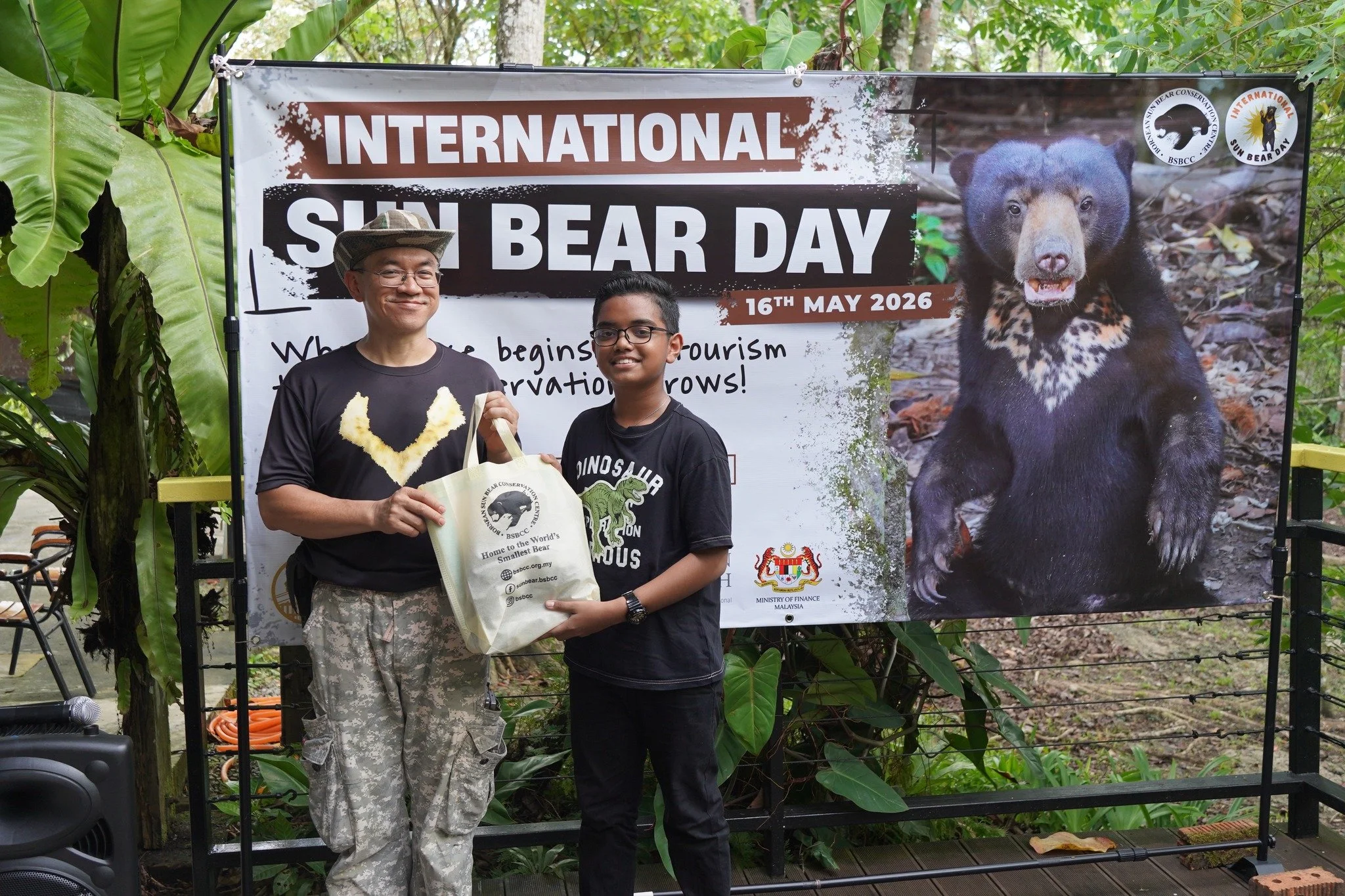
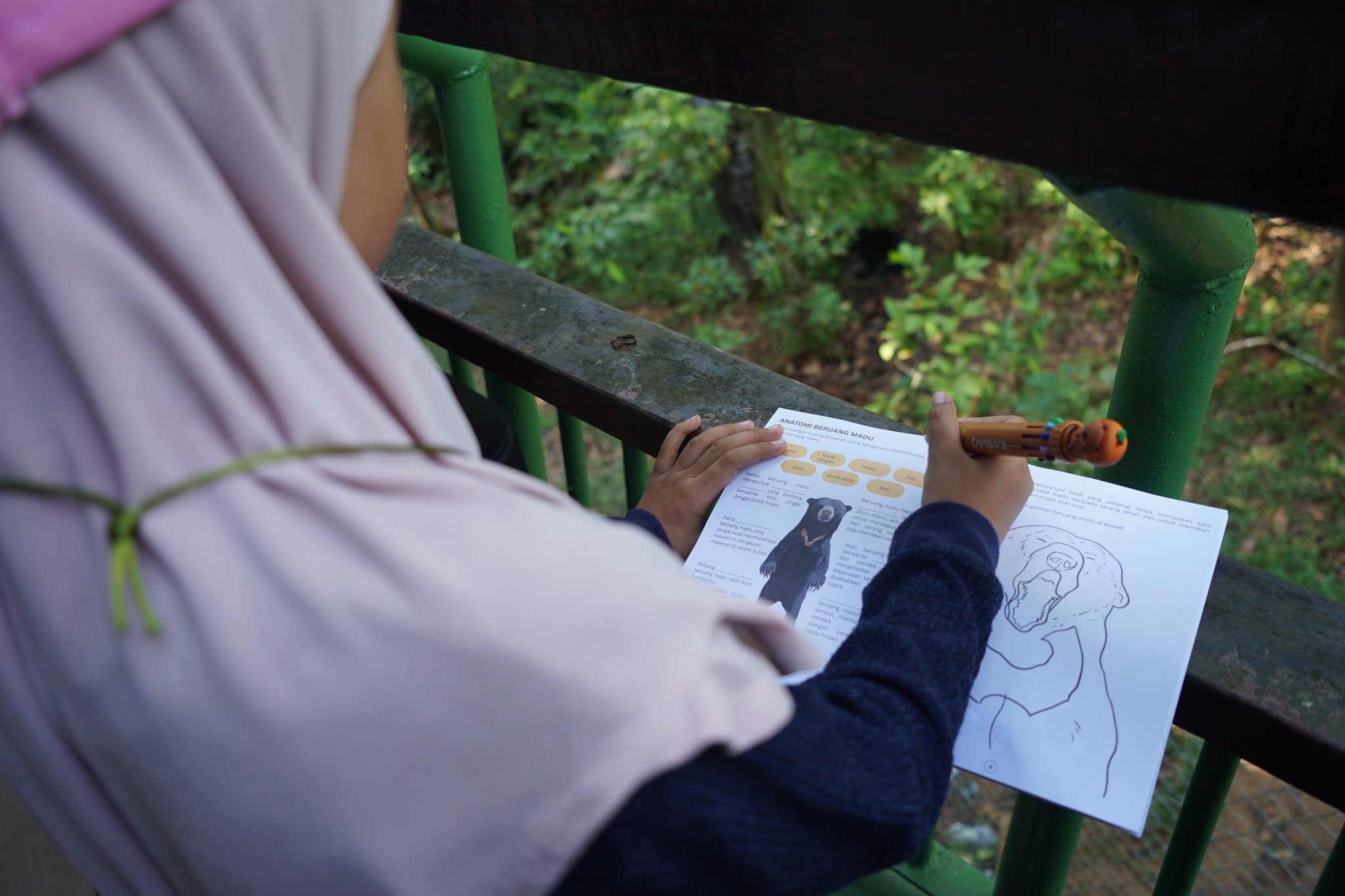
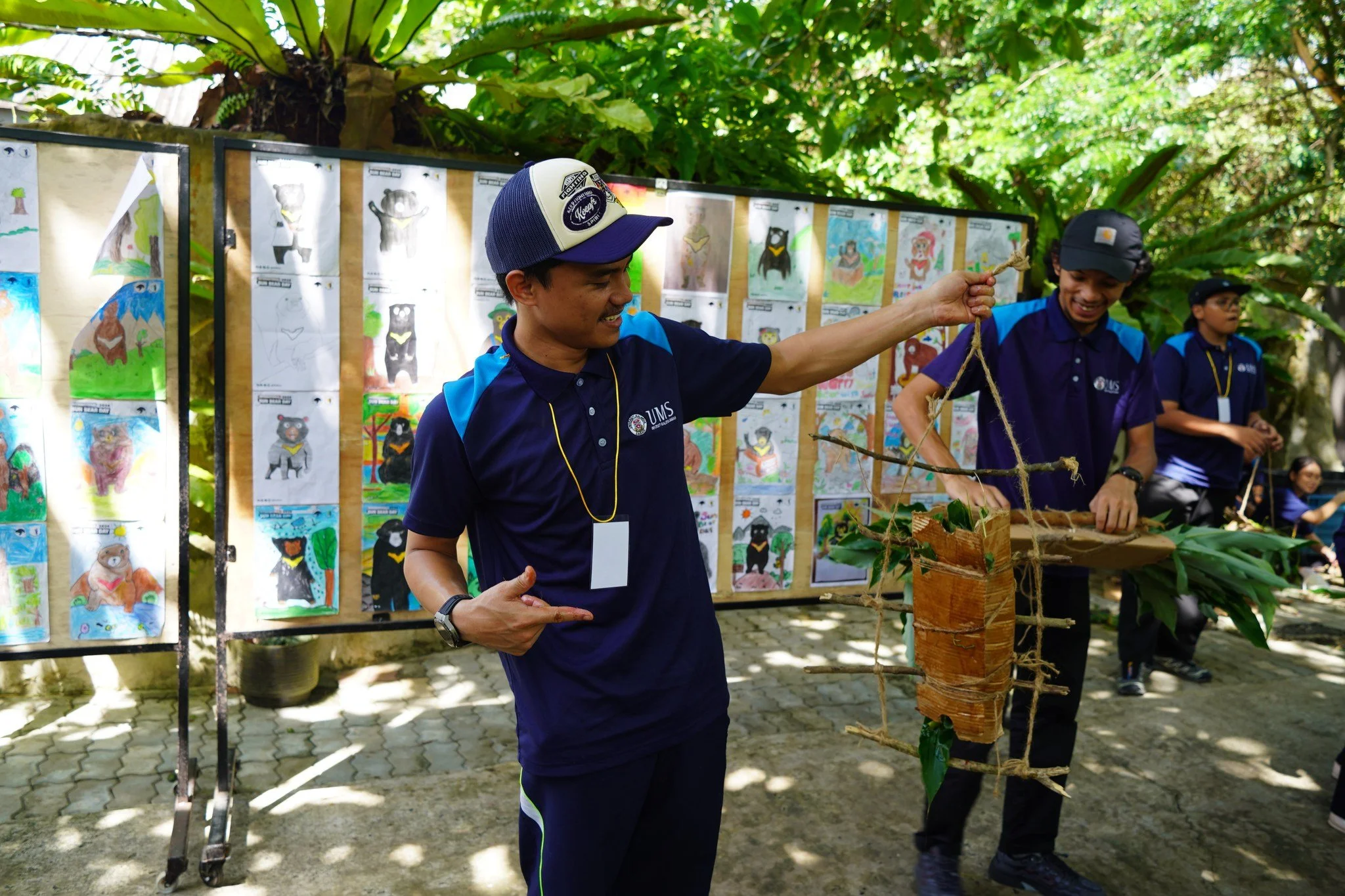
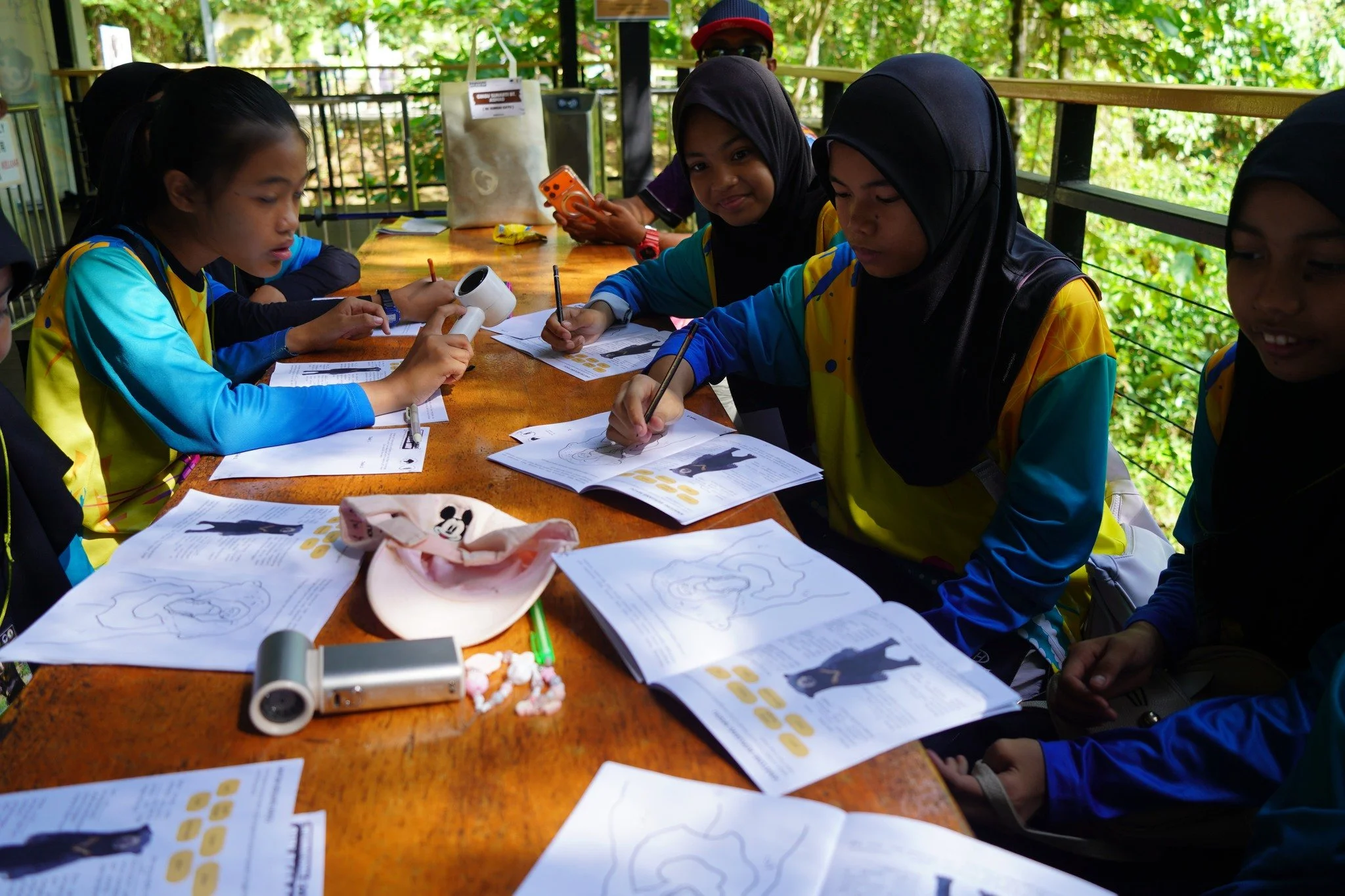
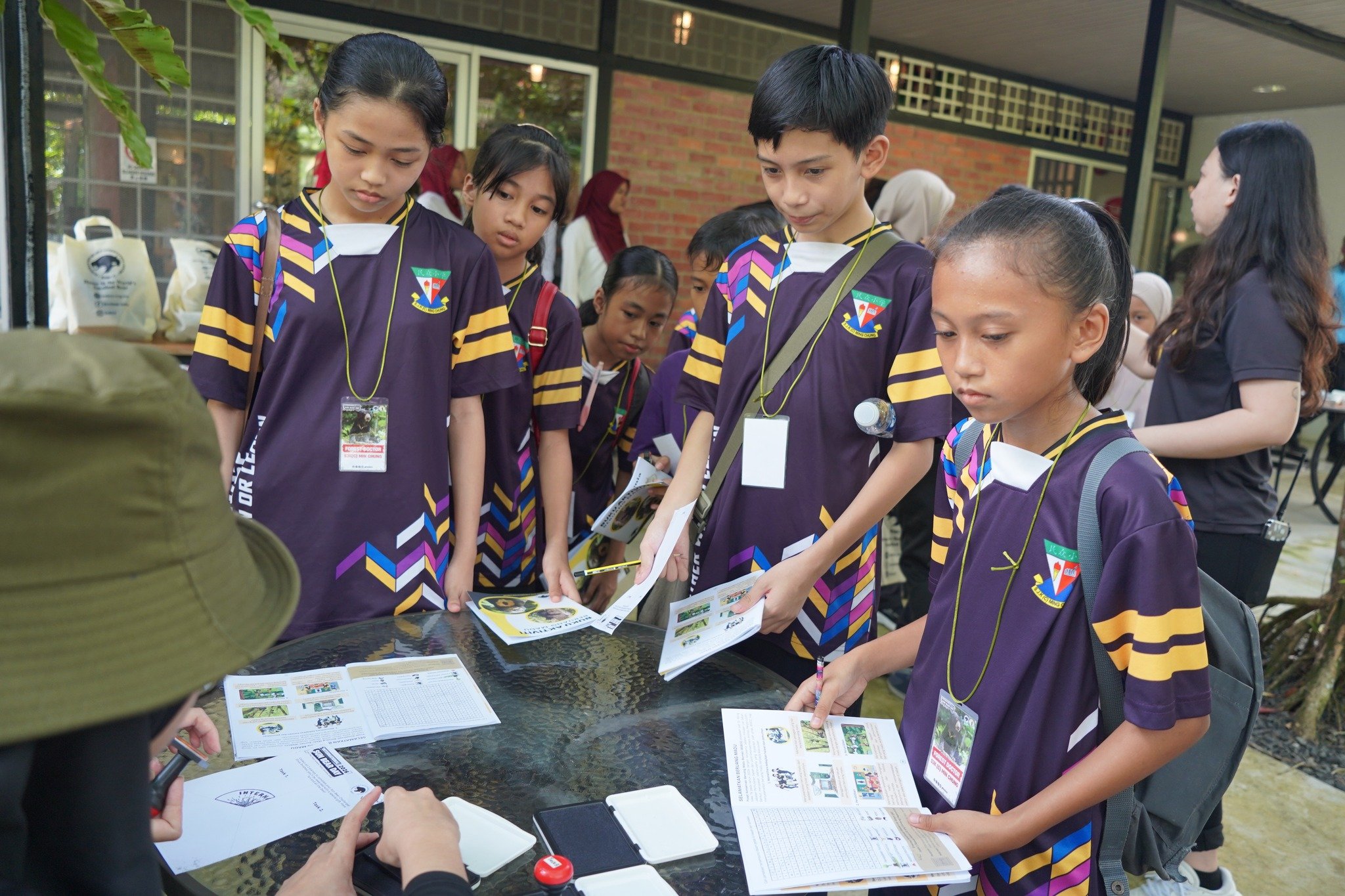
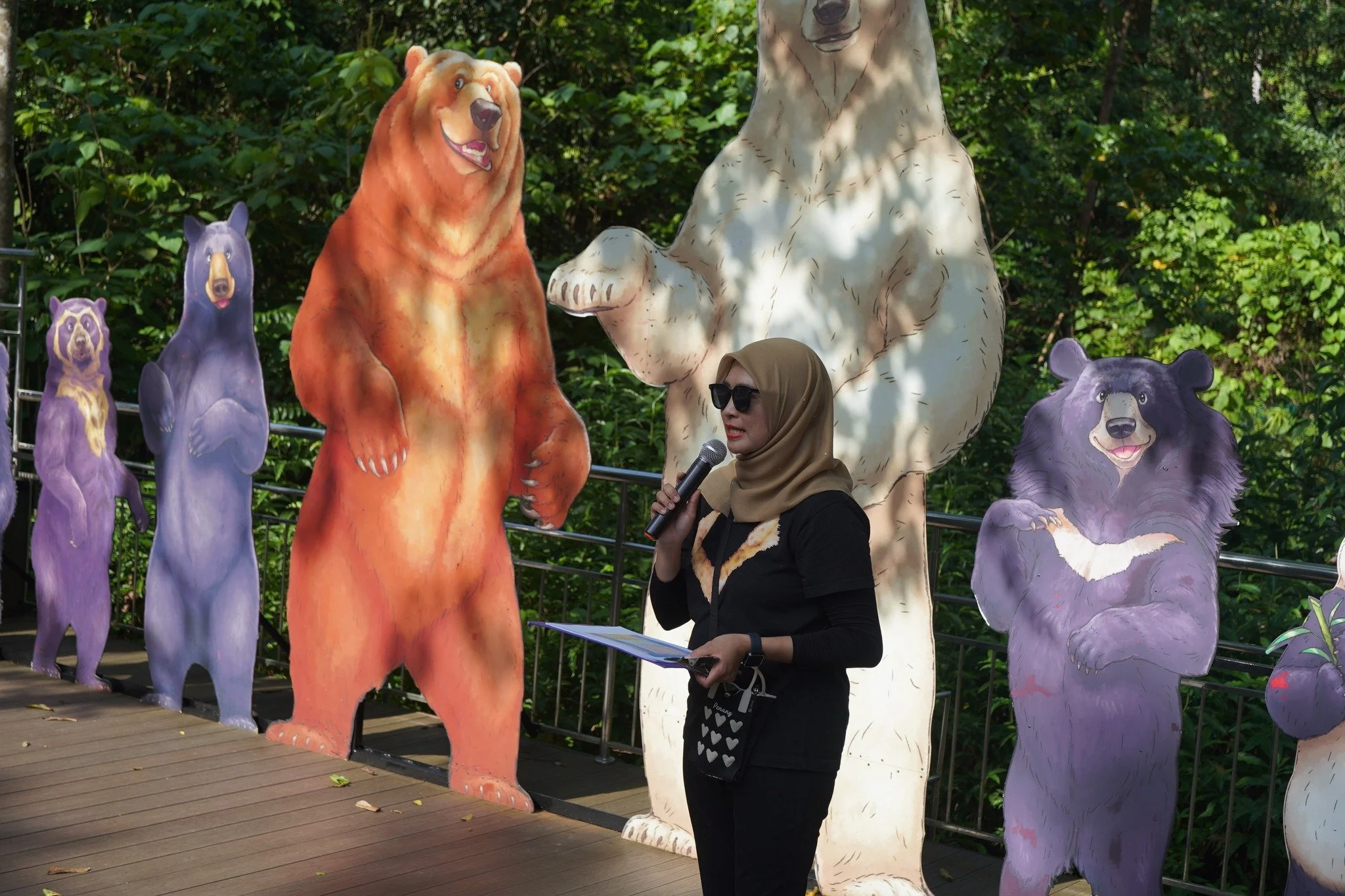
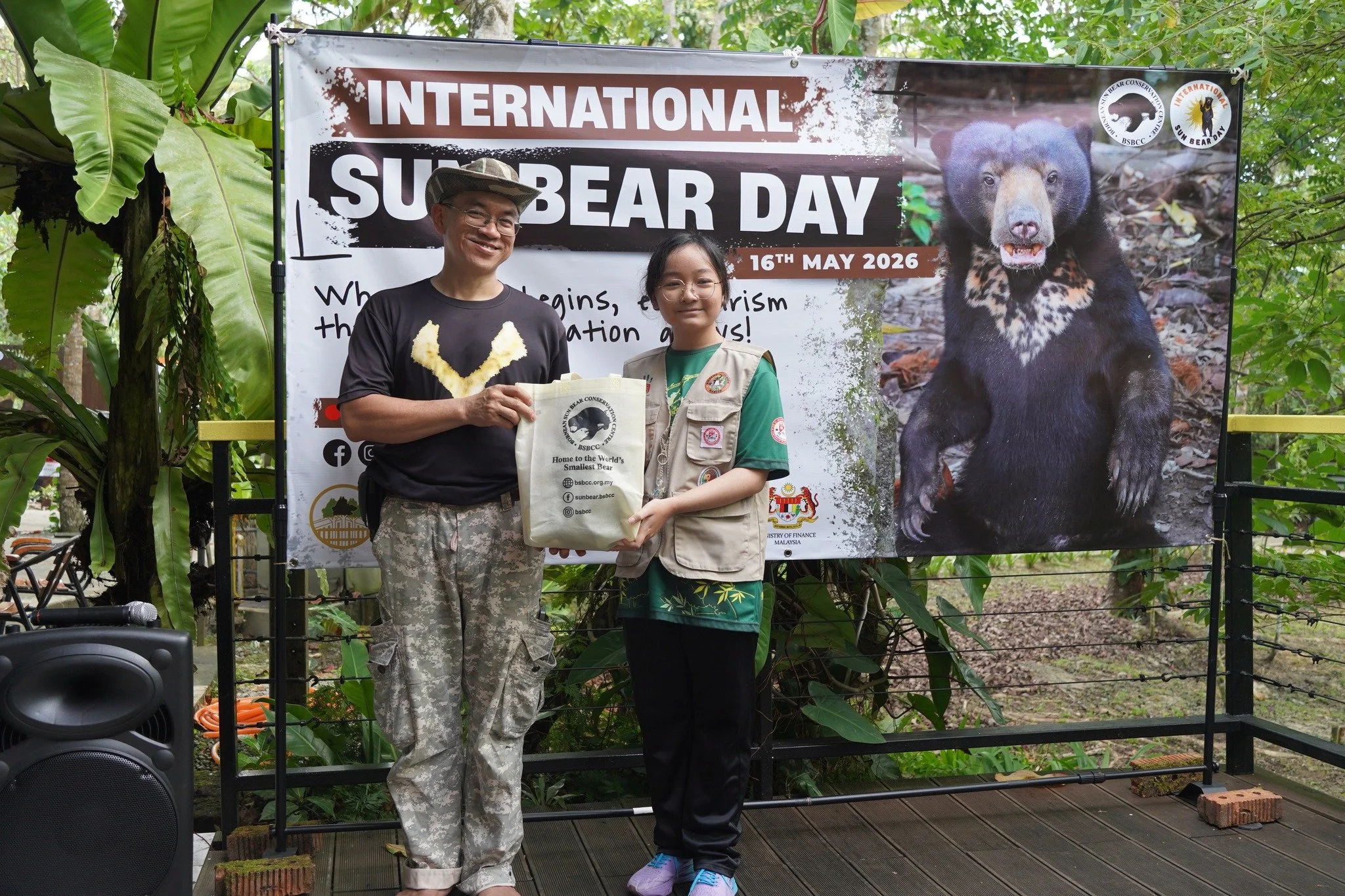
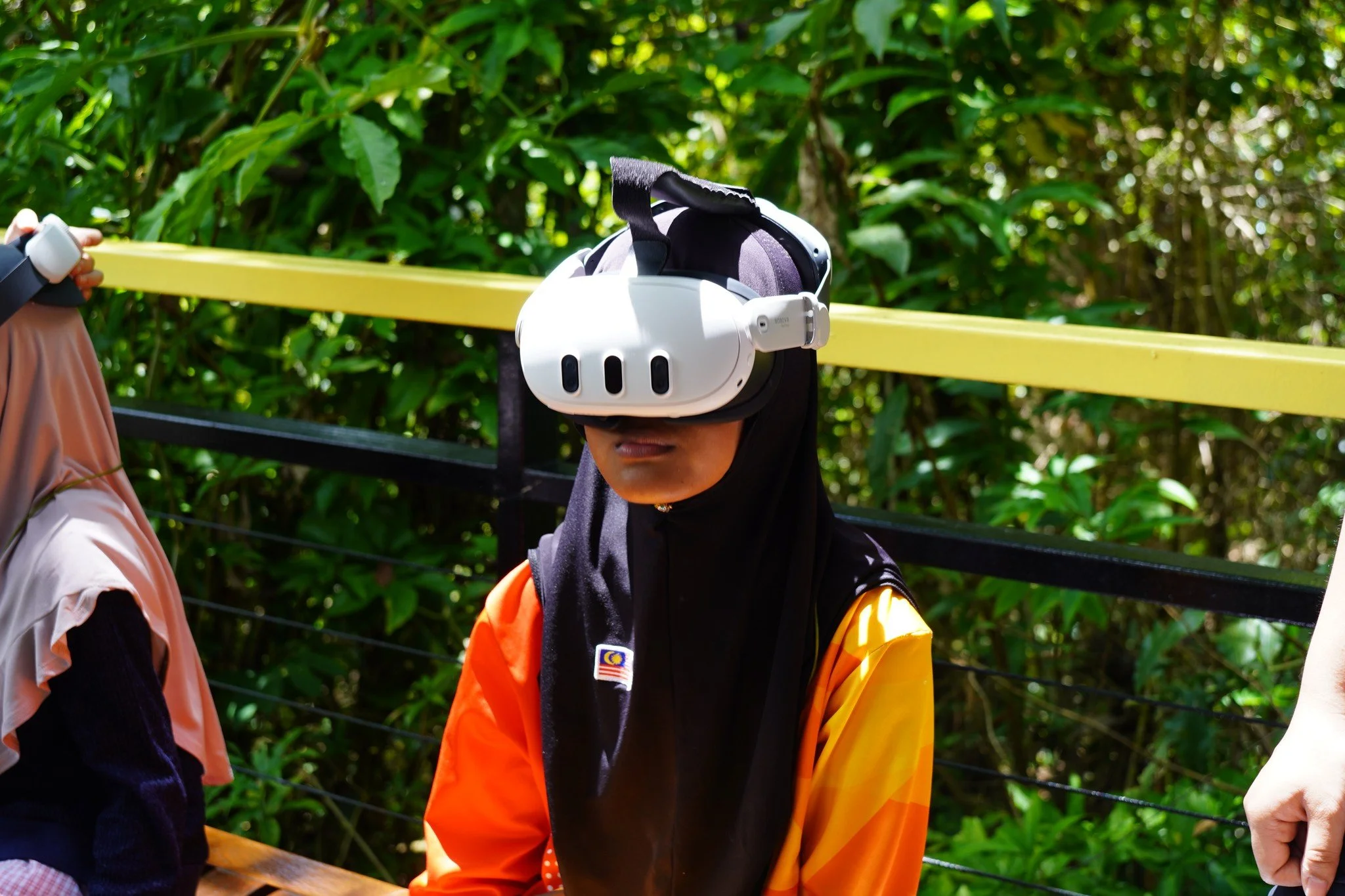
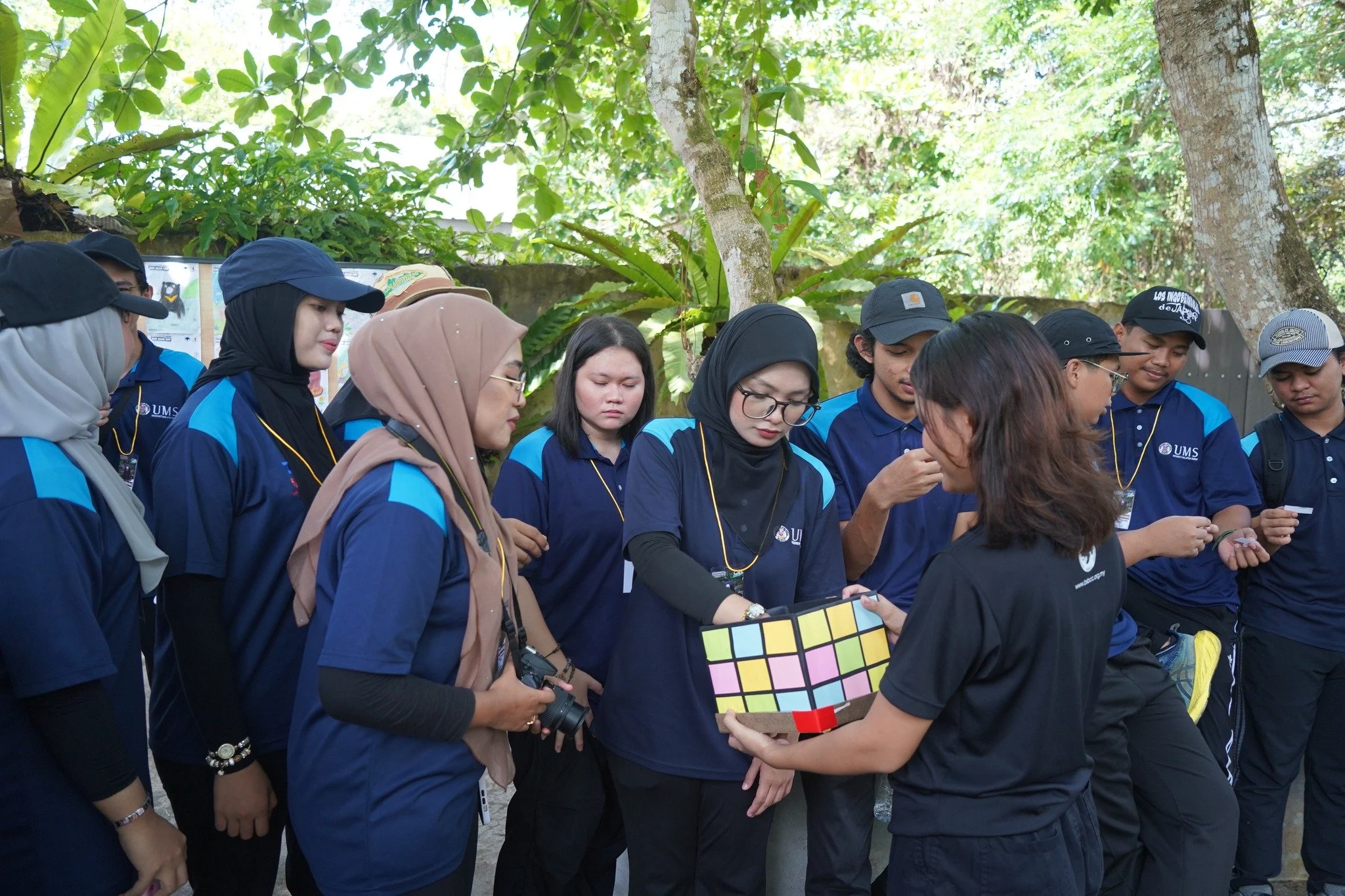
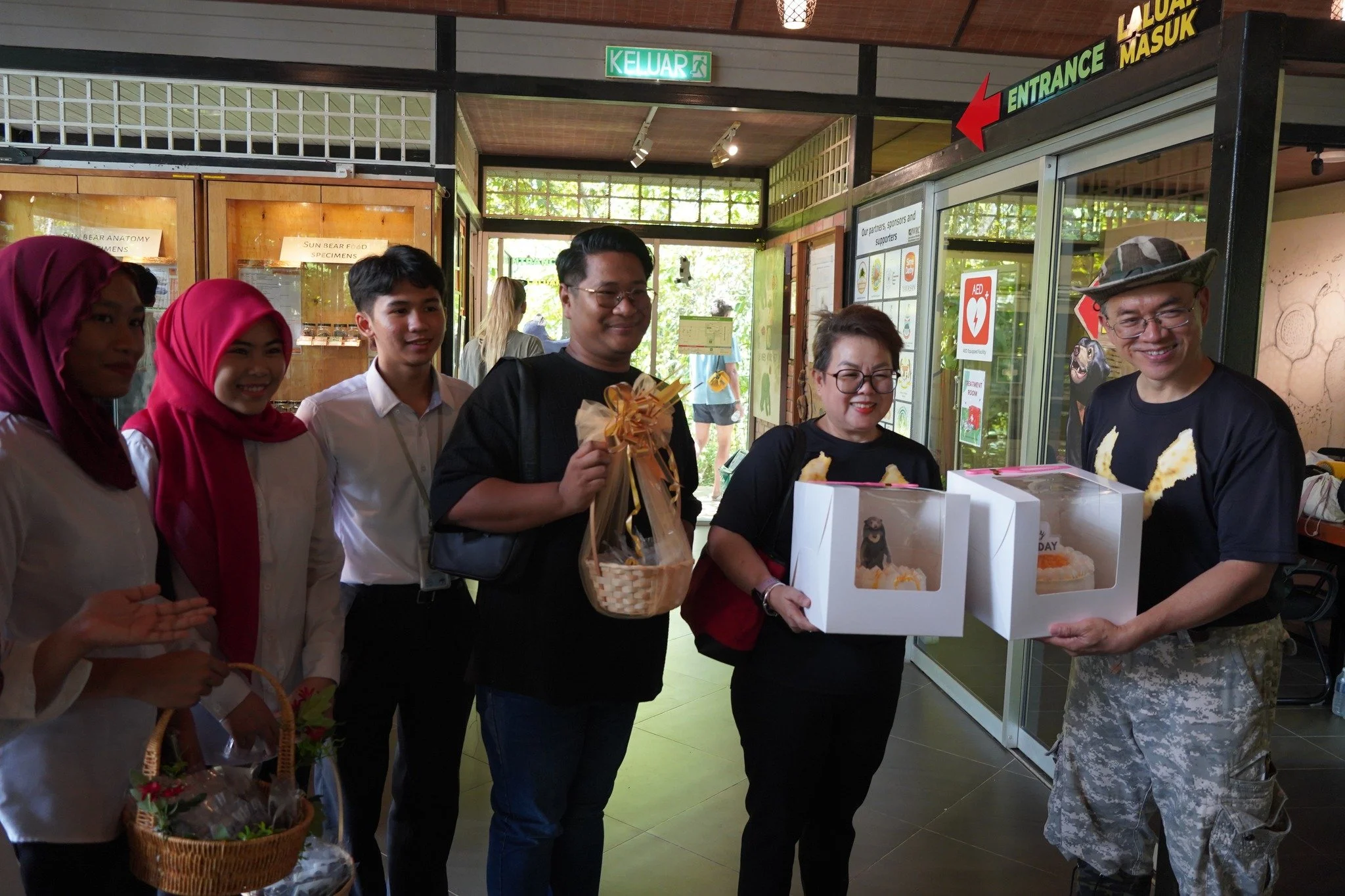
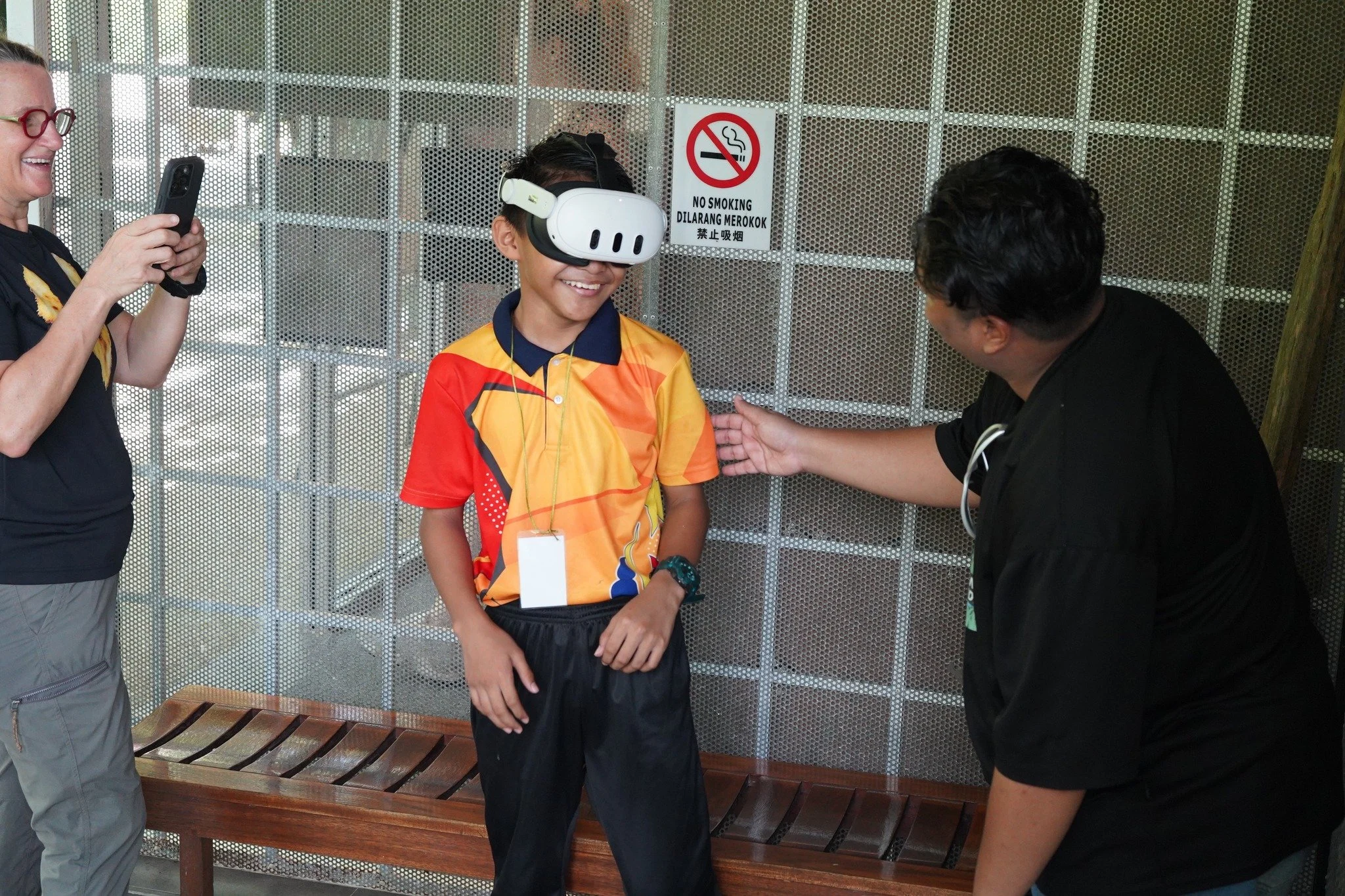
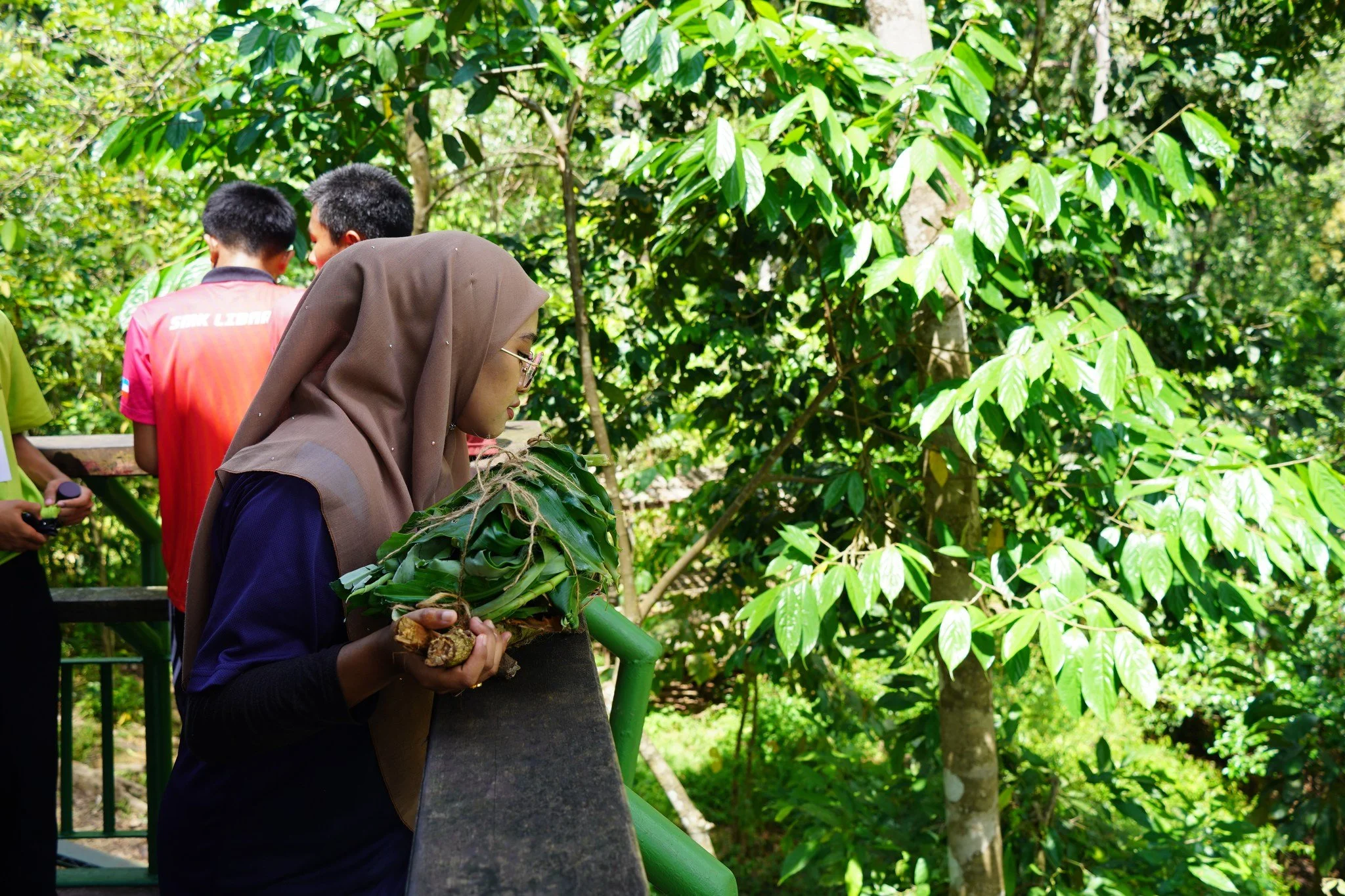
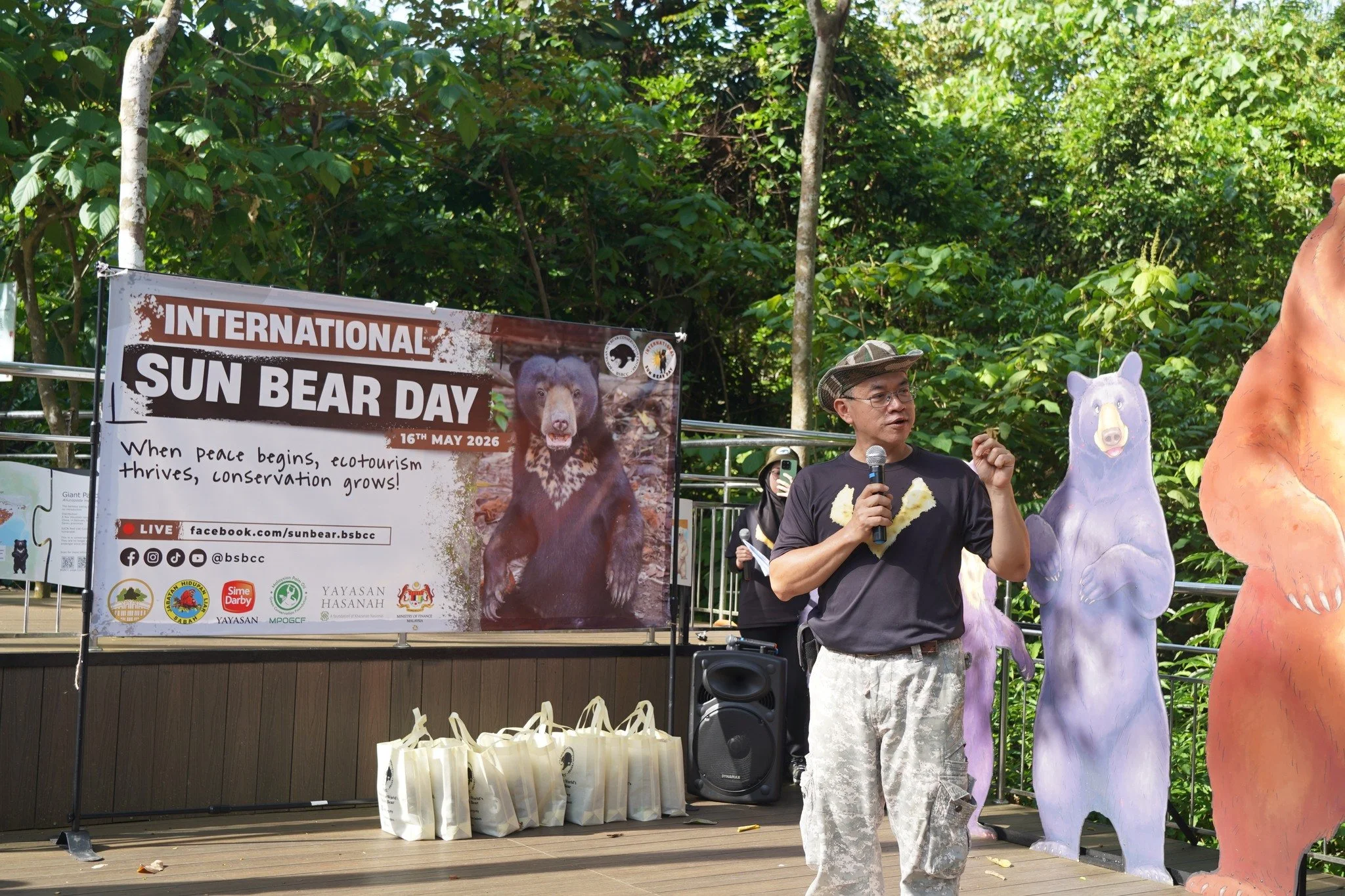
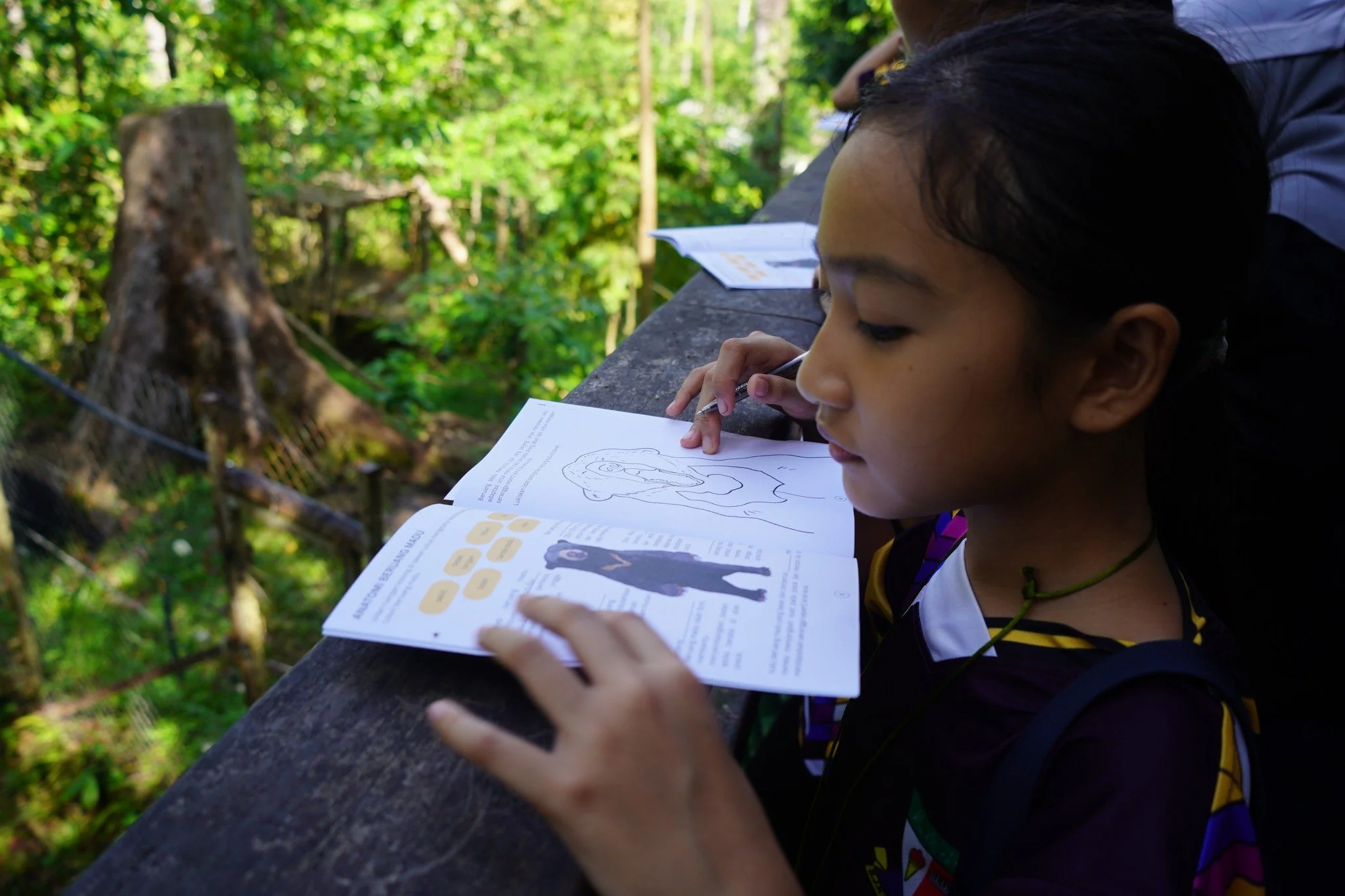
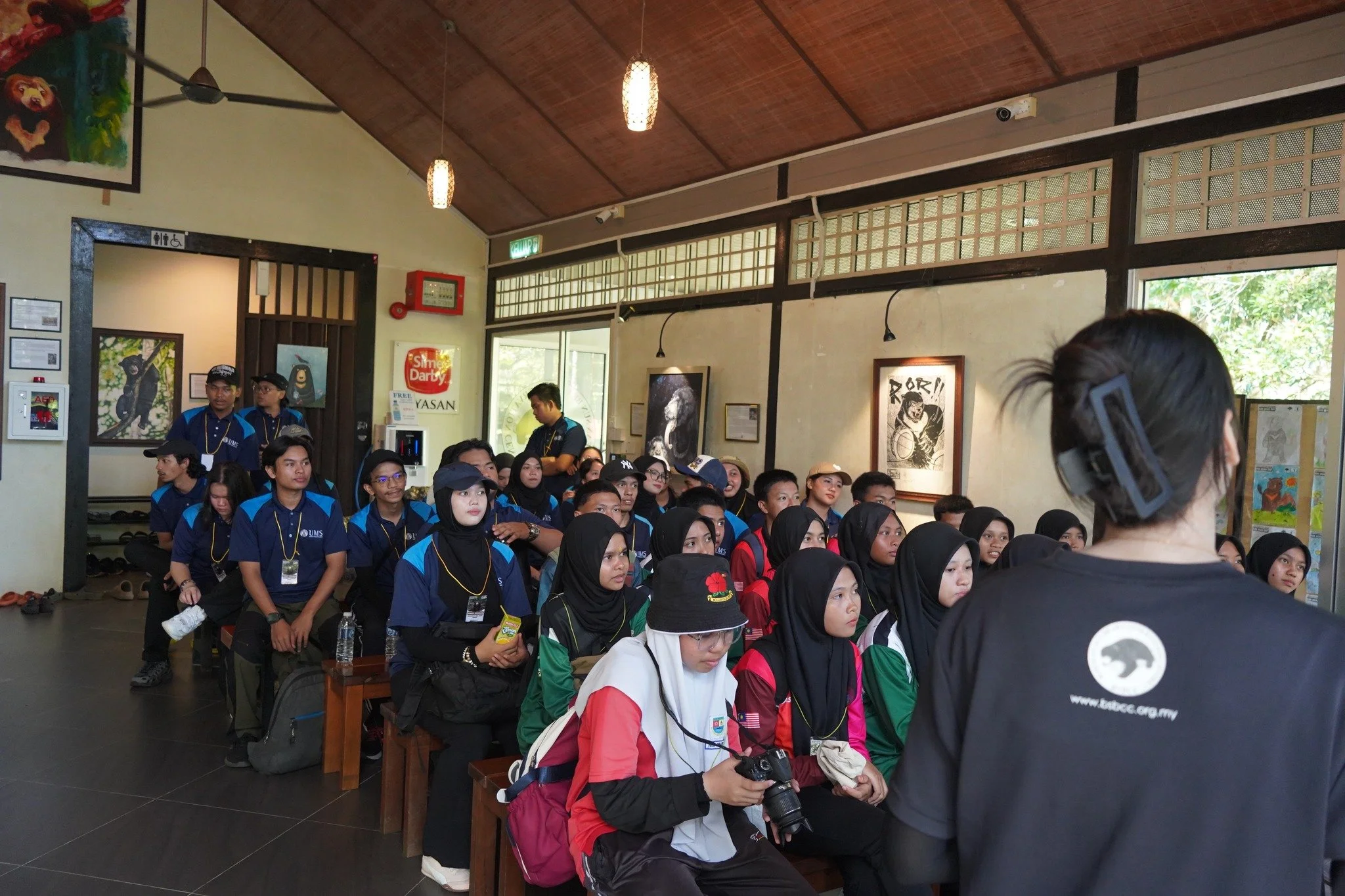
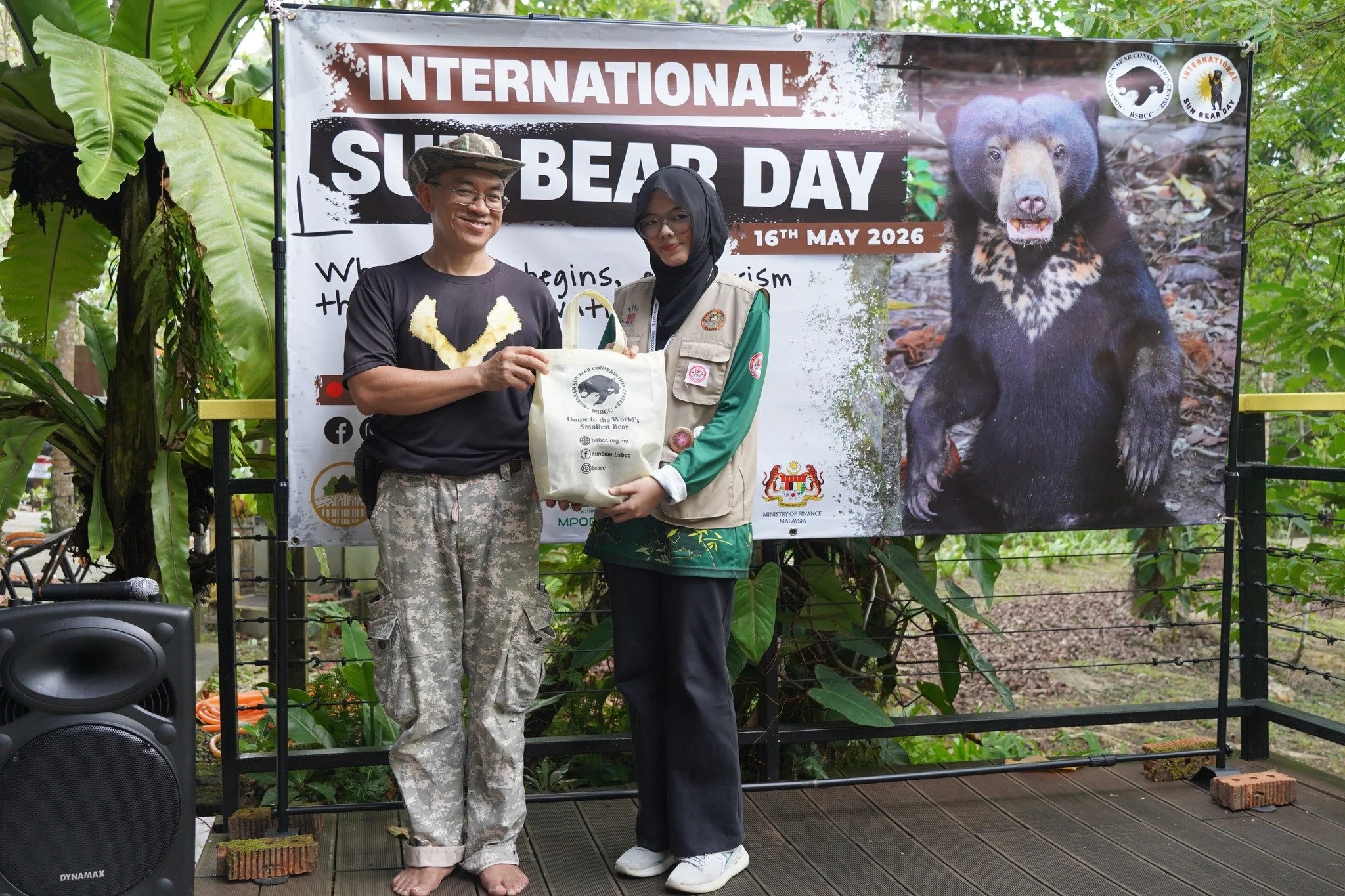
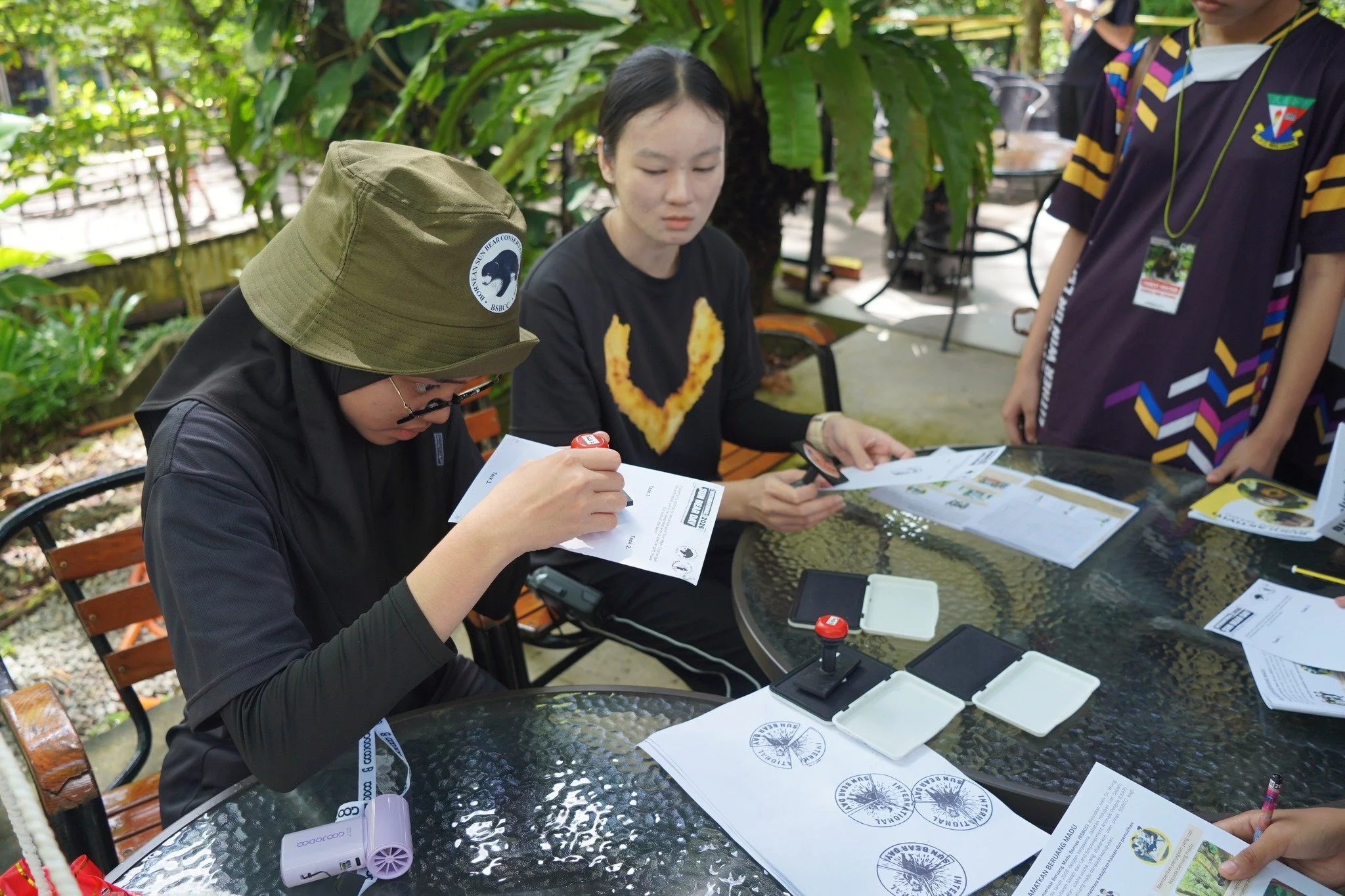
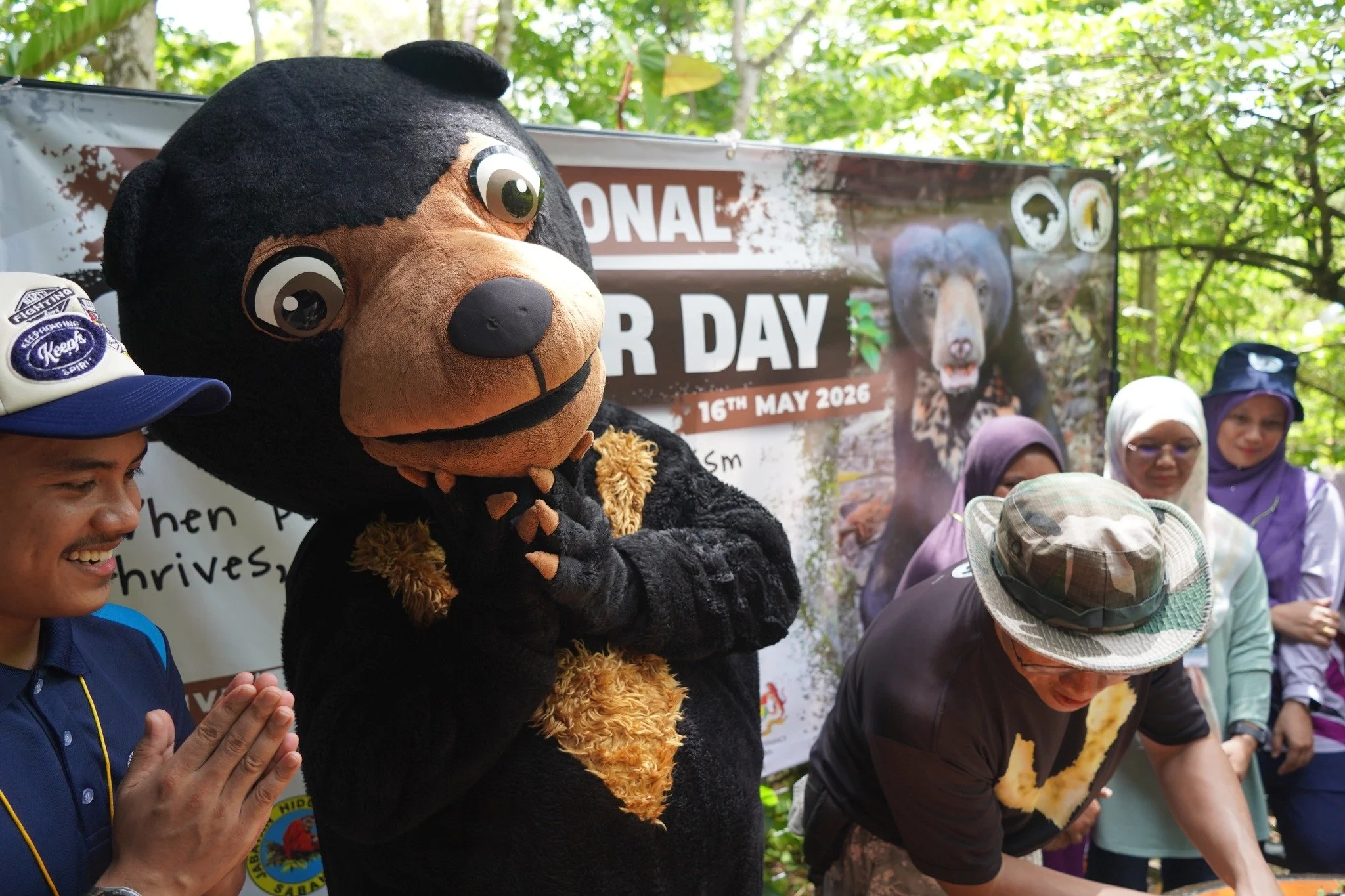
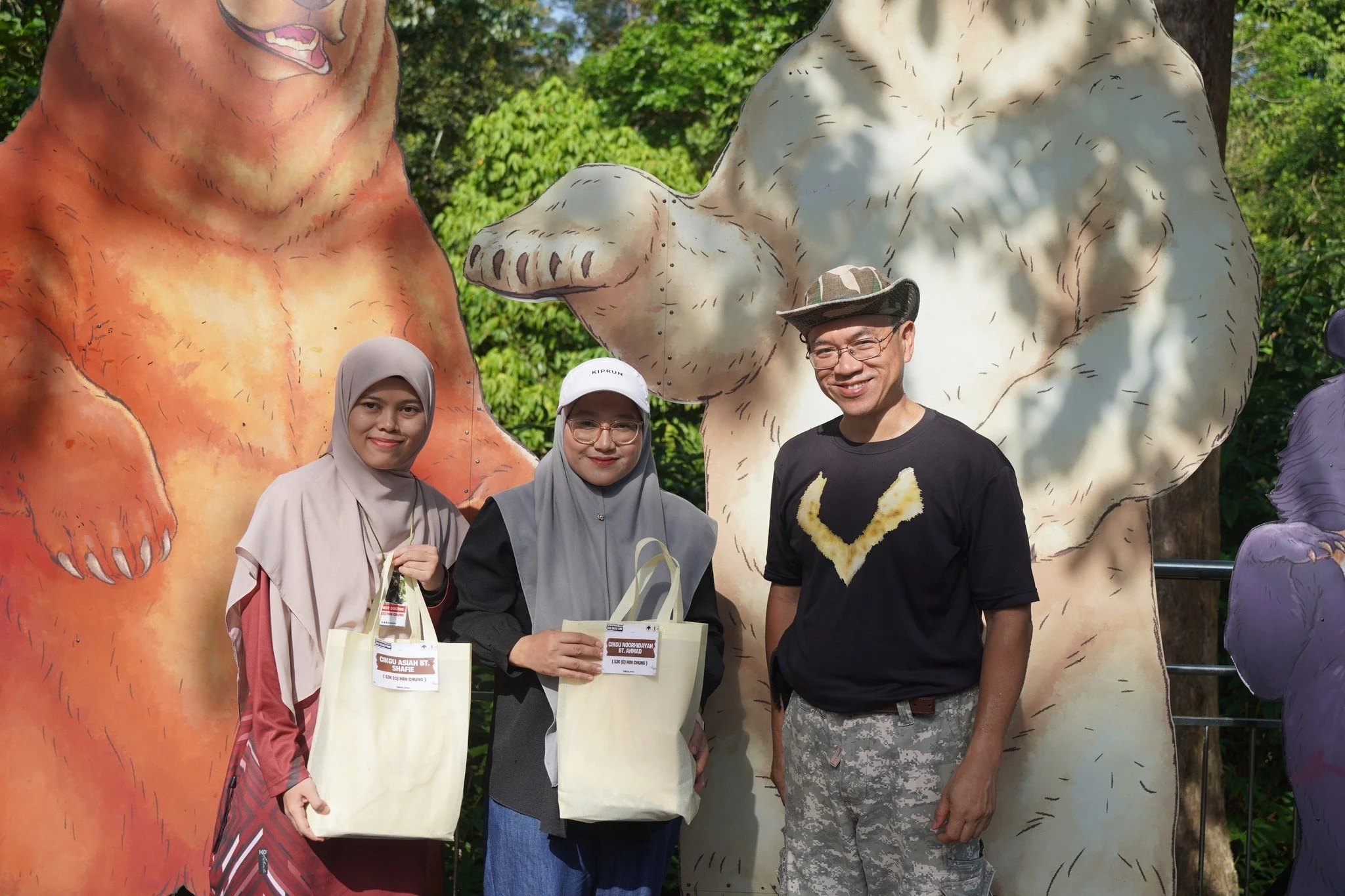
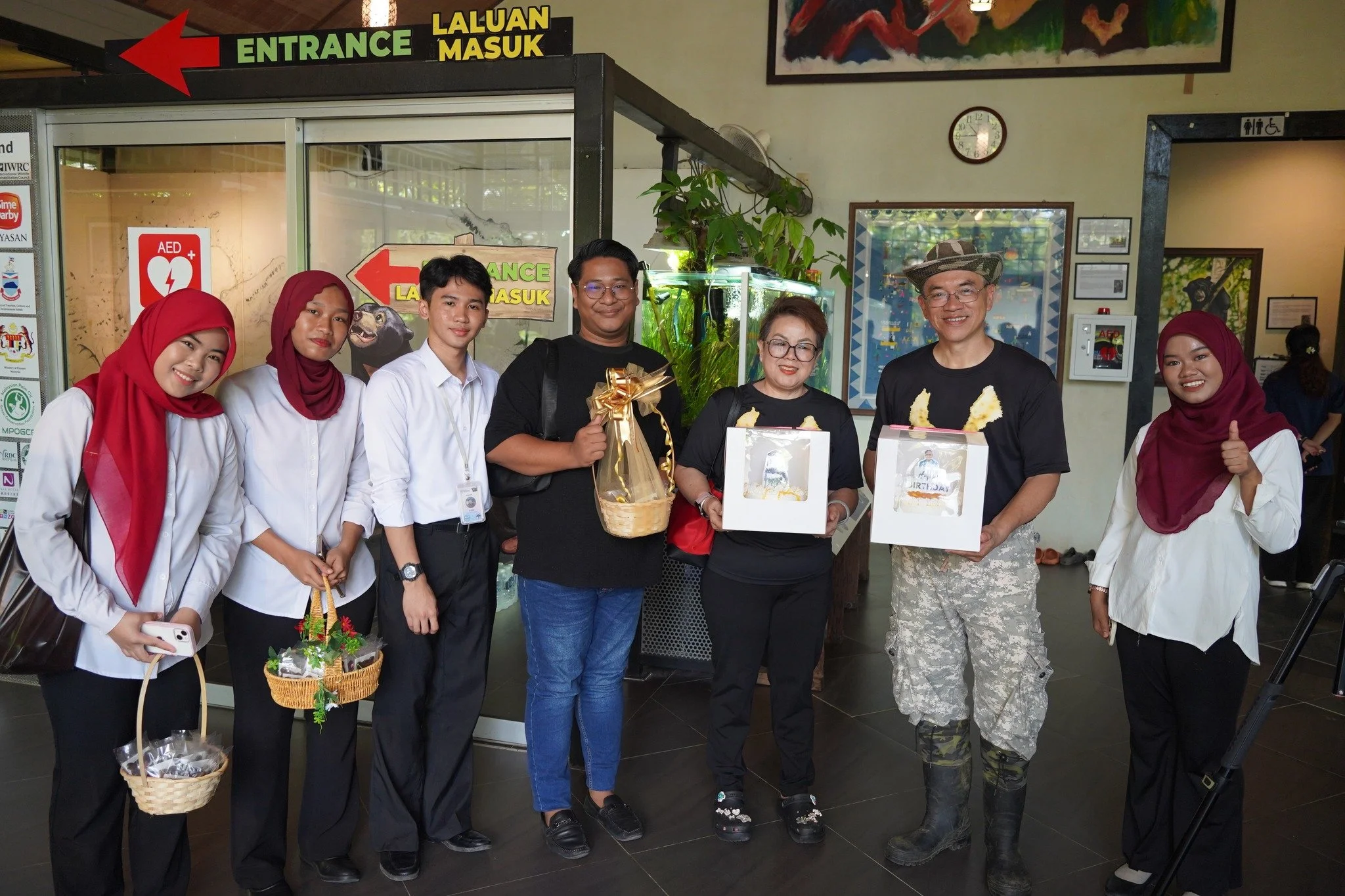
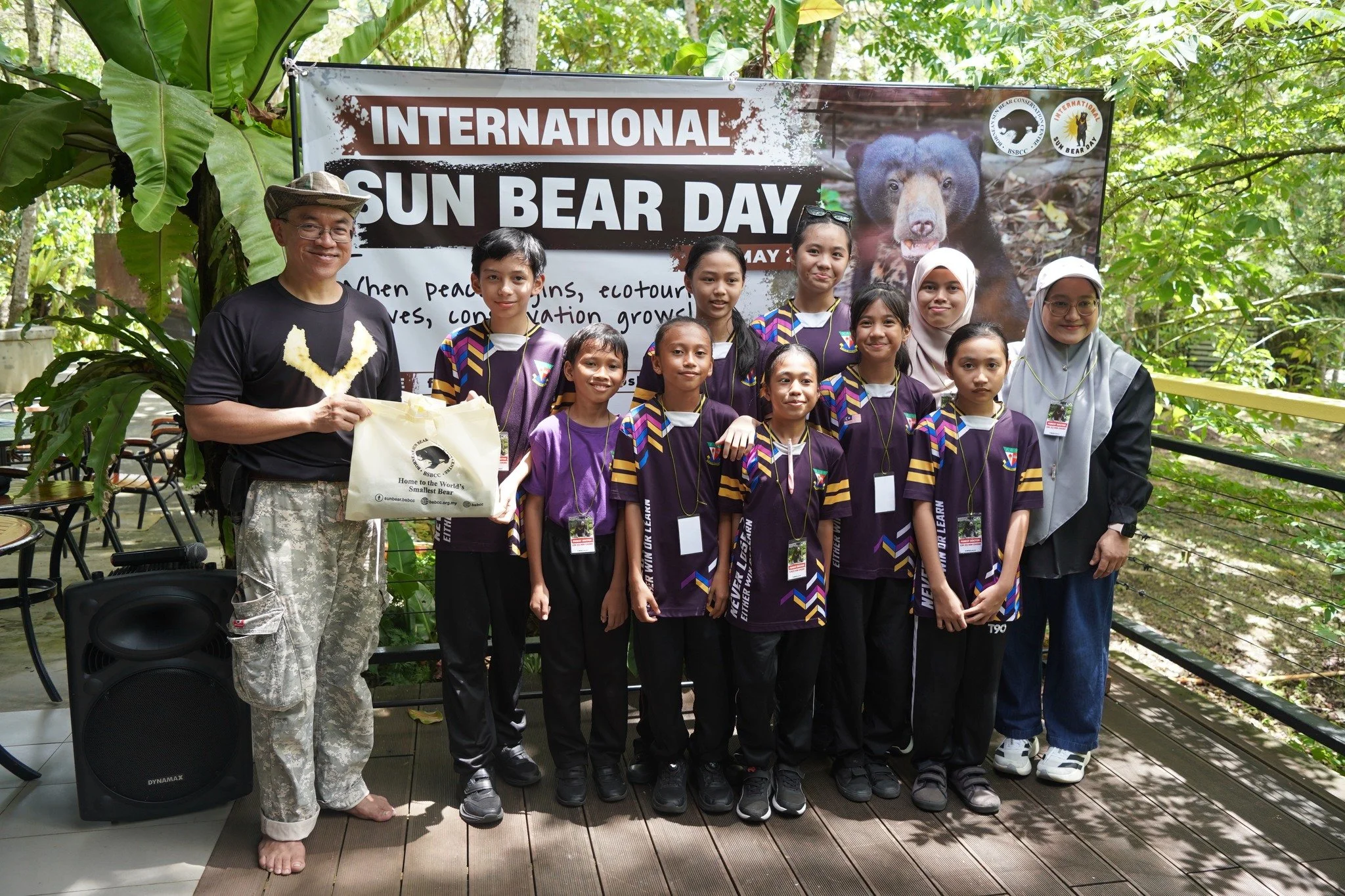
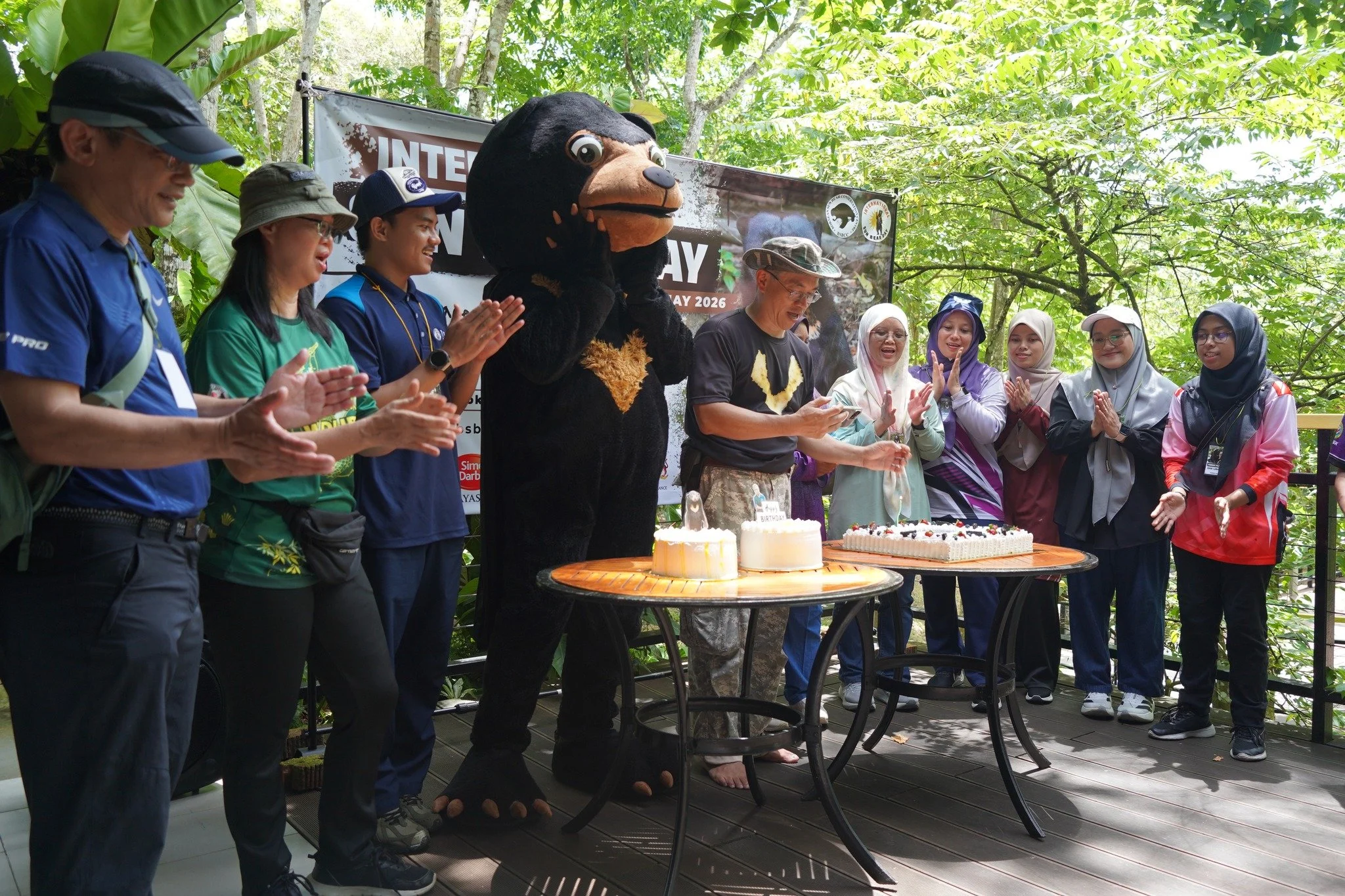
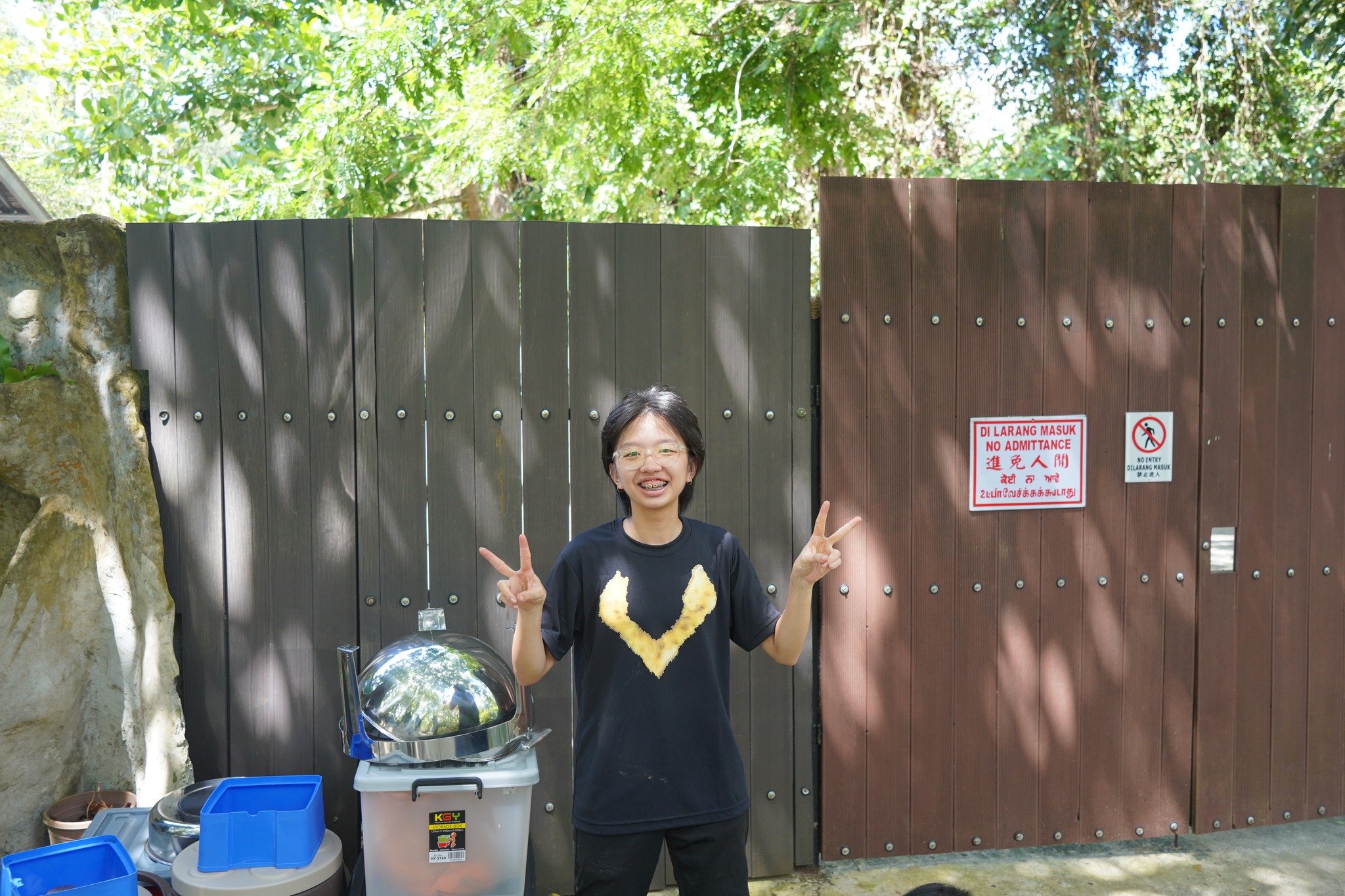
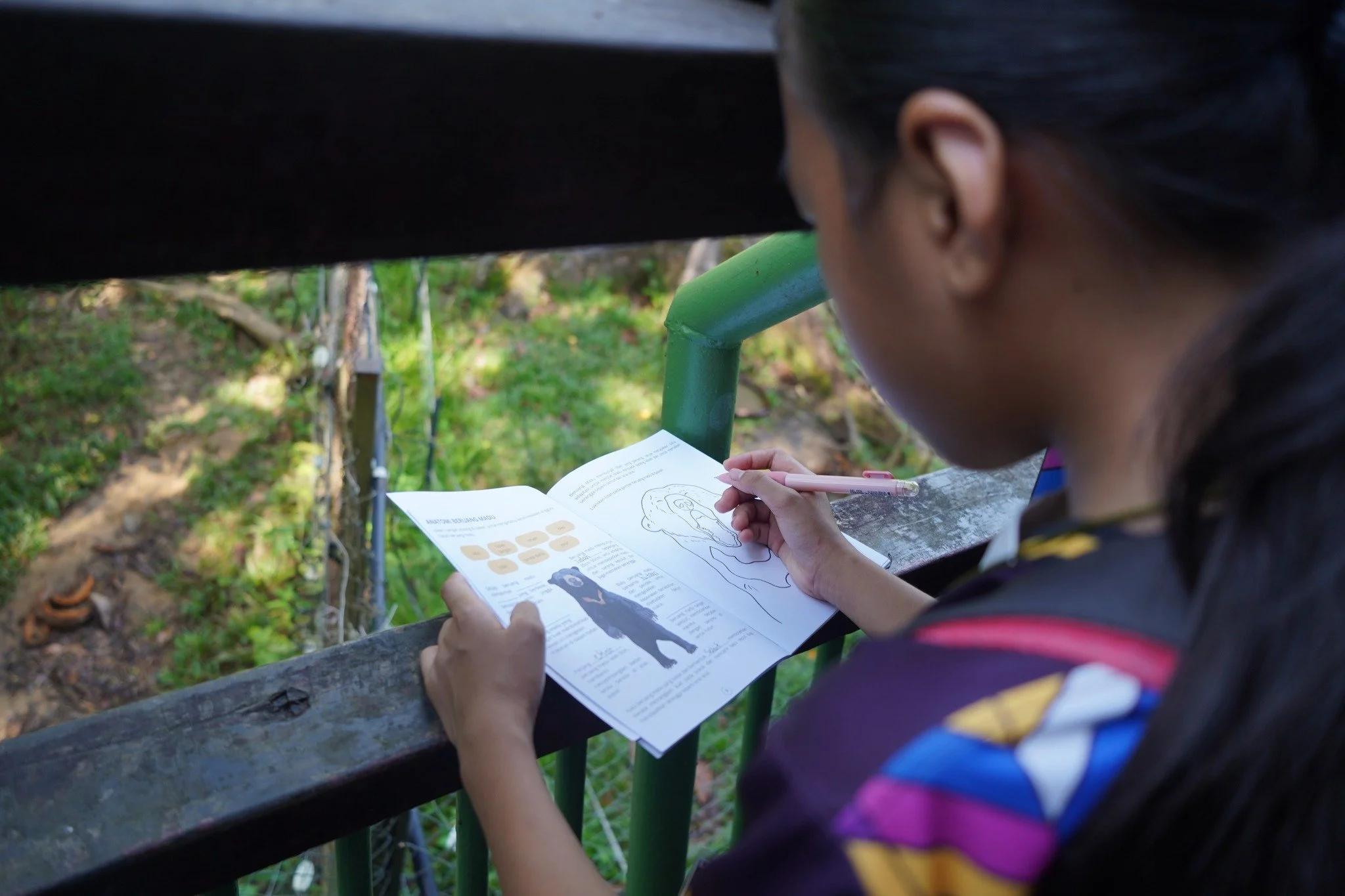
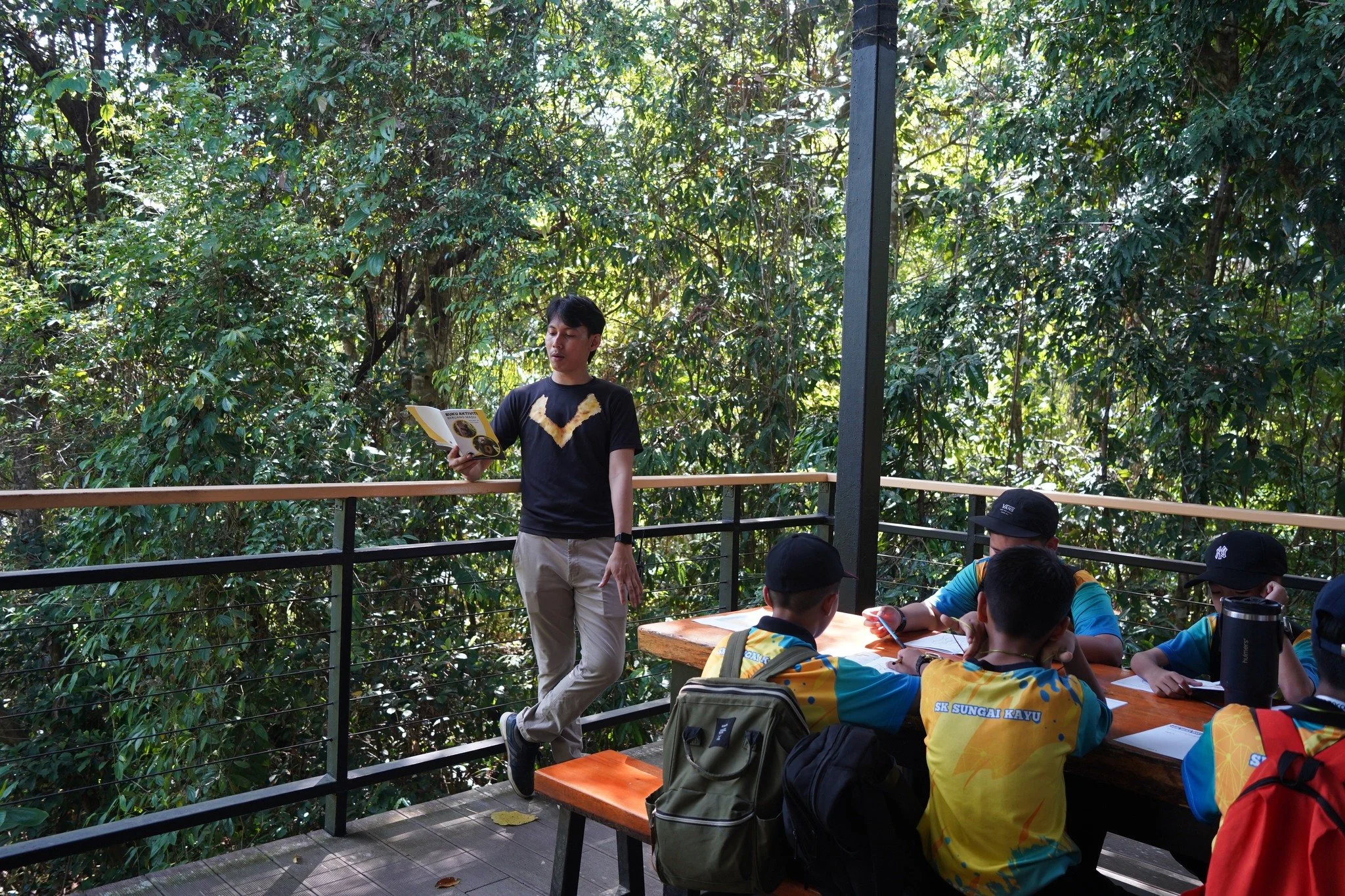
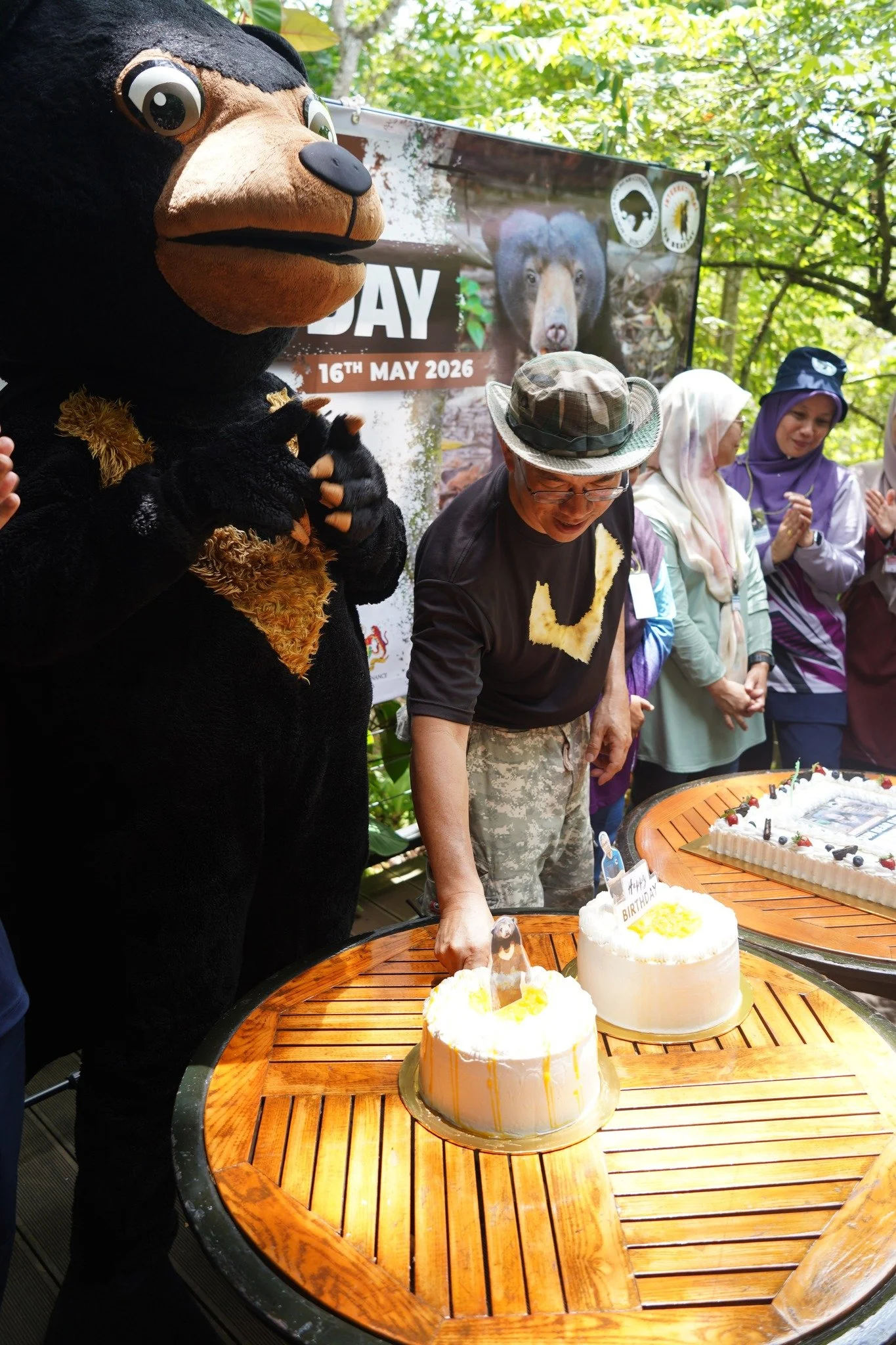
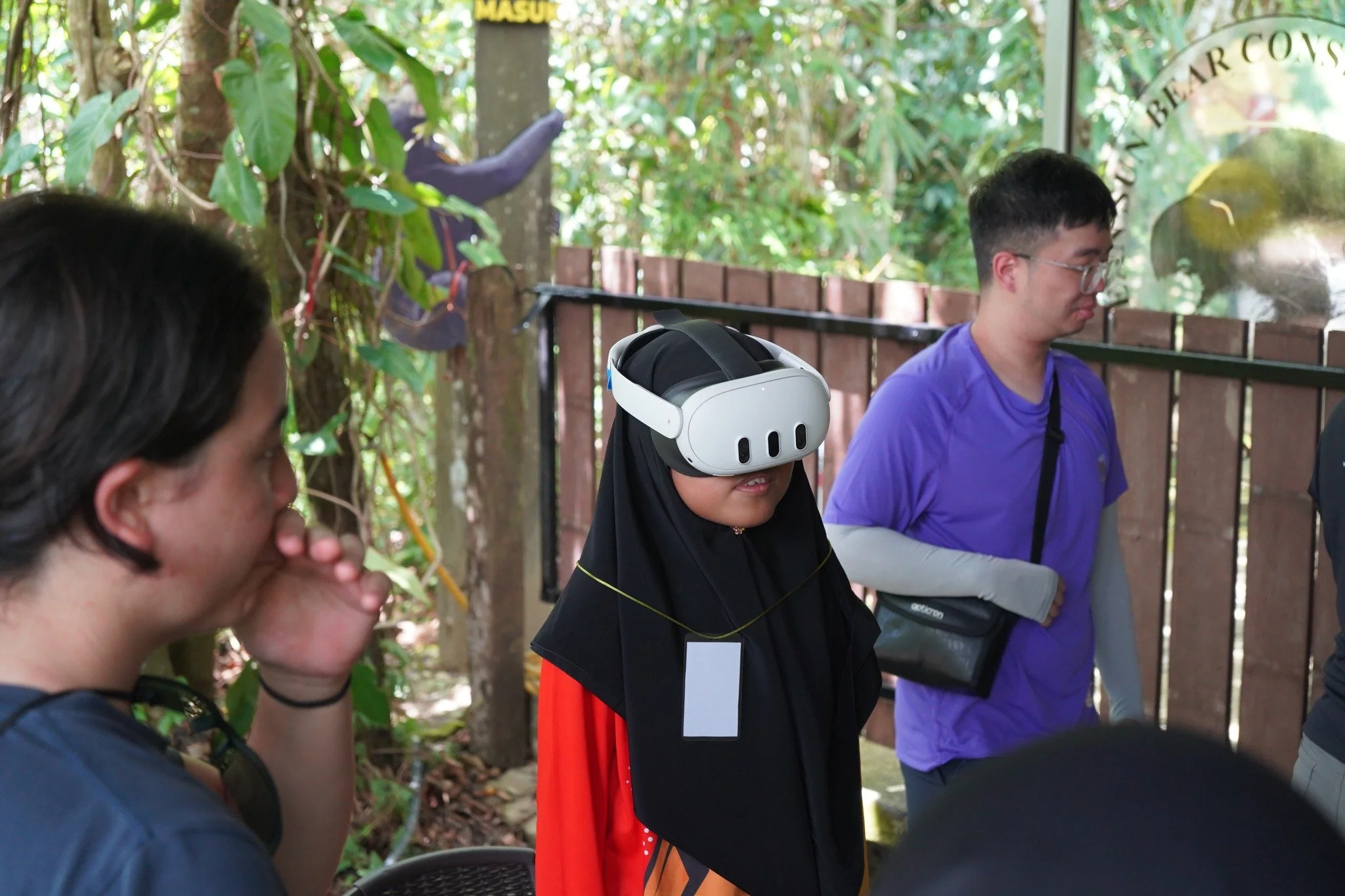
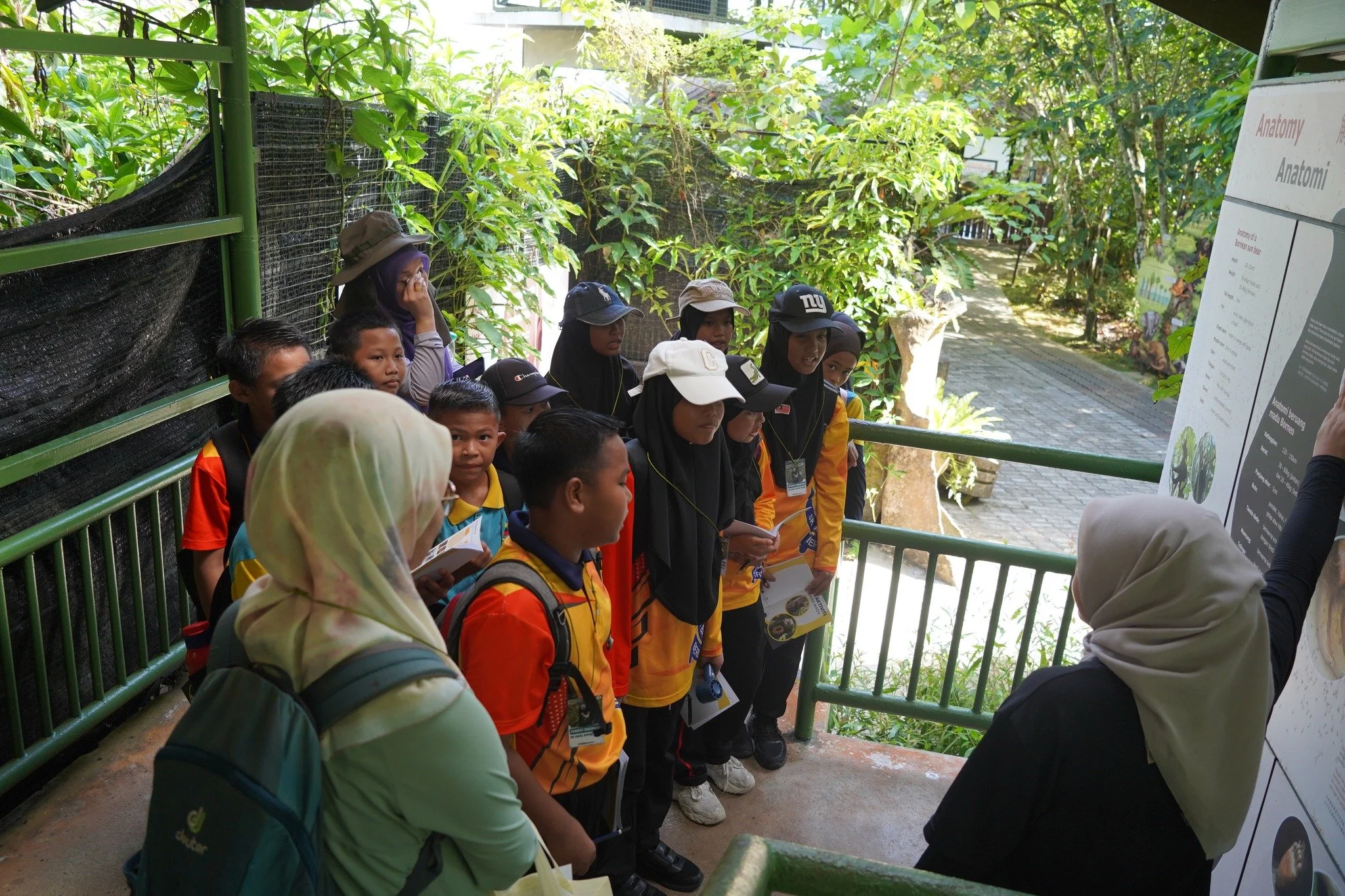
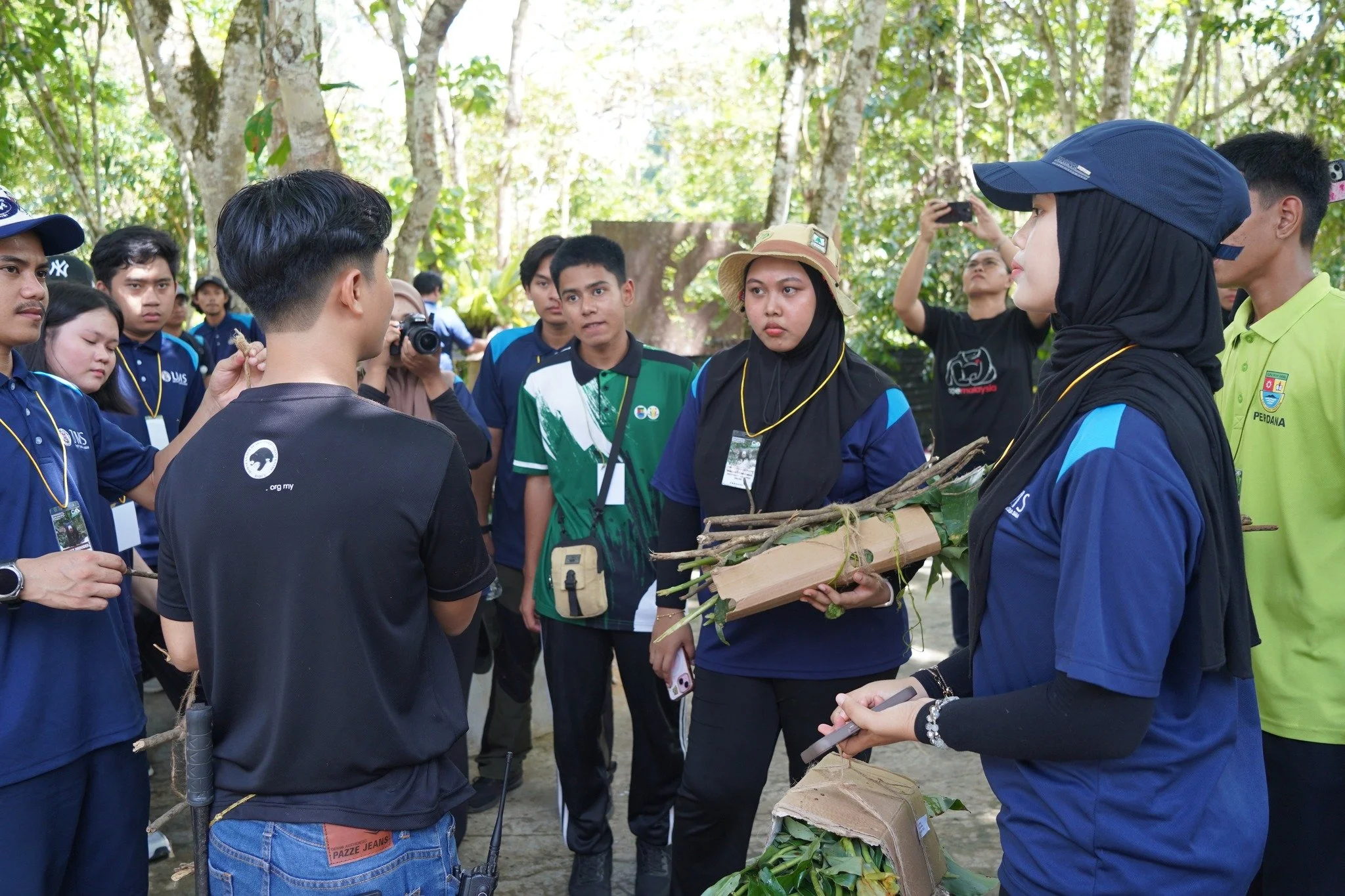
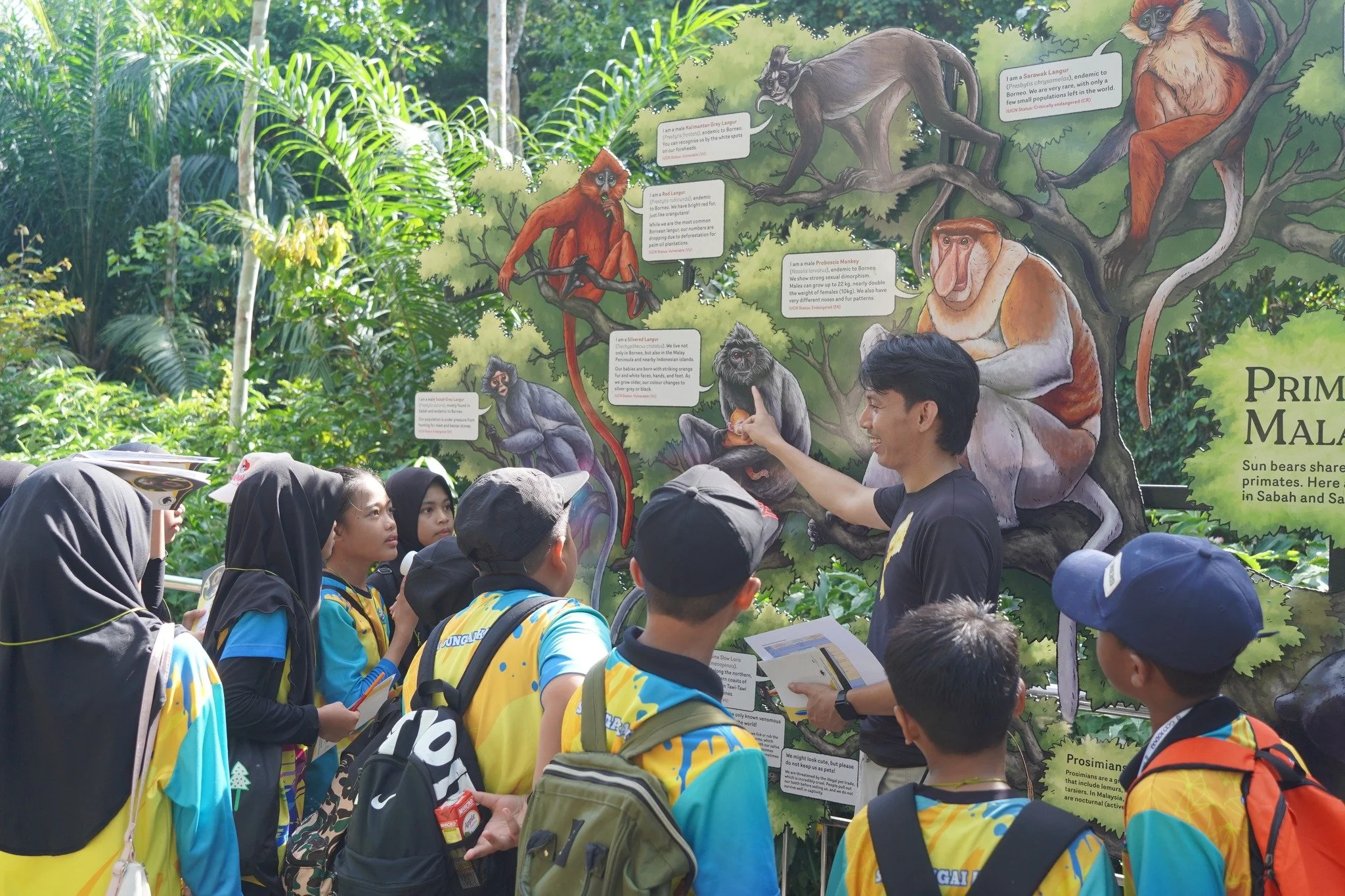
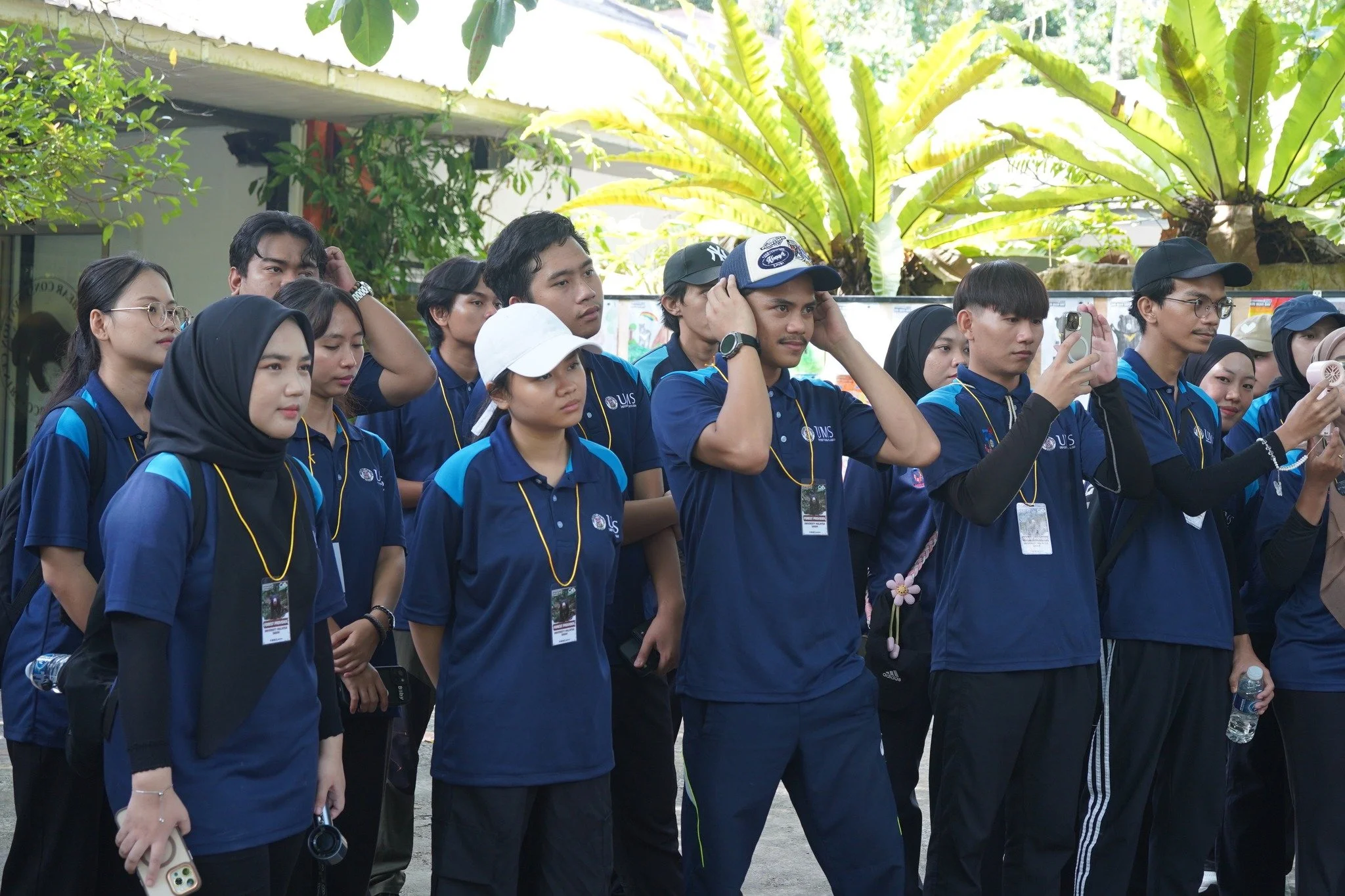
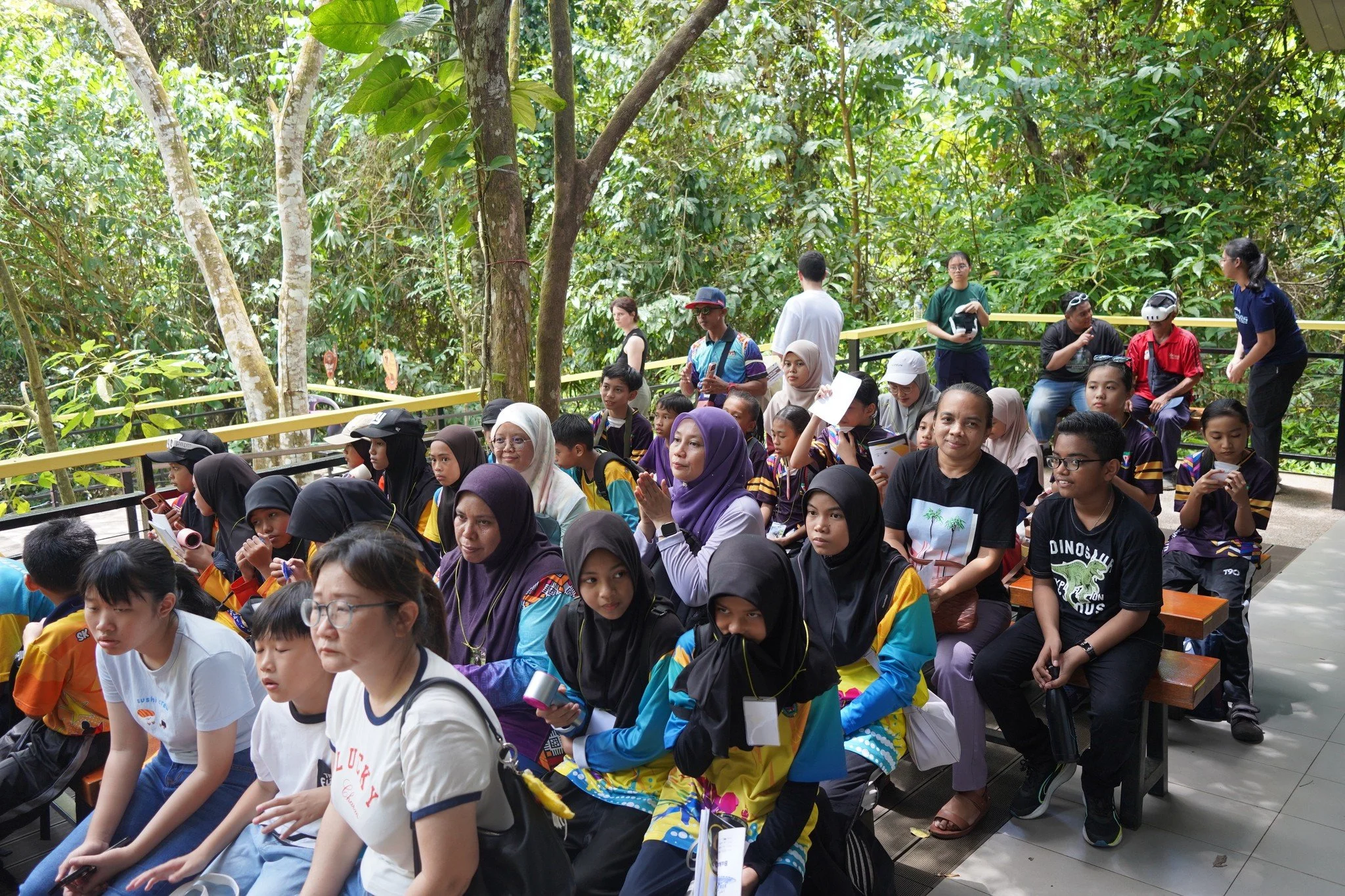
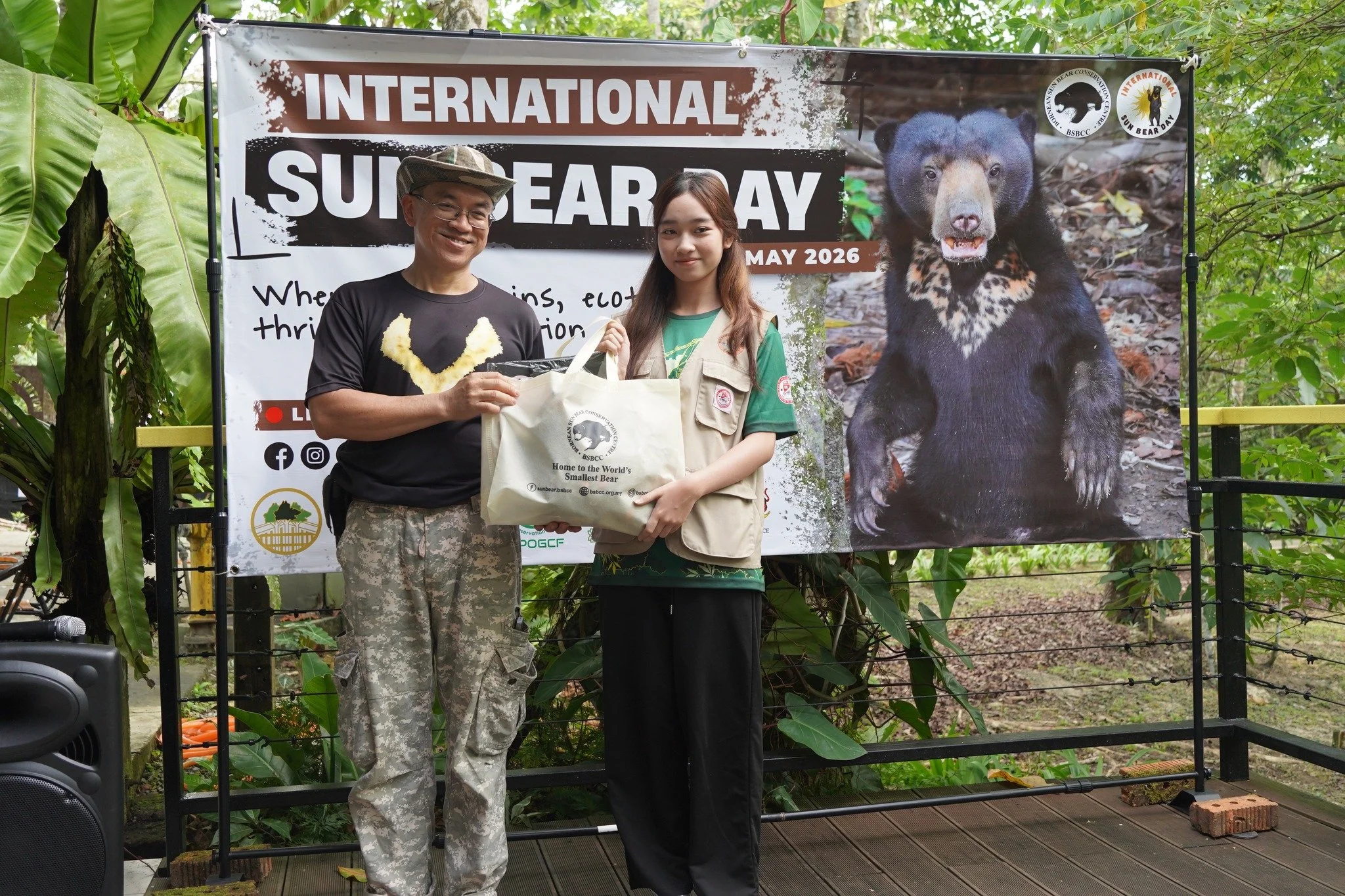
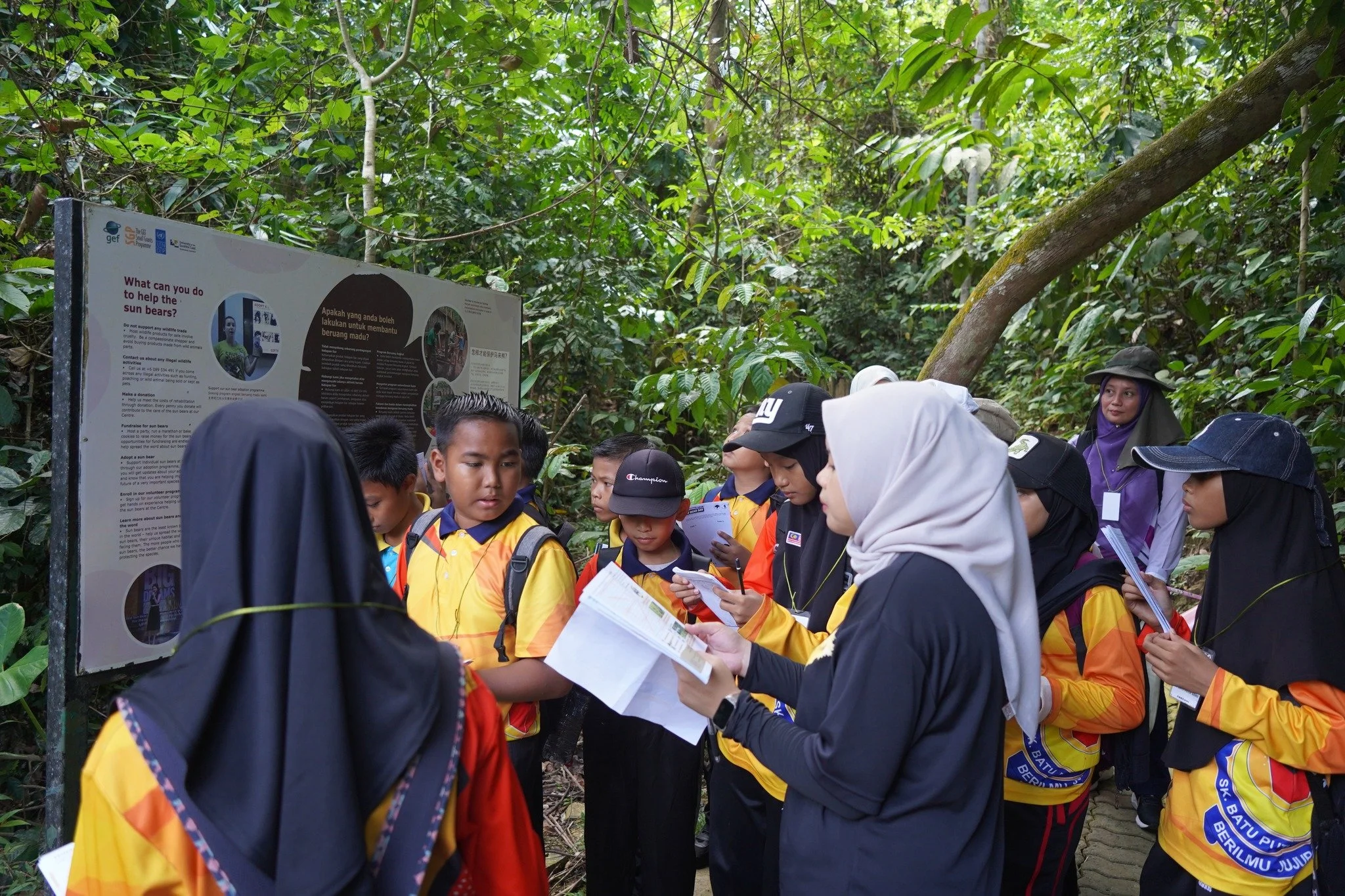
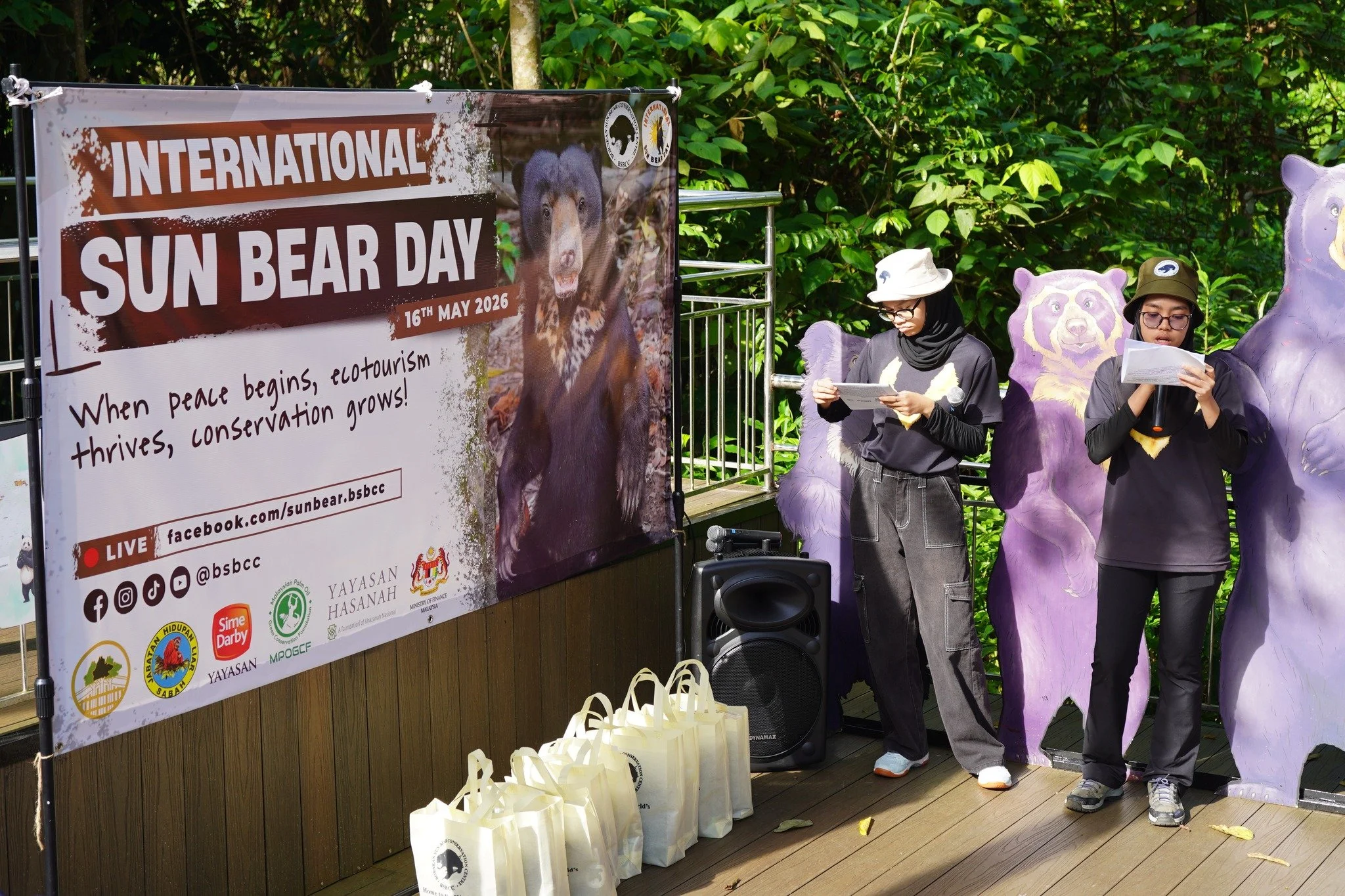
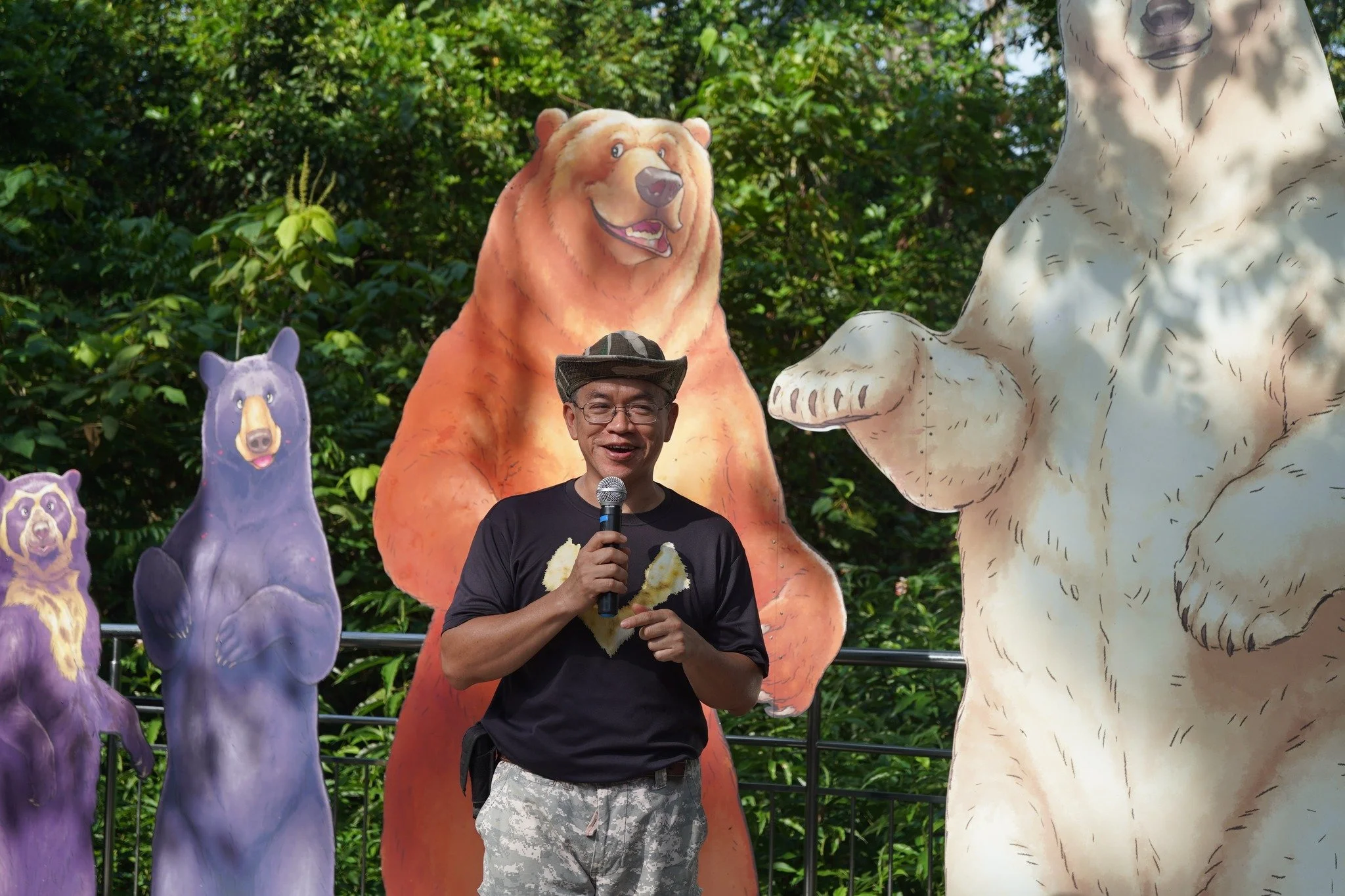
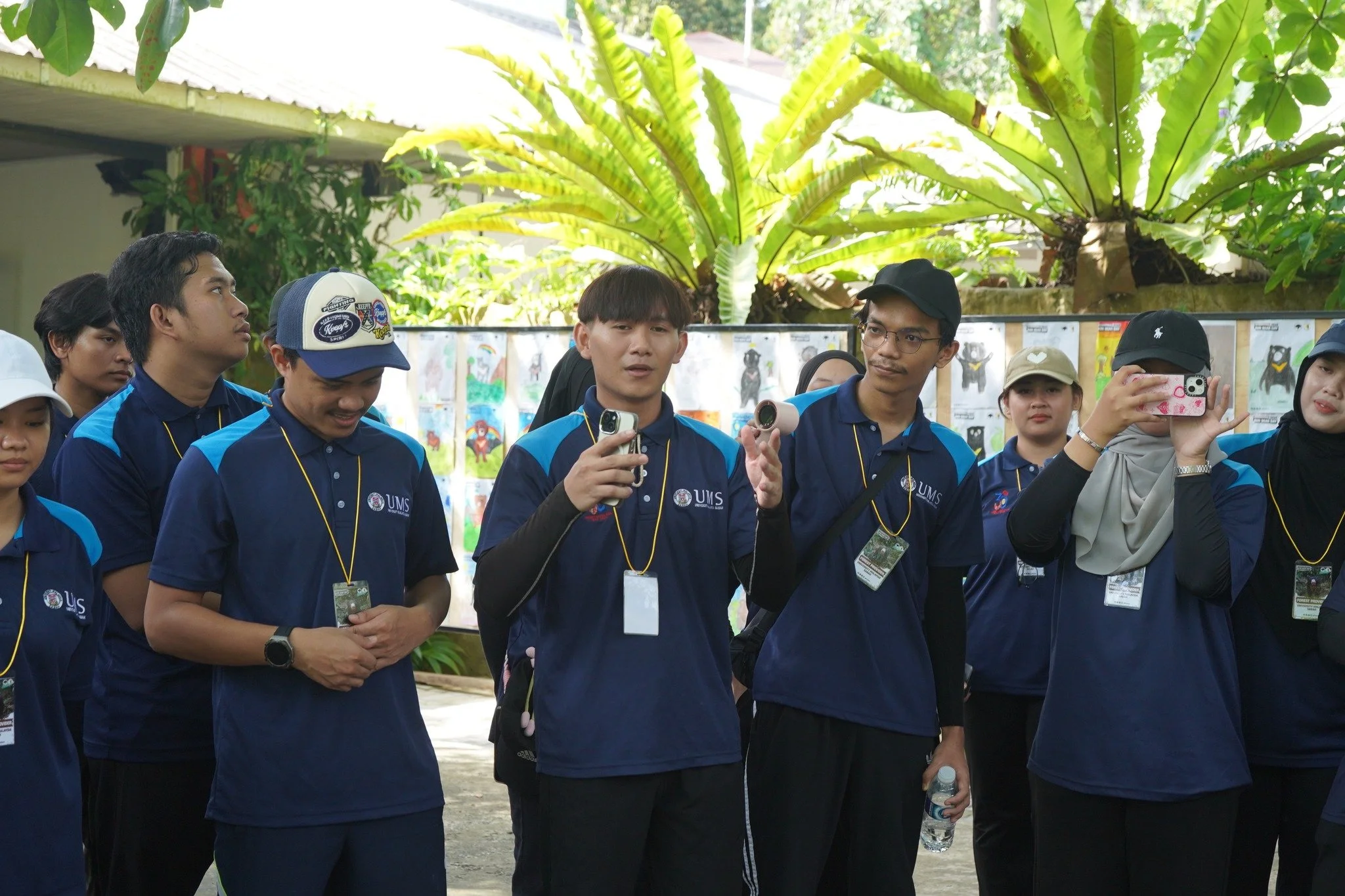
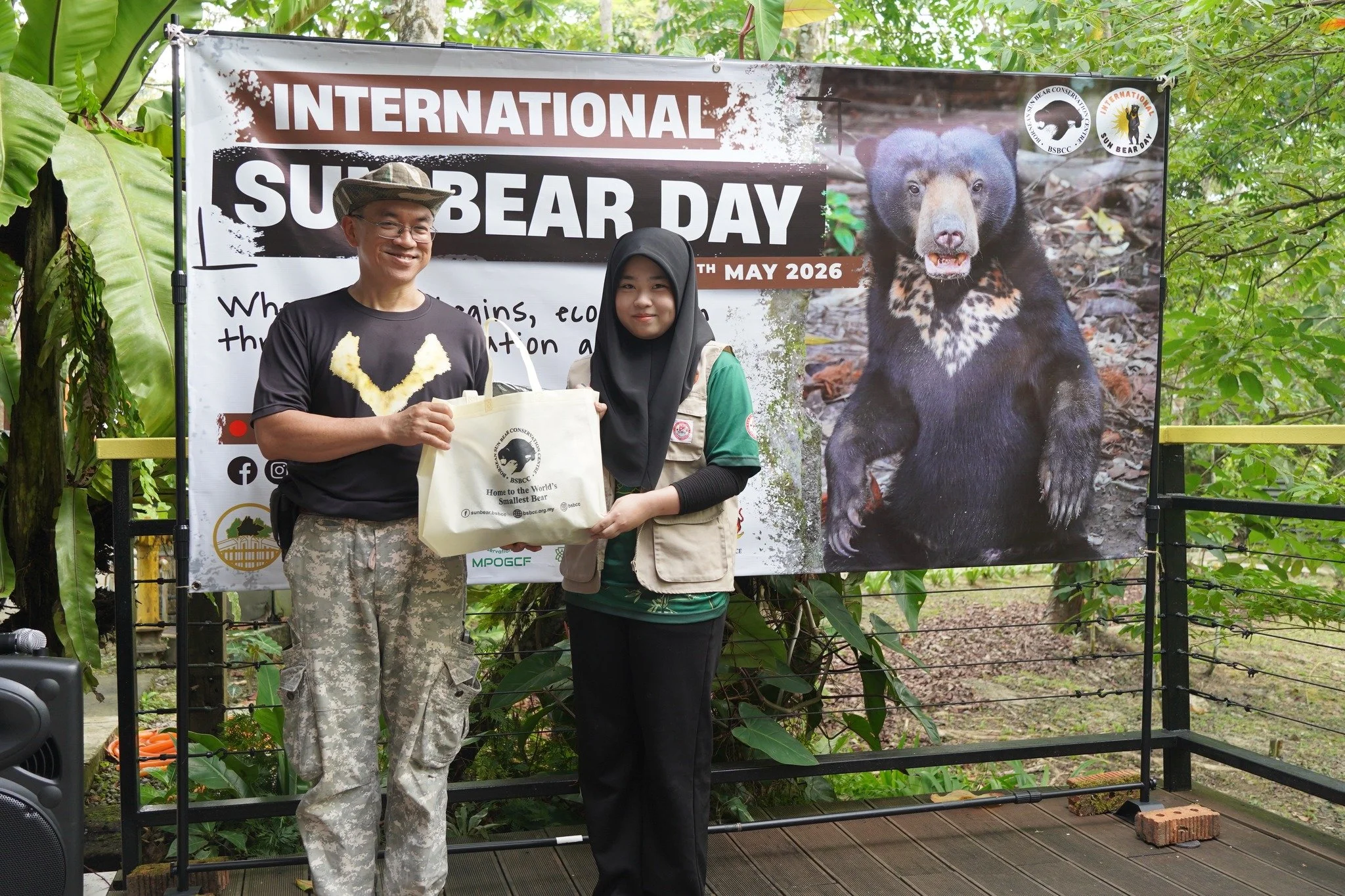
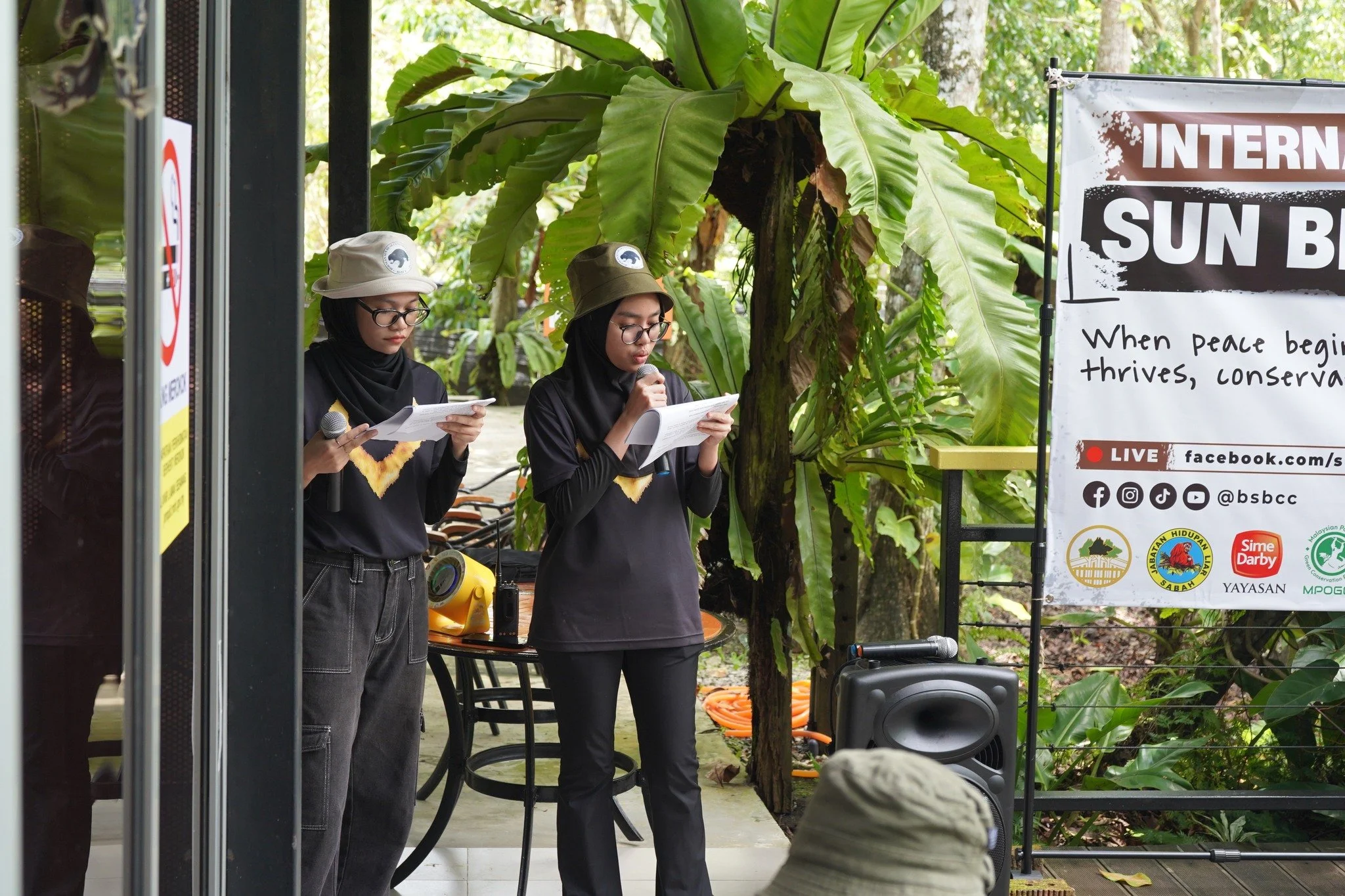
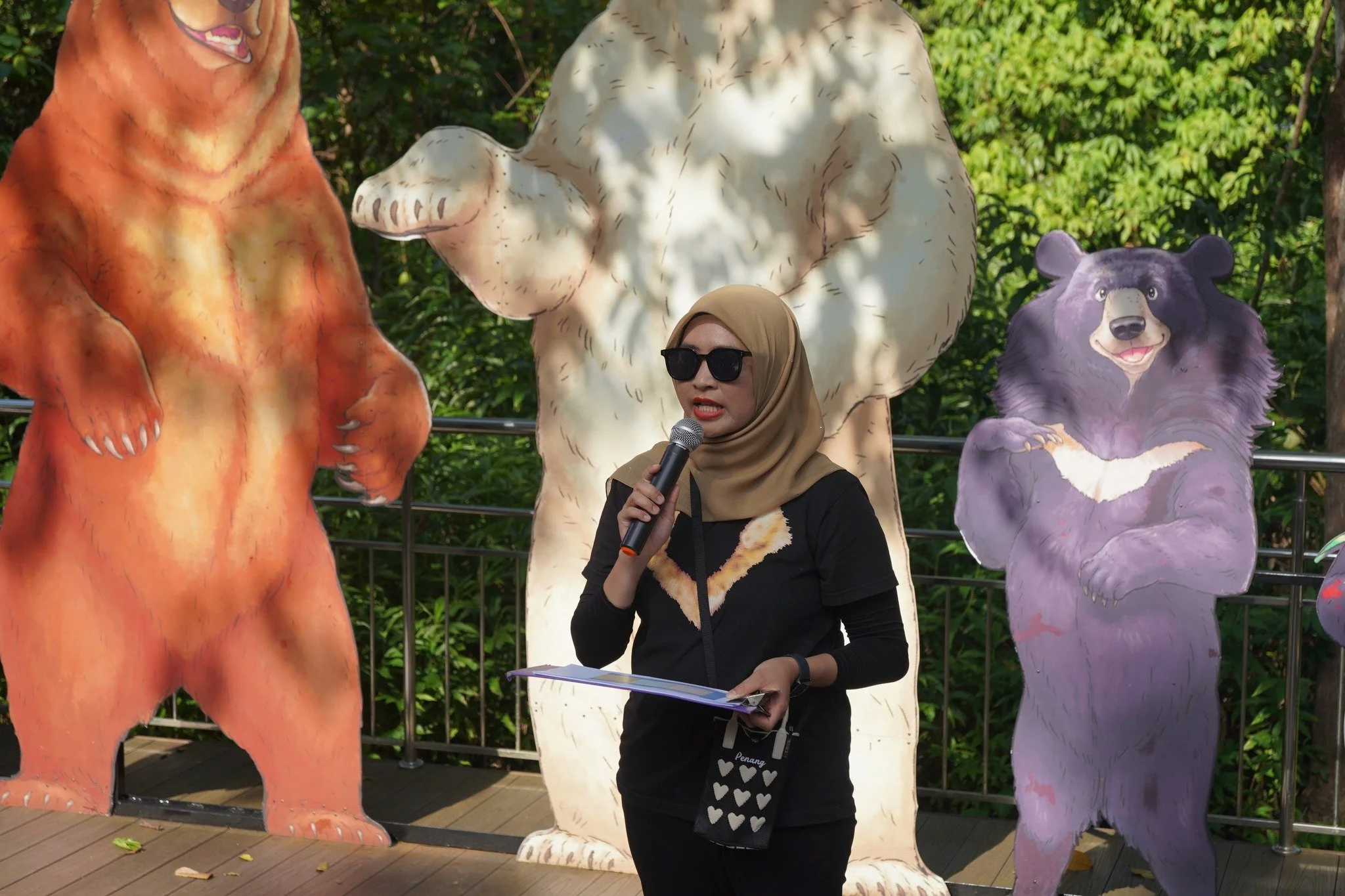
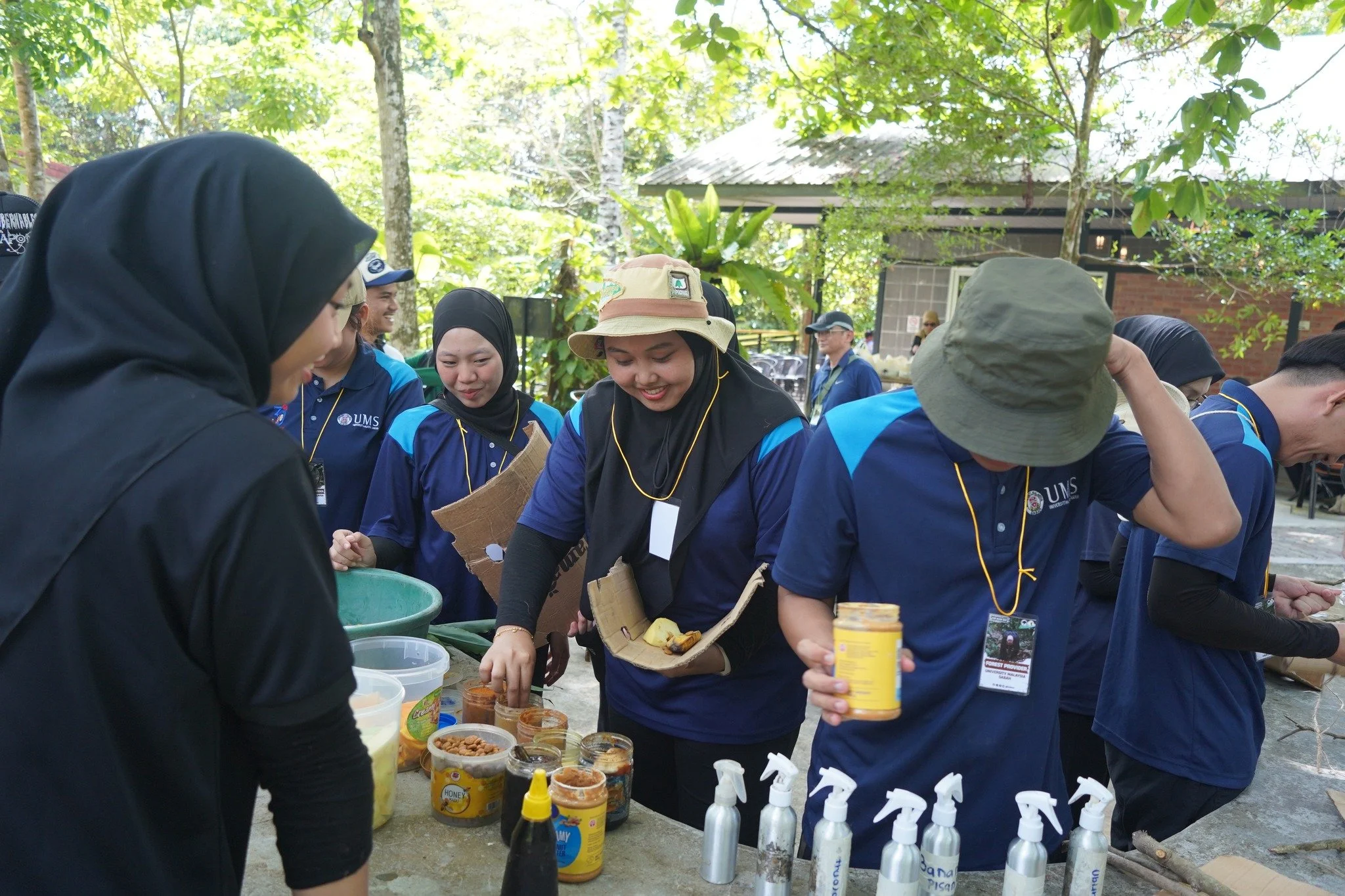
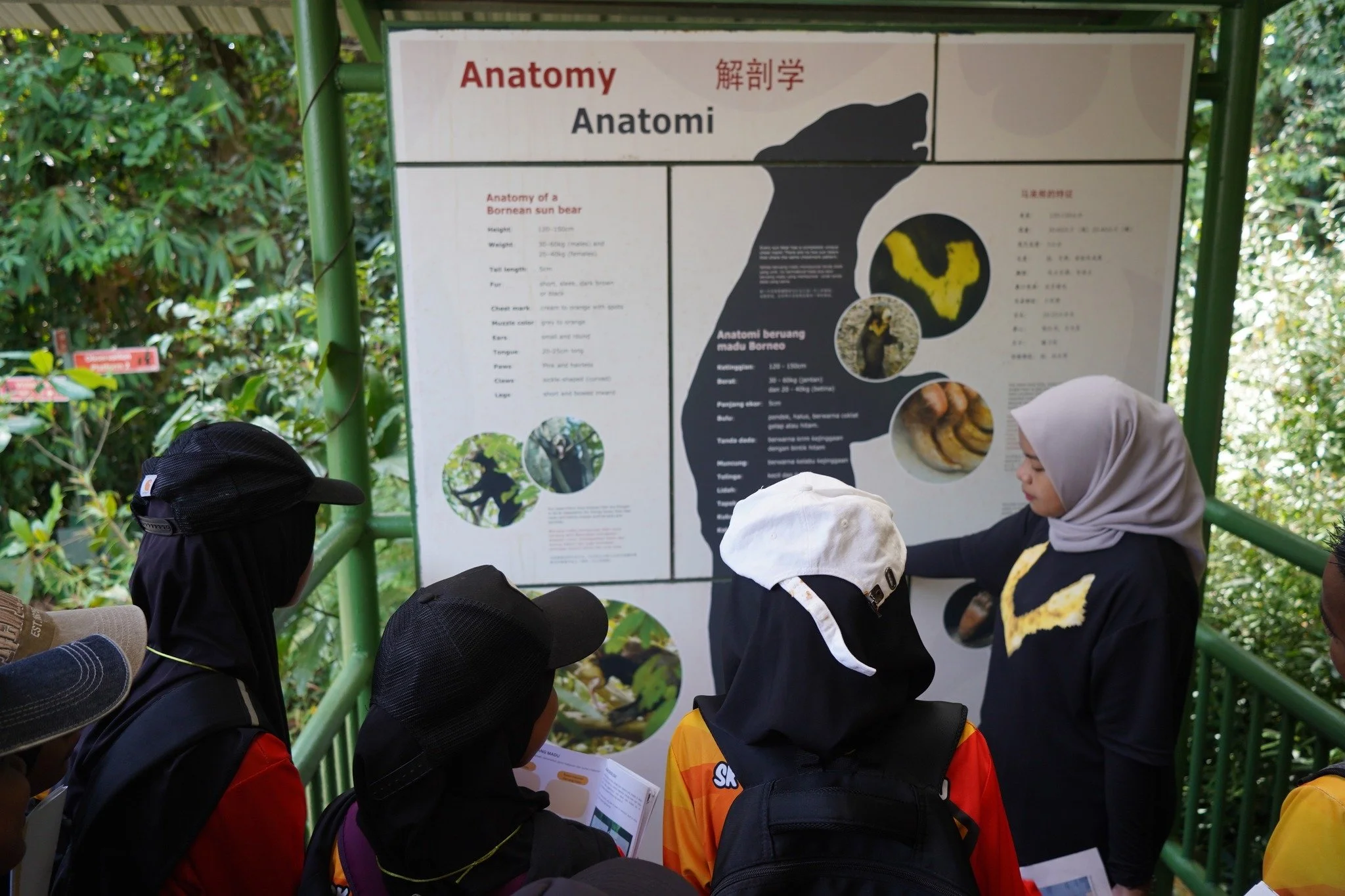
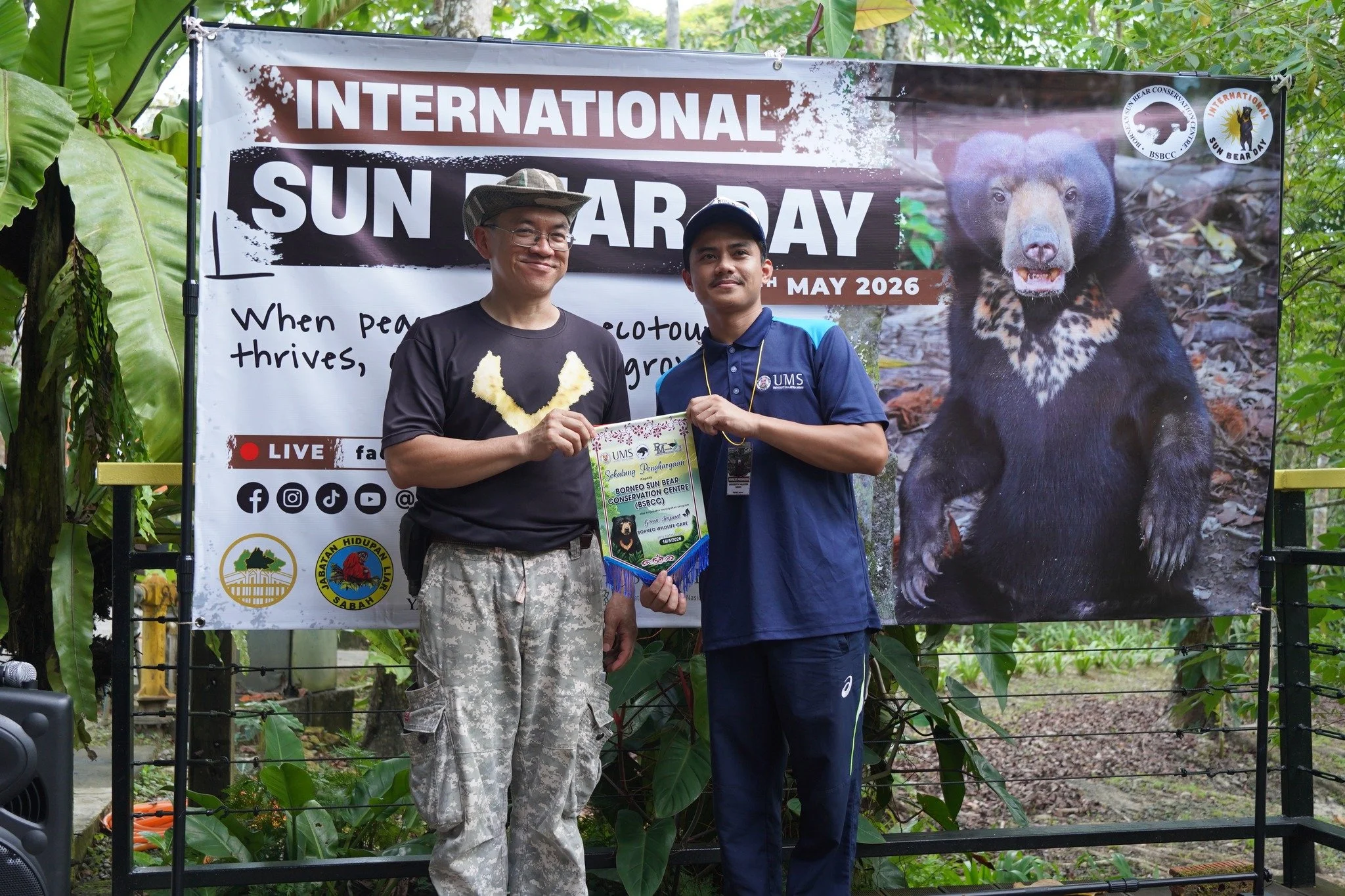
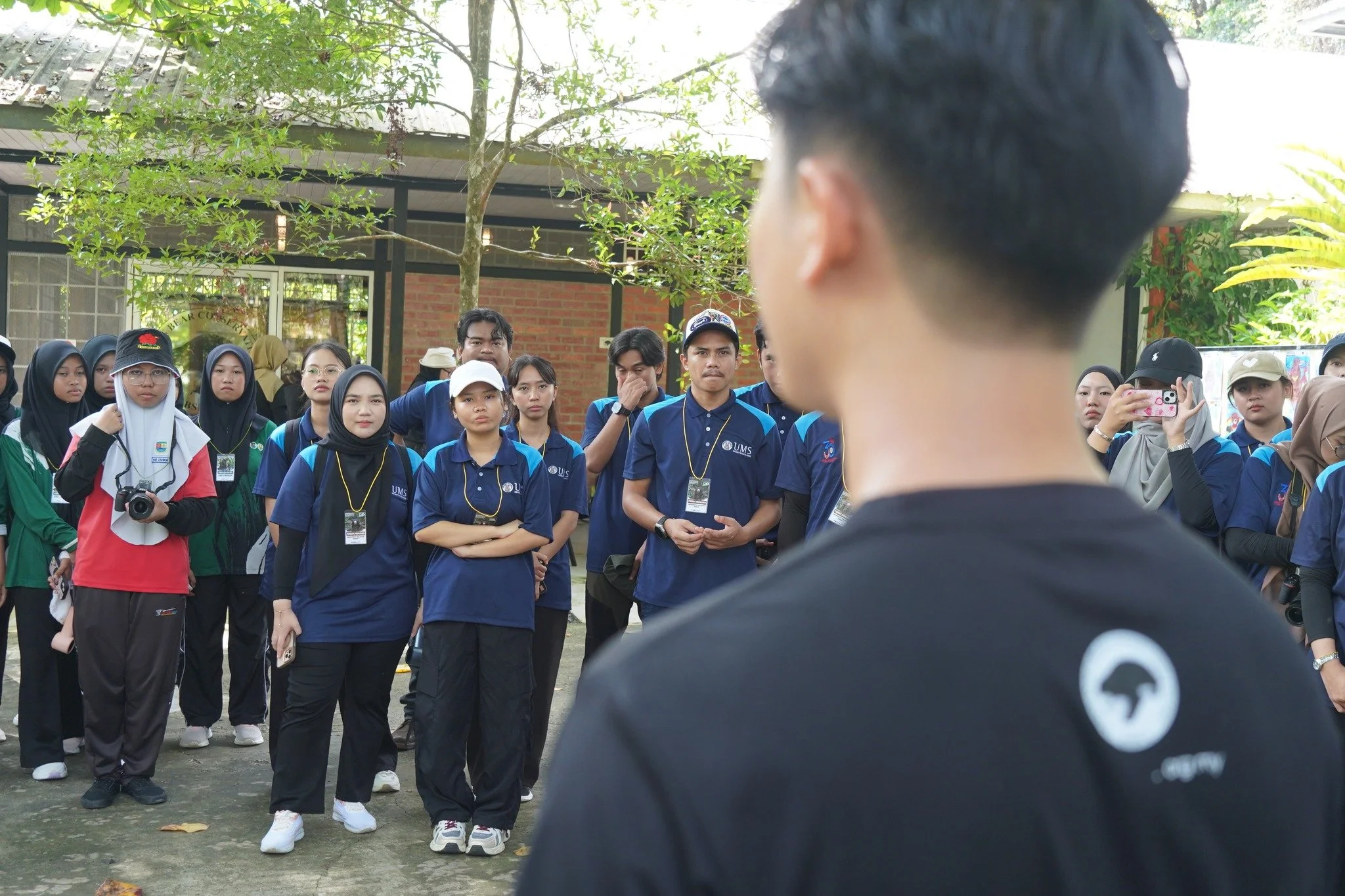
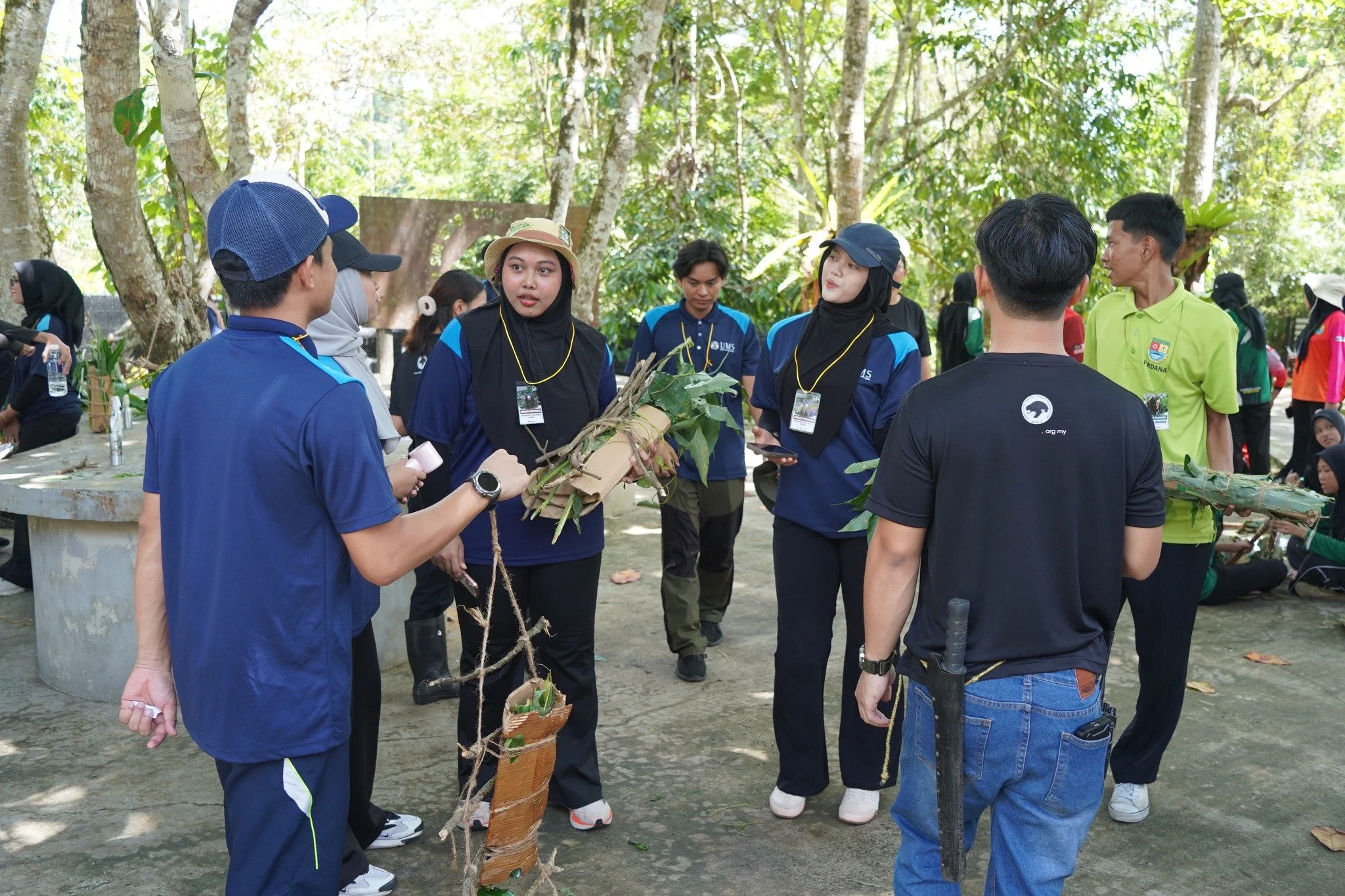
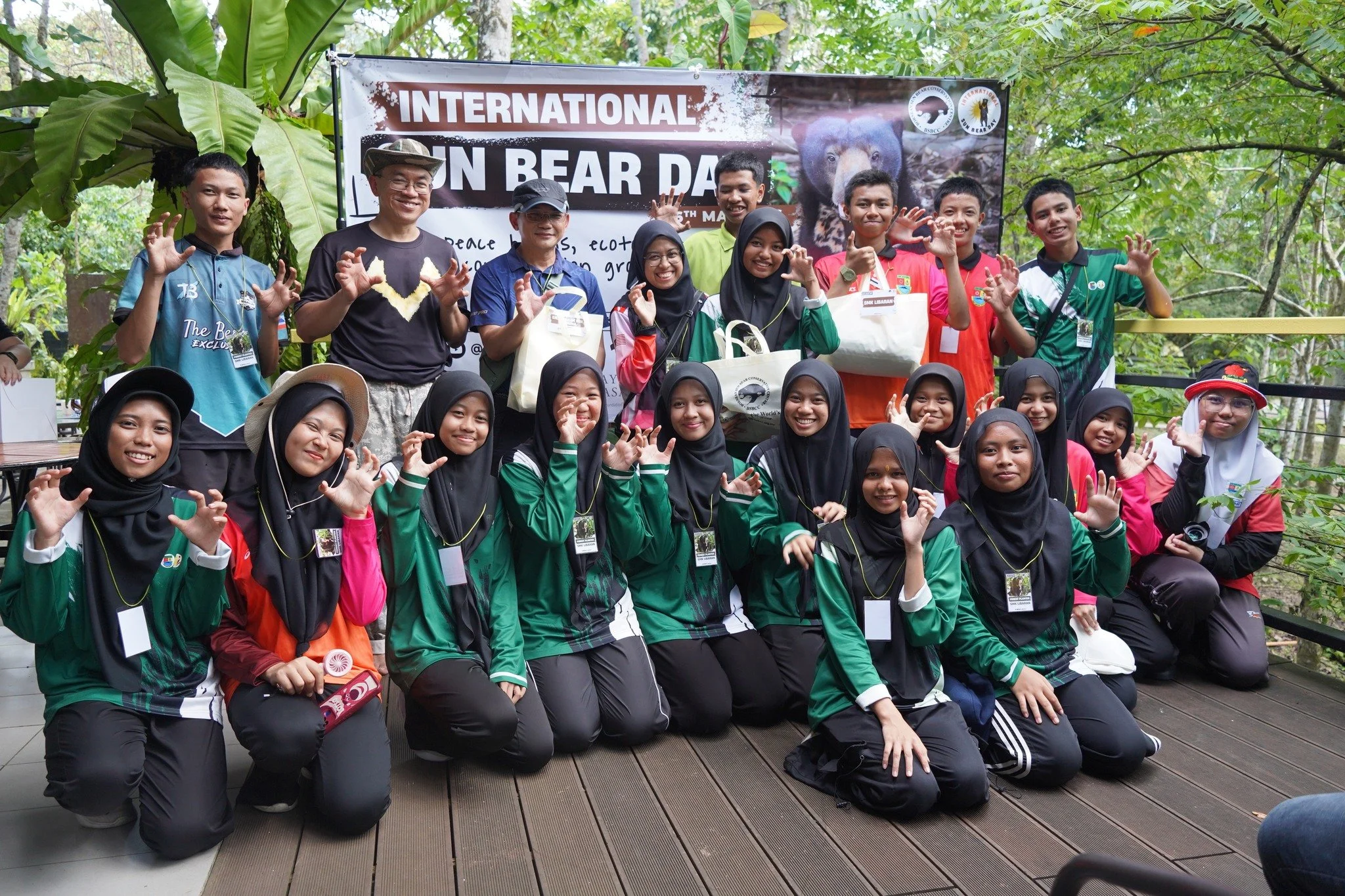
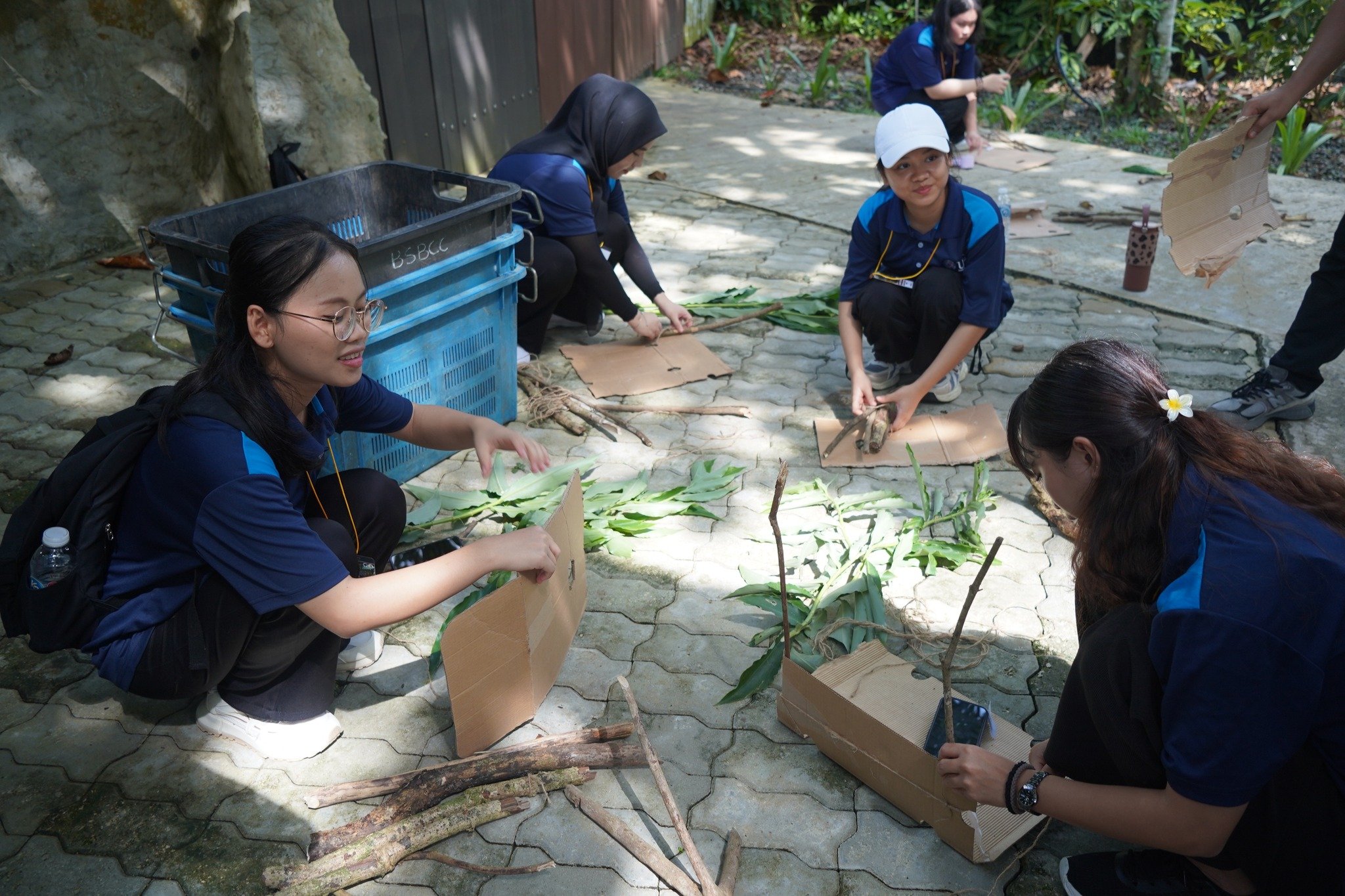
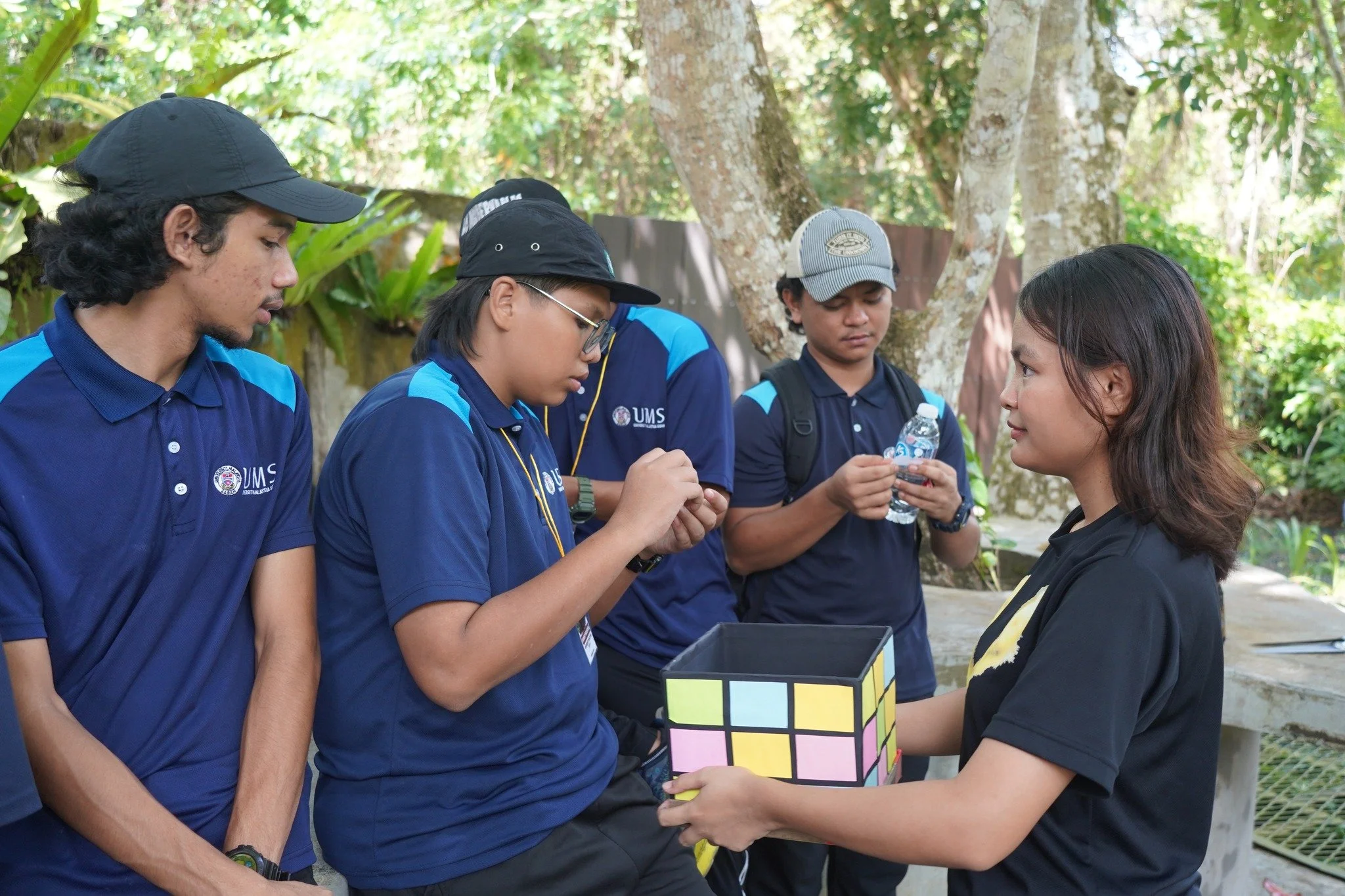
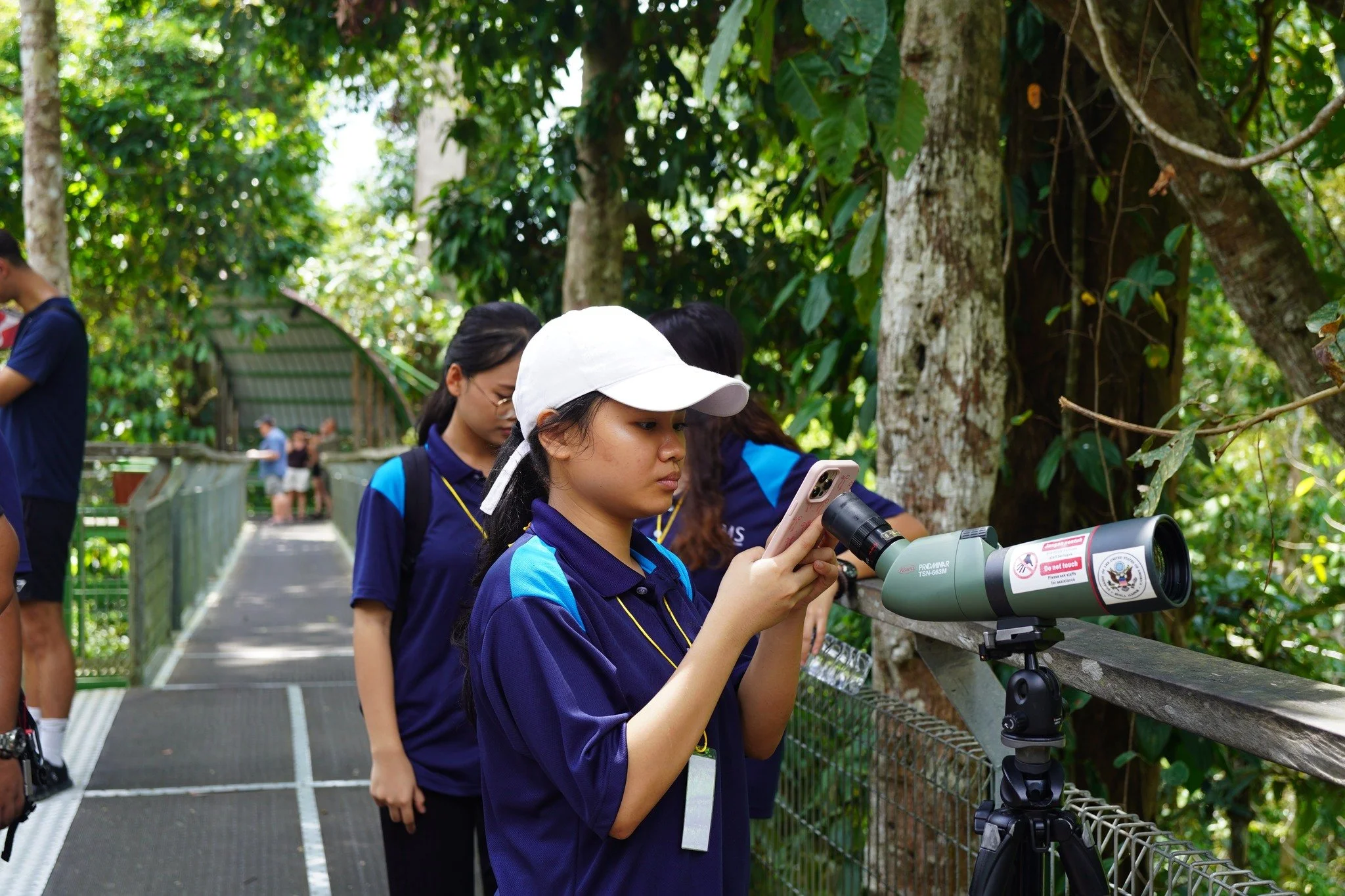
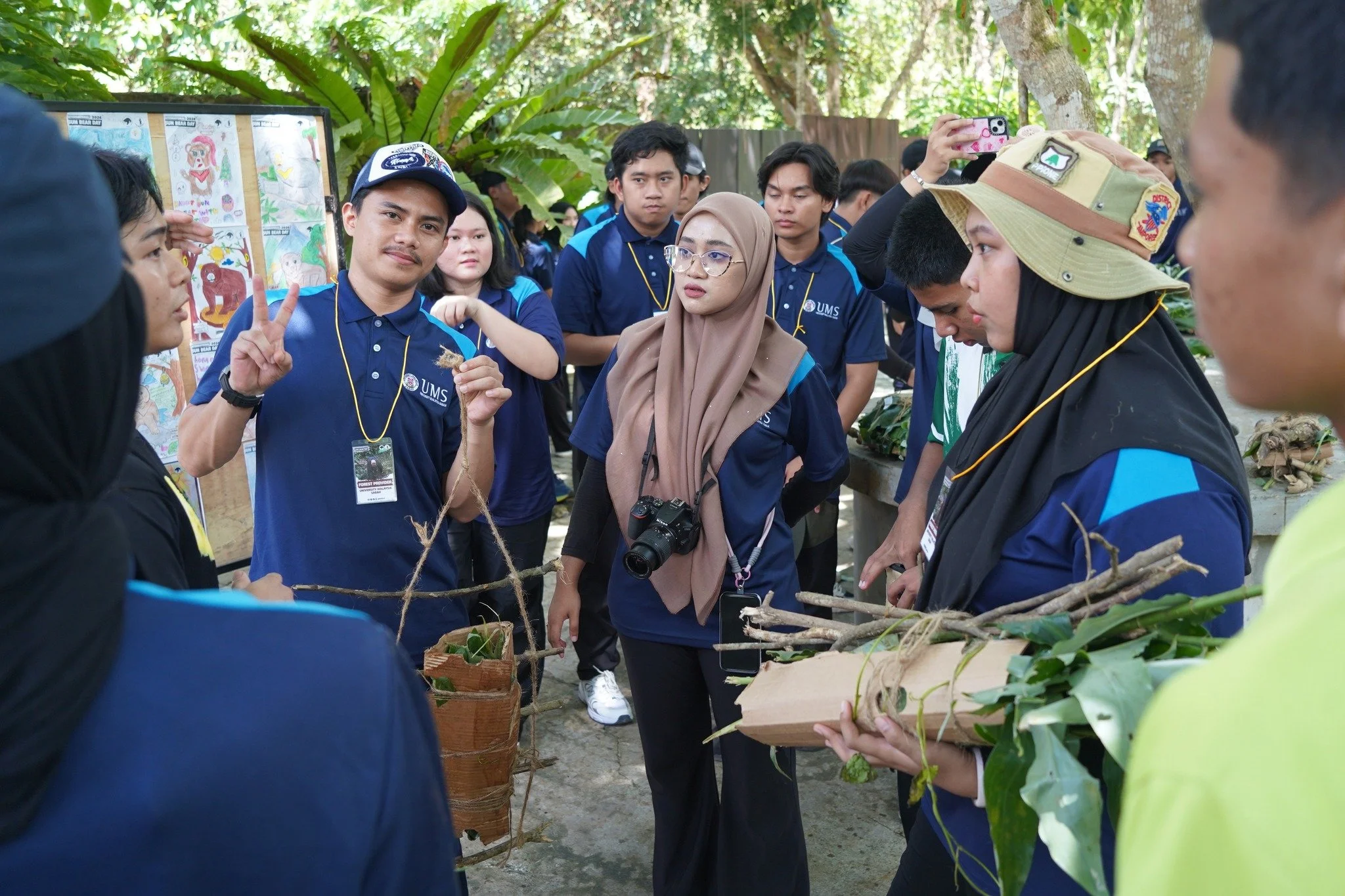
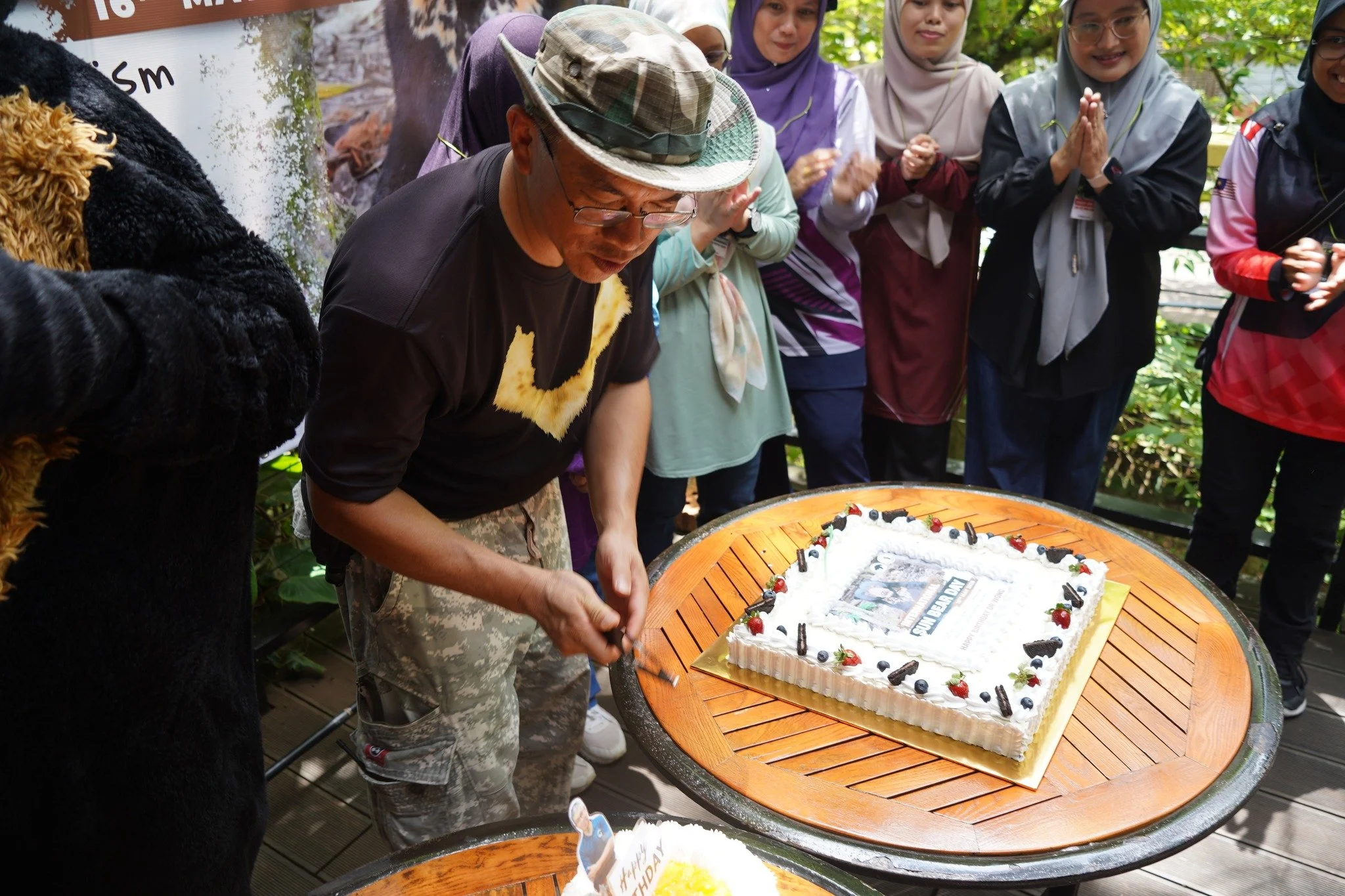
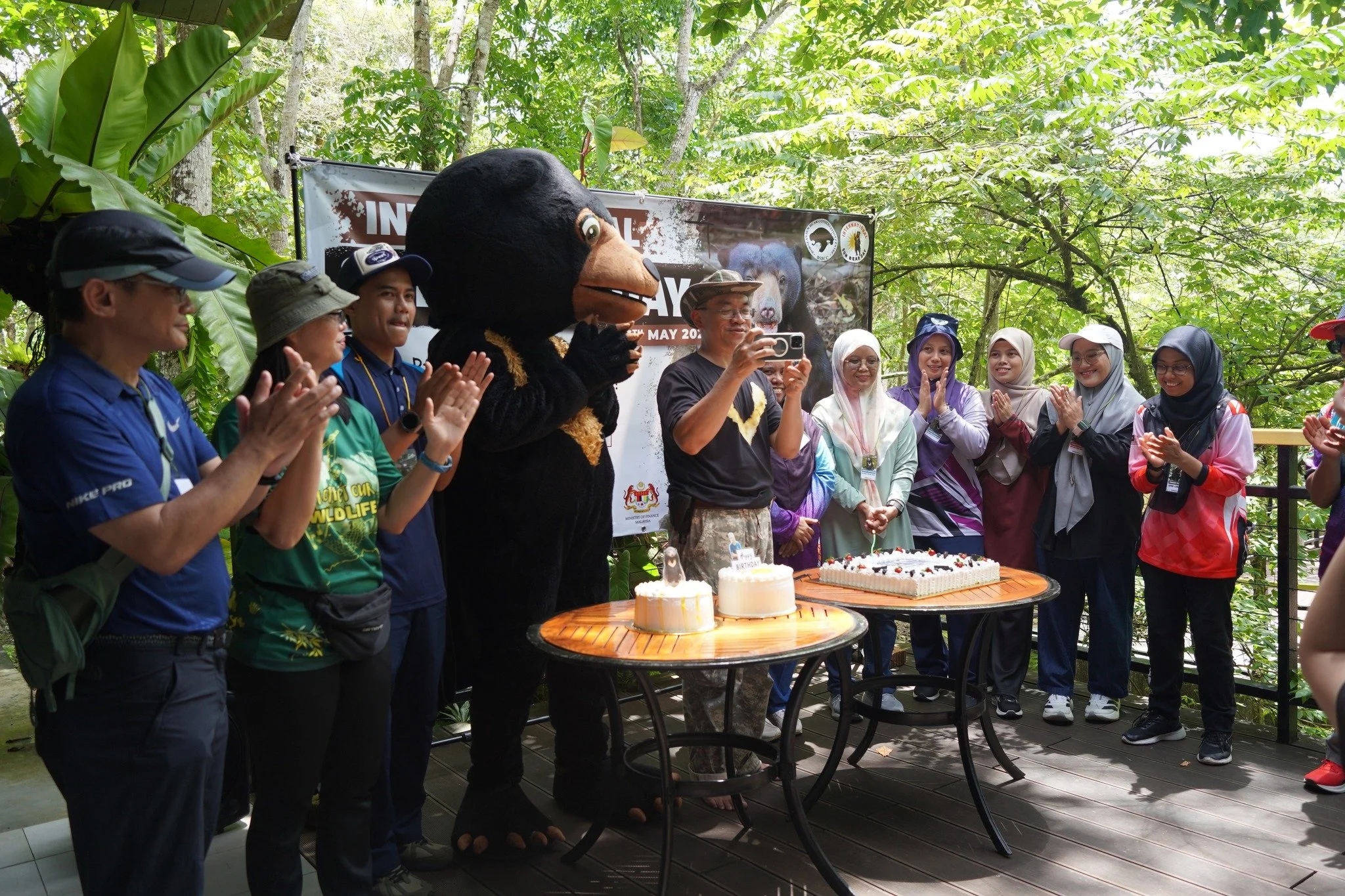
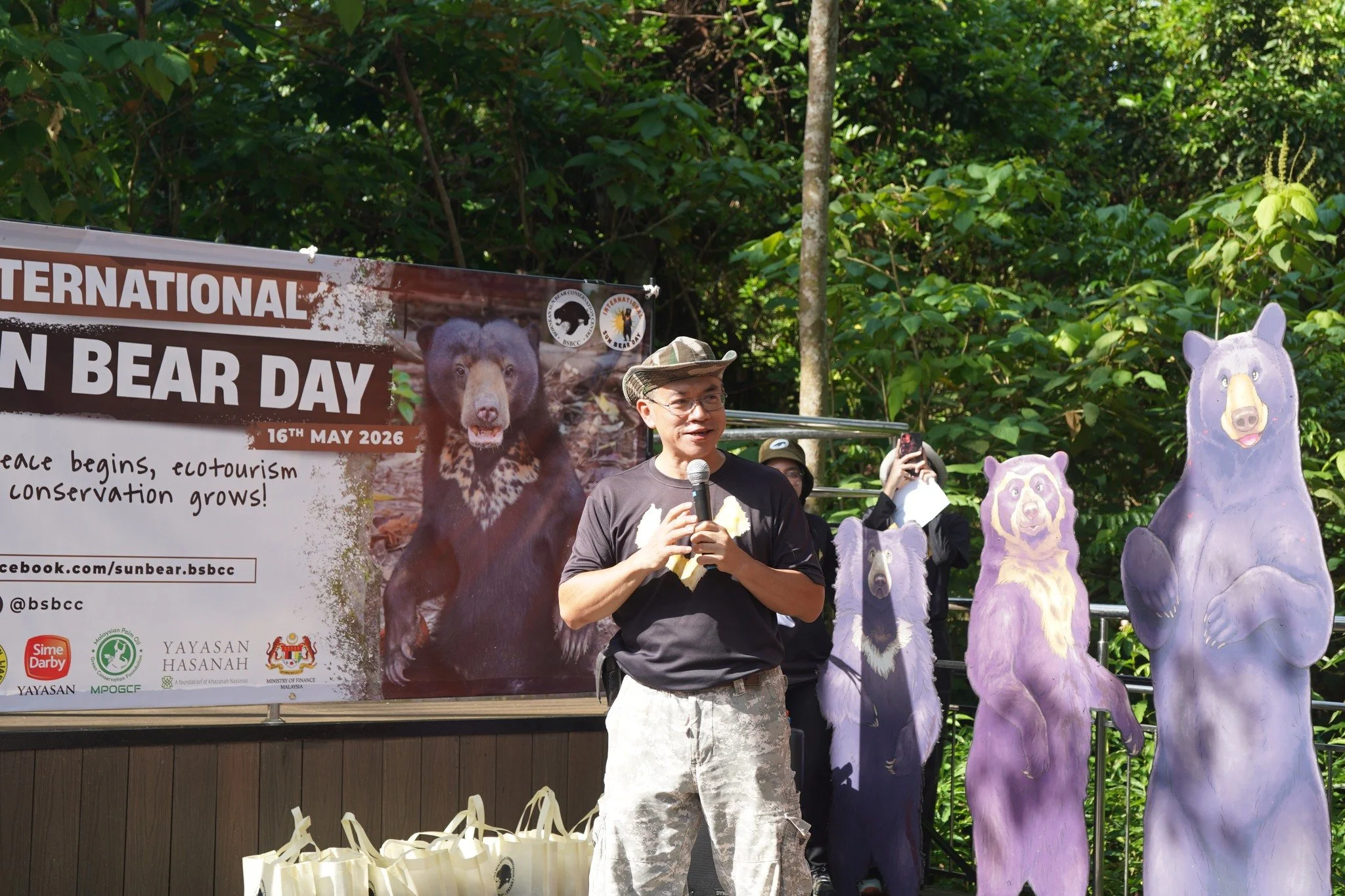
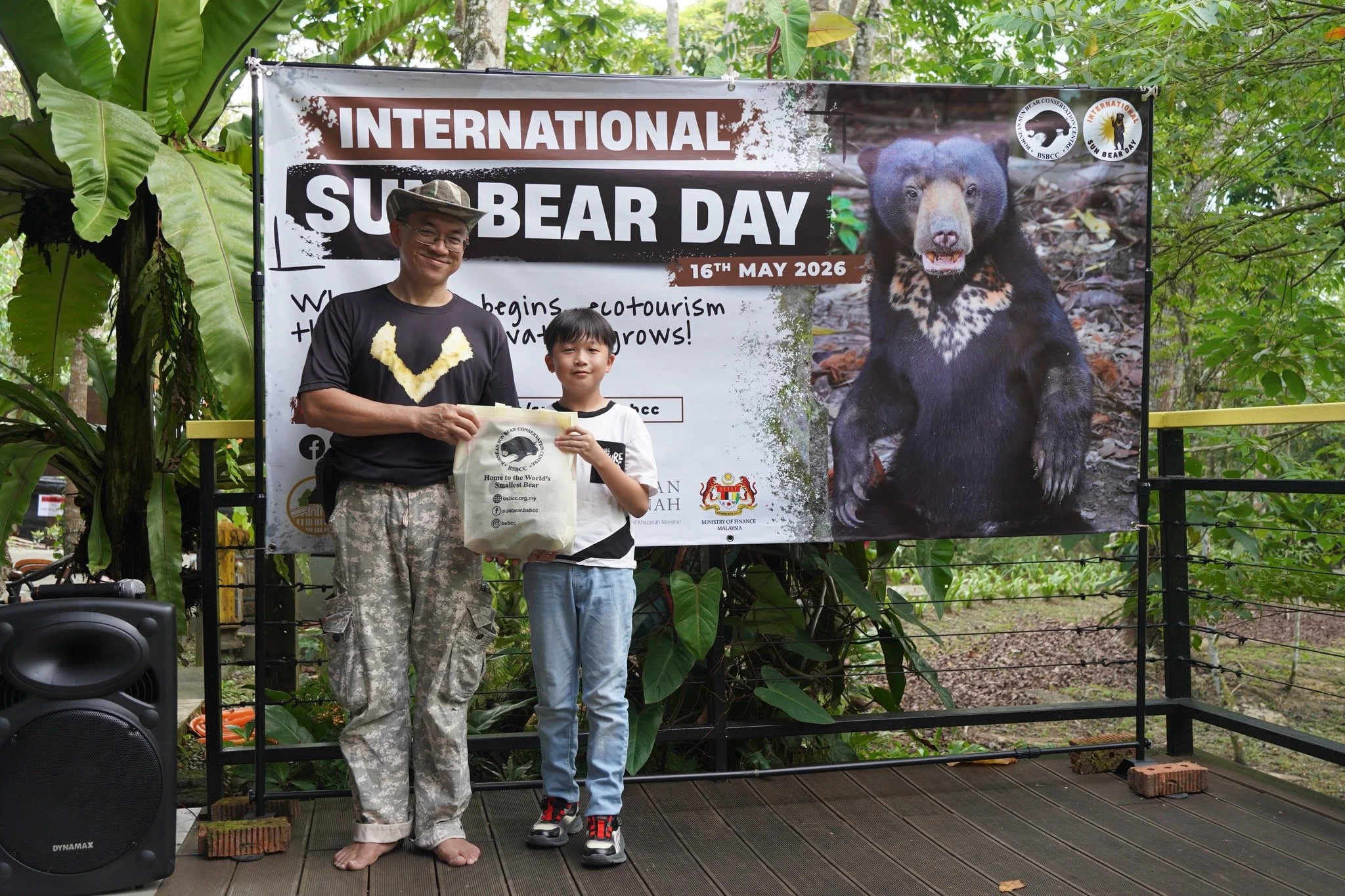
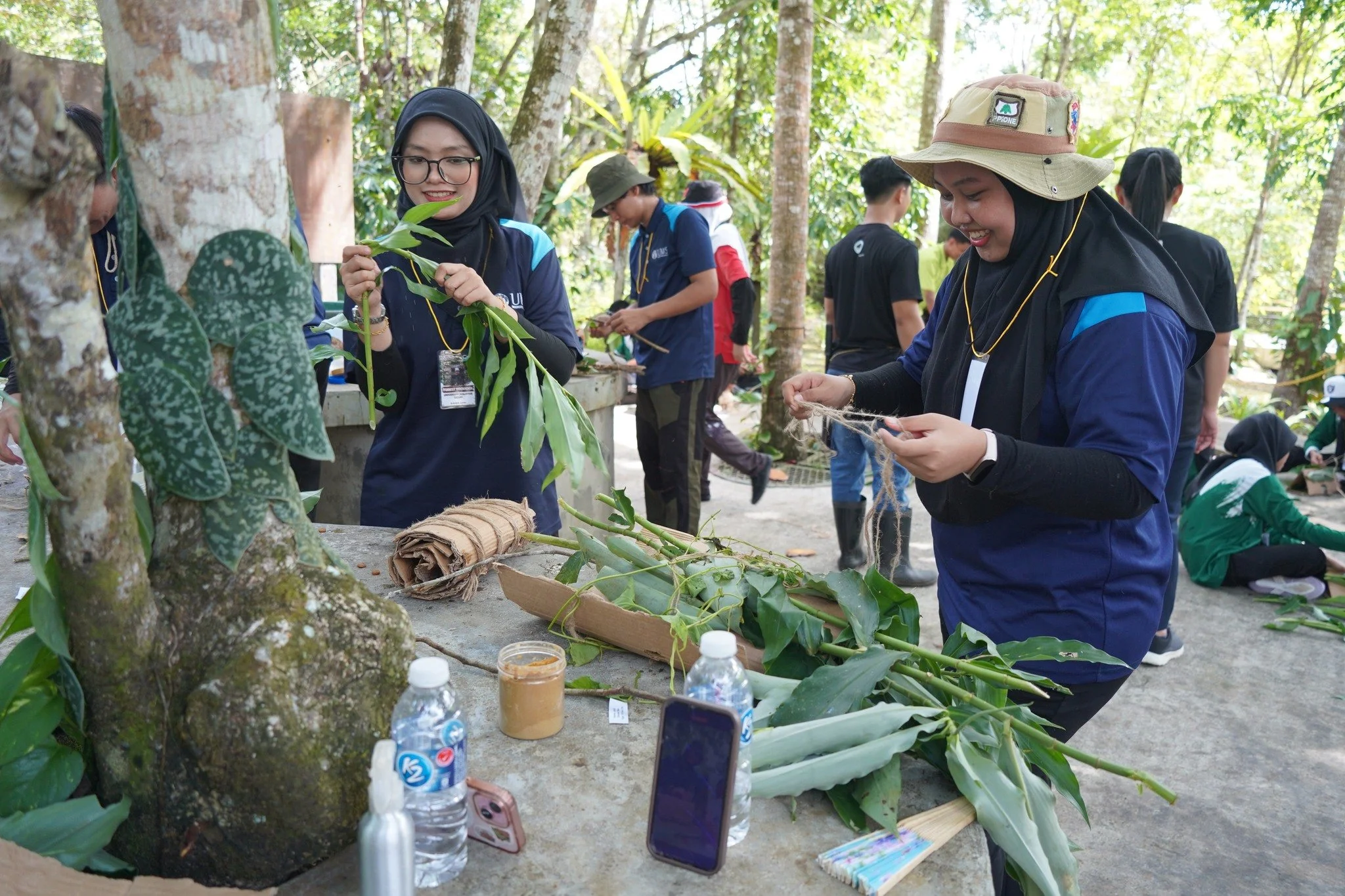
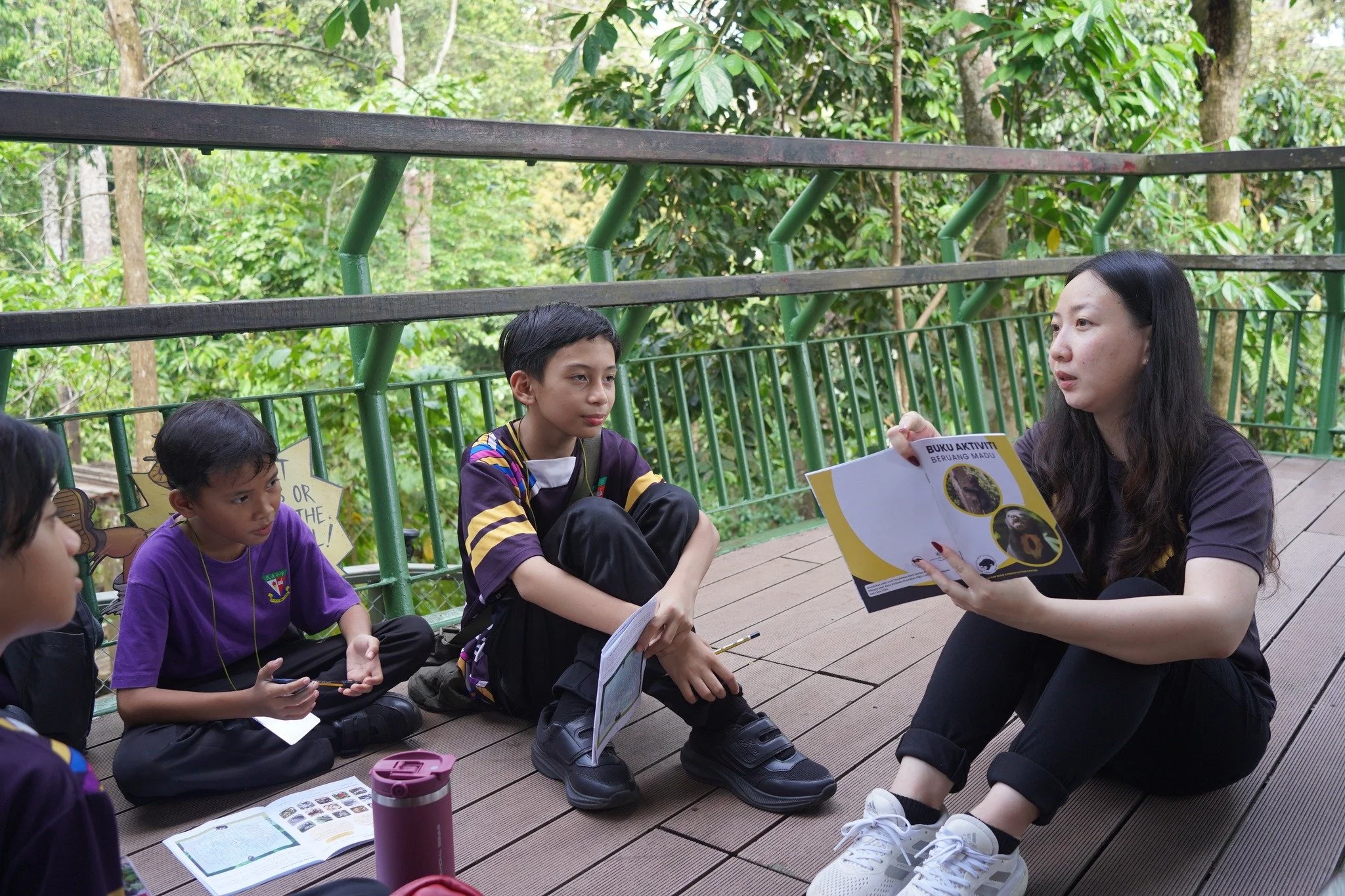
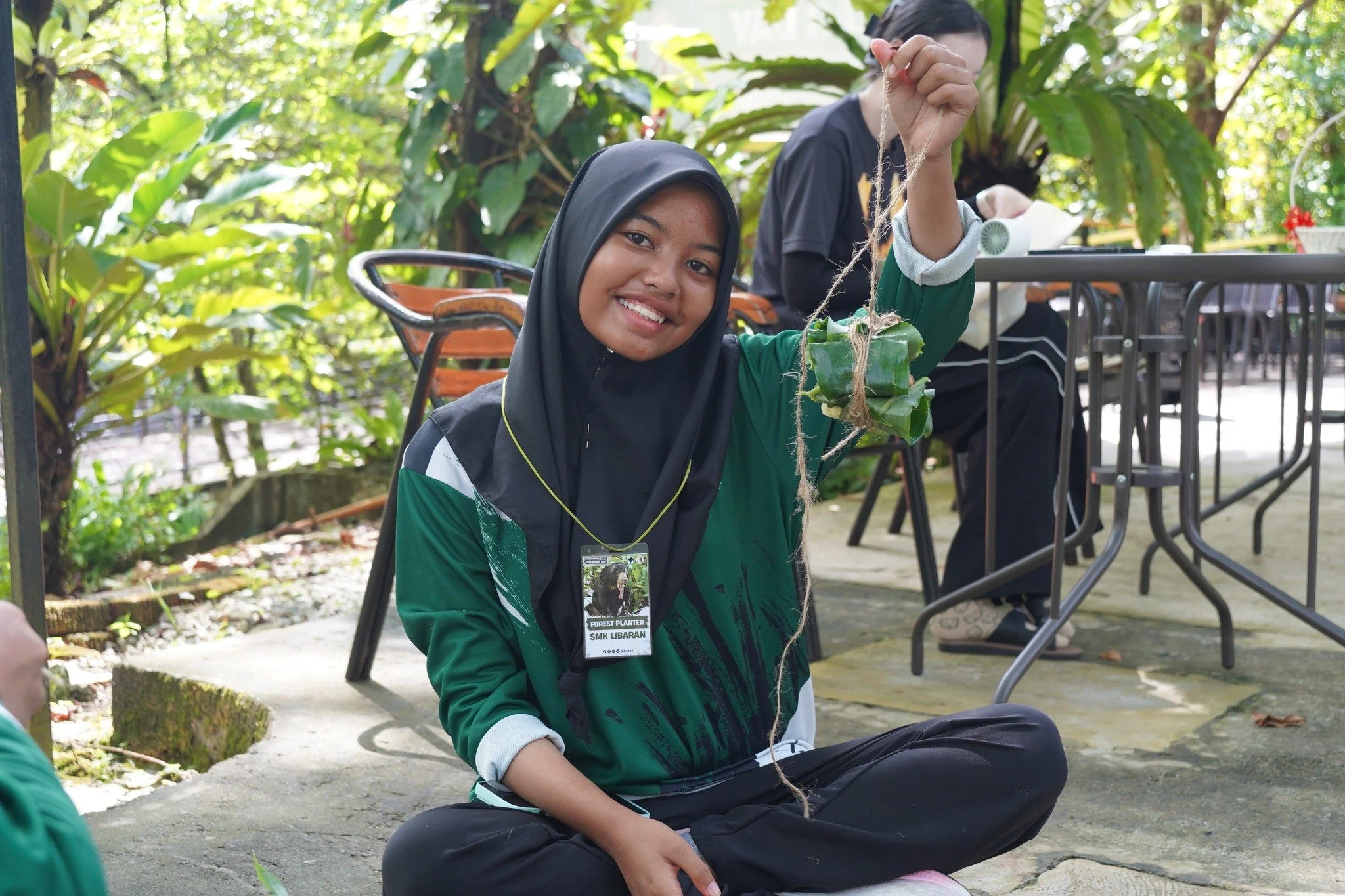
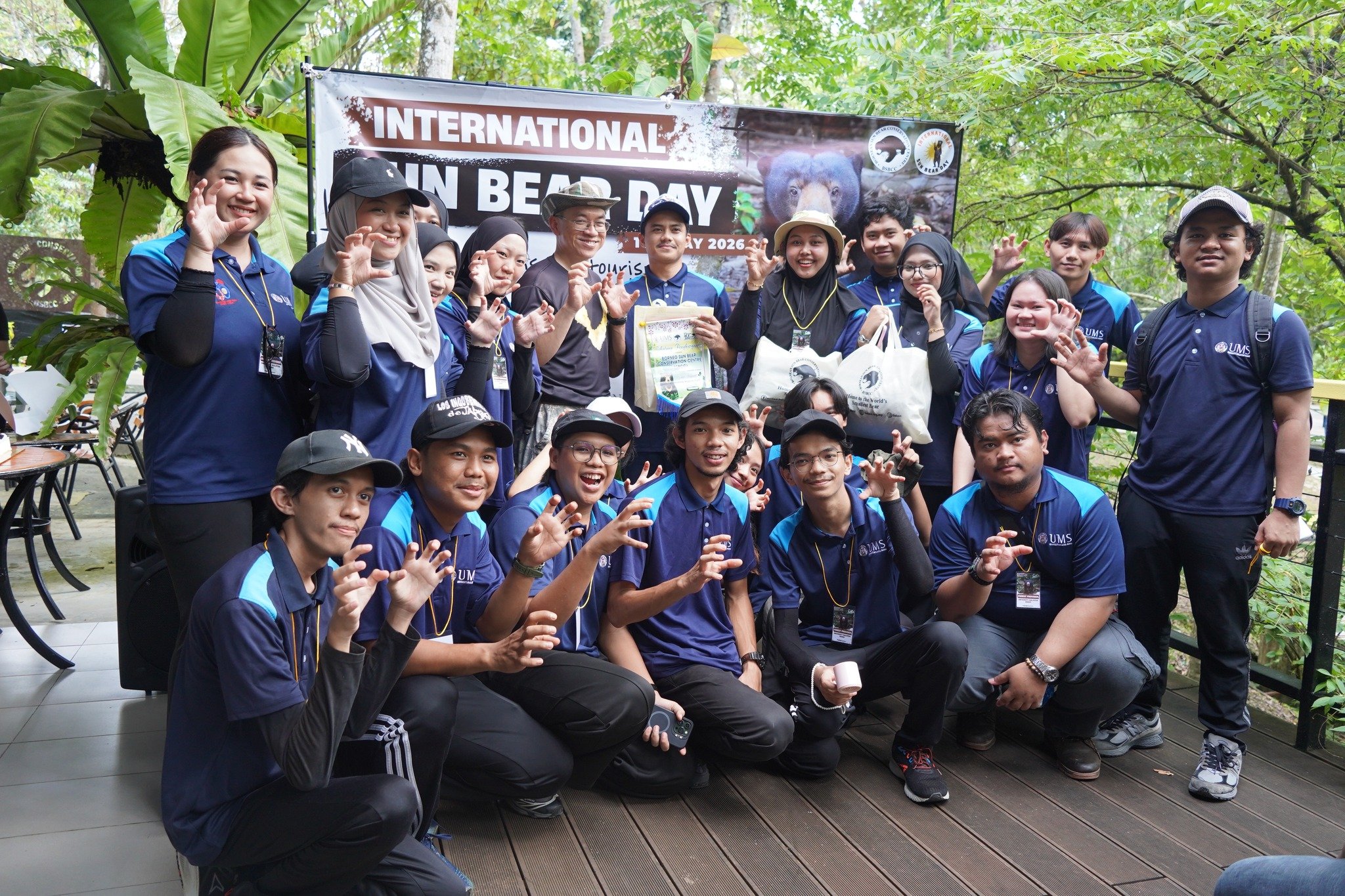
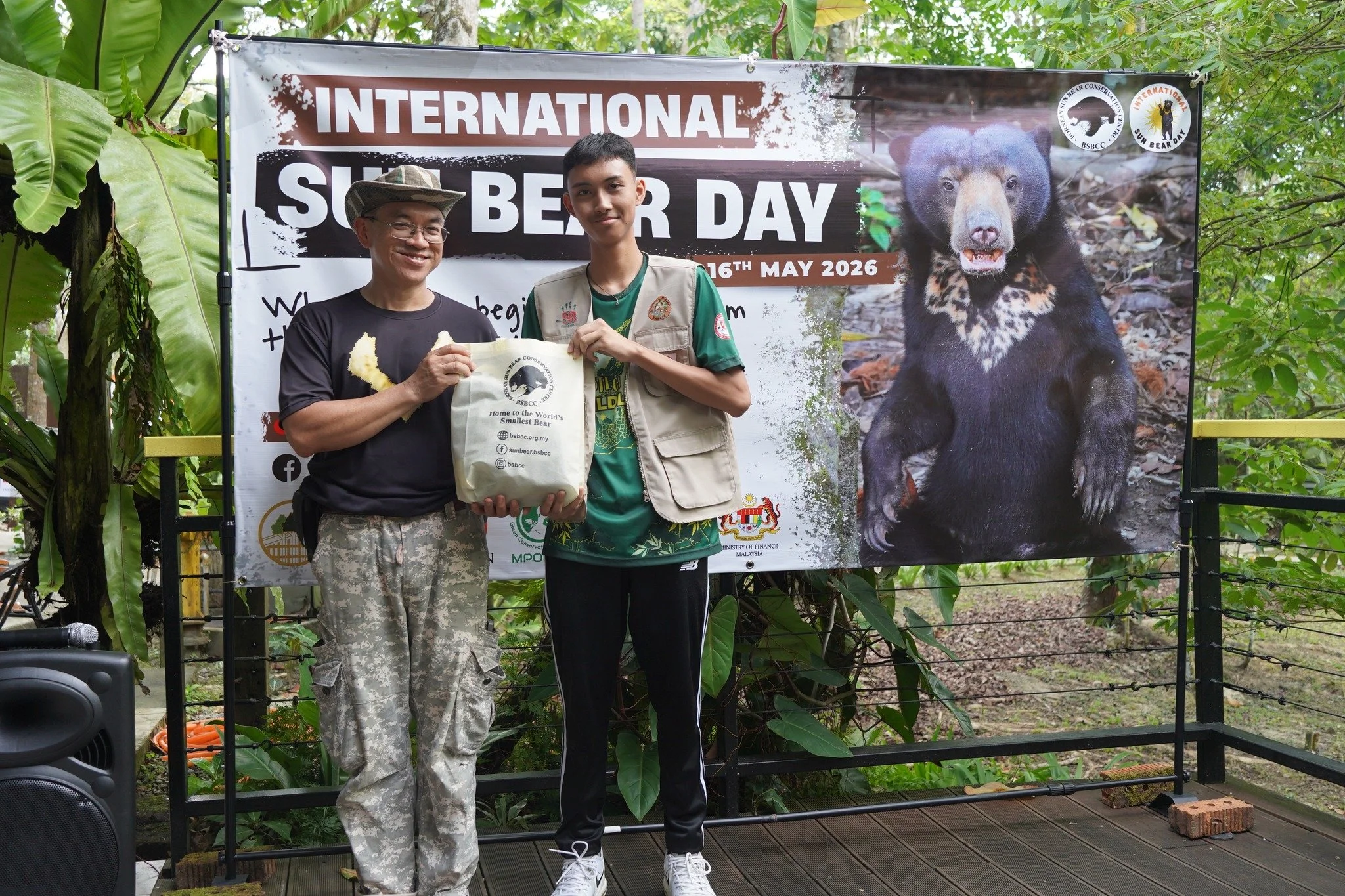
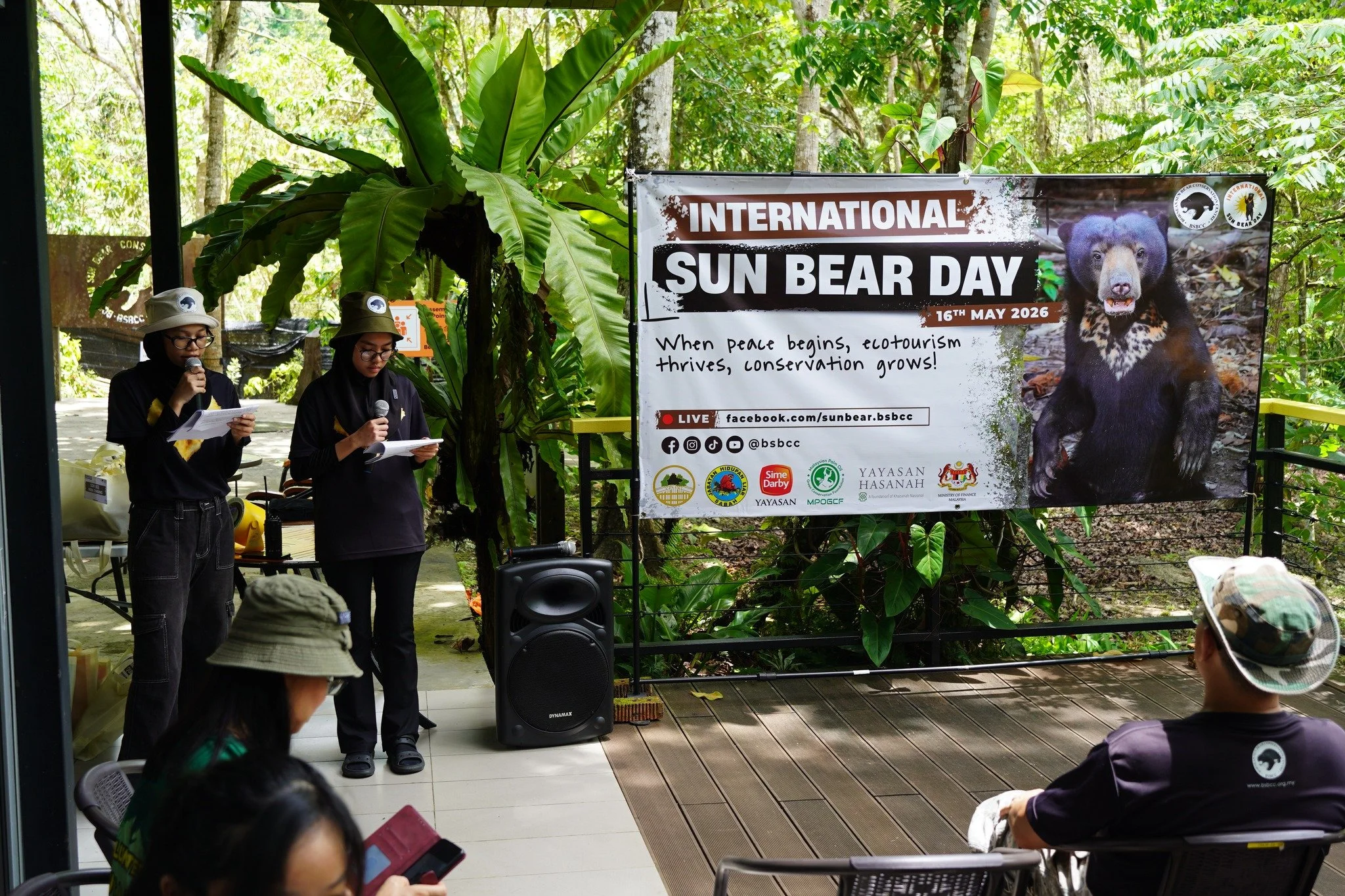
The 10th celebration of the International Sun Bear Day 2026 took place on 16 May 2026 at the Bornean Sun Bear Conservation Centre (BSBCC), Sepilok, Sandakan.
With this year’s theme, “When Peace Begins, Ecotourism Thrives, Conservation Grows!”, the celebration aimed to inspire greater awareness of wildlife conservation and the importance of protecting sun bears and their natural habitat for future generations.
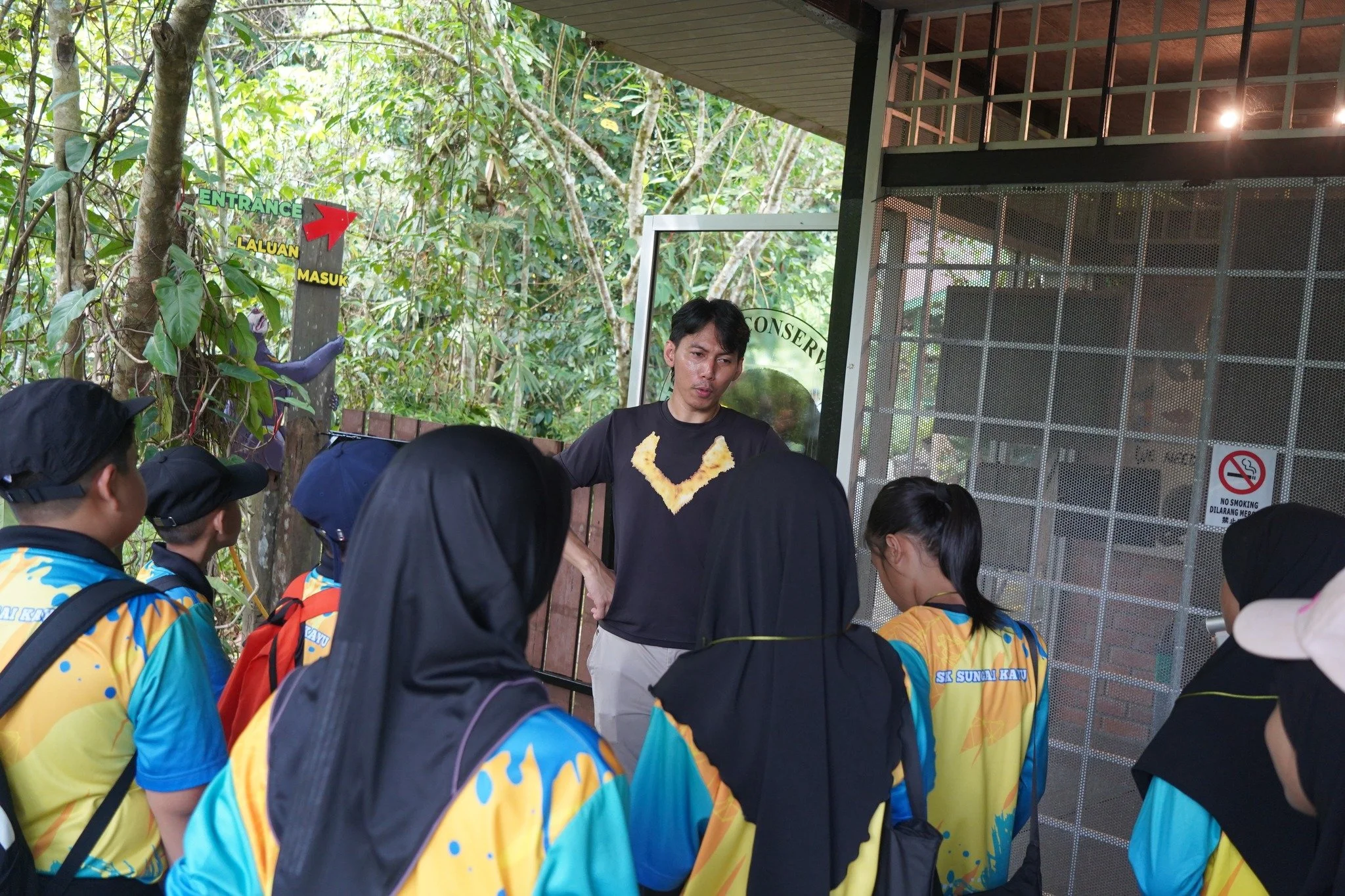
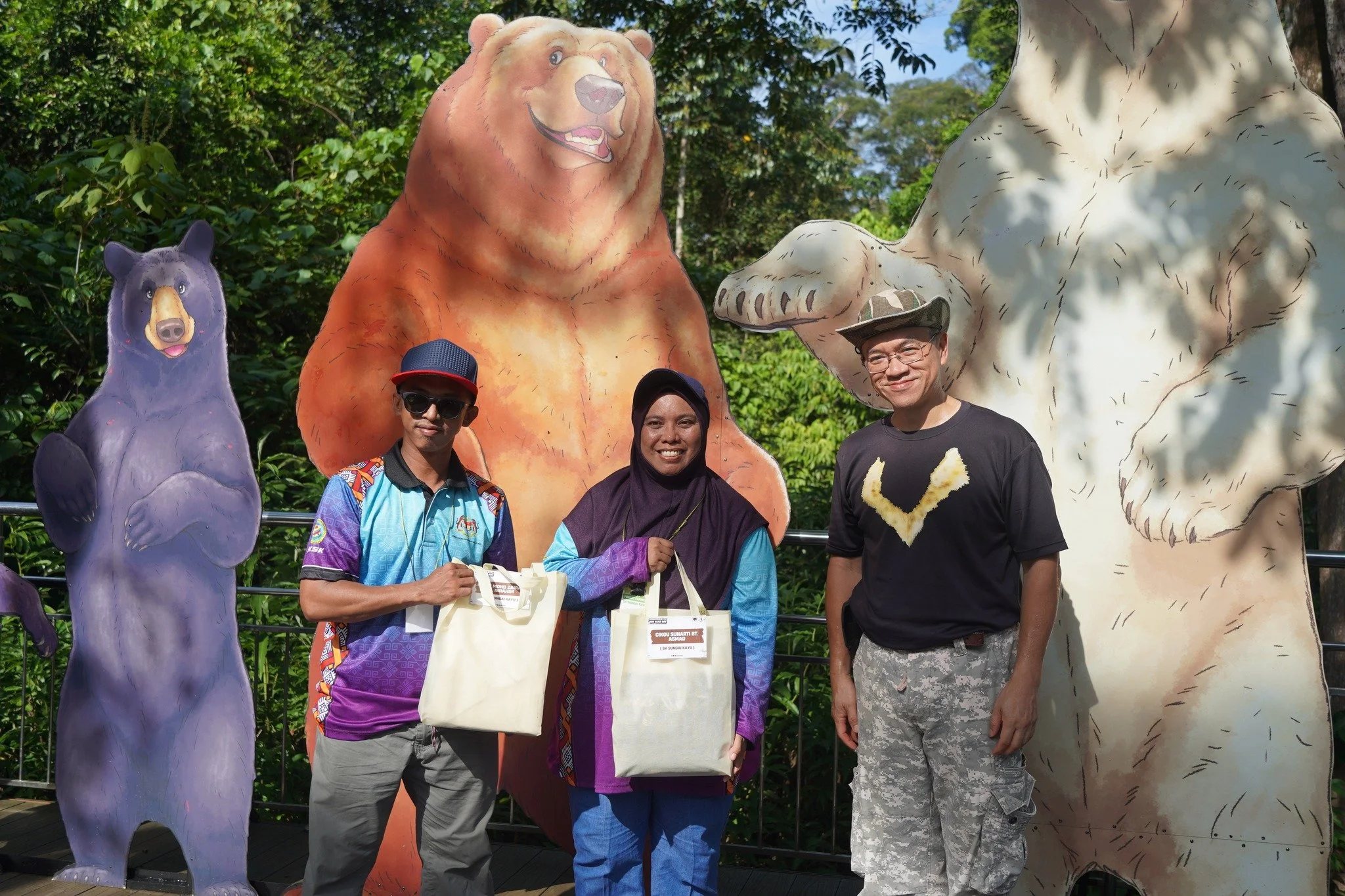
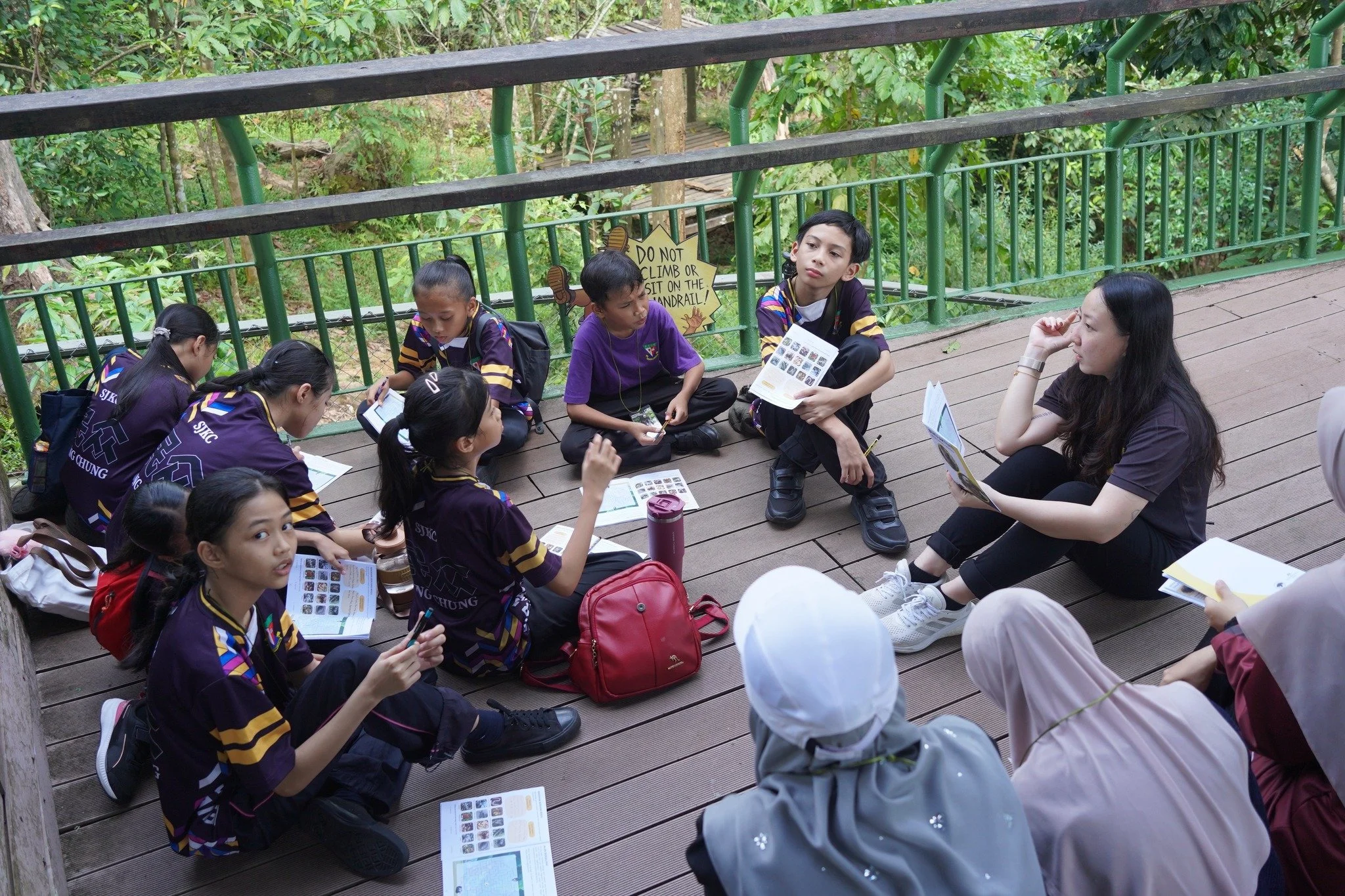
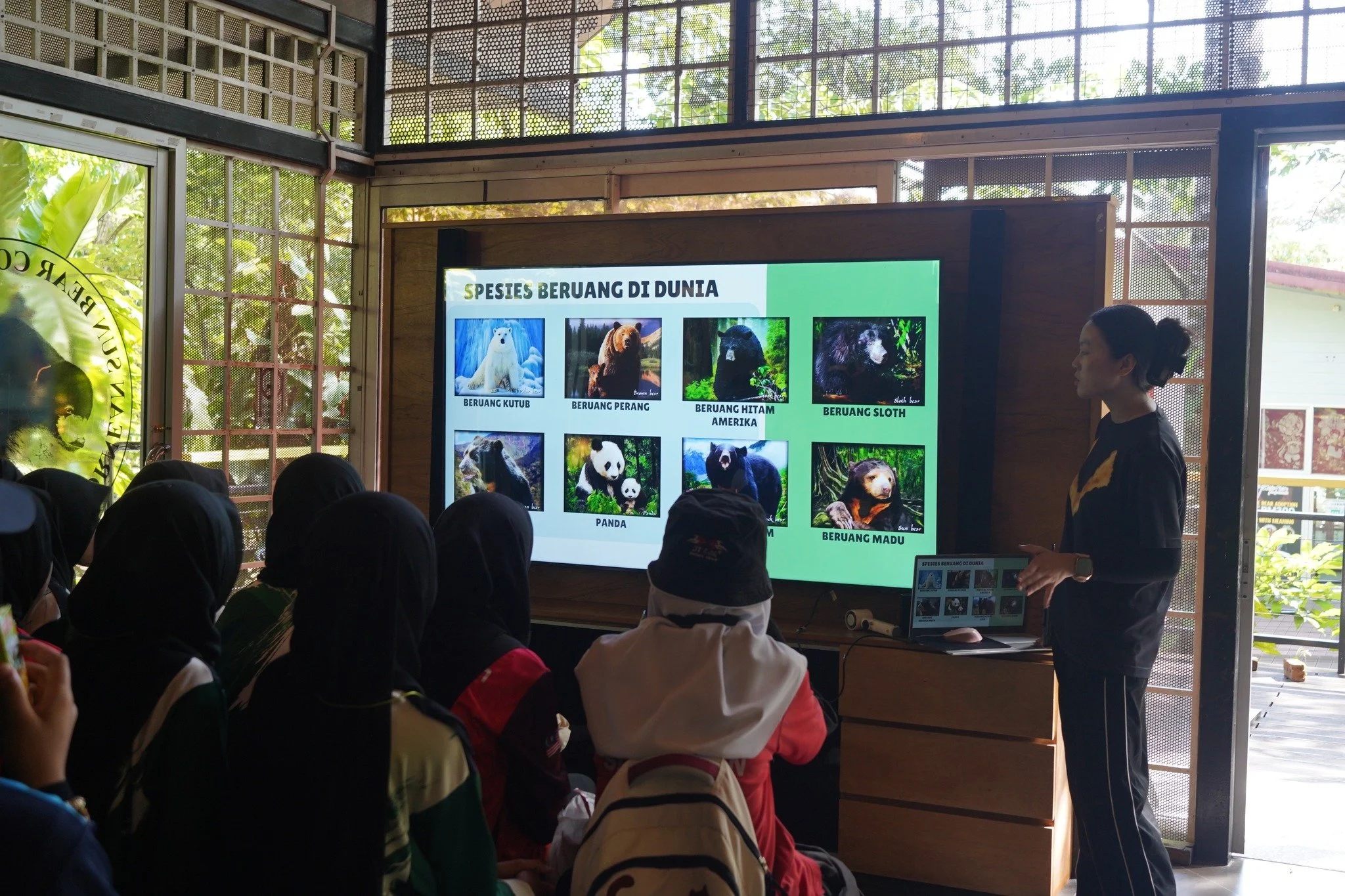
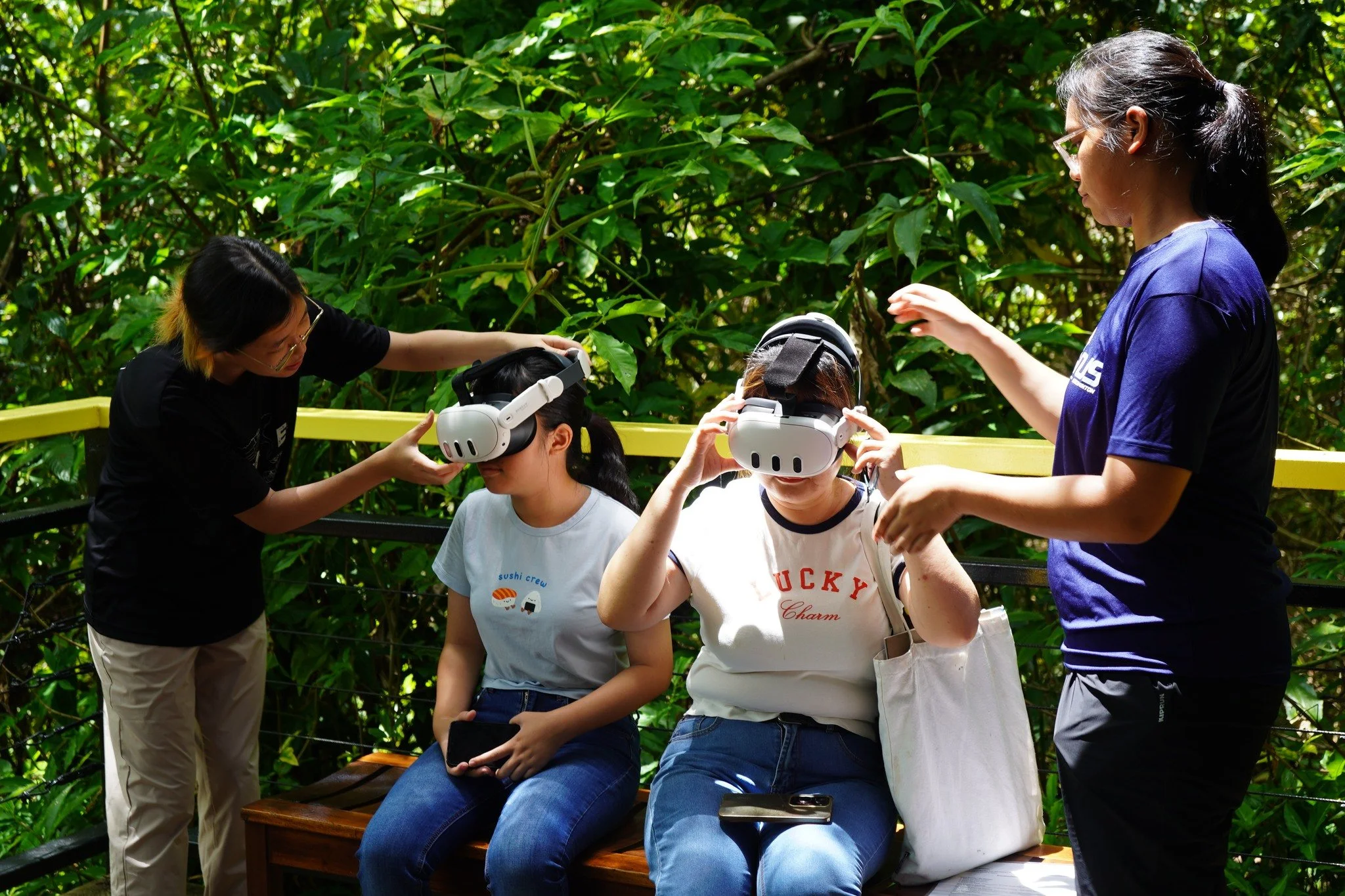
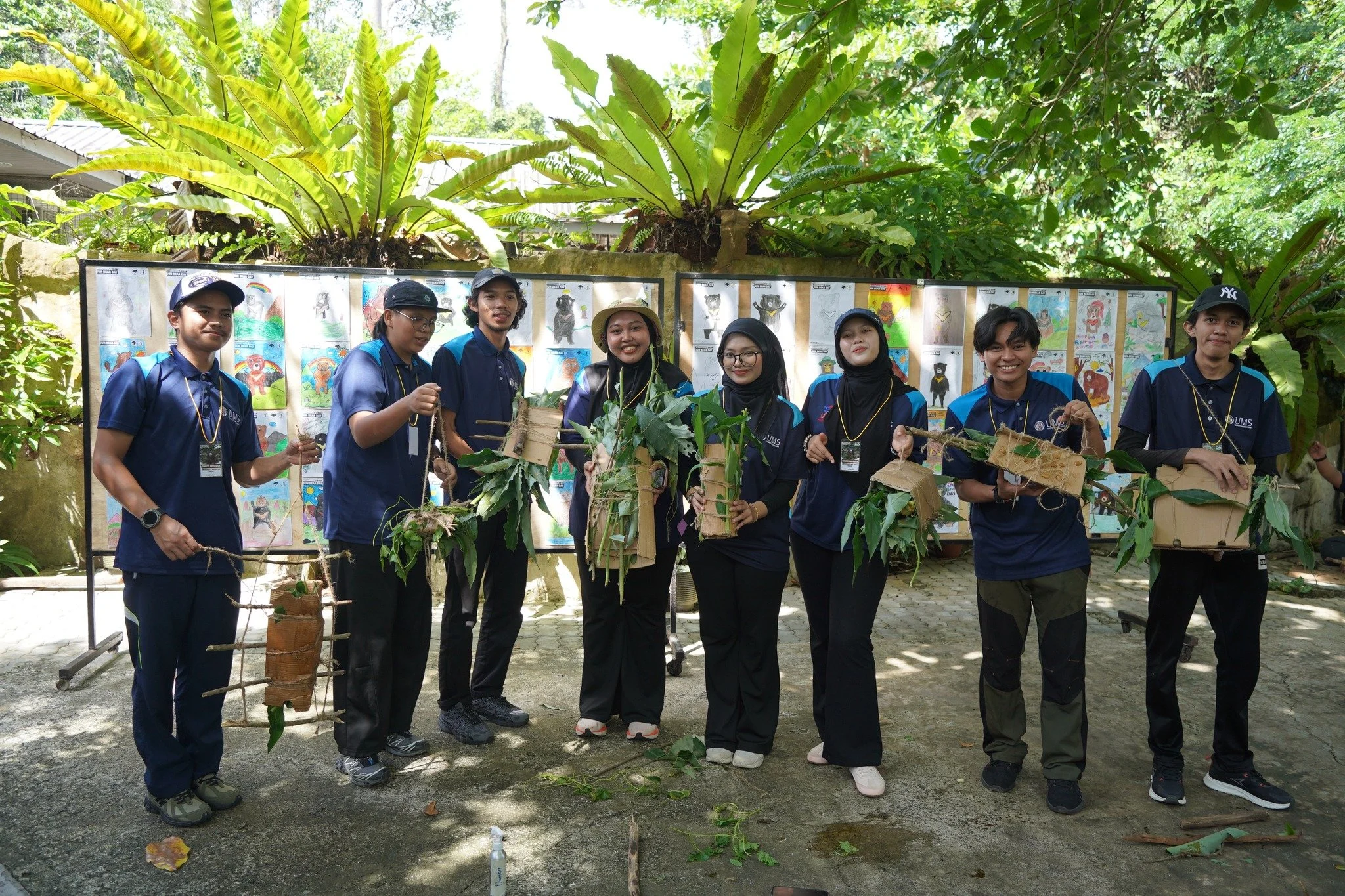
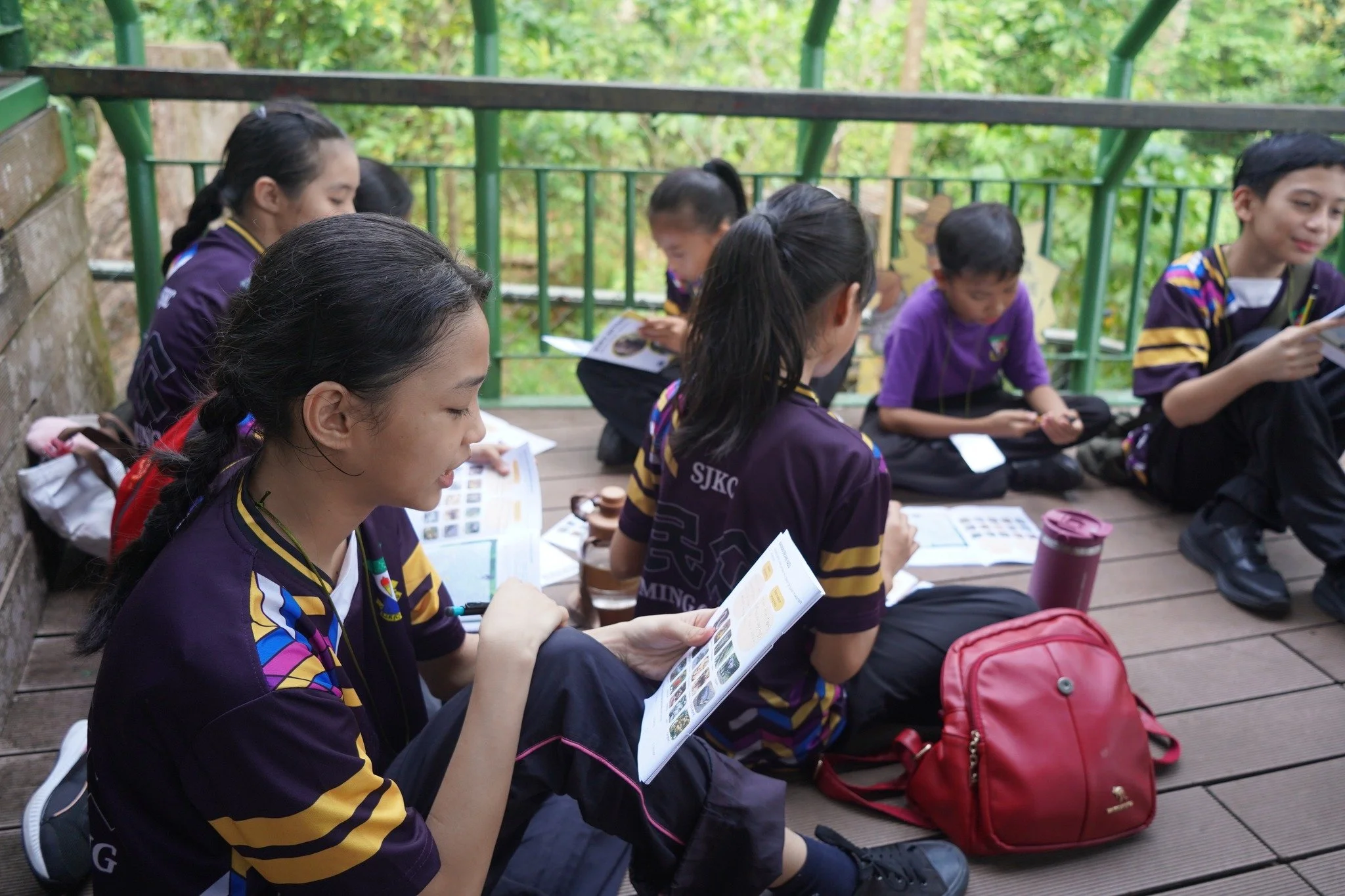
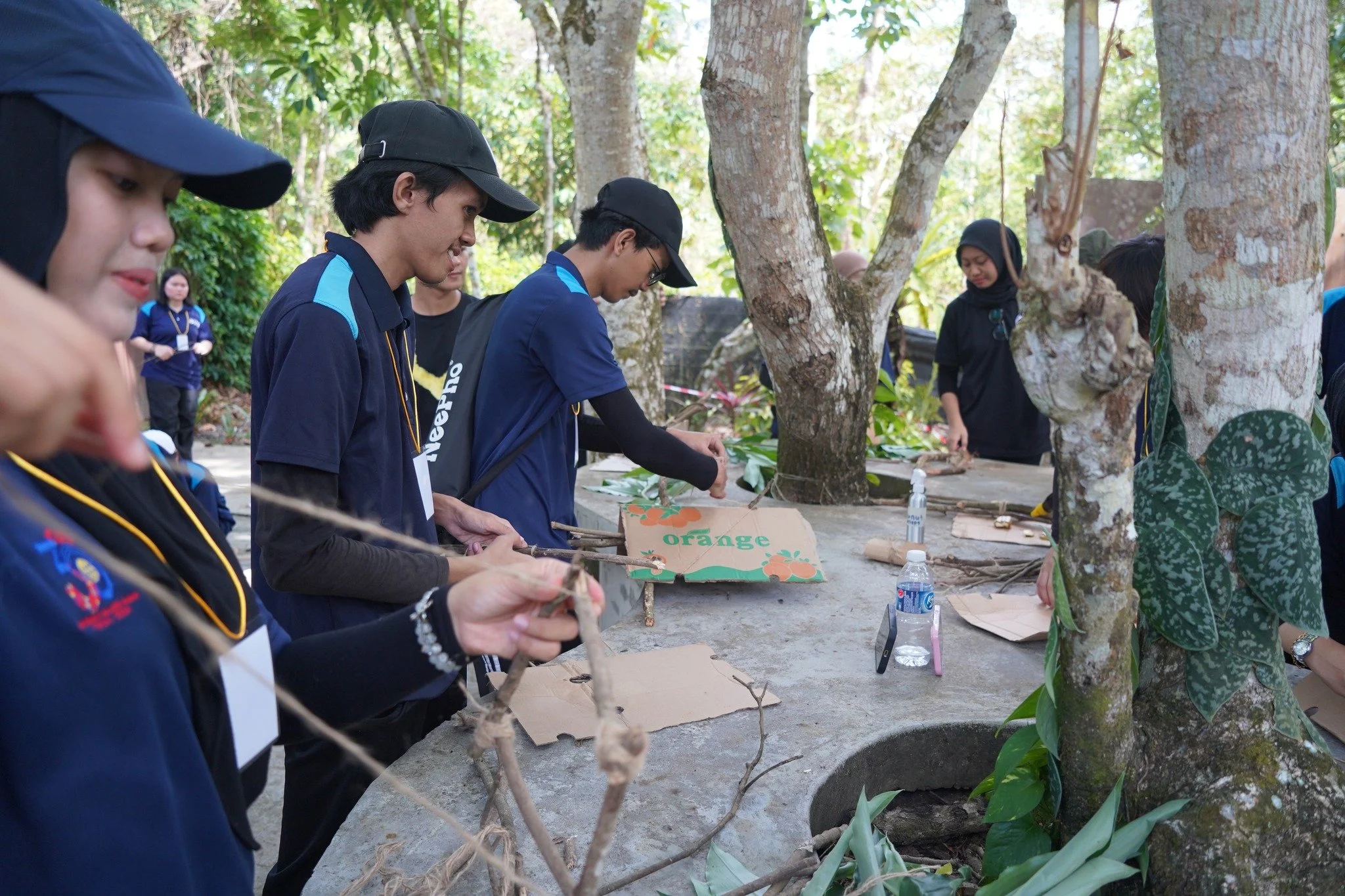
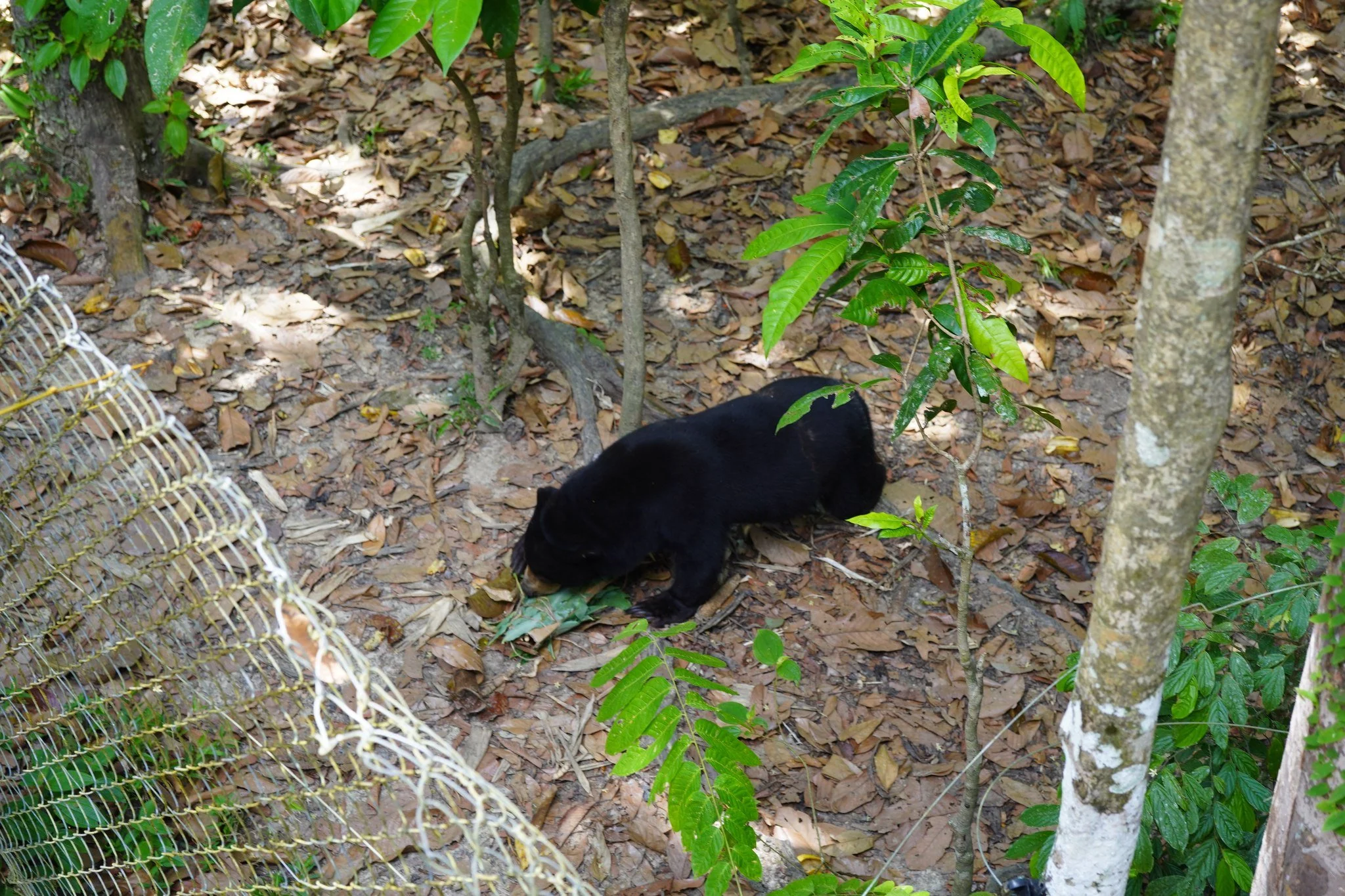
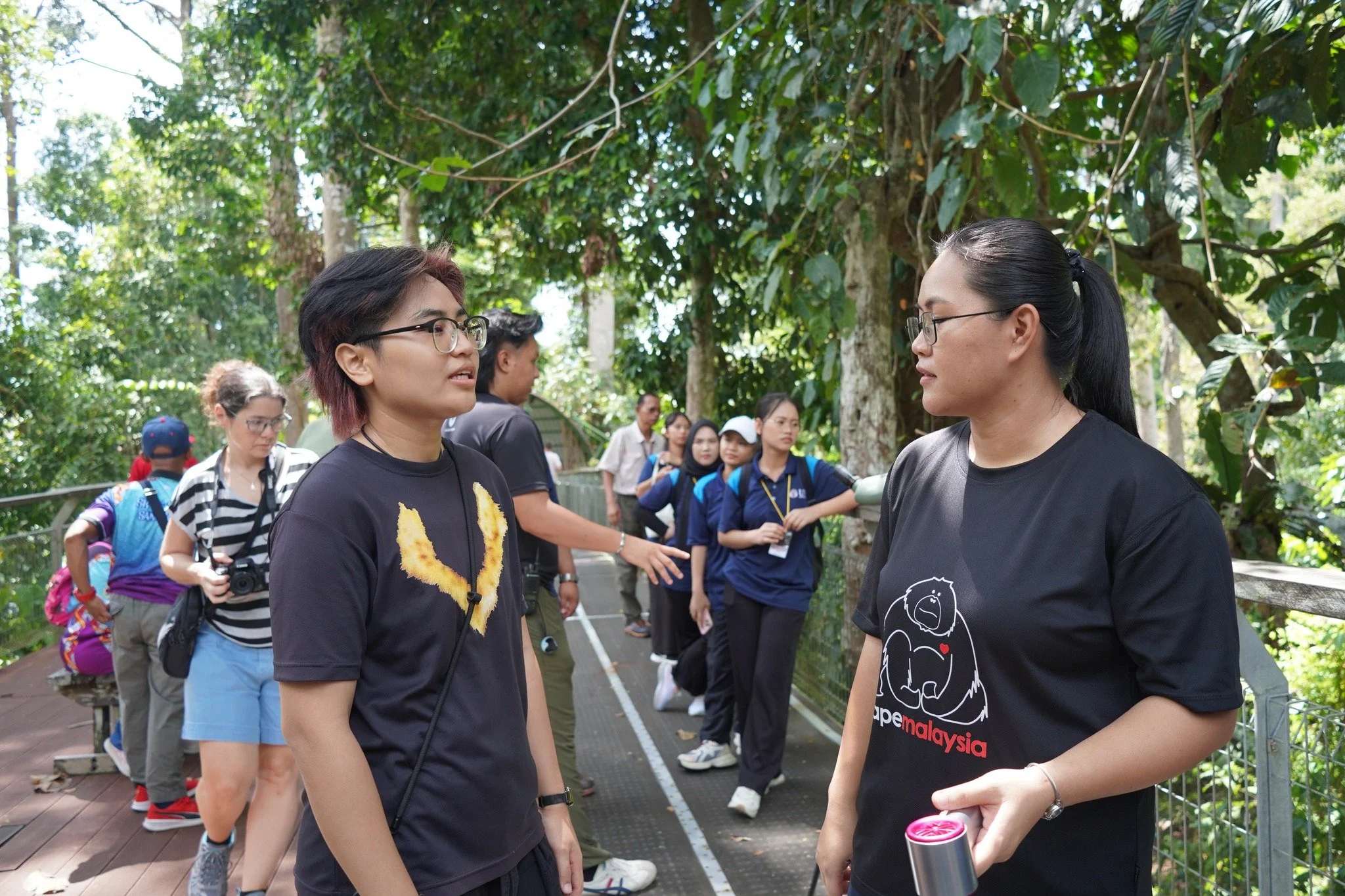
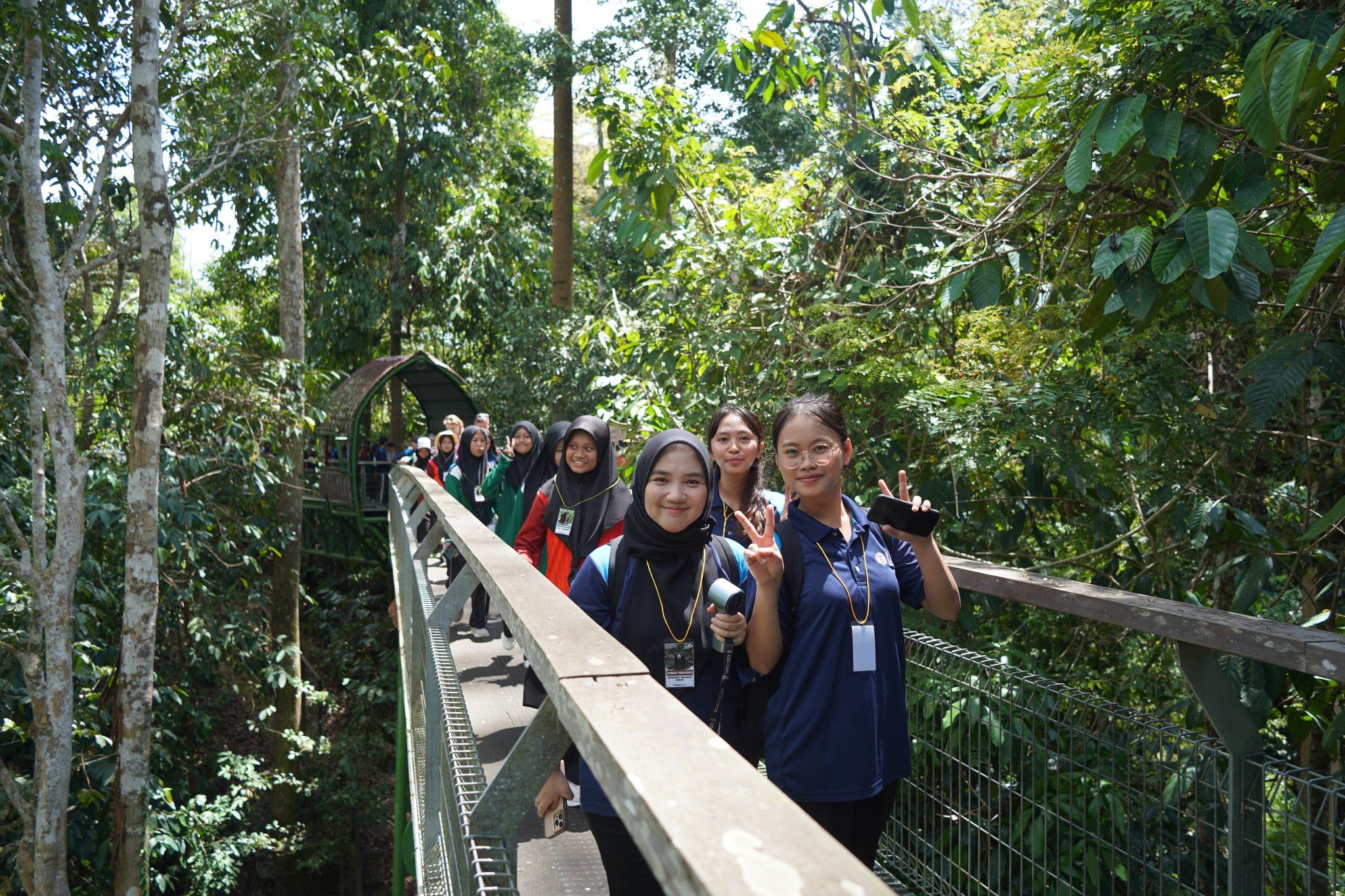
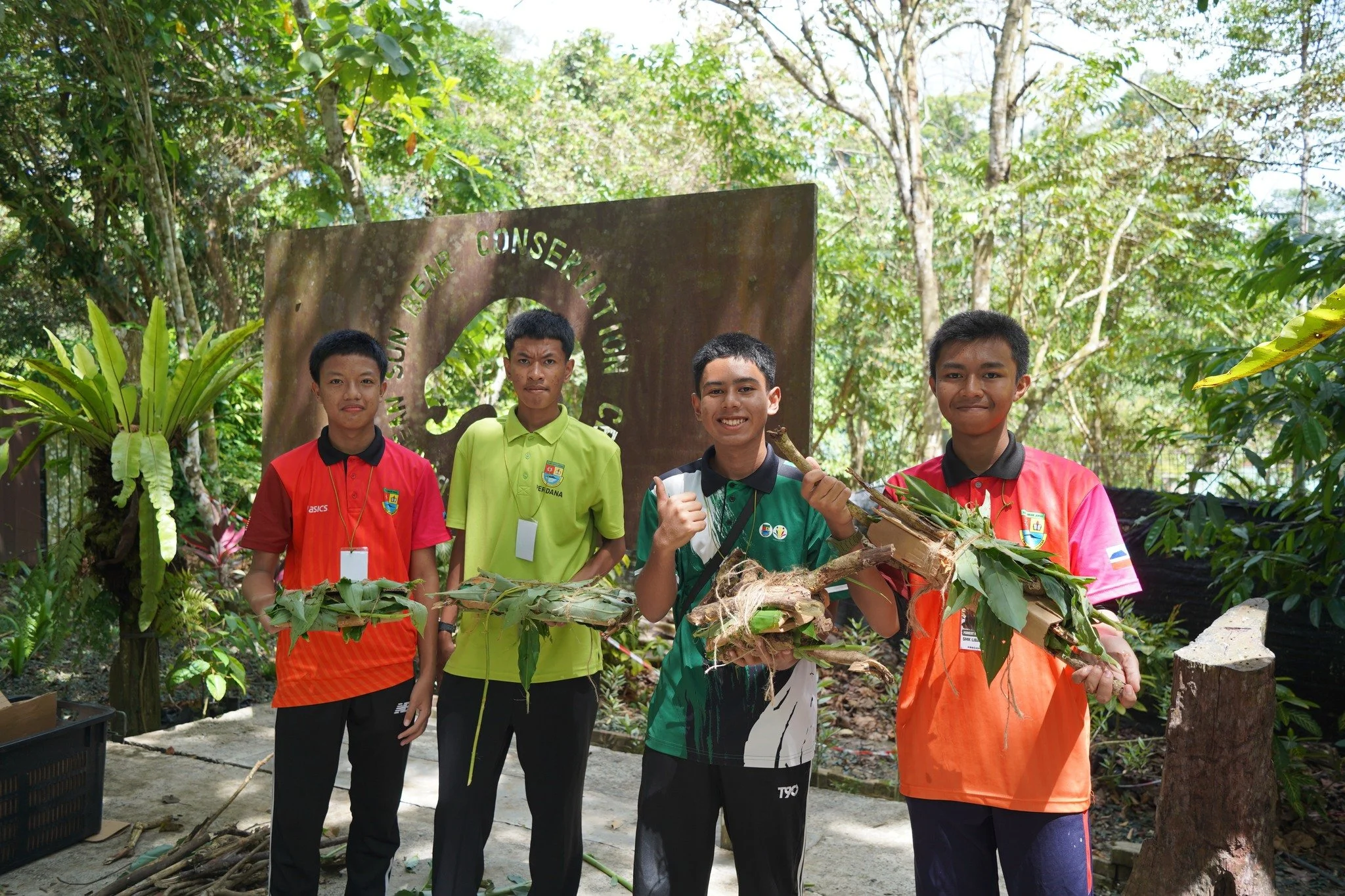
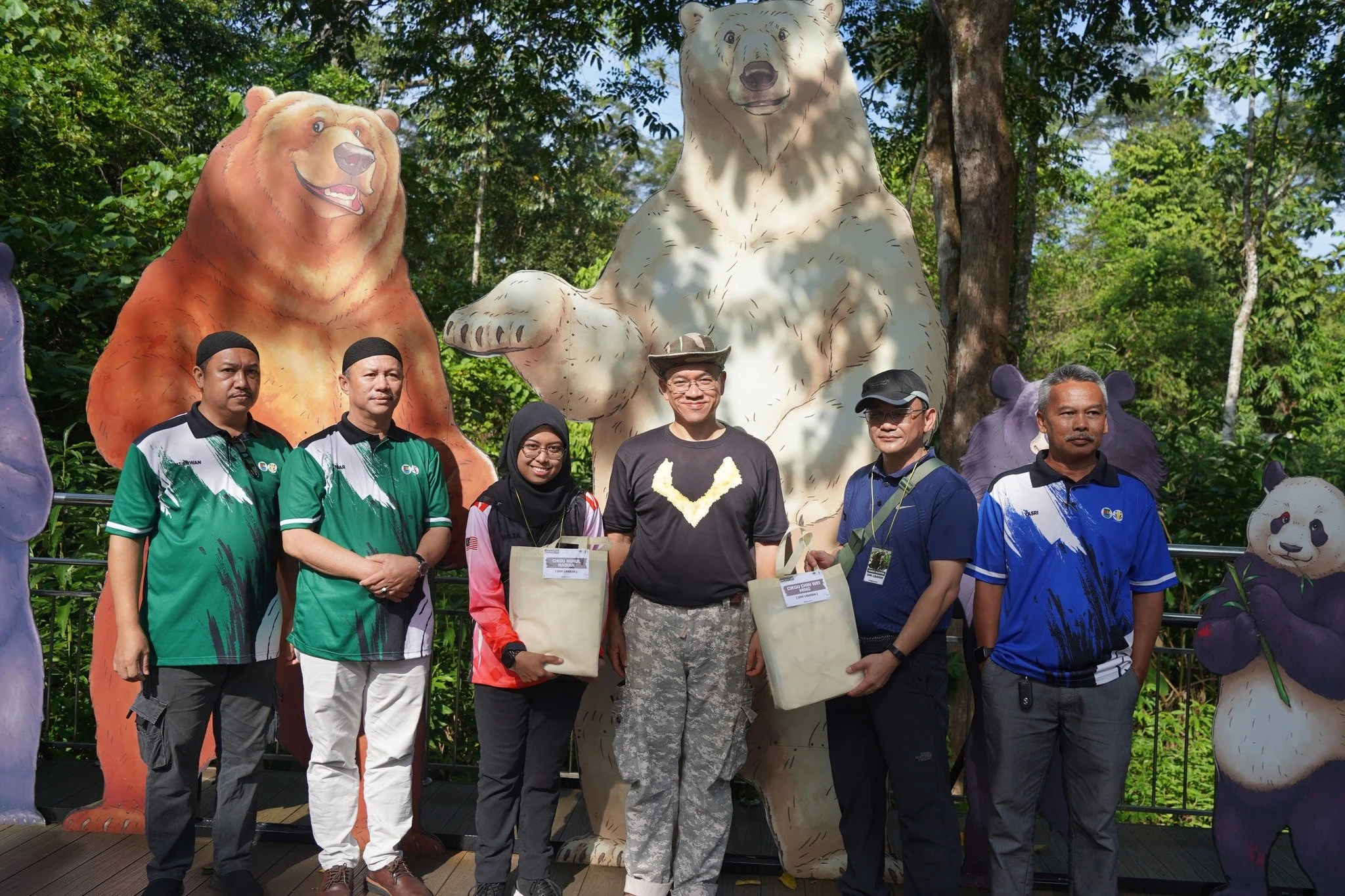
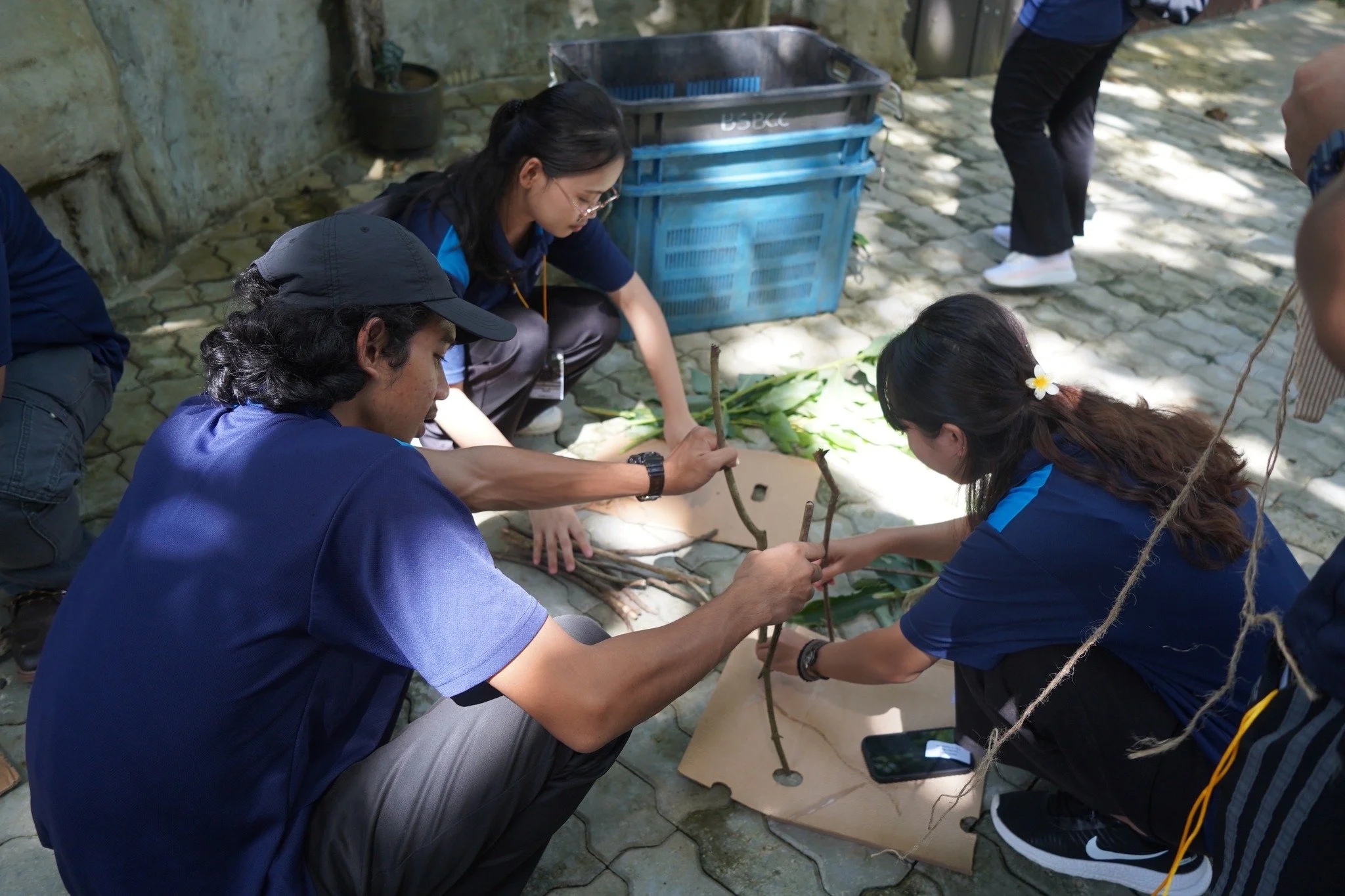
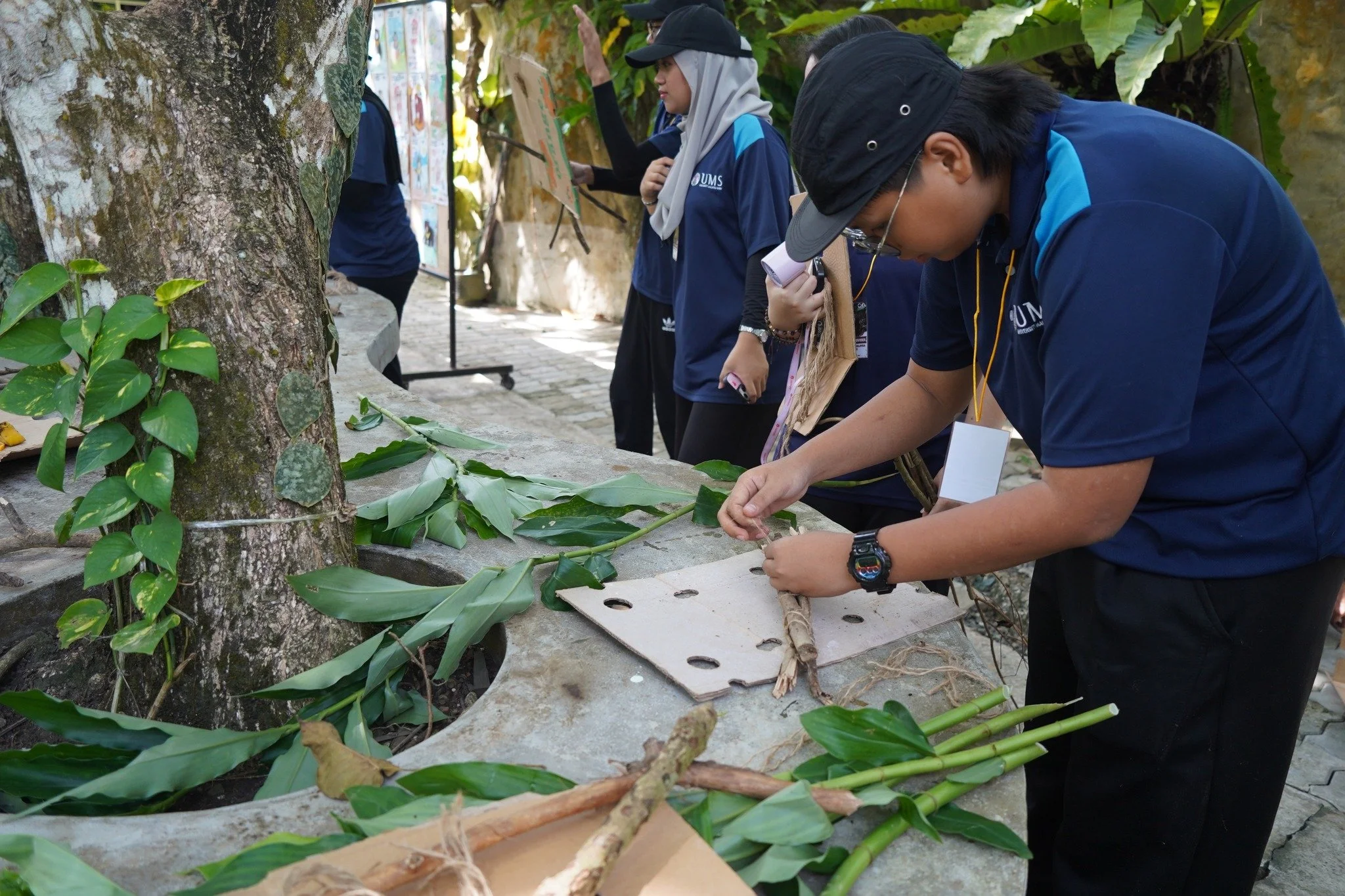
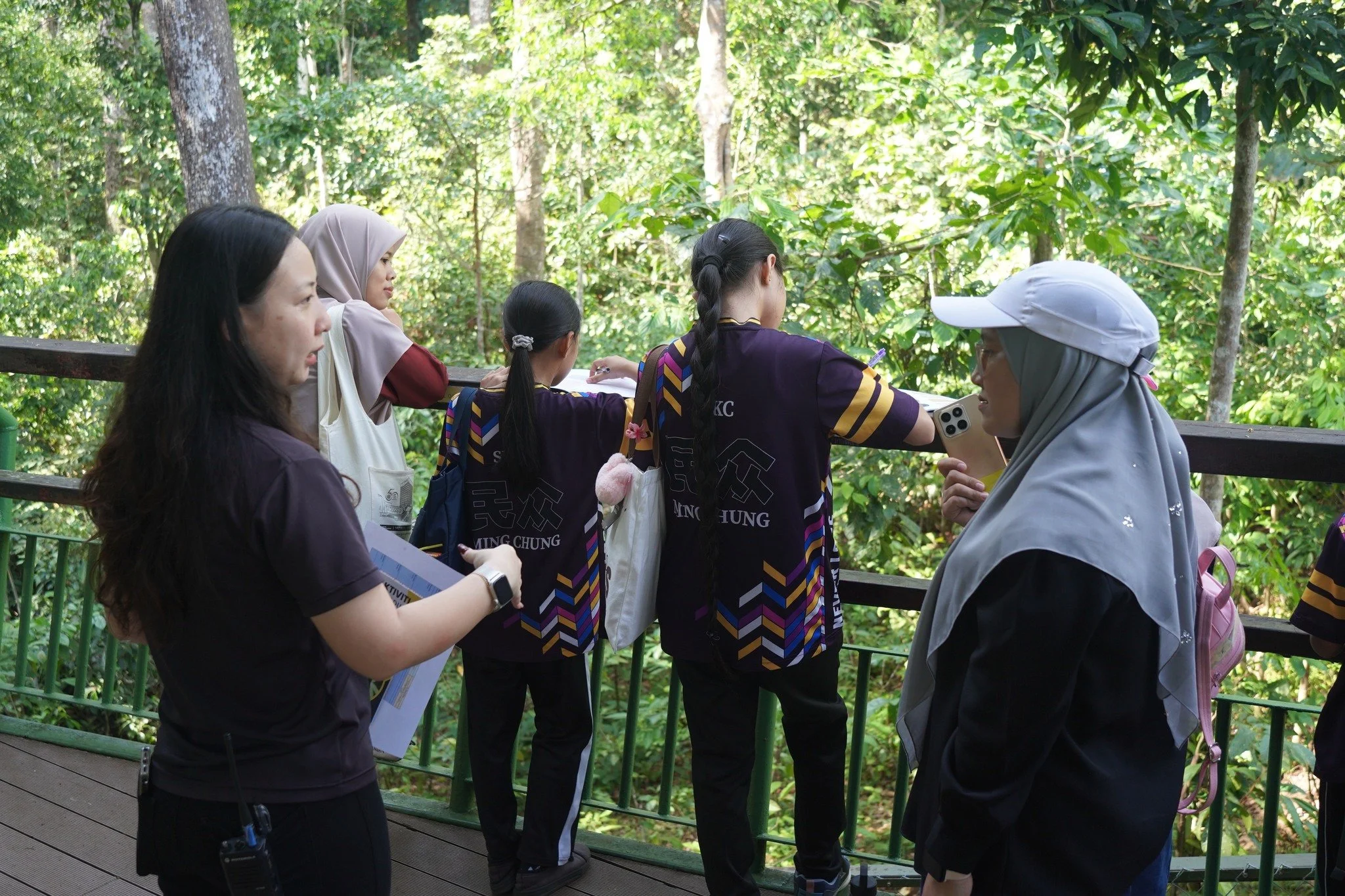
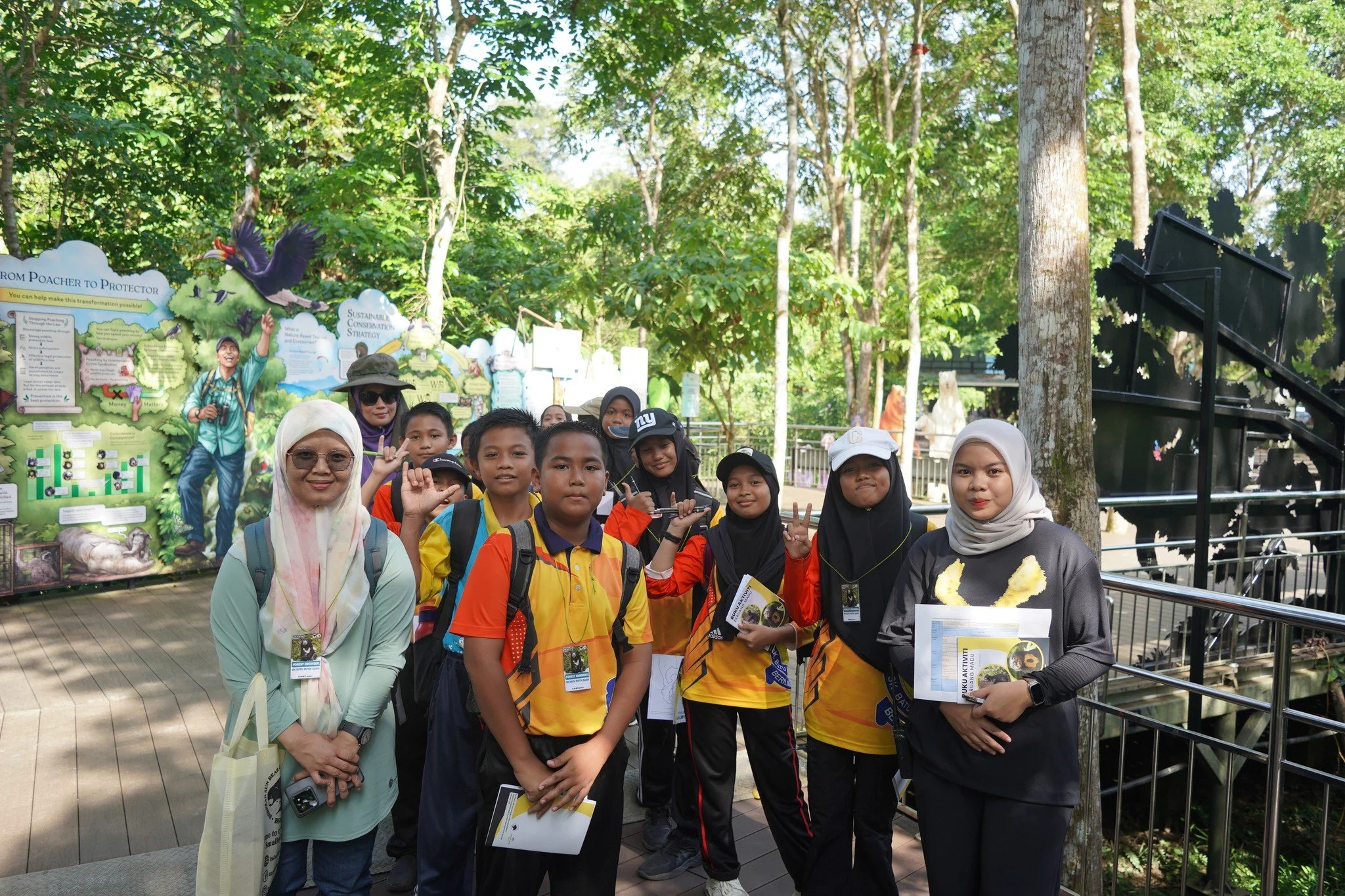
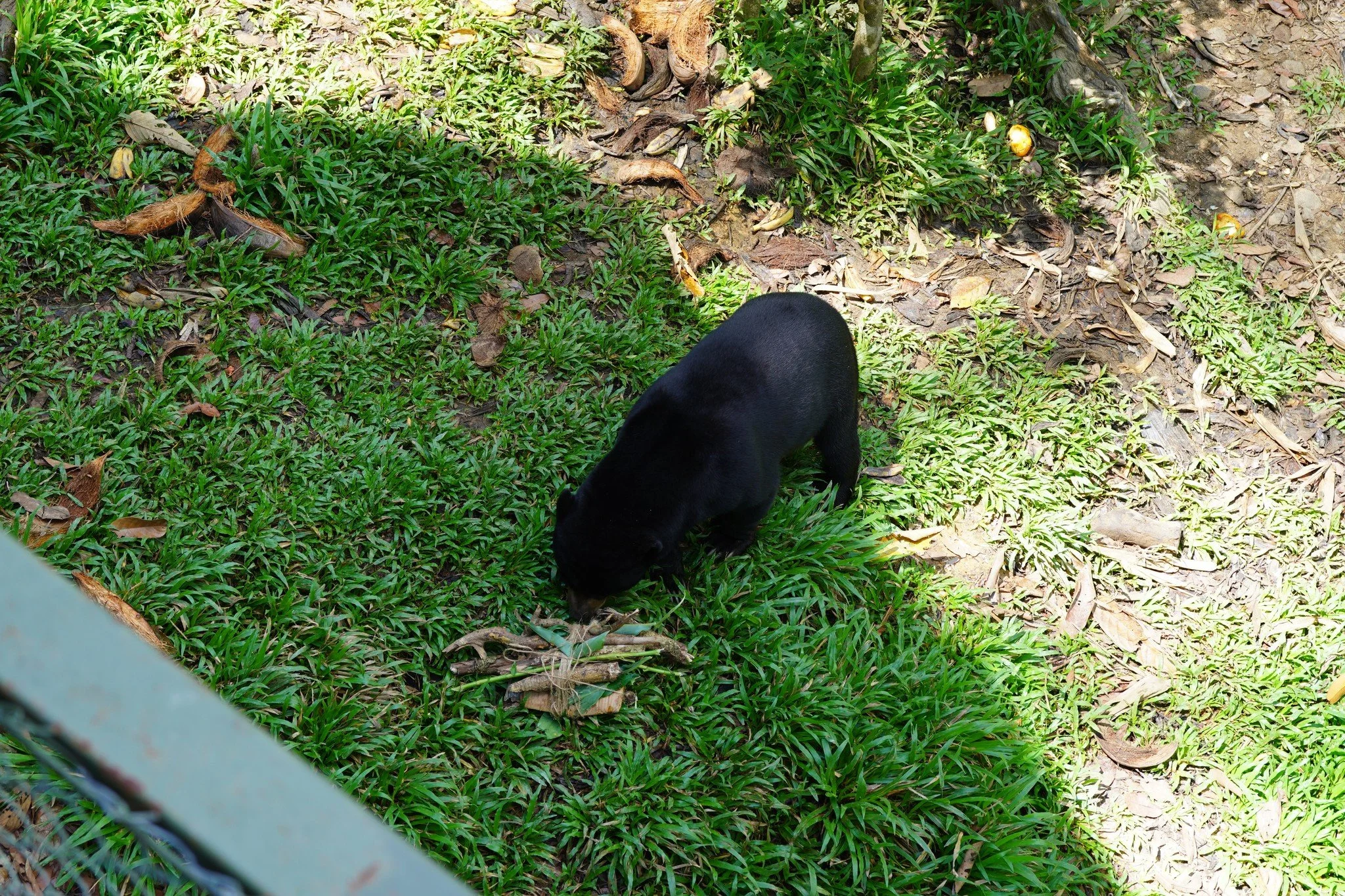
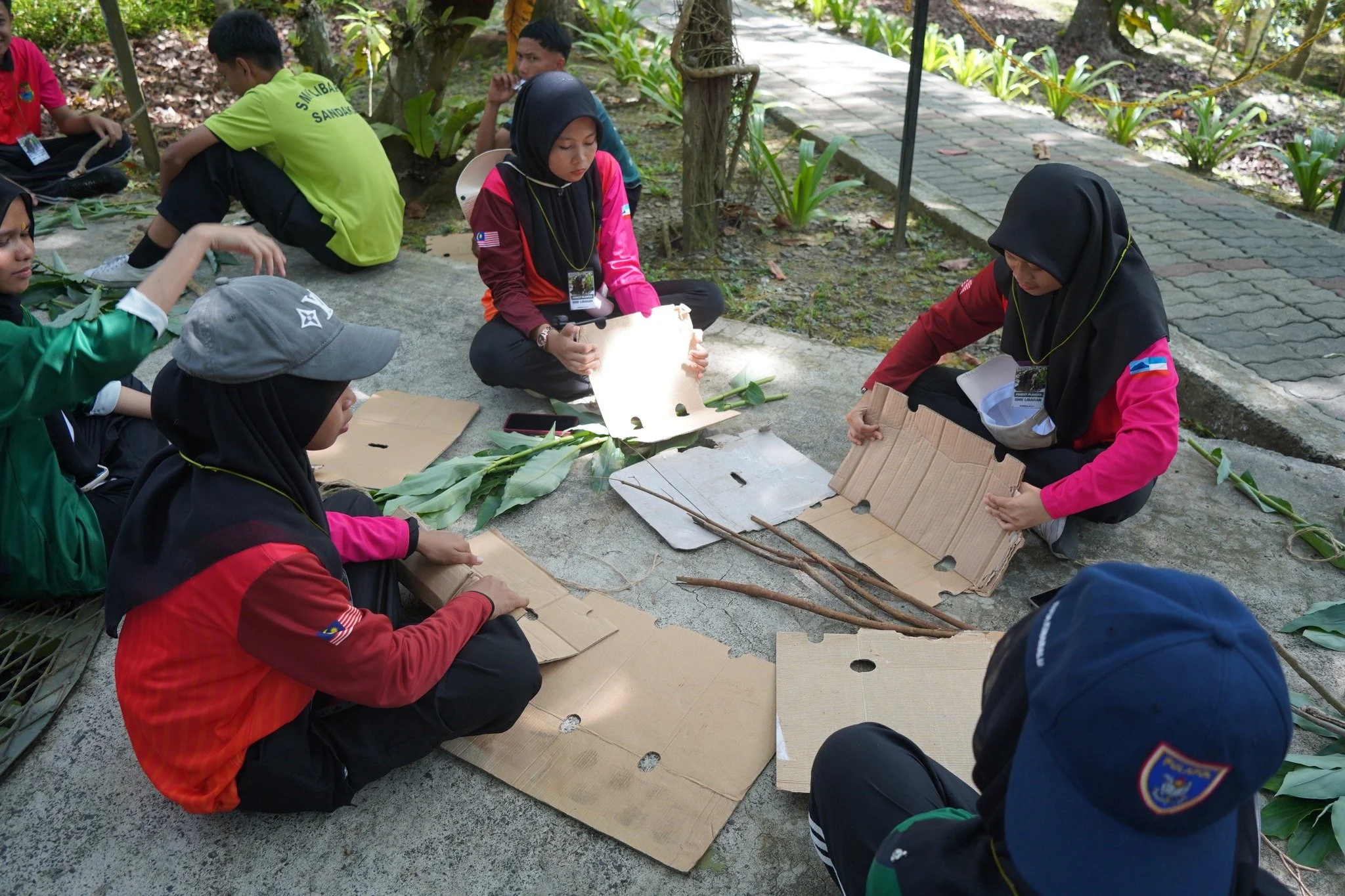
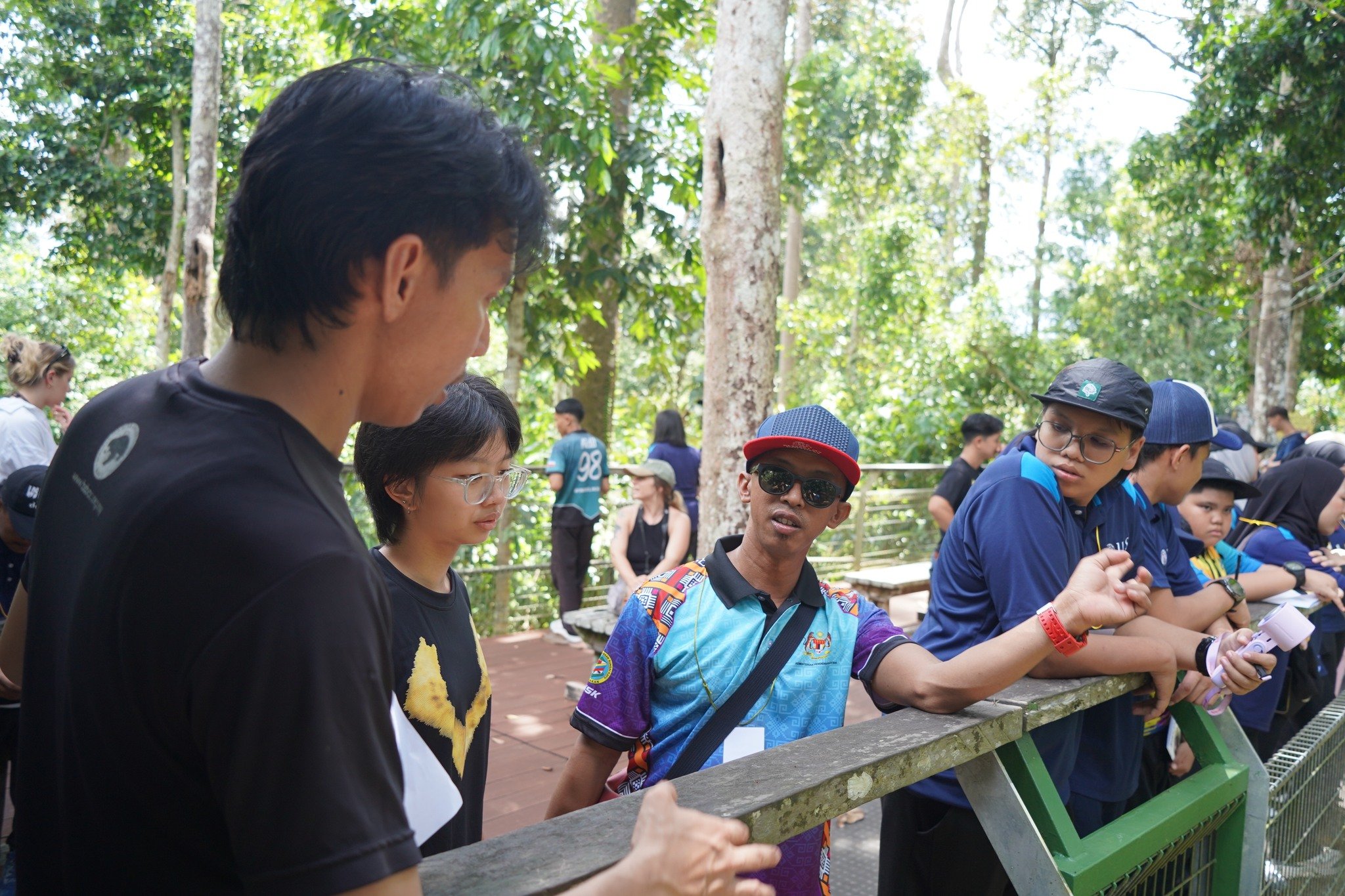
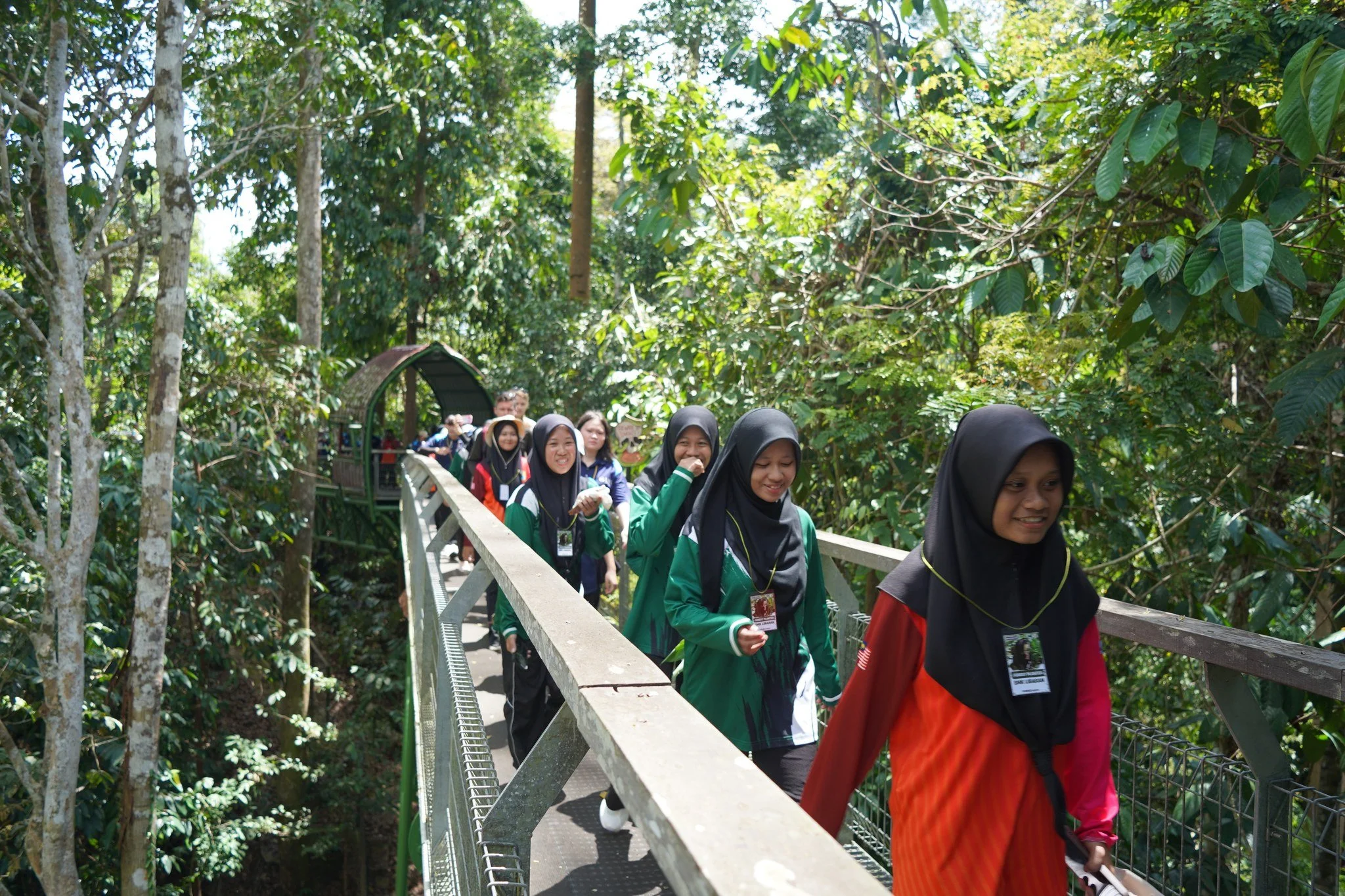
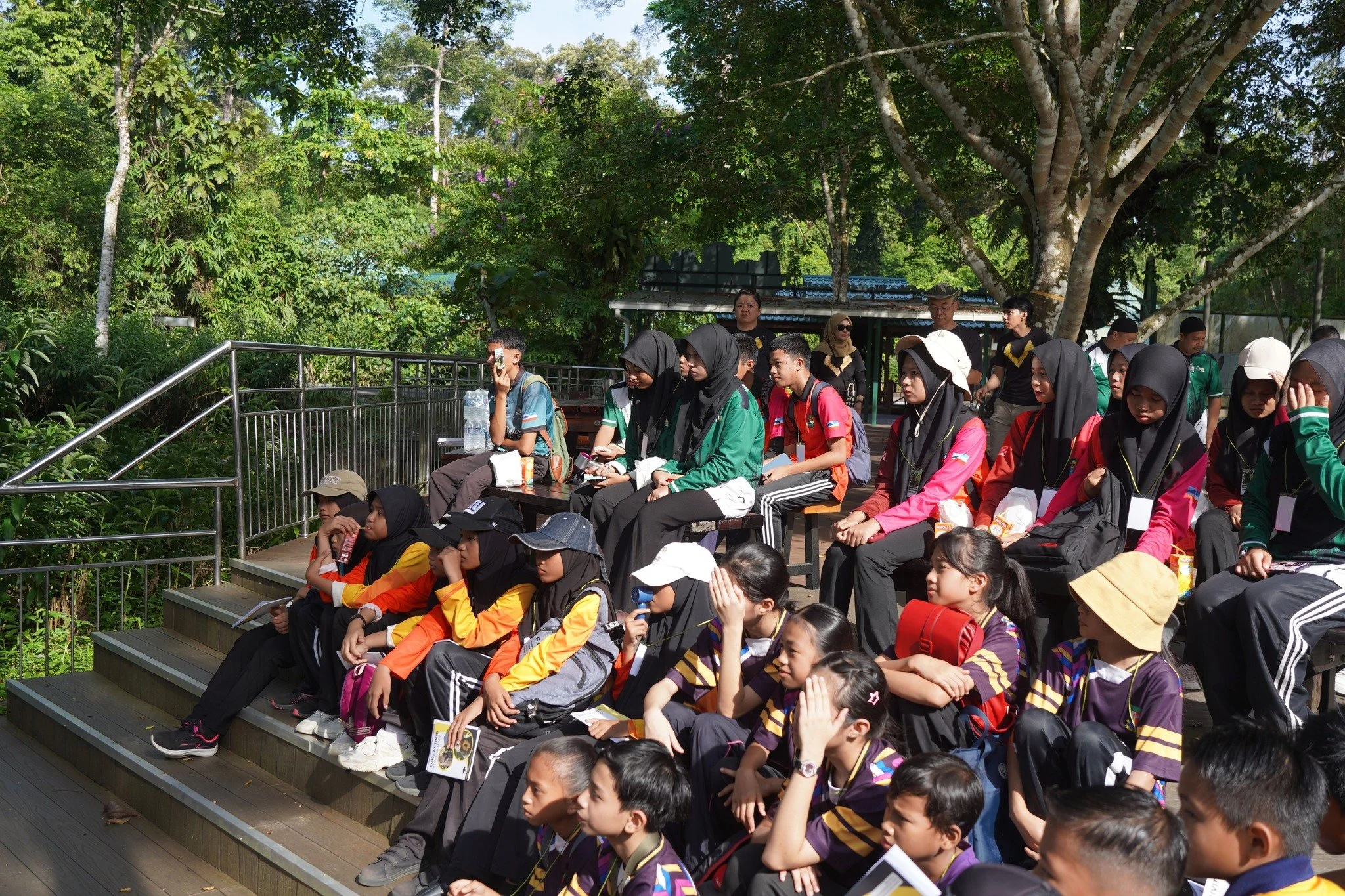
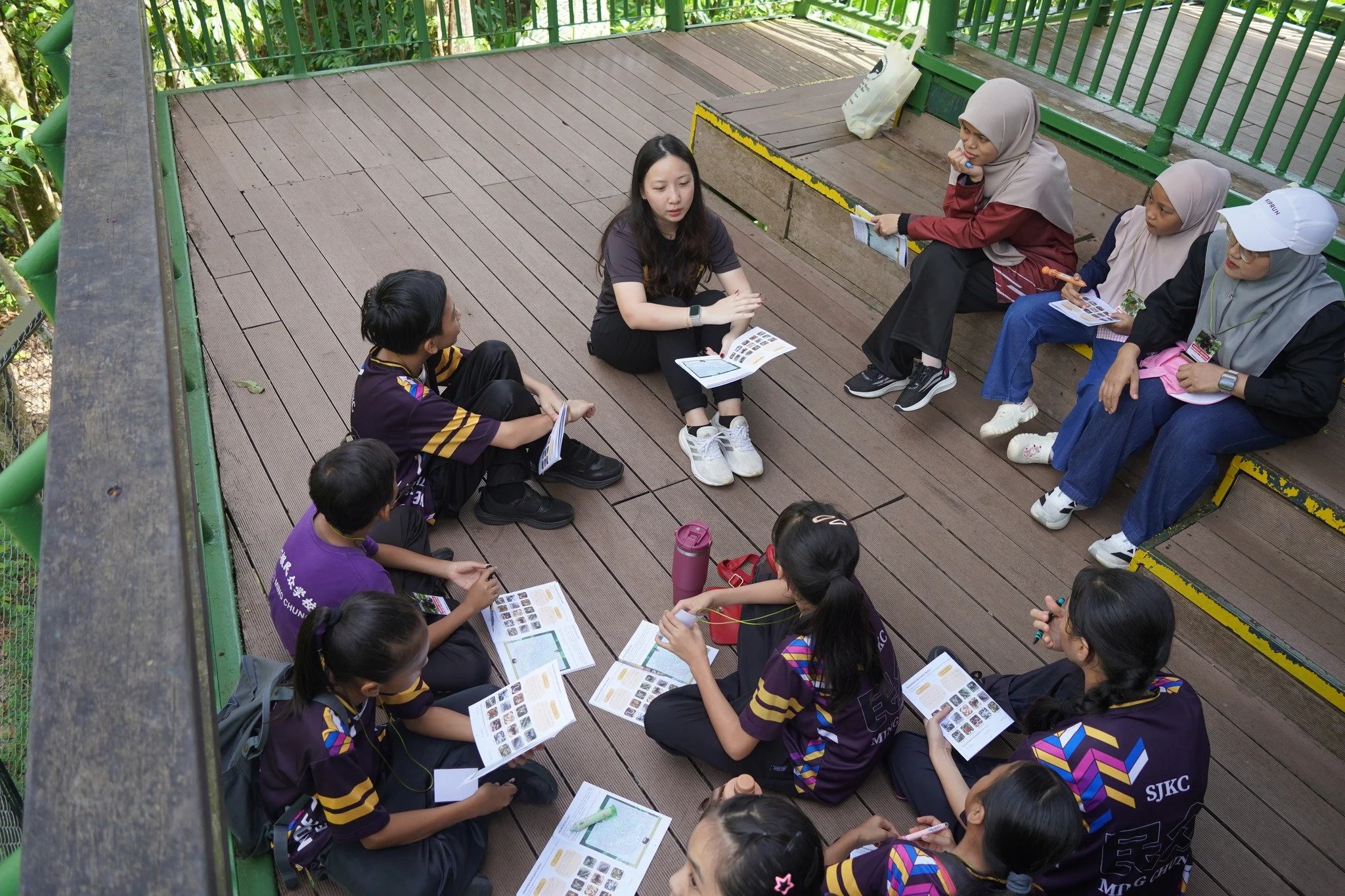
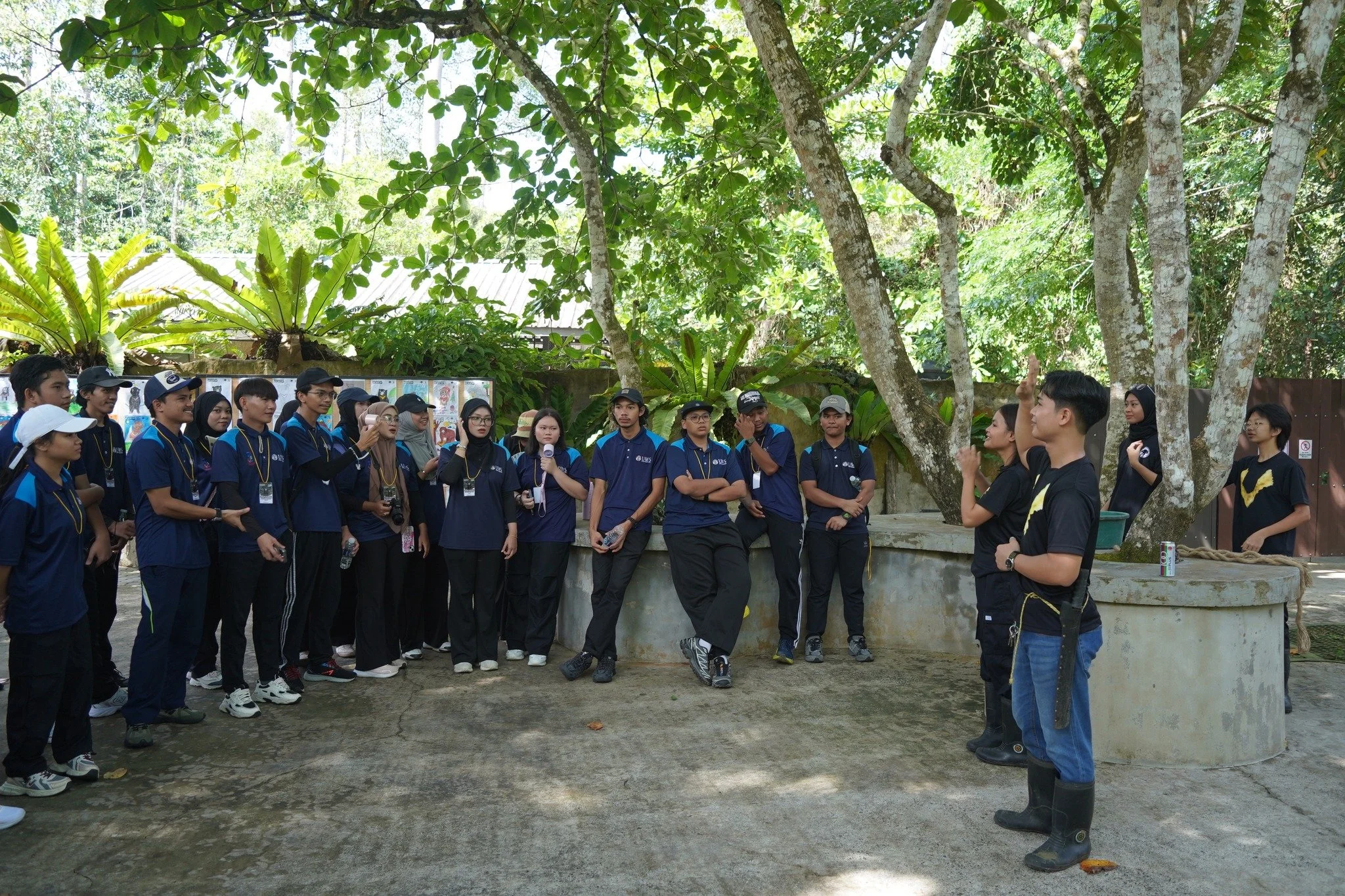
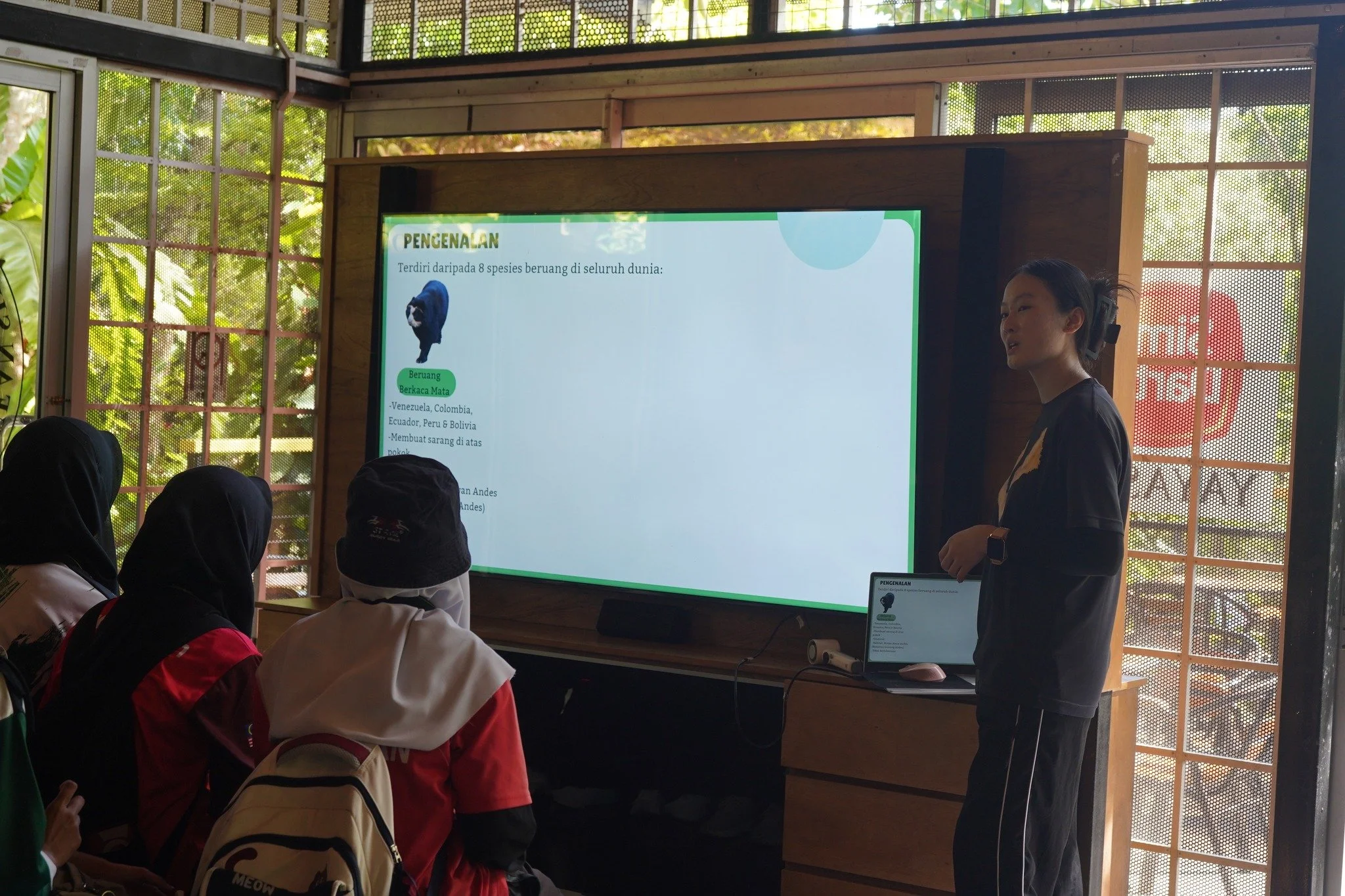
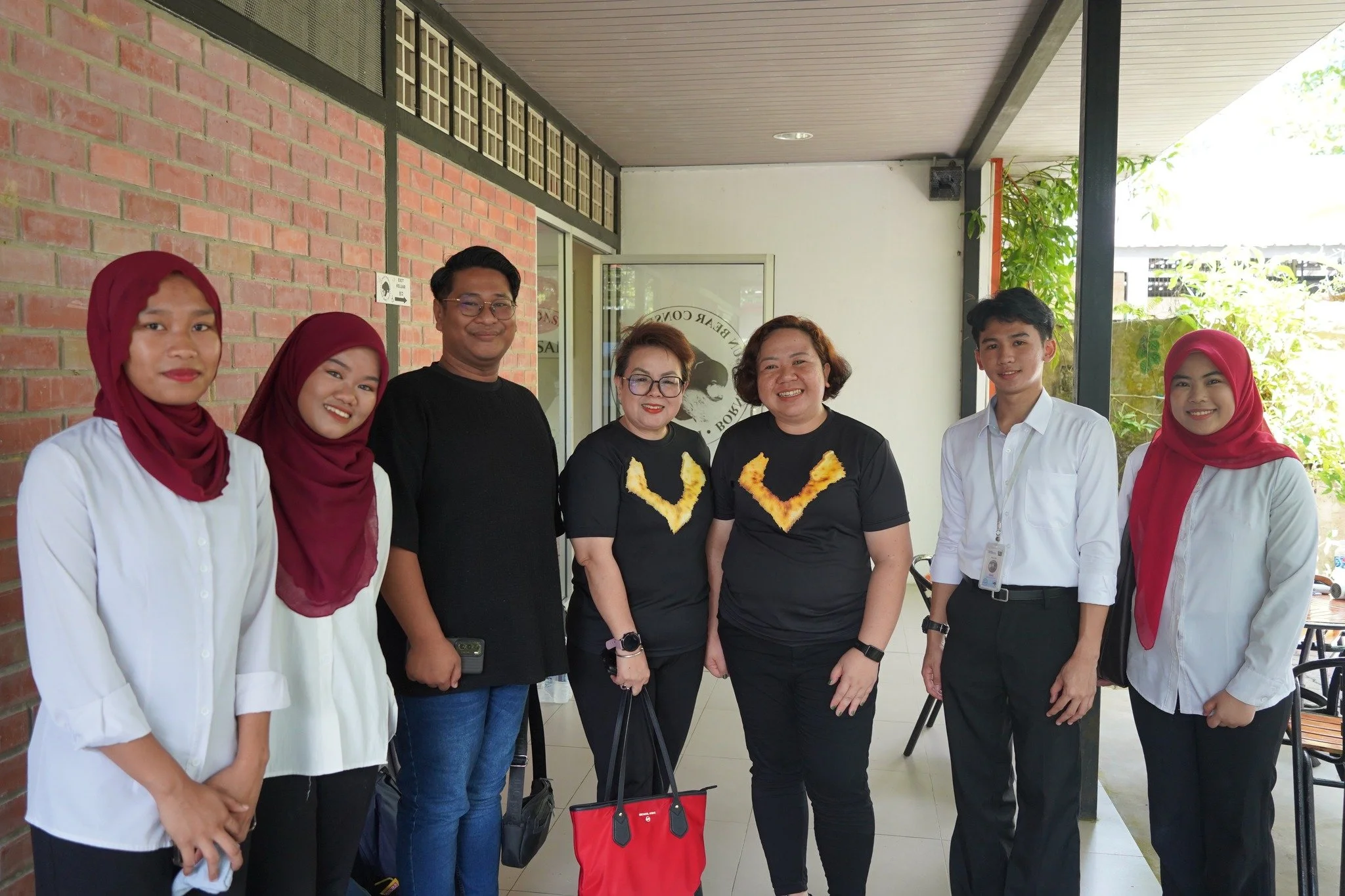
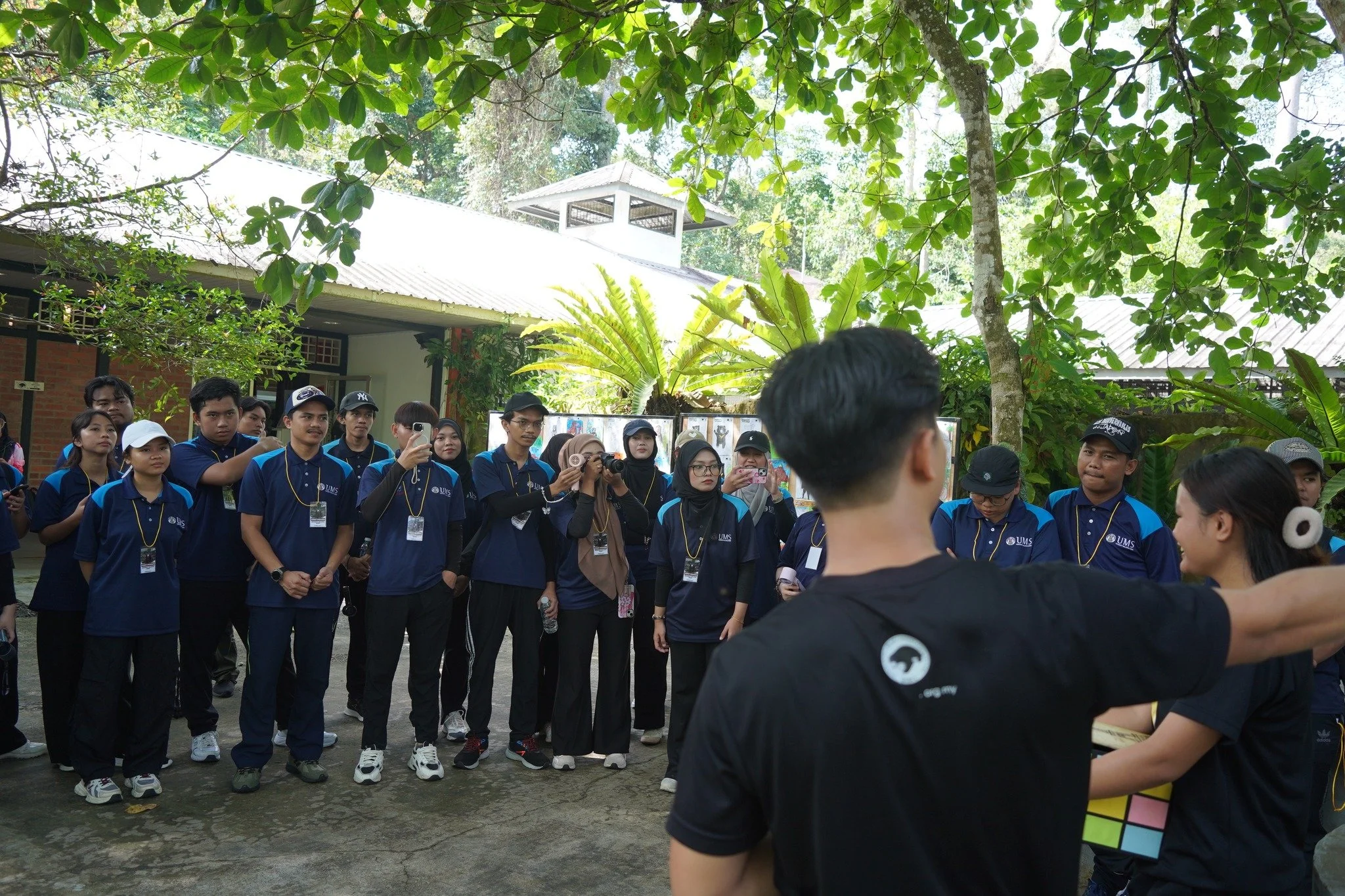
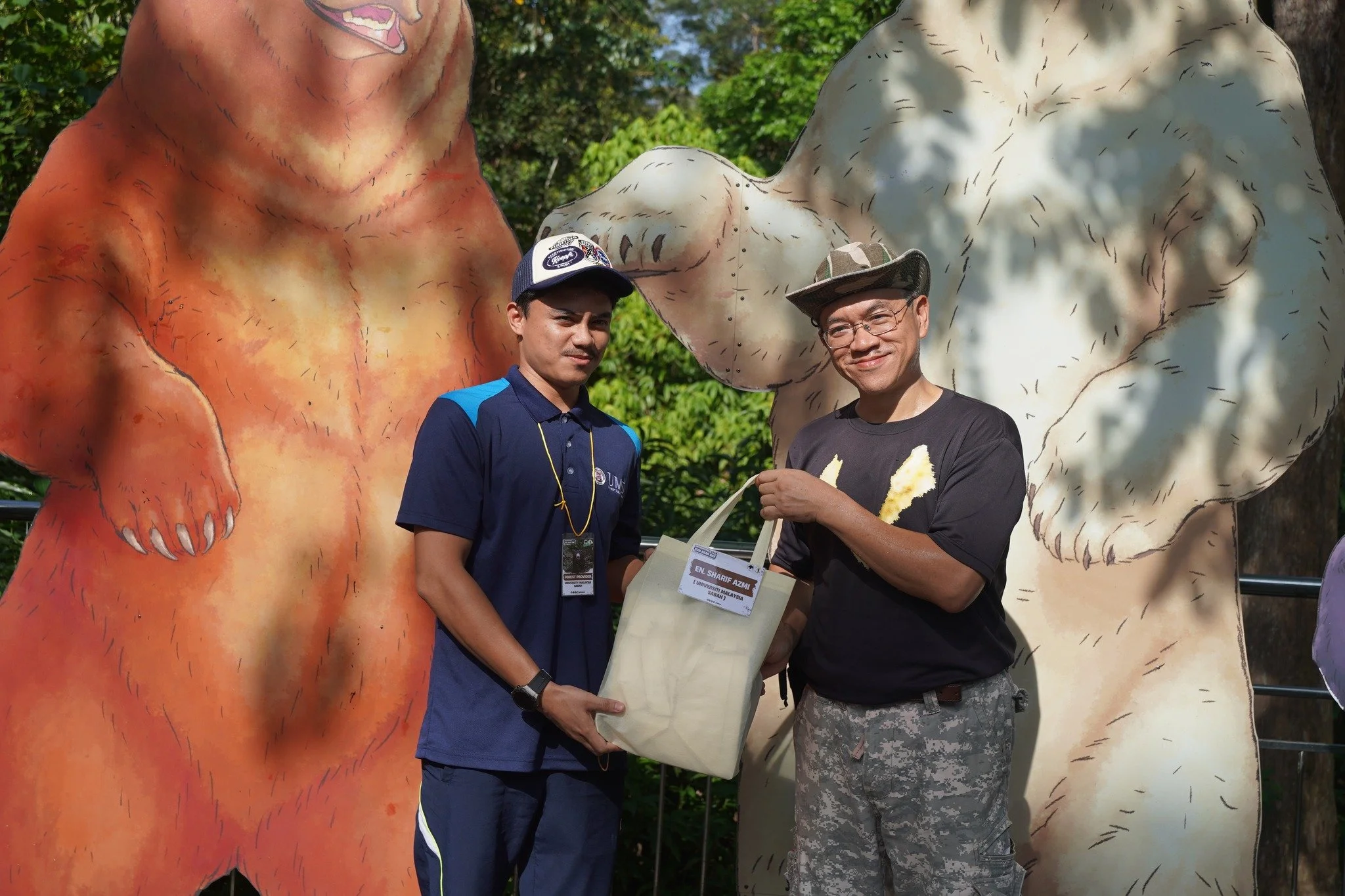
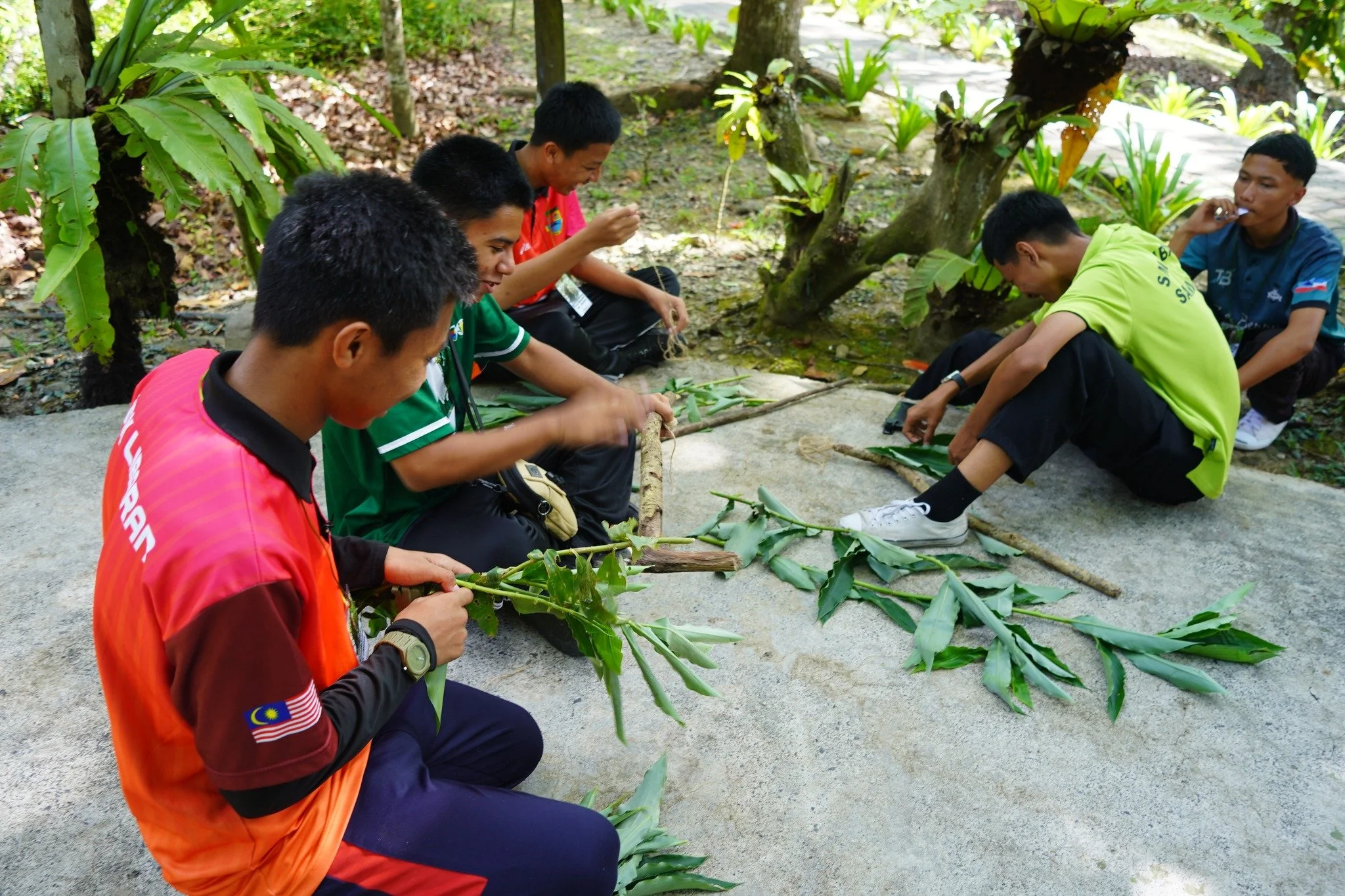
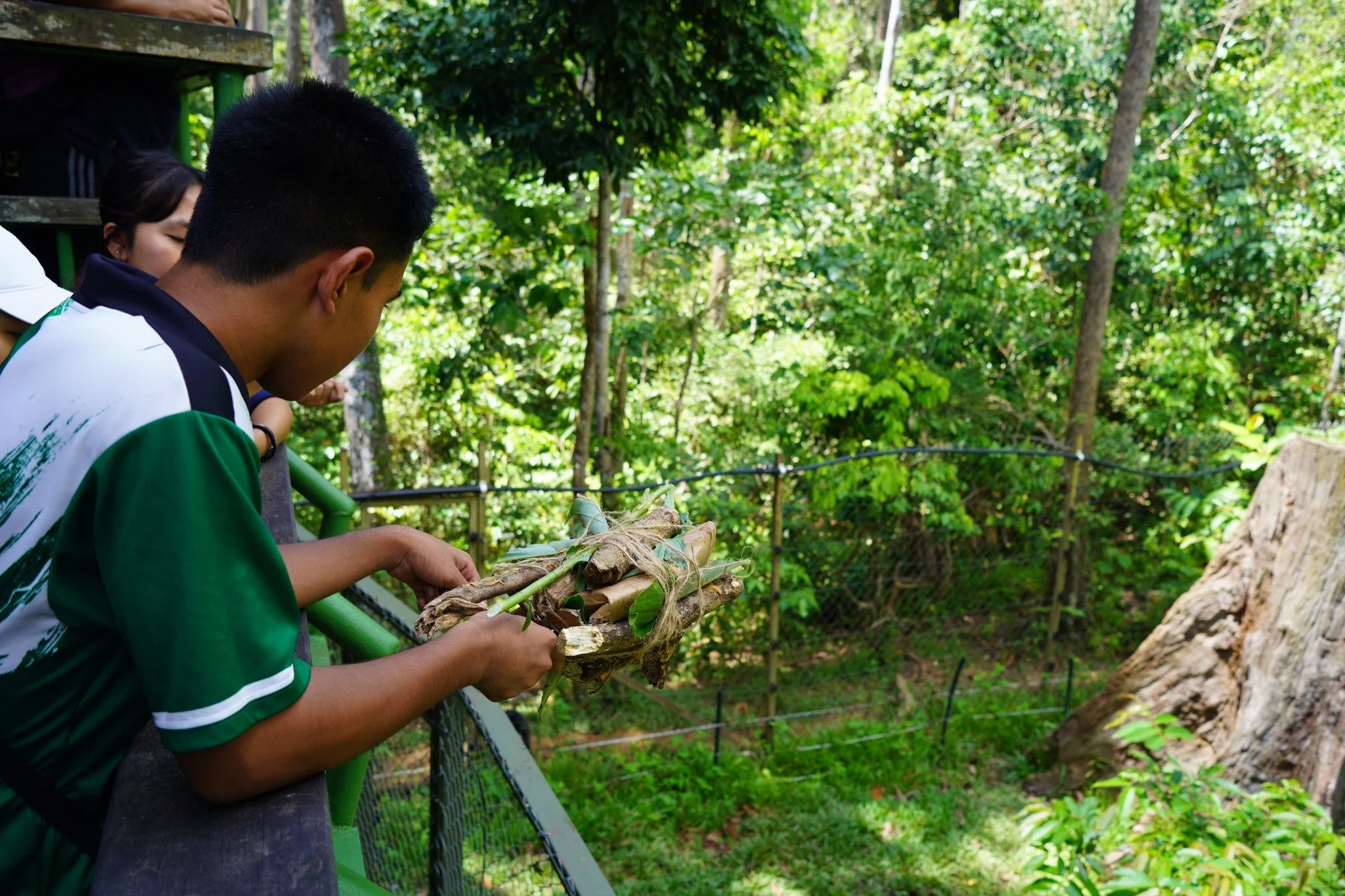
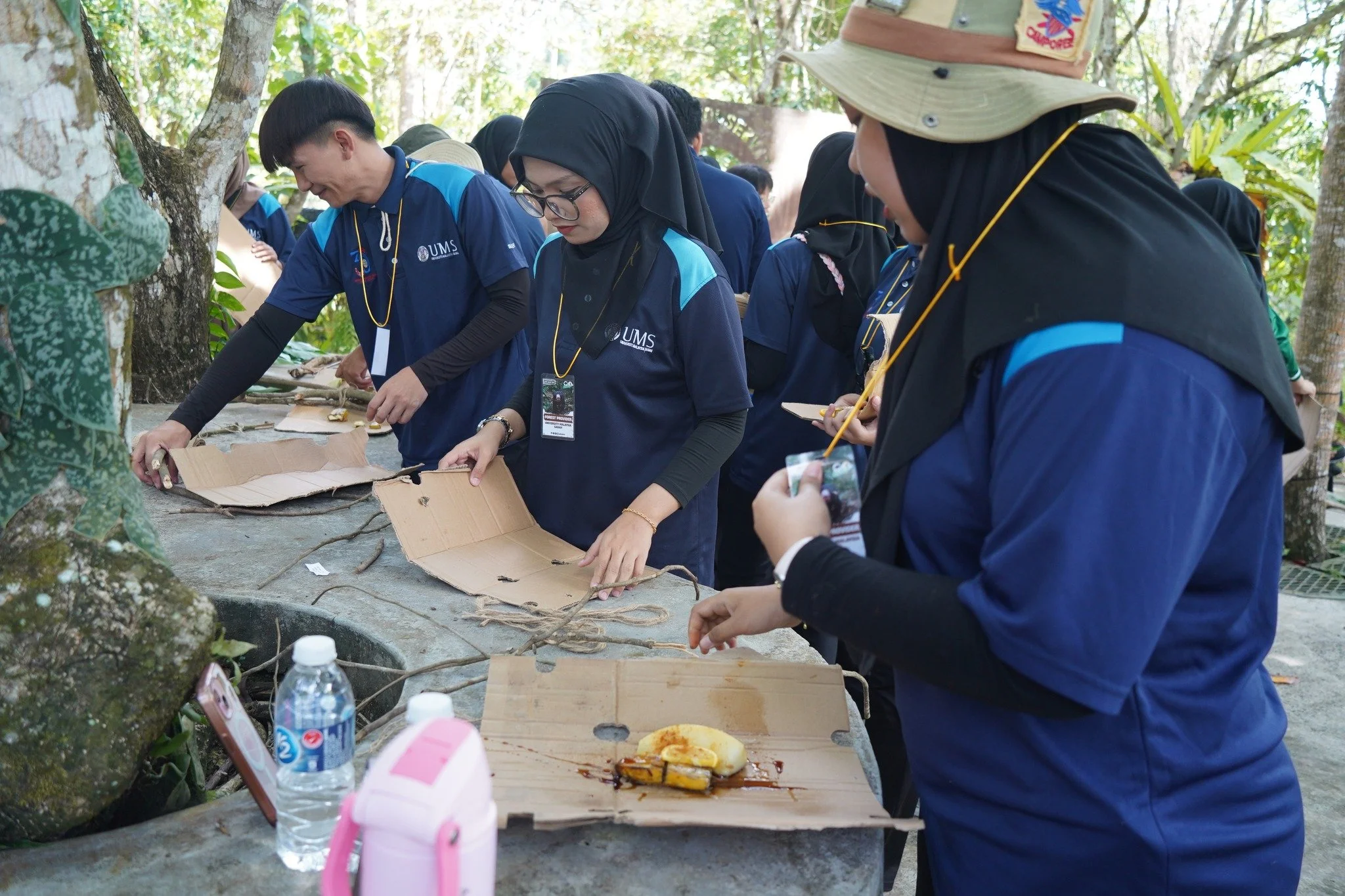
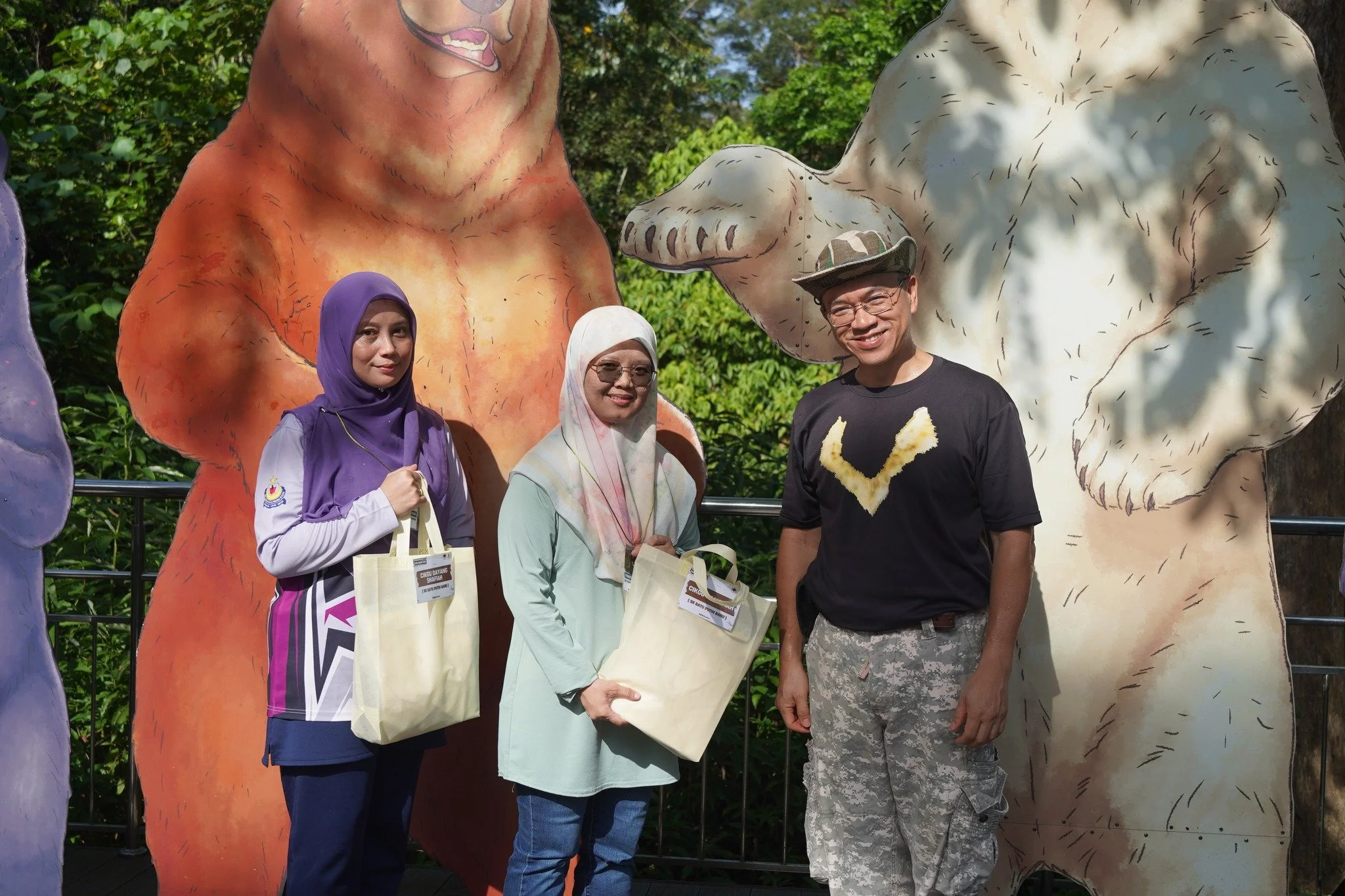
We were honoured to welcome students and teachers from SK Sungai Kayu, SJK (C) Ming Chung, SMK Libaran, SK Batu Putih, and Universiti Malaysia Sabah (UMS) who joined us in this meaningful celebration.
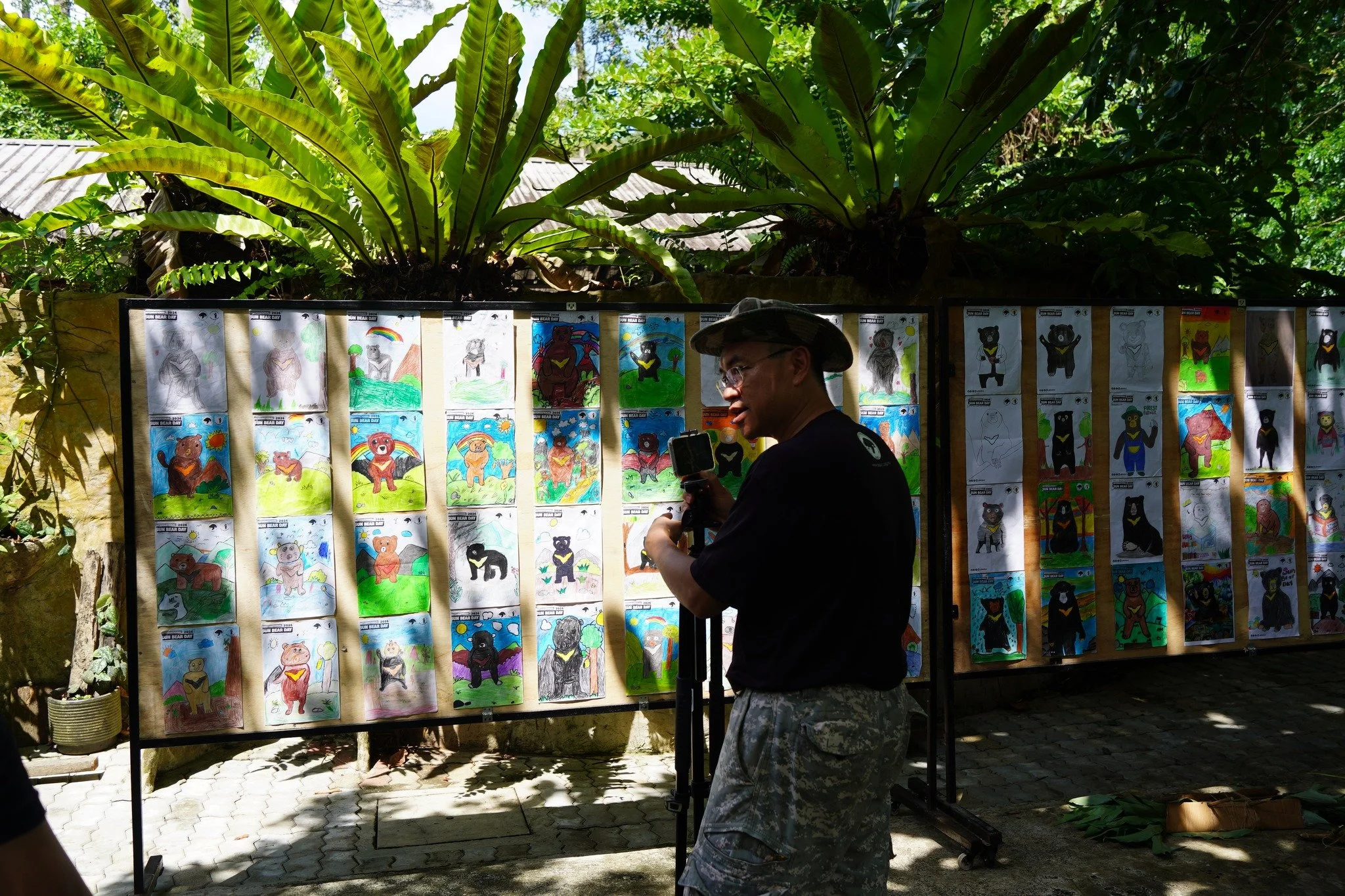
Prior to the main event, exciting online contests were held for both local and international participants, including the Weekly Quiz Challenge, Comic Contest, and the “Think Out of the Box” creative competition. Through these activities, we hoped to encourage creativity, learning, and a stronger appreciation for wildlife and conservation efforts.
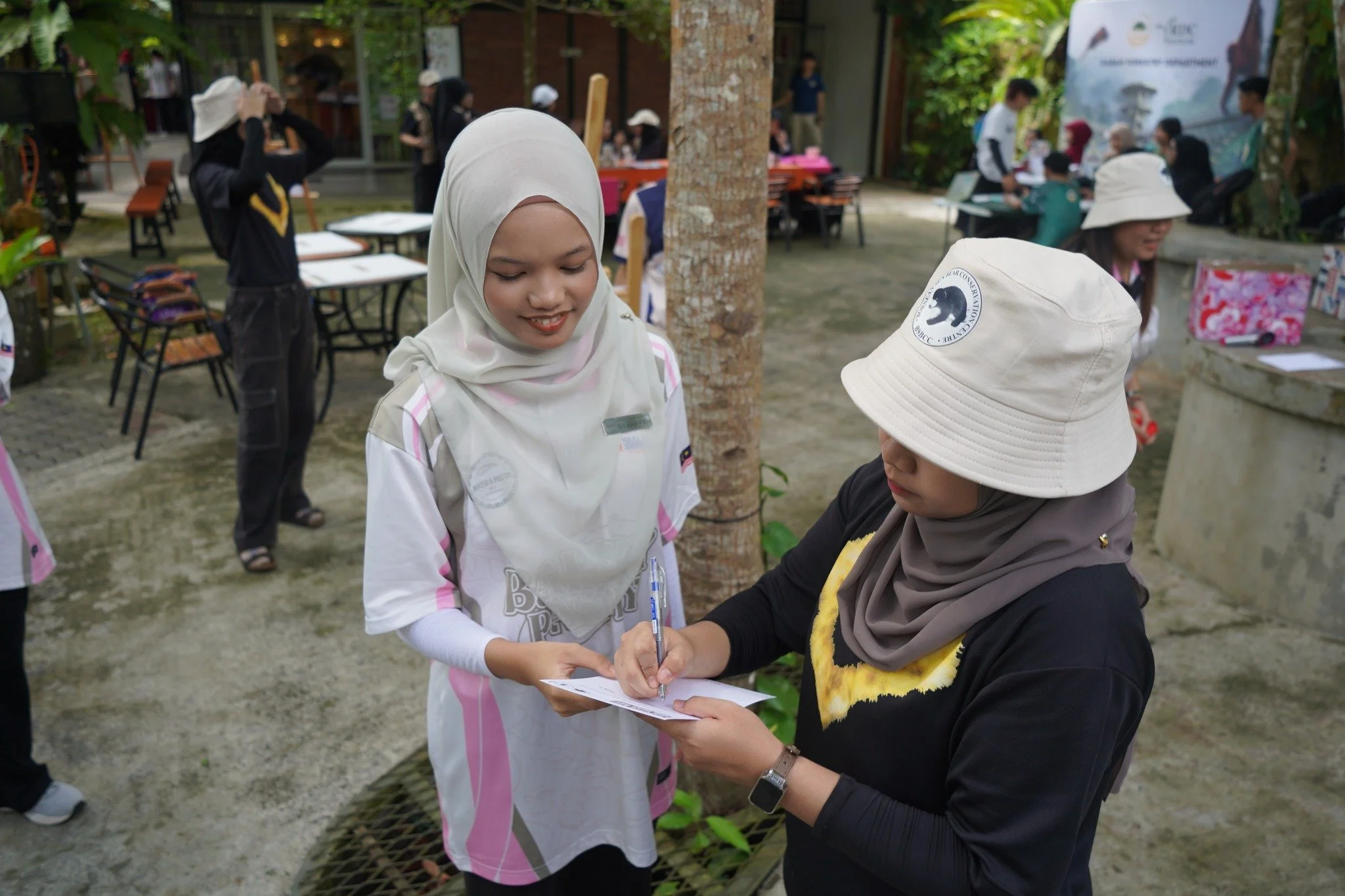
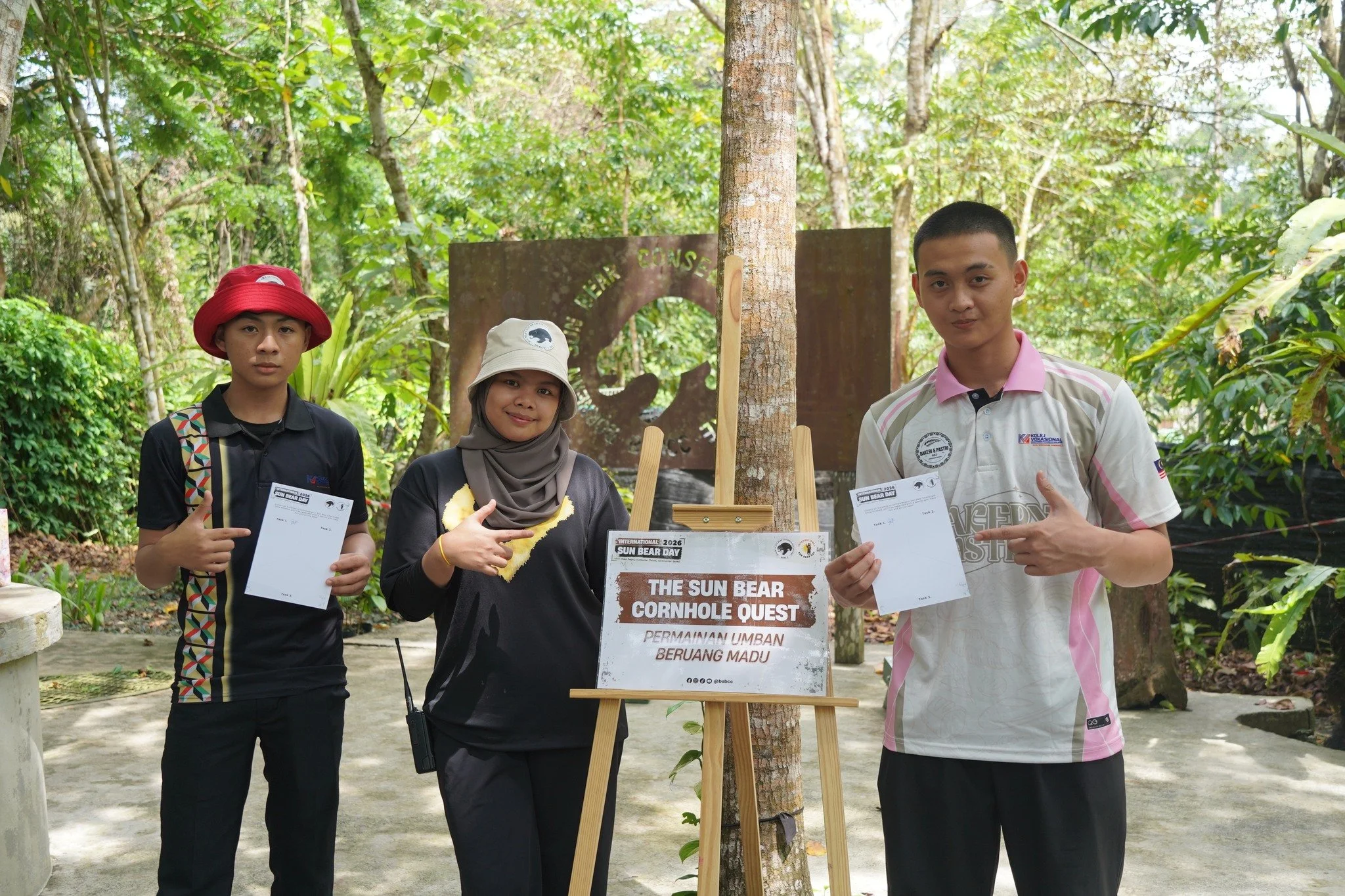
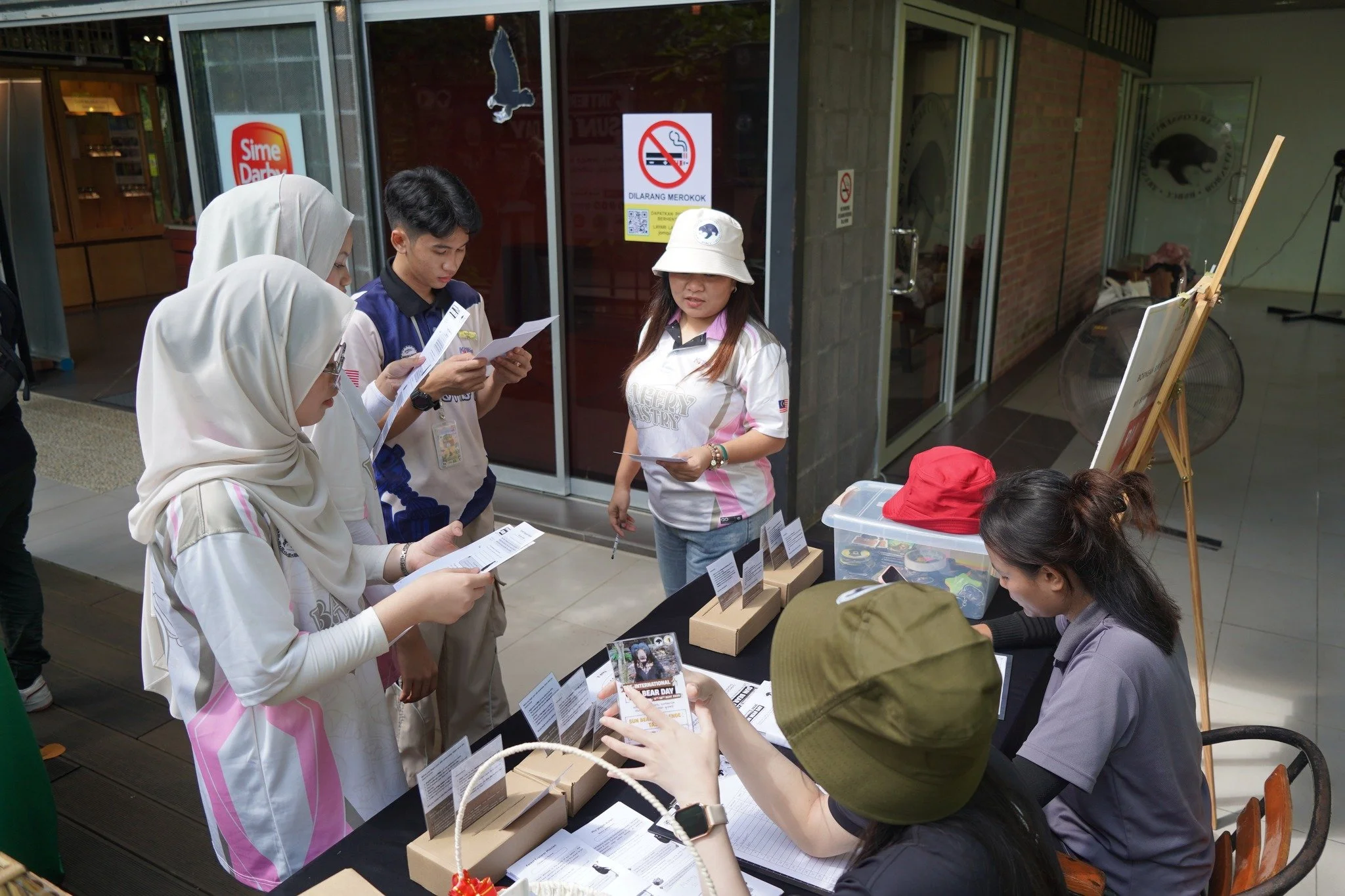
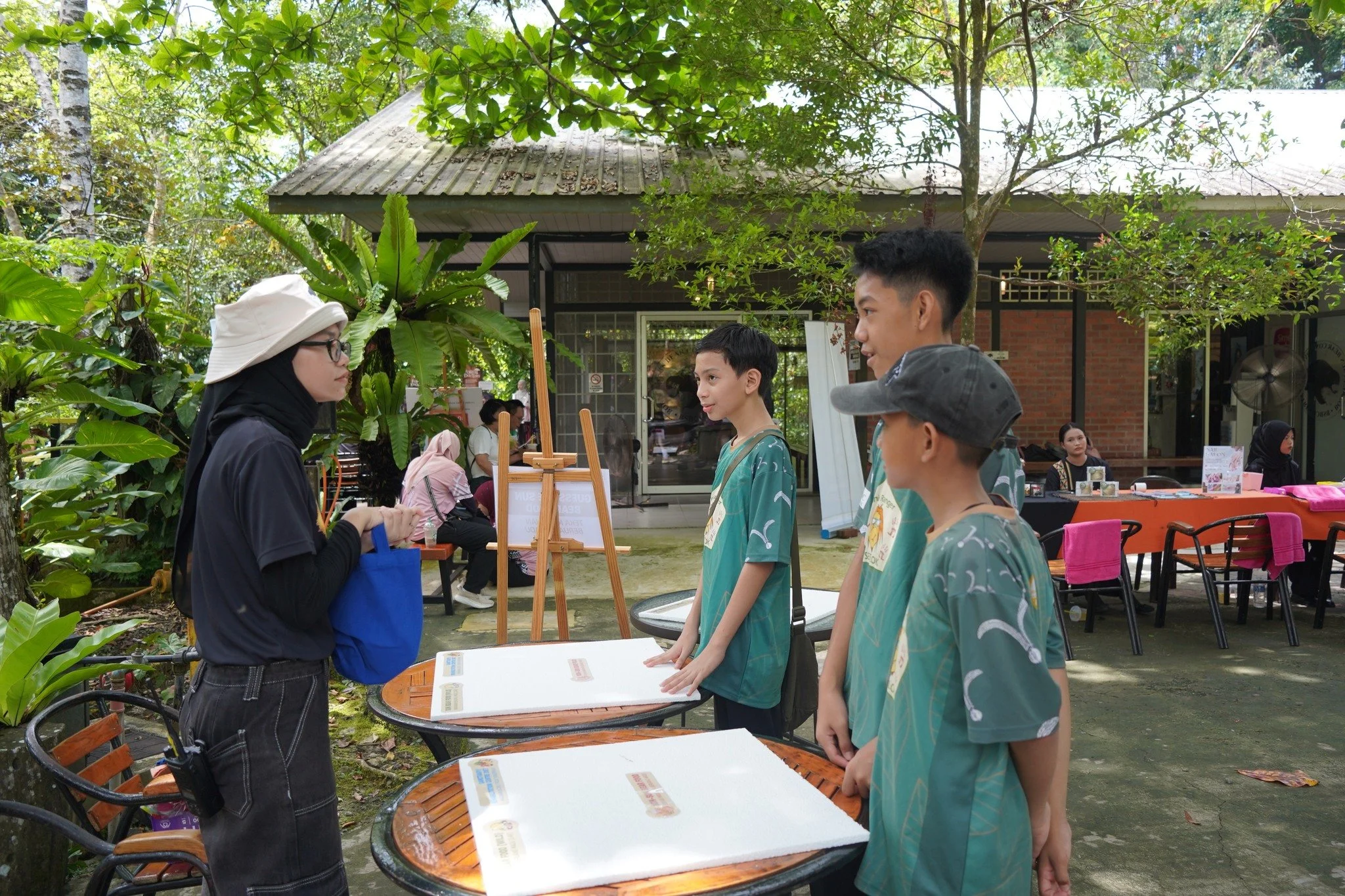
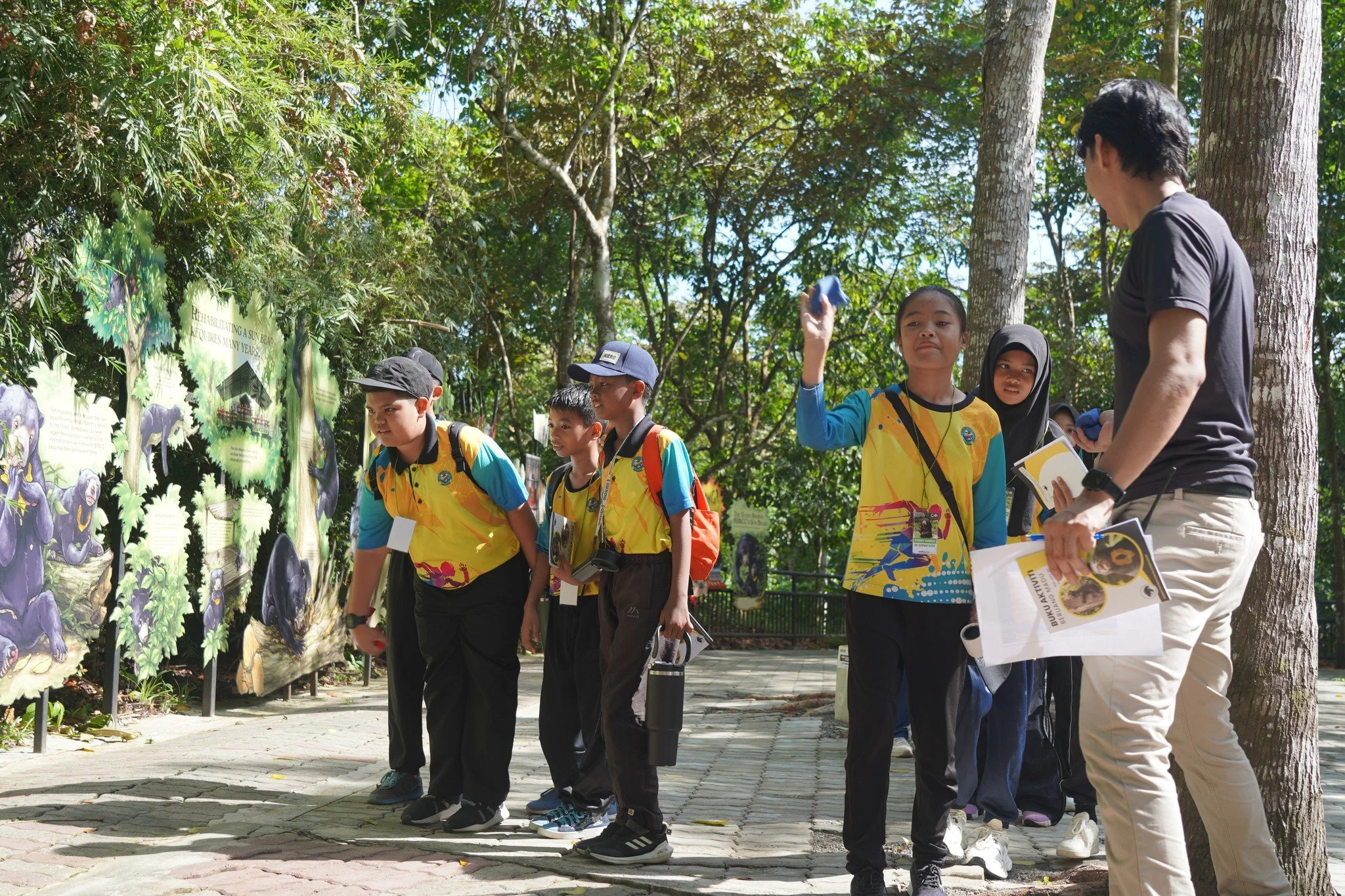
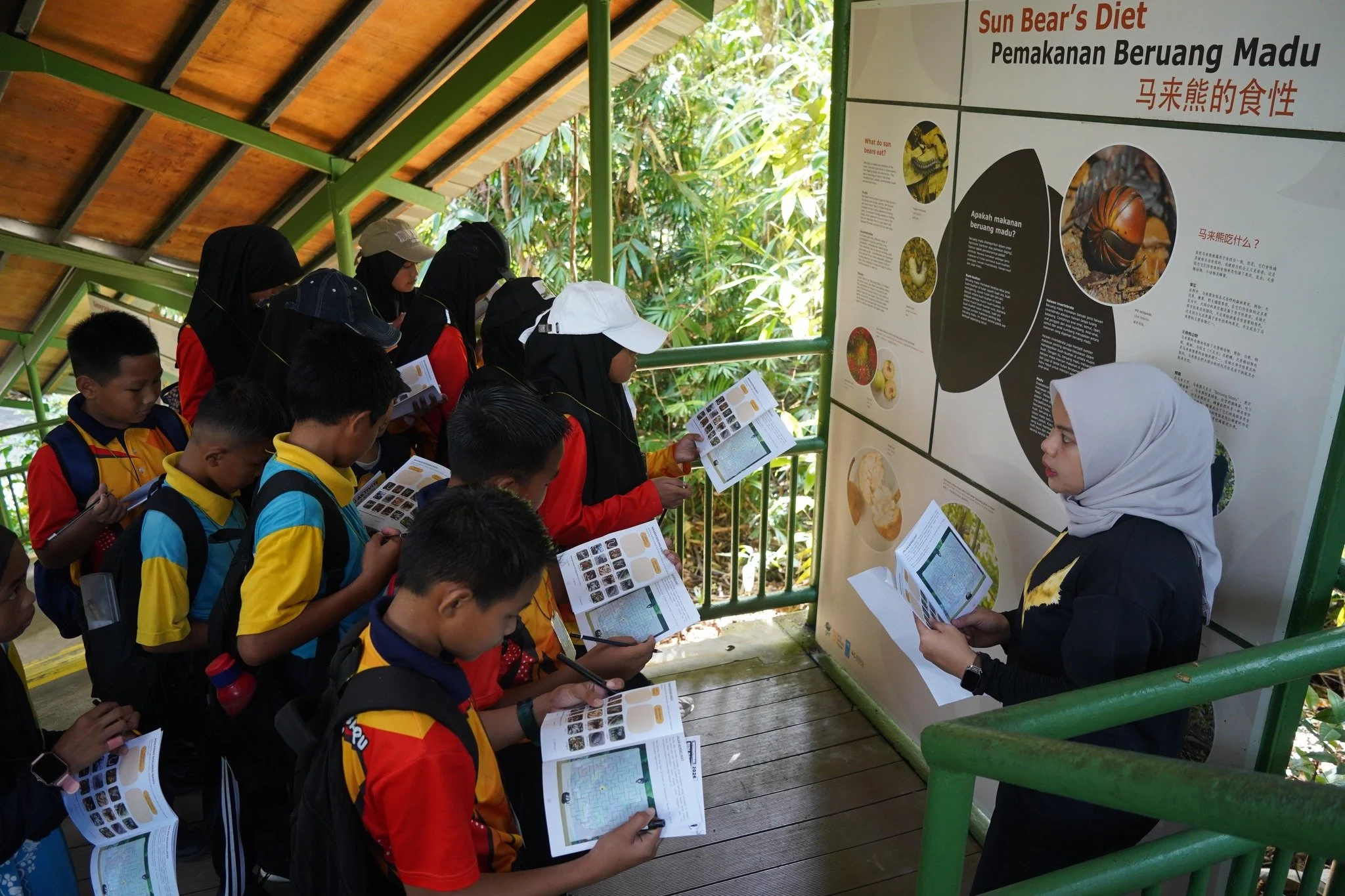
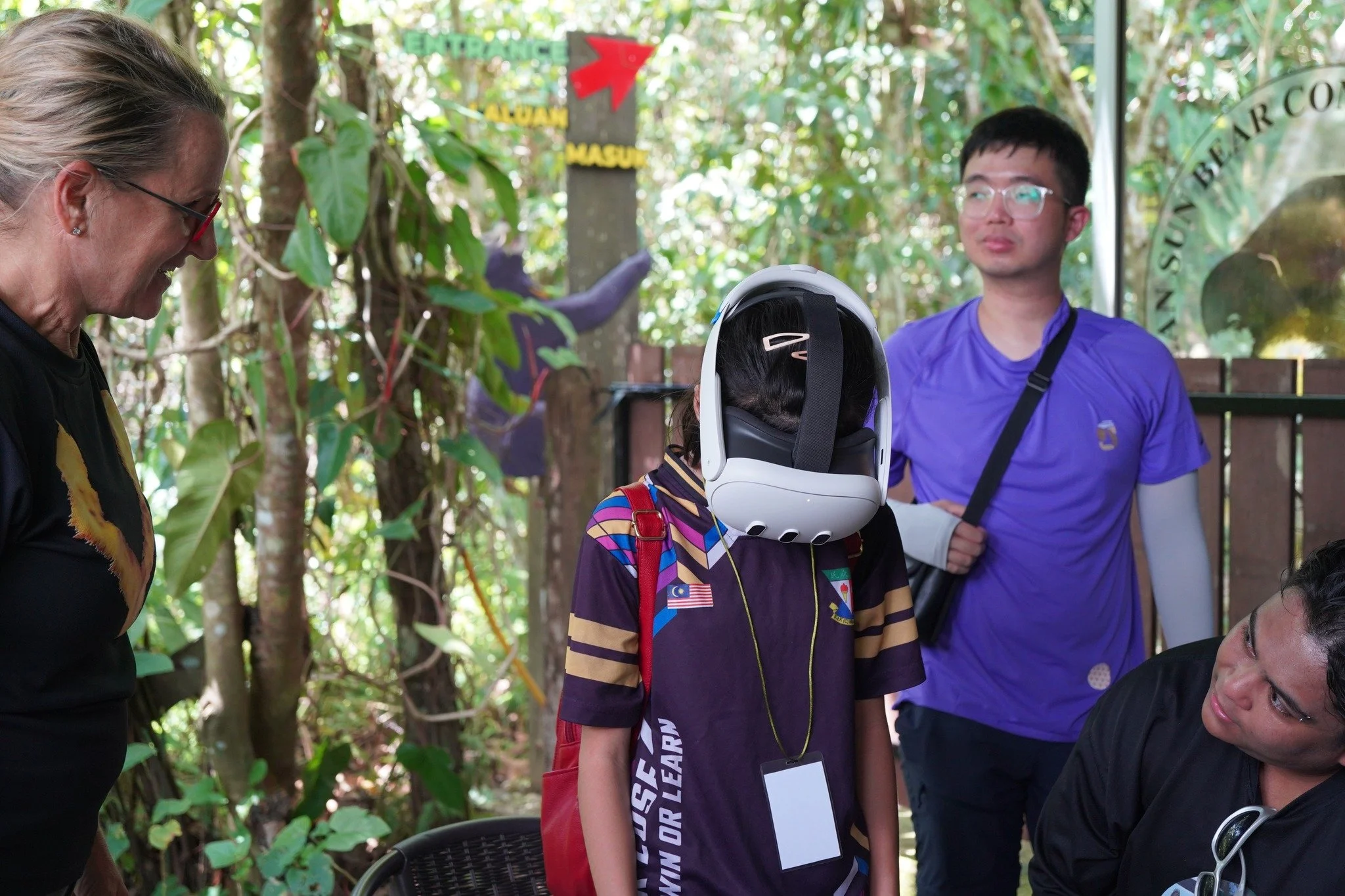
As part of the celebration, the Pre–International Sun Bear Day 2026 was also held on 9–10 May 2026 at BSBCC, featuring fun and interactive activities for all ages, including guided tours, quizzes, games, kids’ challenges, cookie sales, and many other exciting activities.
Thank you to everyone who came and joined our celebration! Your participation, enthusiasm, and support made the 10th celebration of International Sun Bear Day 2026 truly meaningful and memorable. Together, we continue to spread awareness, inspire conservation, and create a brighter future for sun bears and their natural habitat!
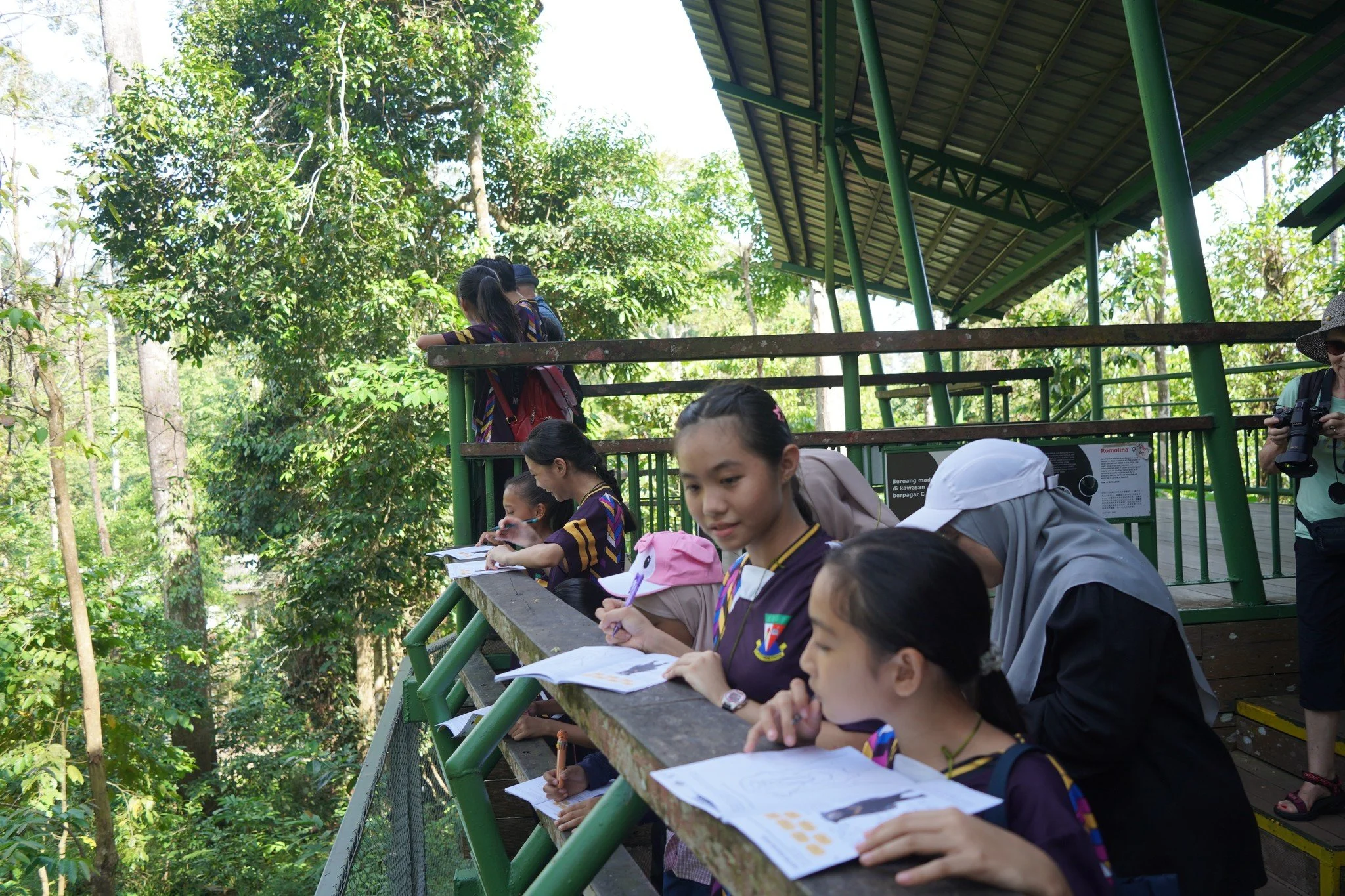
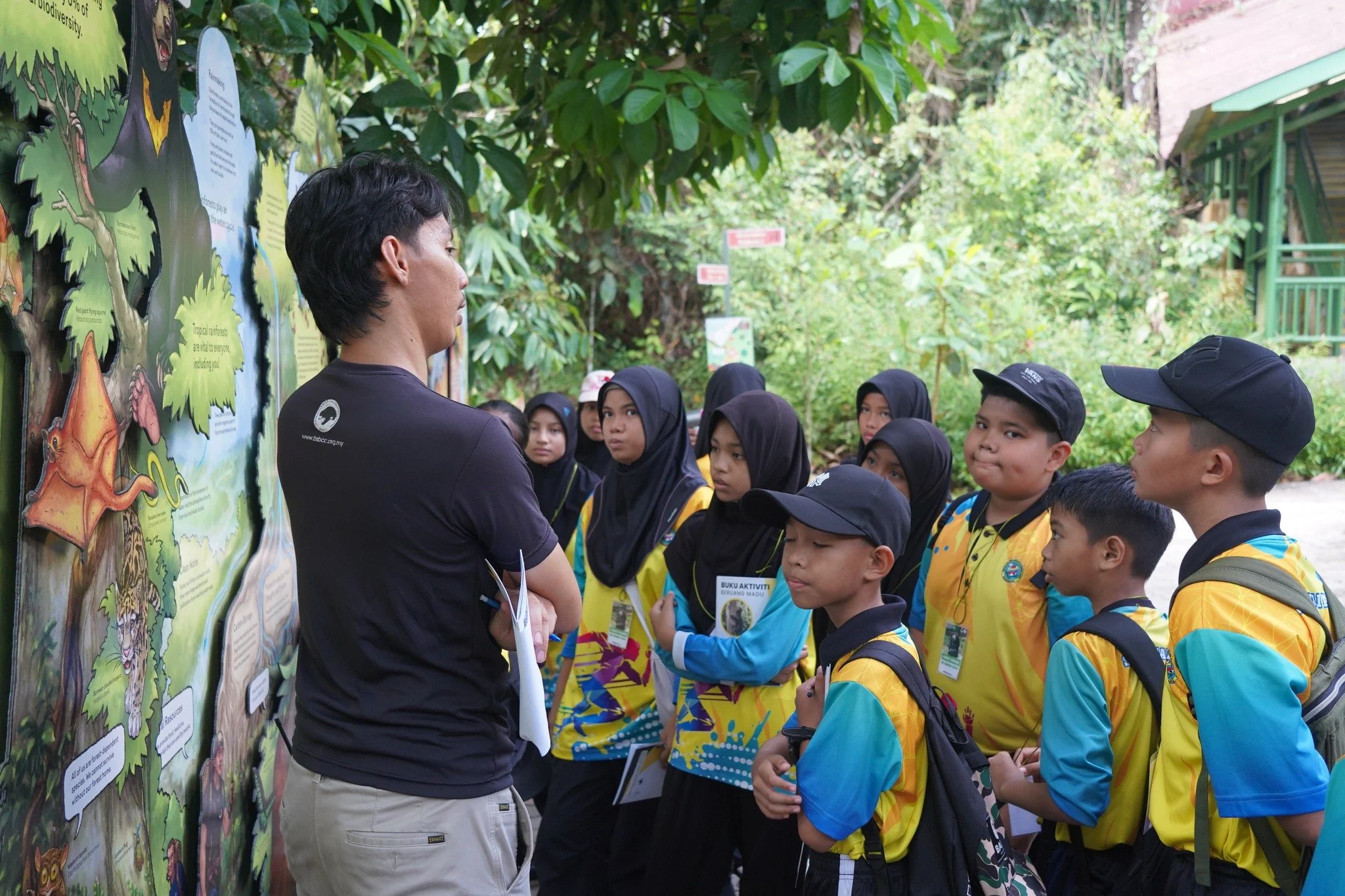
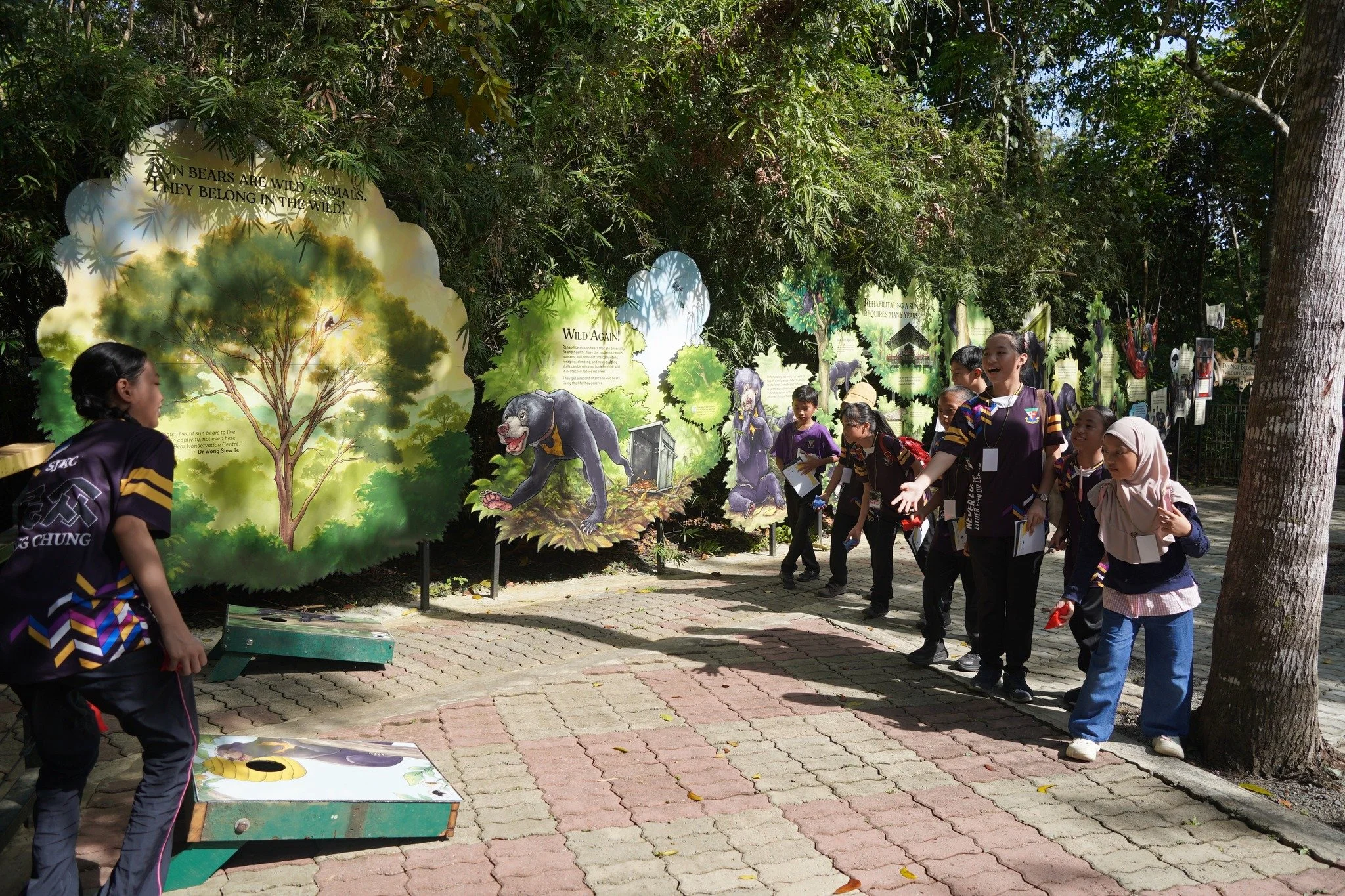
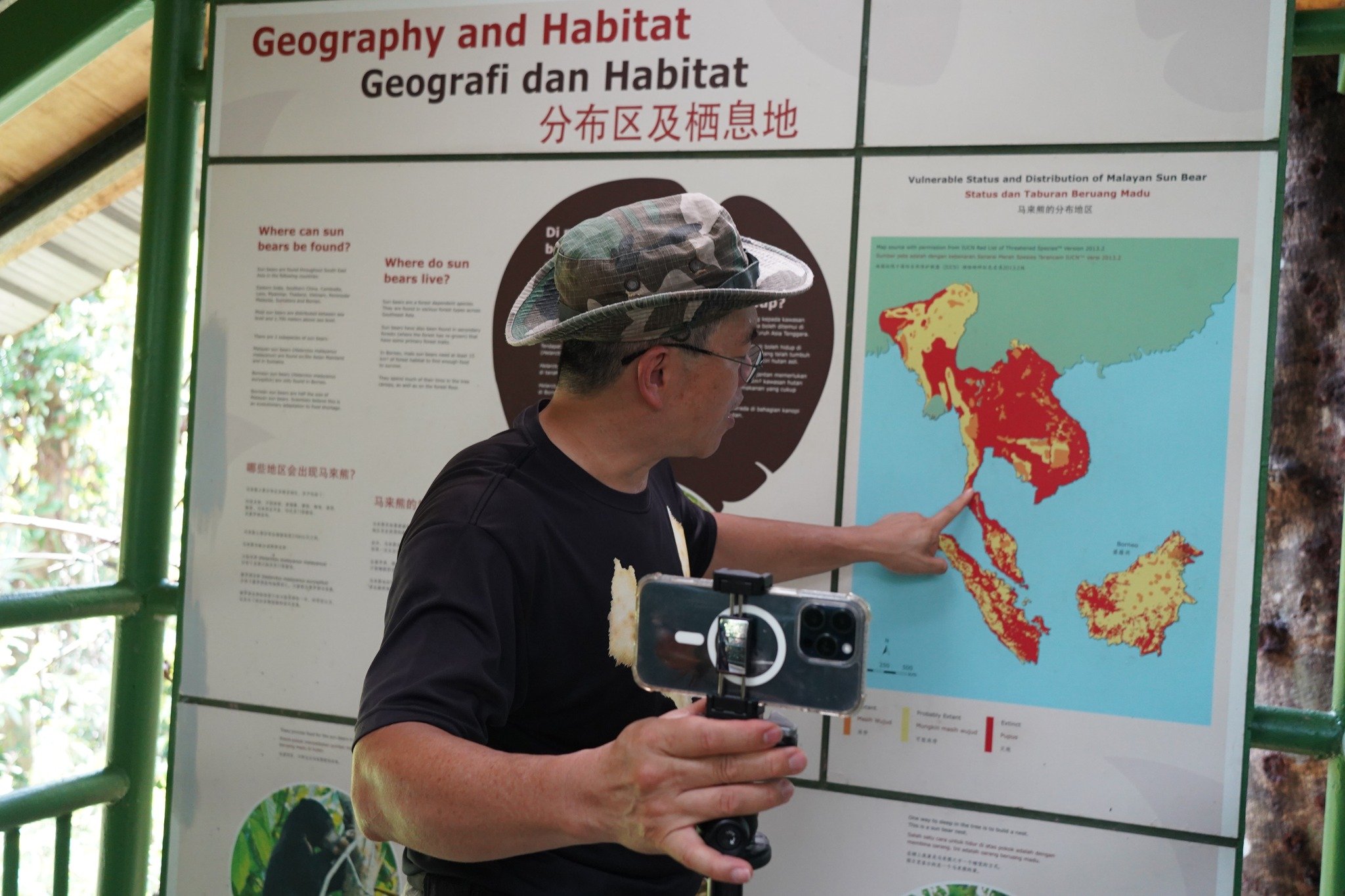
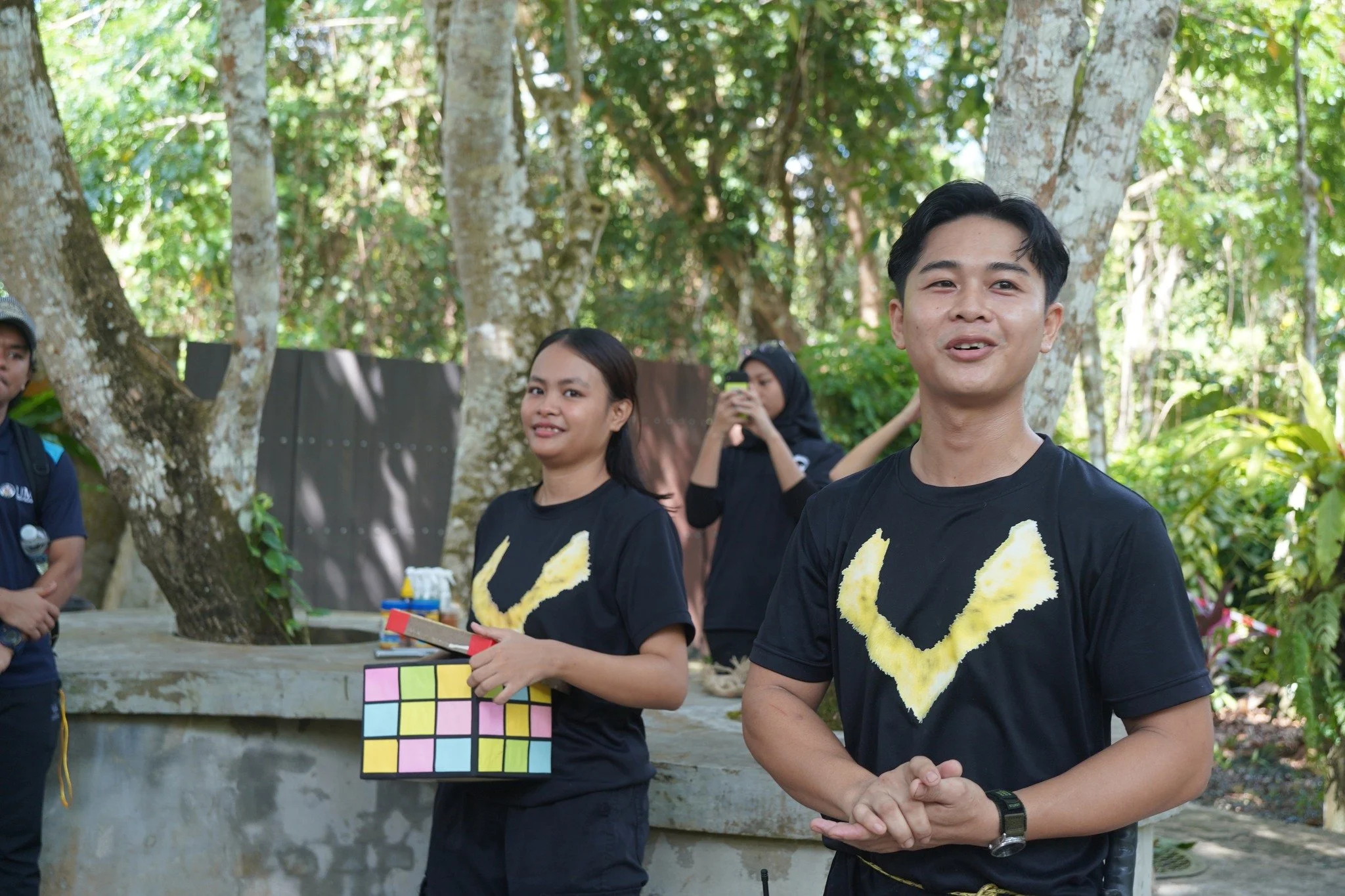
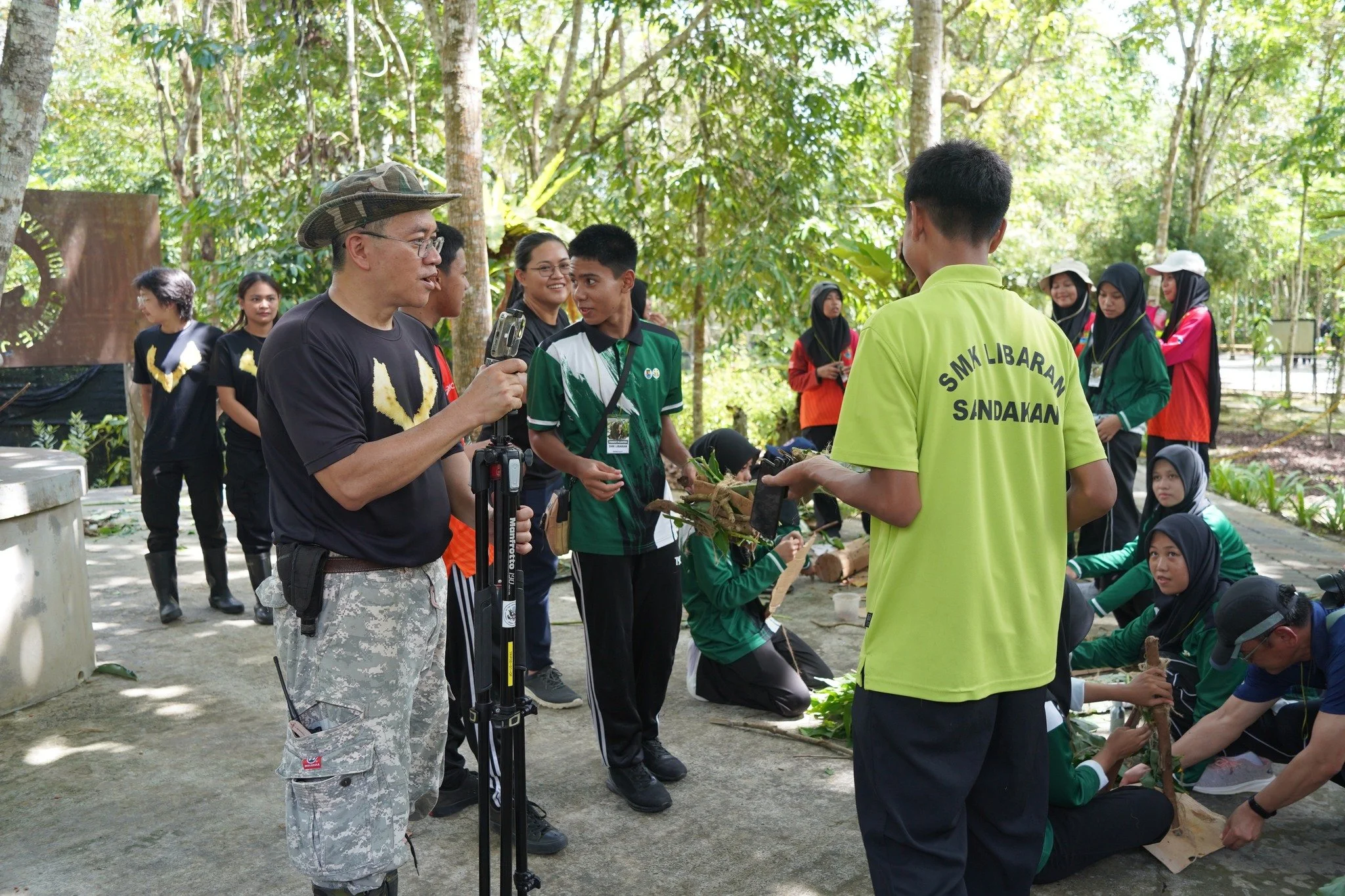
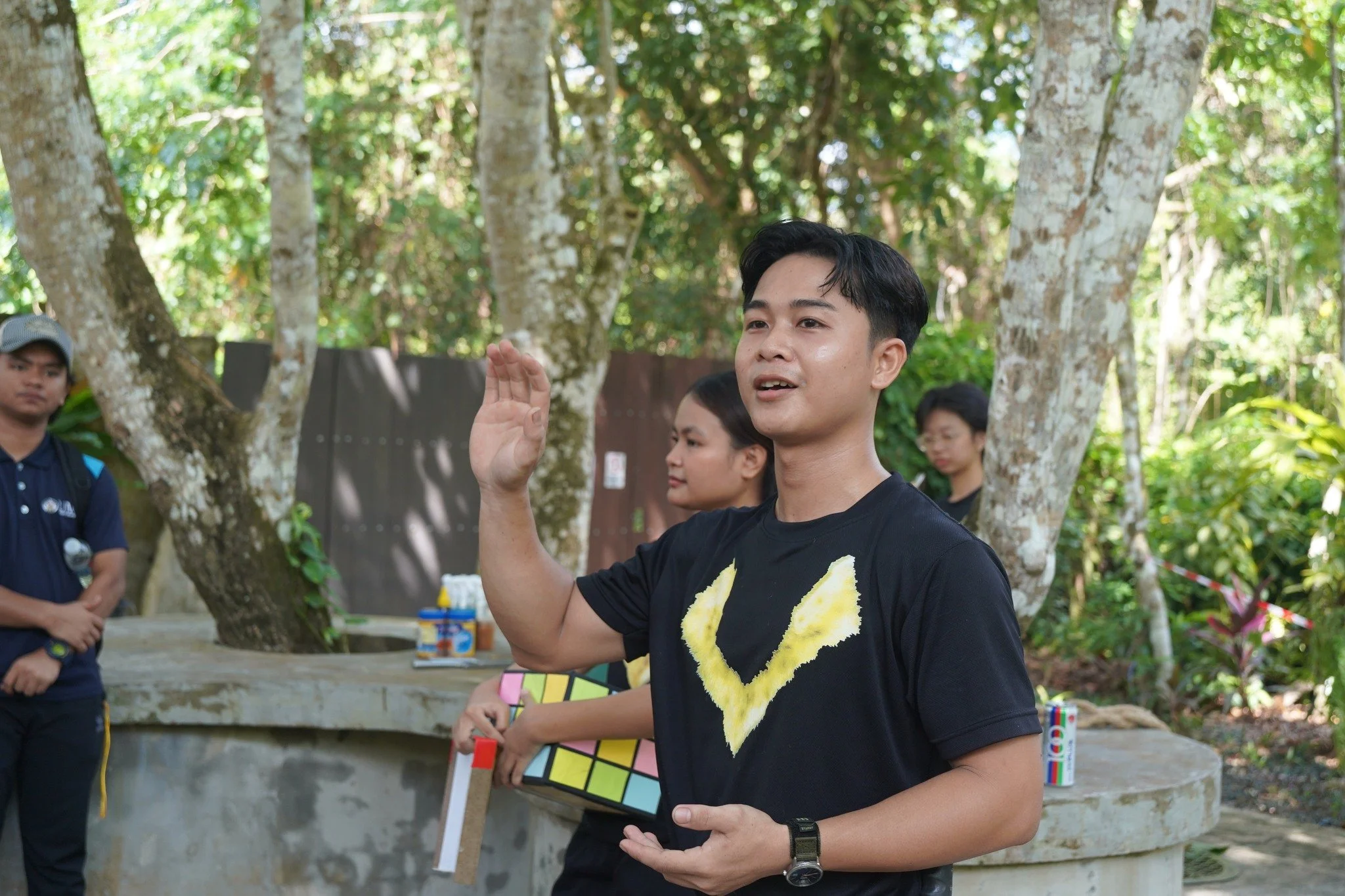
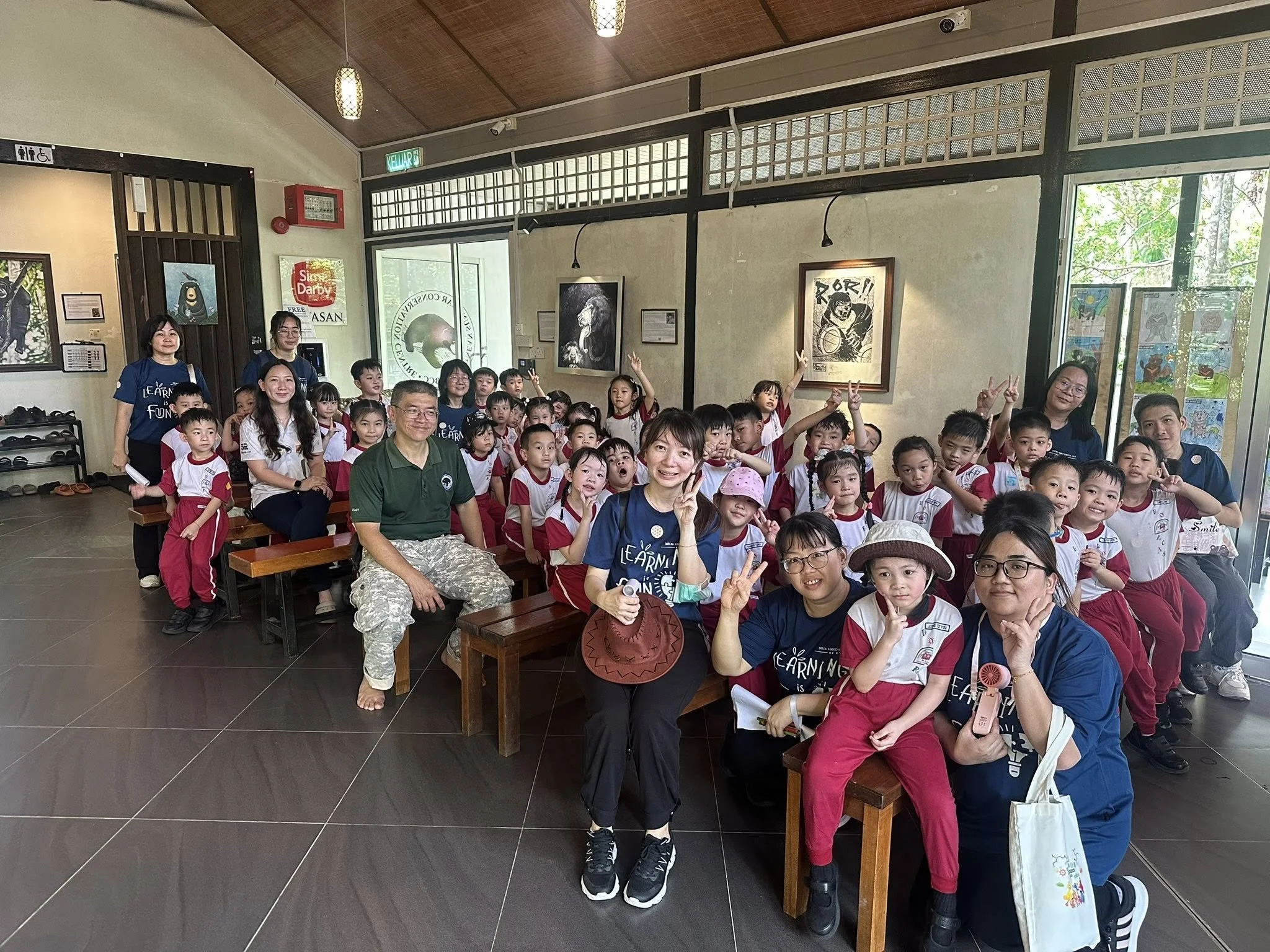
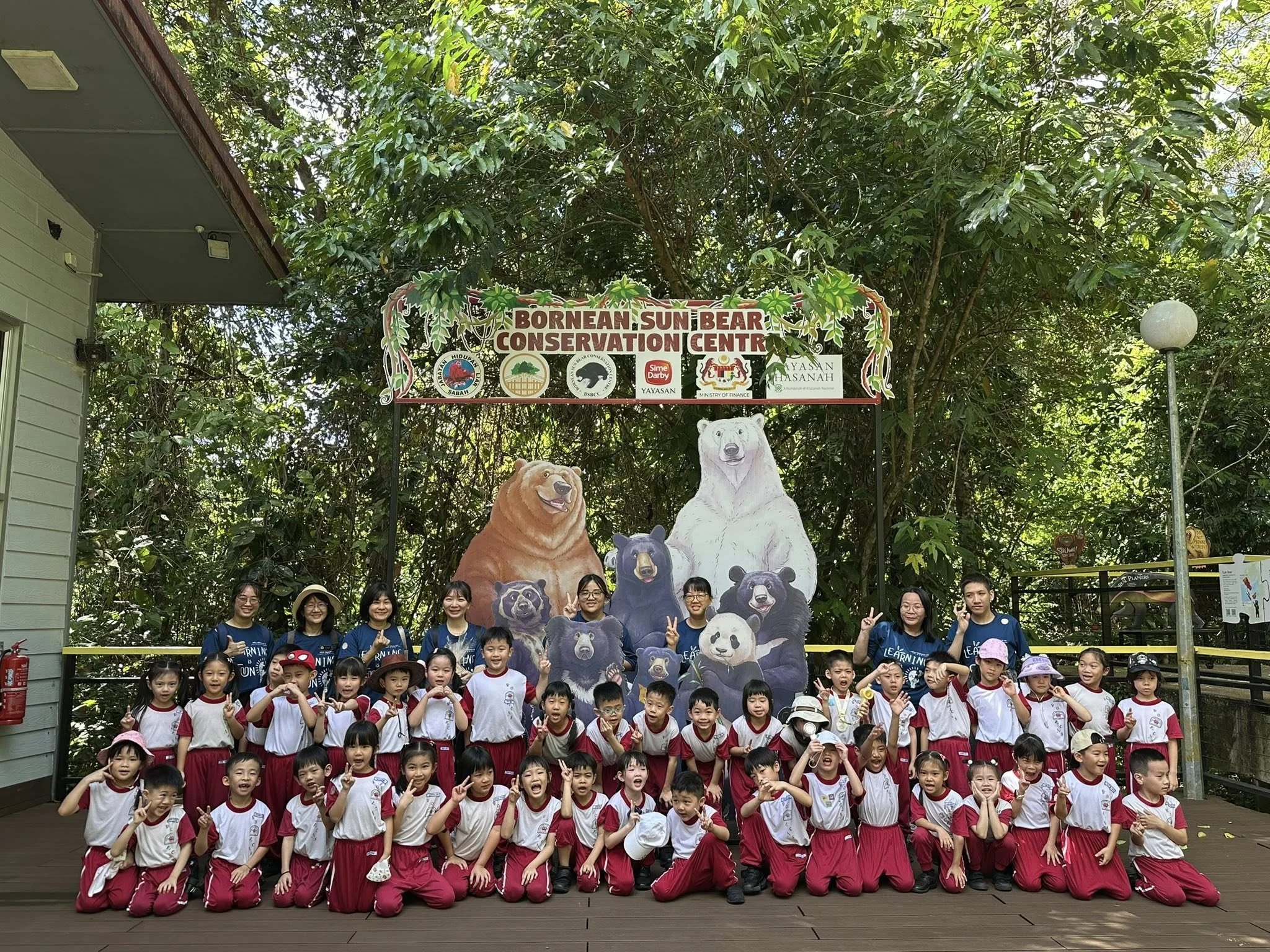
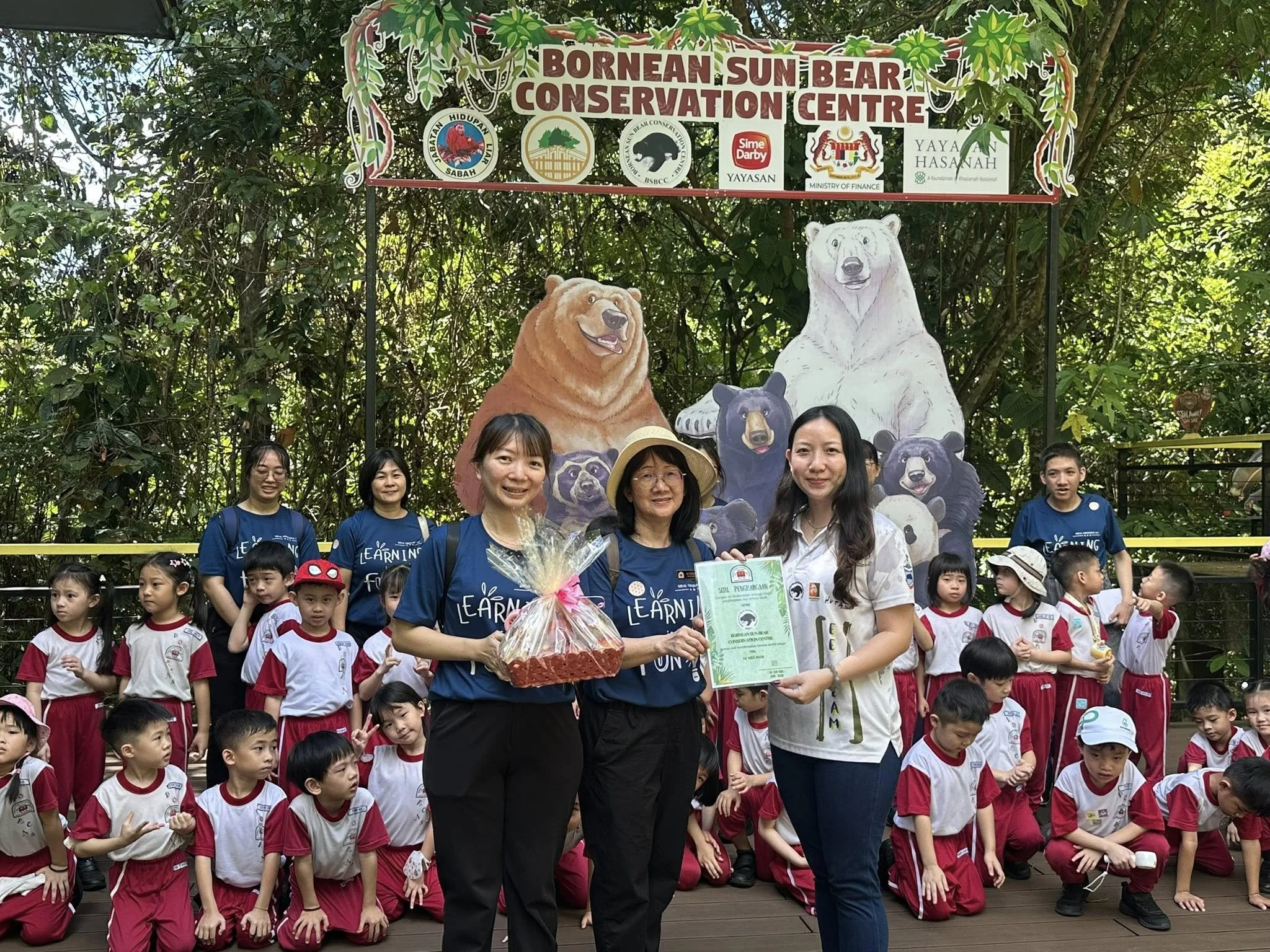
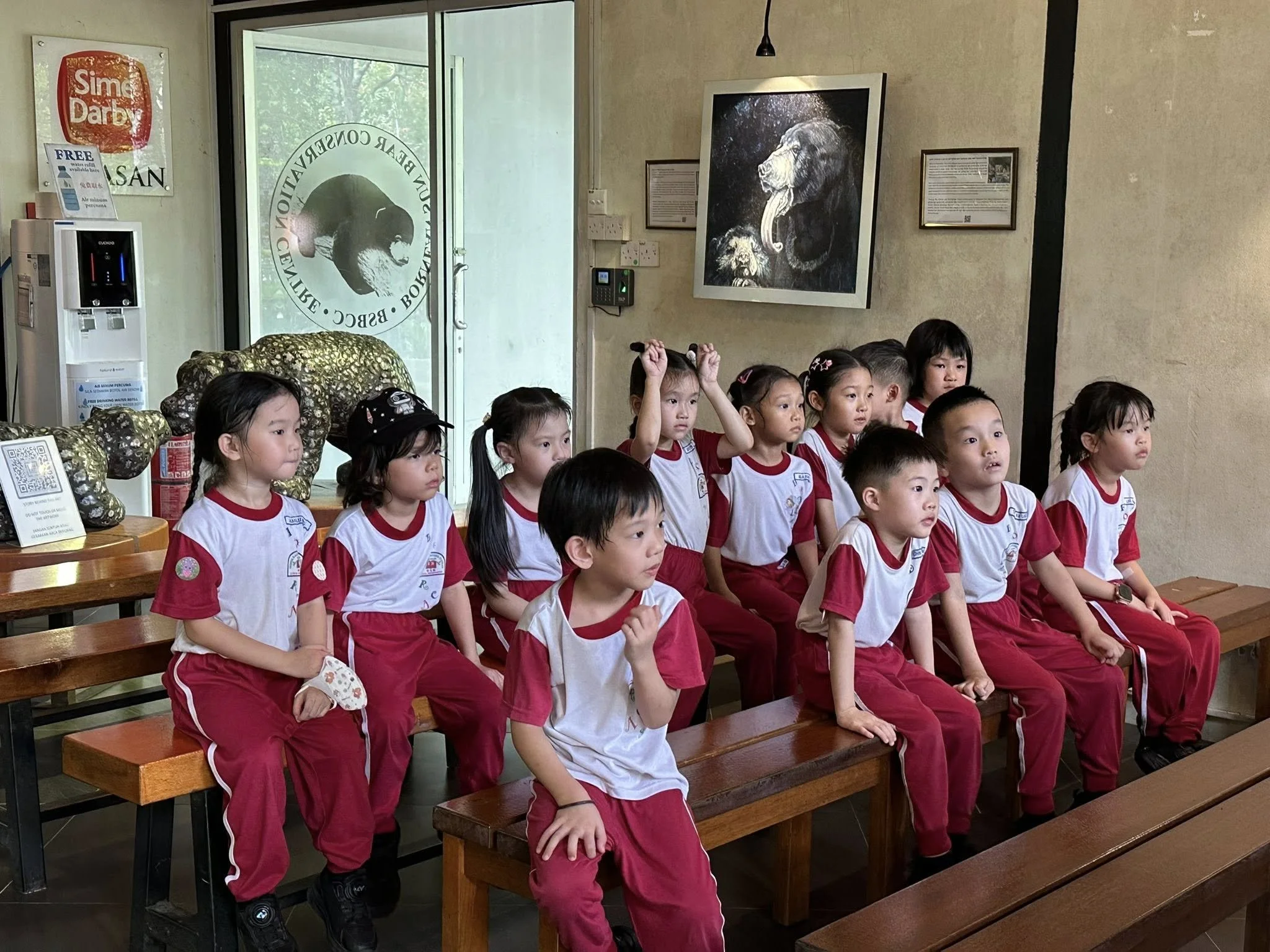
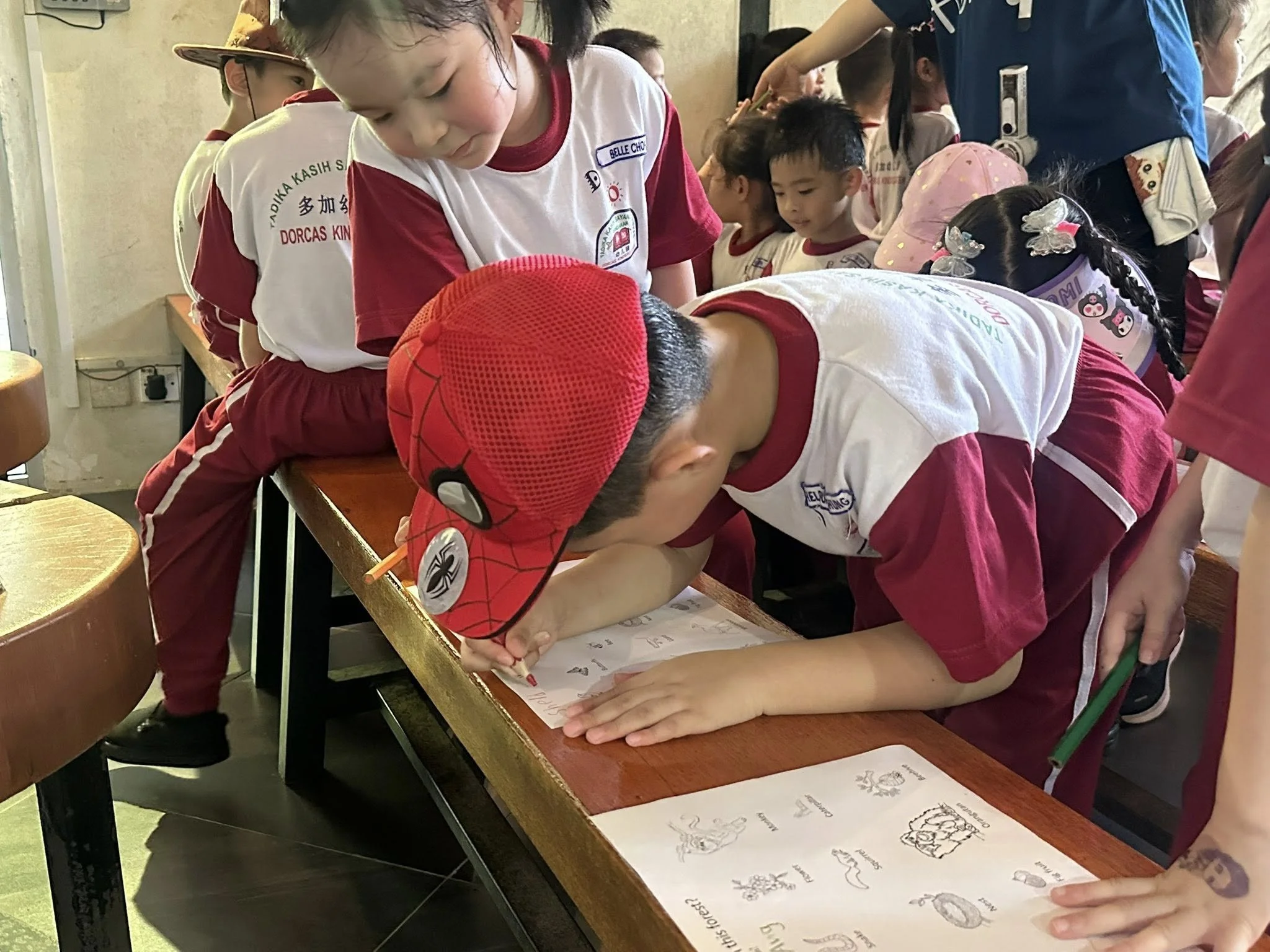
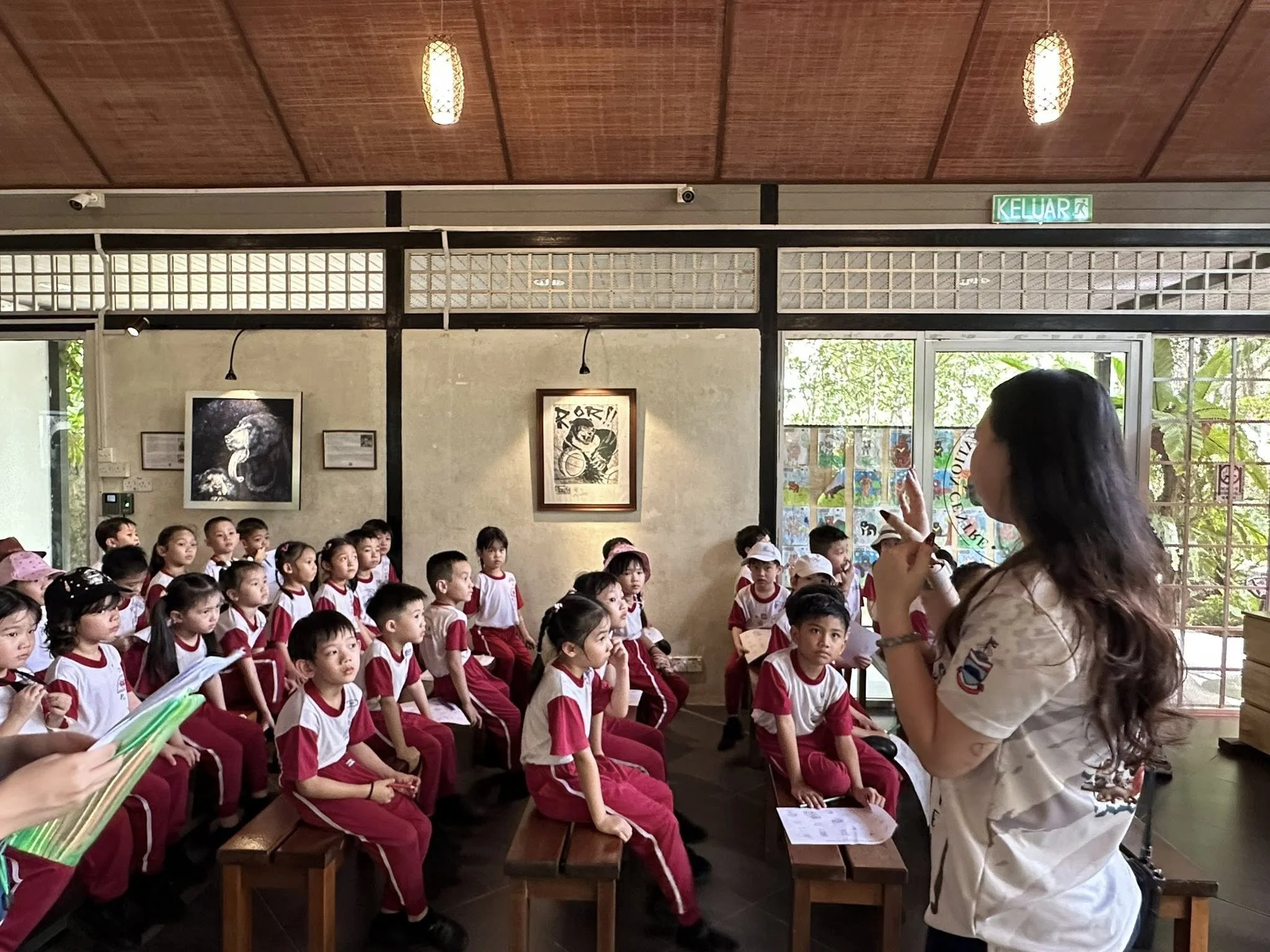
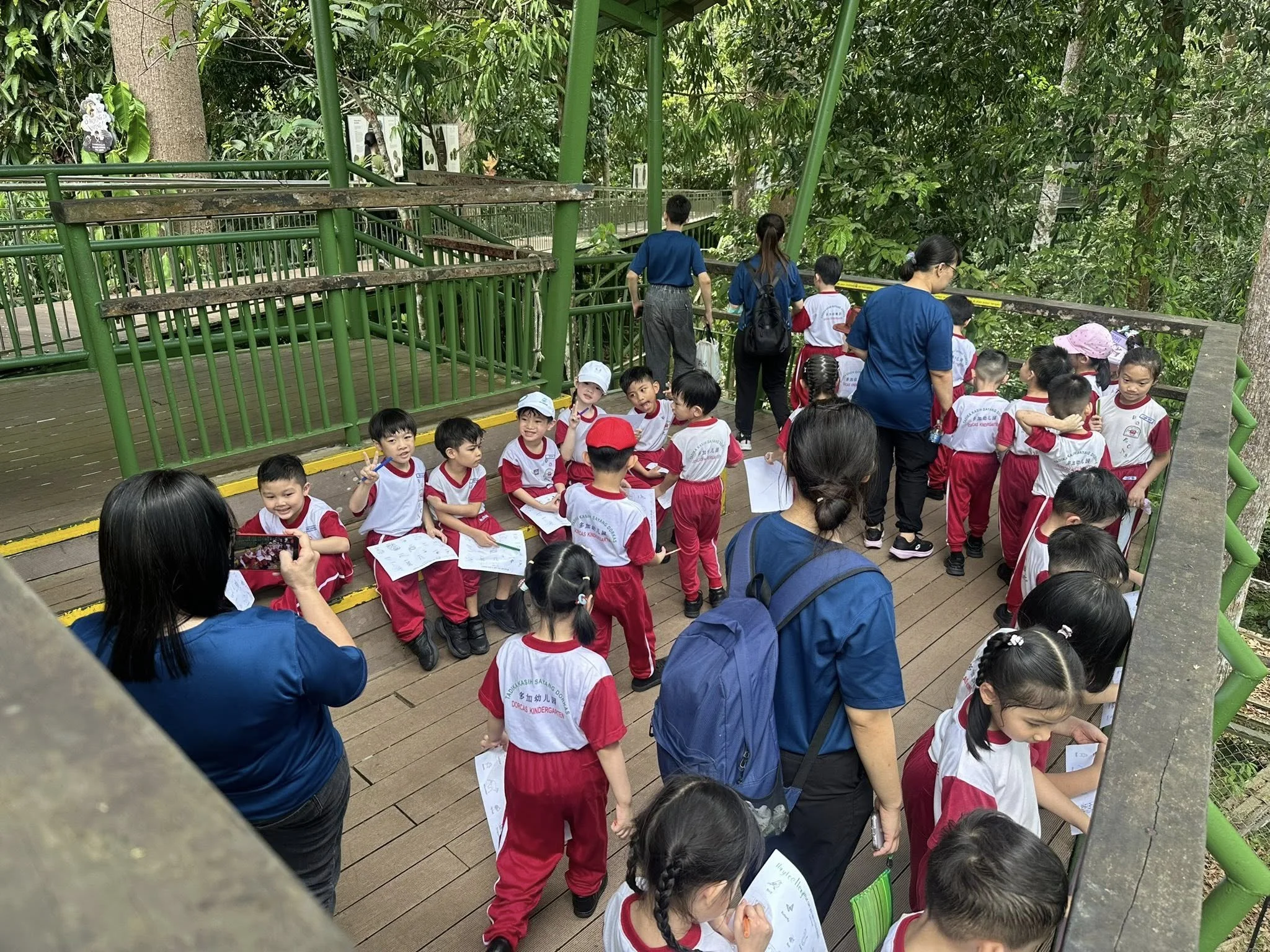
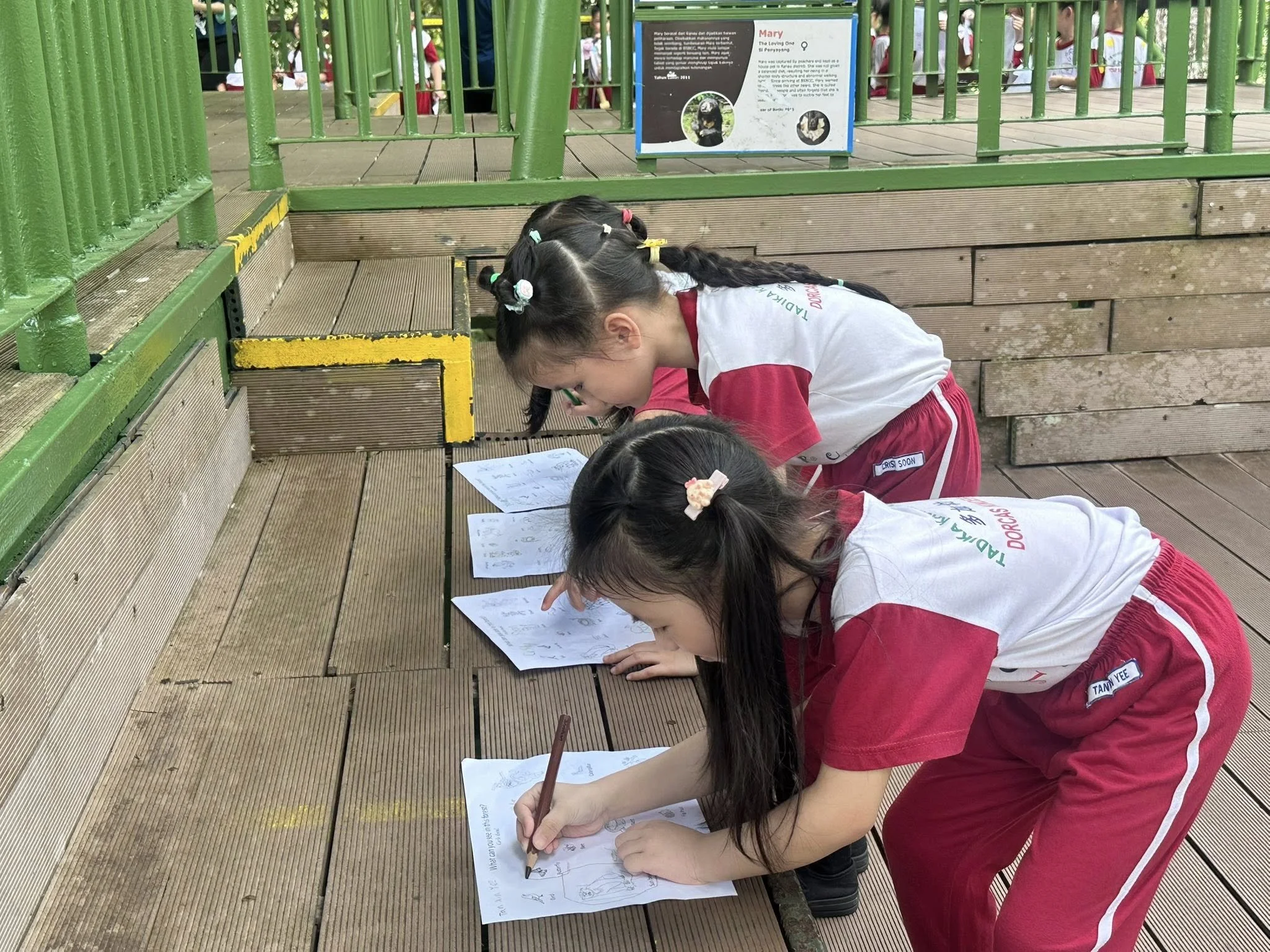
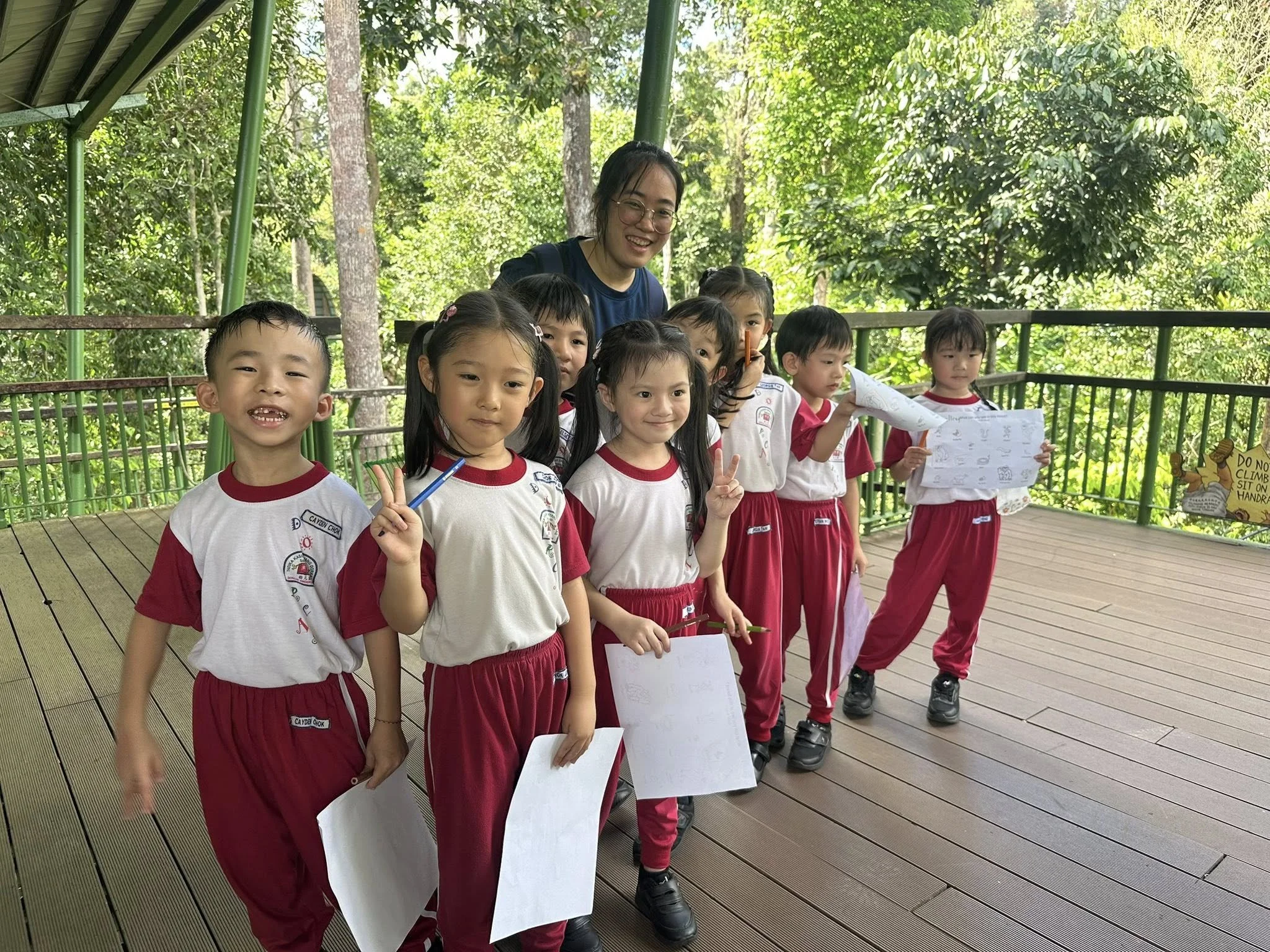
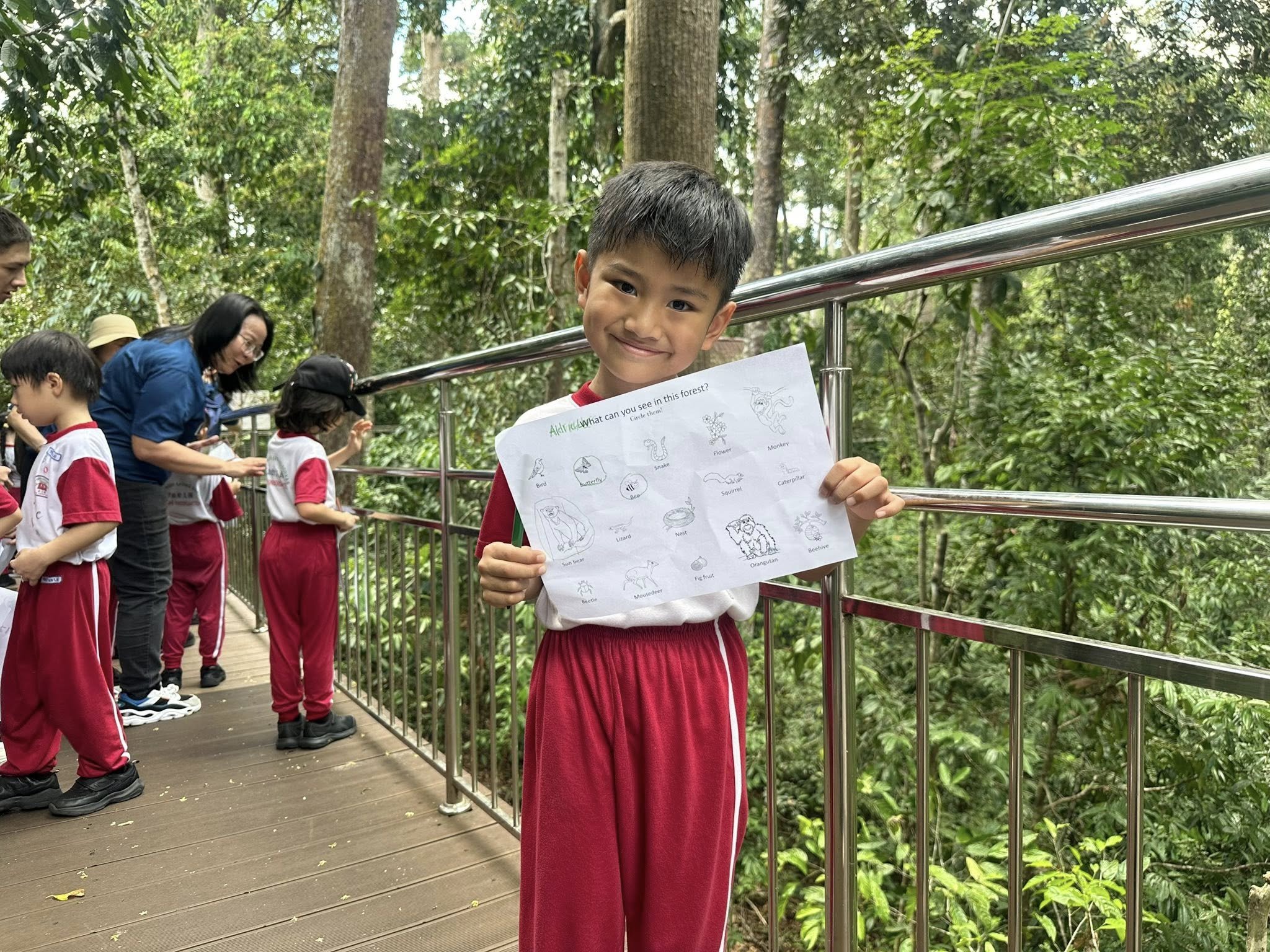
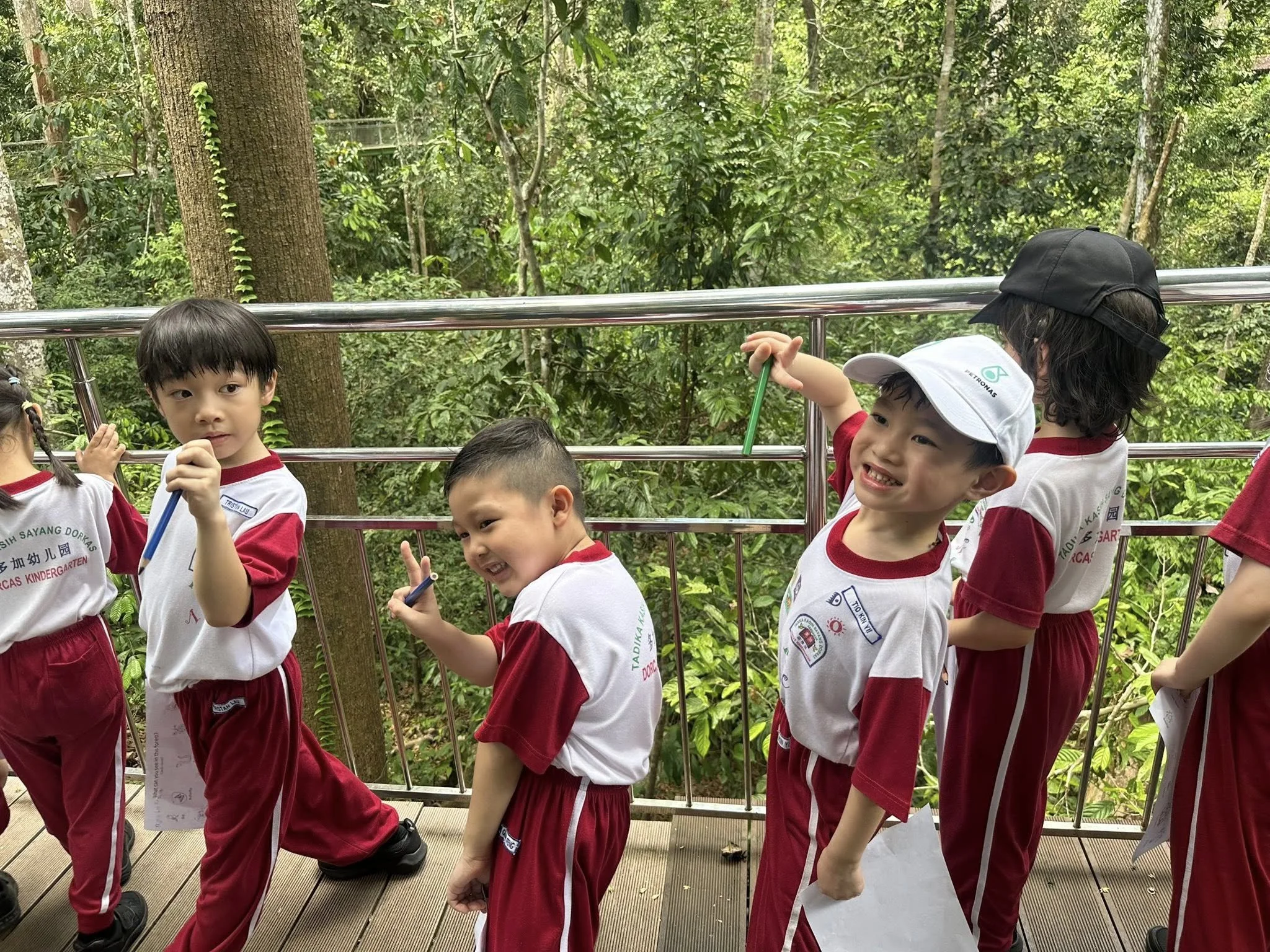
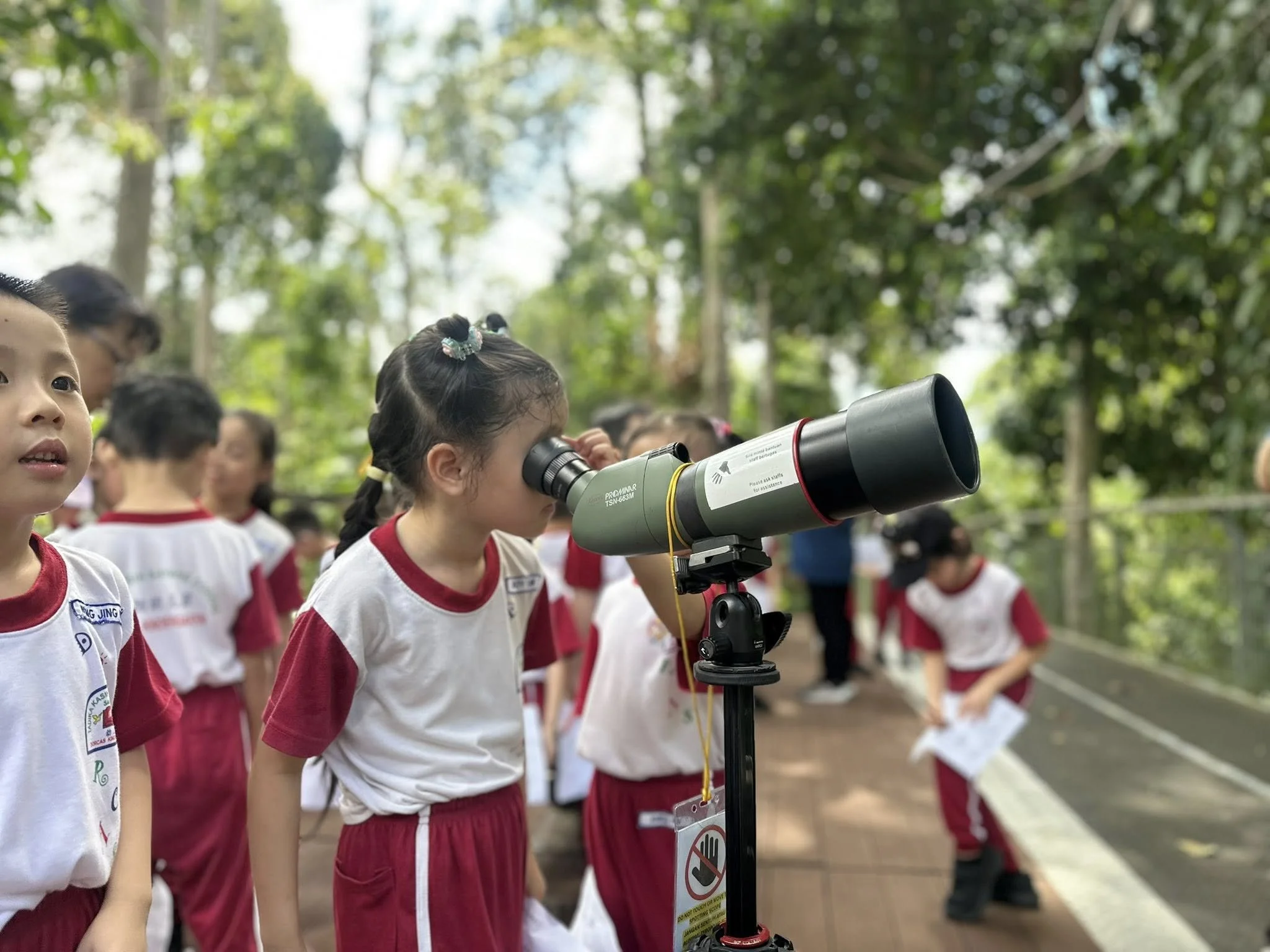
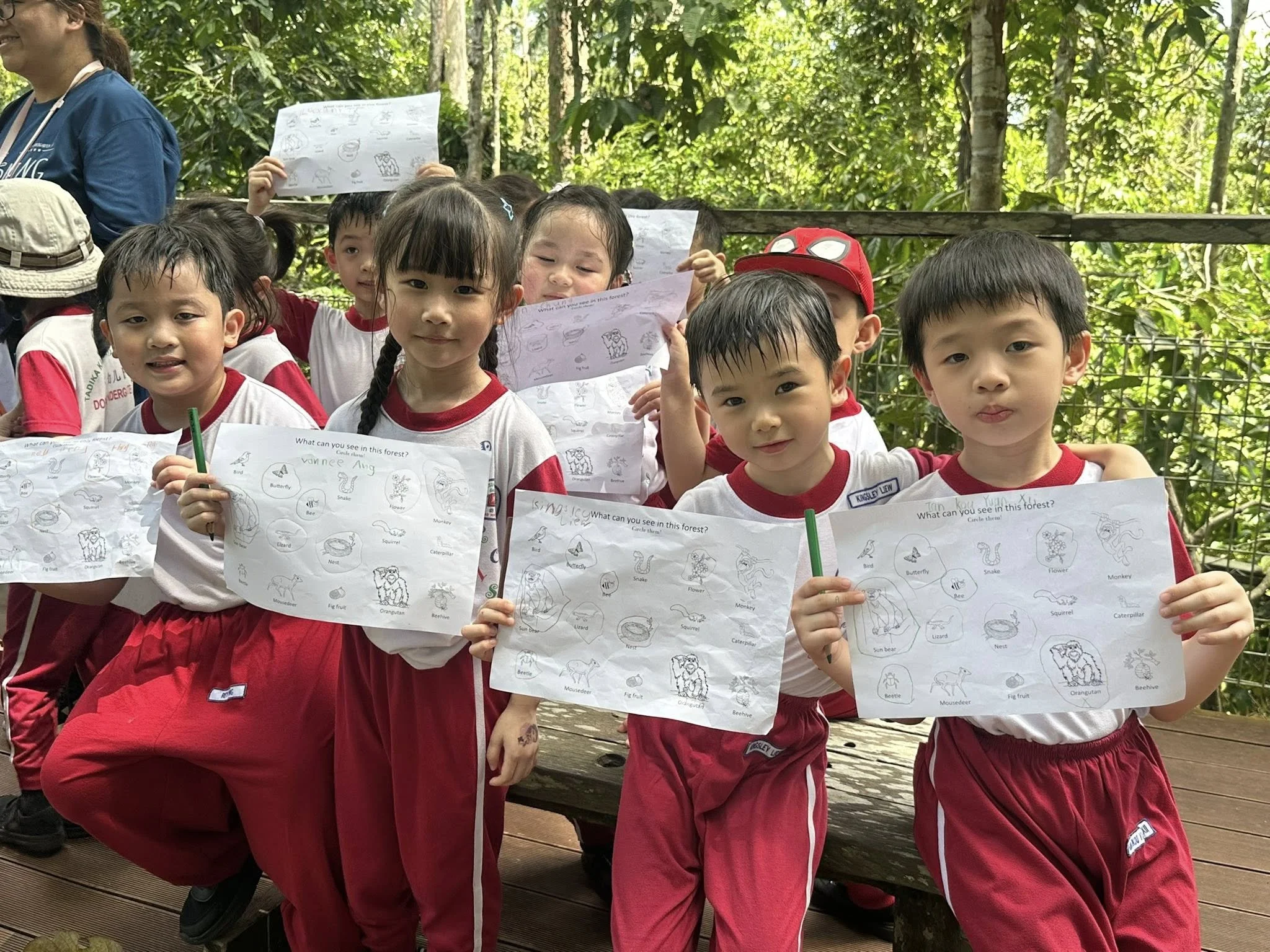
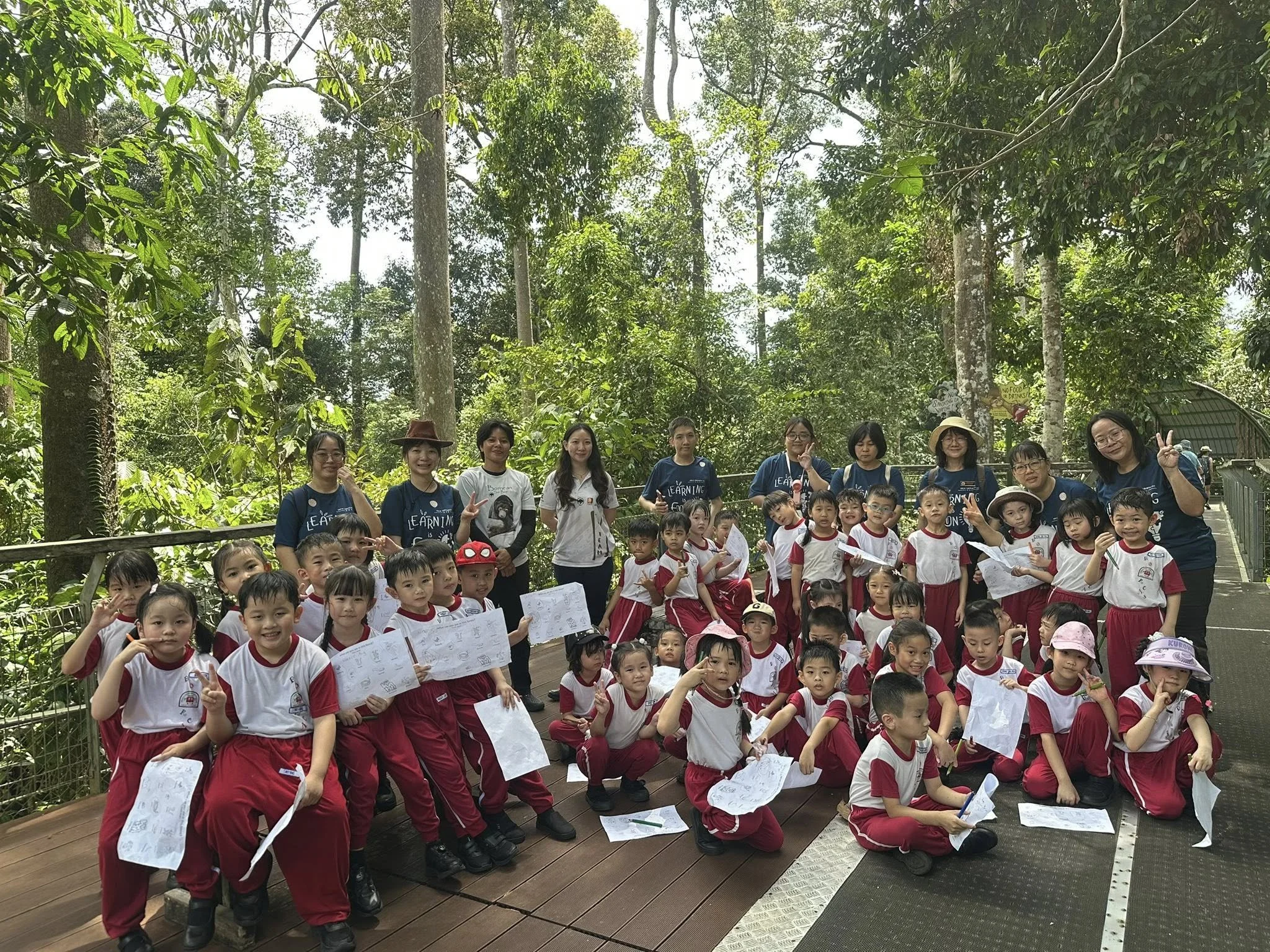
Tadika Kasih Sayang Dorkas Visit
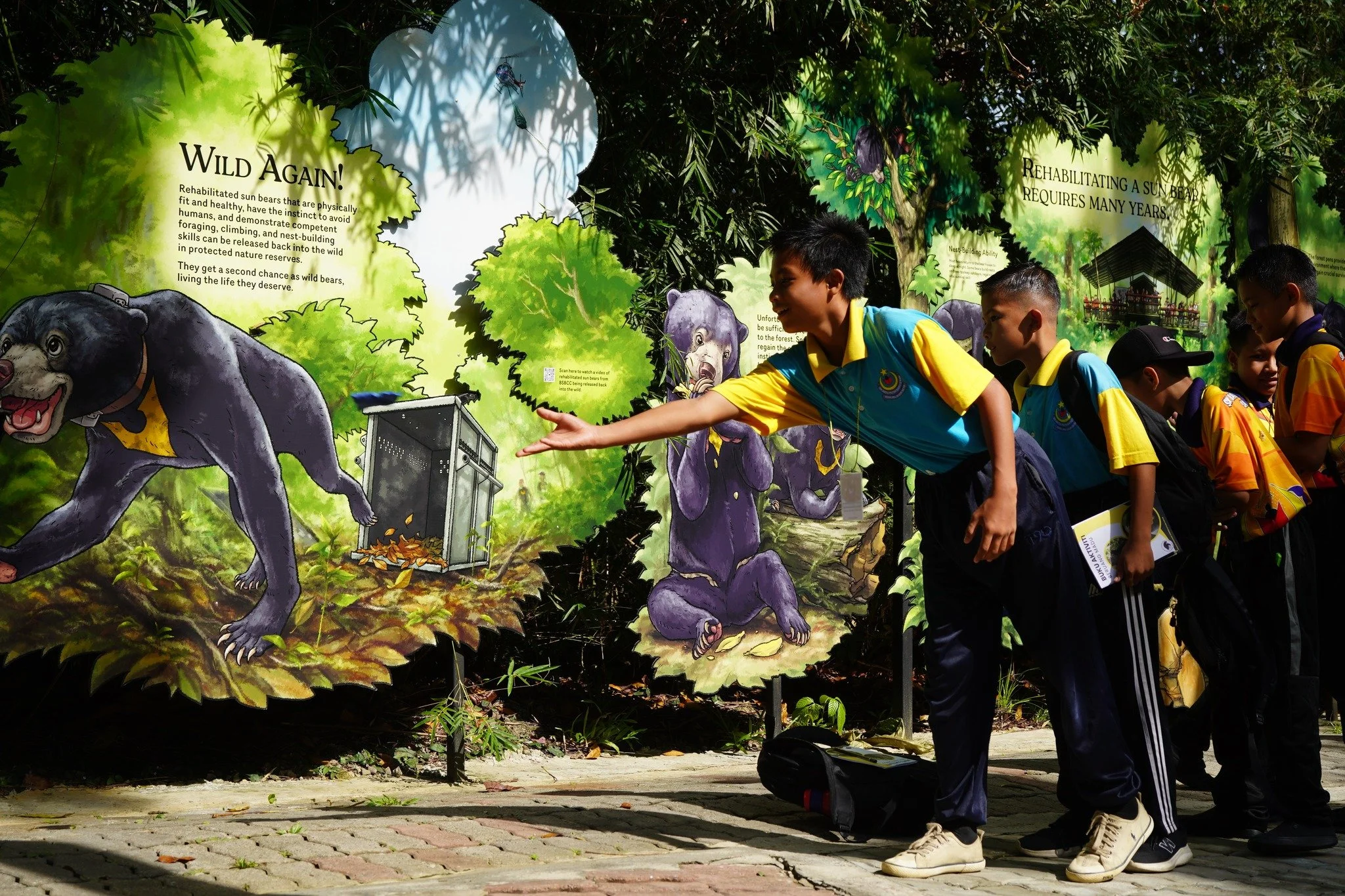
What a sunny and energetic day at the Bornean Sun Bear Conservation Centre!
Today, we were delighted to welcome students and teachers from Tadika Kasih Sayang Dorkas for an educational visit filled with fun, learning, and excitement.
Even though the weather was hot, the children remained active and enthusiastic throughout the visit! From spotting the sun bears to participating in activities, their excitement and curiosity truly brightened our day.
Thank you Tadika Kasih Sayang Dorkas for visiting us and supporting wildlife education and conservation. We hope everyone had a memorable experience learning more about the world’s smallest bear!
See you again next time!