
[NEWS] The Malaysian Reserve - Tourism Malaysia turns to sun bear film to promote responsible eco-tourism
PUBLISHED BY: THE MALAYSIAN RESERVE
PUBLISHED ON: 22 JULY 2026
BY: AKMAR ANNUAR
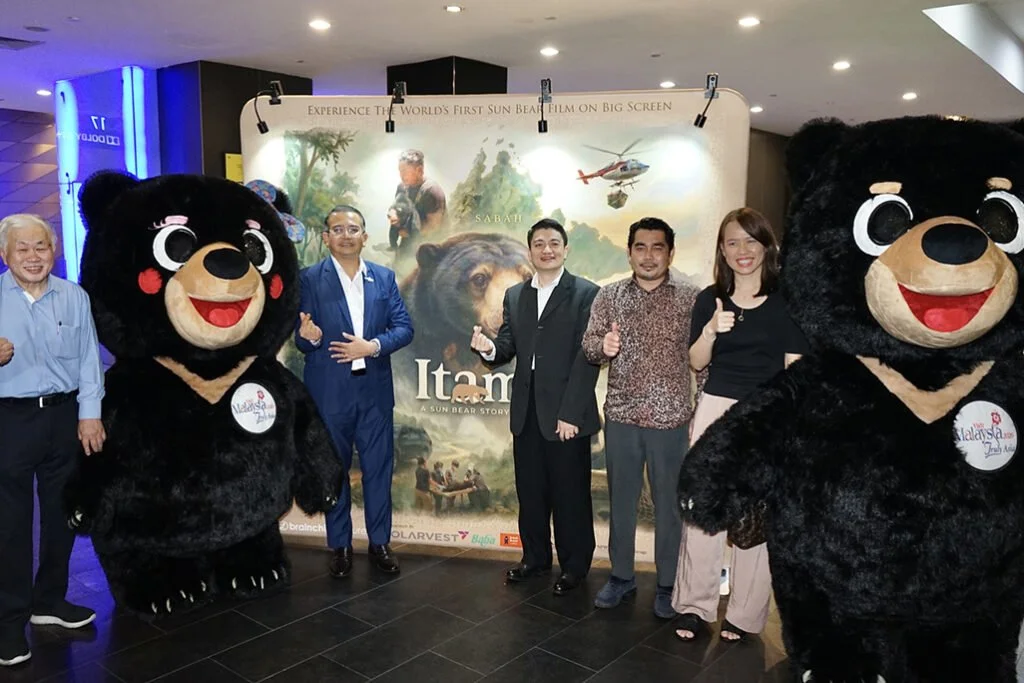
TOURISM Malaysia is using the country’s first feature-length sun bear documentary to strengthen conservation-led travel under Visit Malaysia 2026 (VM2026), while stressing that success should not be measured by pushing more visitors into environmentally sensitive sites.
Tourism Malaysia director-general Mohd Amirul Rizal Abdul Rahim said the agency had not set a specific visitor target or key performance indicator for destinations featured in “Itam: A Sun Bear Story”, as locations such as Sepilok and the Tabin Wildlife Reserve operate primarily as conservation areas.
“There is no specific target because these places are reserves and conservation centres, and although visitors are allowed, the numbers cannot be too high,” he shared with The Malaysian Reserve when asked how the agency would assess whether the documentary raises tourist arrivals to Sabah’s eco-tourism destinations.
He said such sites must be promoted within their carrying capacities, similar to controlled access at other nature attractions, including the daily limit imposed on climbers at Mount Kinabalu.
“The most important thing is that we do not reach a point where we have to close our islands,” Amirul Rizal said, adding that Tourism Malaysia would encourage travel across a wider range of destinations instead of concentrating visitors at a small number of sites.
The documentary, produced by Brainchild Pictures, premiered in Kuala Lumpur ahead of its nationwide cinema release on July 23 and follows Itam, a rescued sun bear, from rehabilitation at the Bornean Sun Bear Conservation Centre (BSBCC) in Sepilok to her return to the rainforest.
It is the first Malaysian feature-length wildlife documentary to be released simultaneously in Bahasa Malaysia, English and Mandarin, with television host Baki Zainal narrating all three versions.
Filmed over several years in Sabah, the production showcases the BSBCC and Tabin Wildlife Reserve, presenting both as examples of how tourism, conservation and environmental education can be linked through local storytelling.
The sun bear, the world’s smallest bear species, is also a central symbol for VM2026 through the campaign’s official mascots, Wira and Manja.
Filmmaker Raymond Tan said the project began after he realised how little many Malaysians knew about an animal that forms part of the country’s natural heritage.
“How can so many Malaysians not know about it? As a filmmaker, I felt that I had a responsibility and a calling to make a film about the sun bear,” he said in his speech at the premiere on July 20.
Tan said the wildlife production differed sharply from his previous feature-film work because the crew could not stage scenes, direct the animals or repeat moments that were missed.
“There was no second take because the sun bears are not actors or performers, so all our cameras had to be ready and we had to document everything correctly,” he told a press conference before the screening.
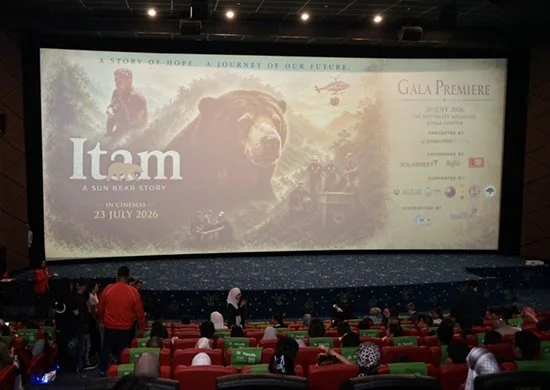
One of the most difficult sequences involved transporting Itam by helicopter over the Tabin forest for her release, with the crew making six flights within a narrow window because of unpredictable weather.
The film also avoids presenting the release as a guaranteed happy ending, reflecting the uncertainty faced by rehabilitated wildlife once it is returned to a forest affected by natural risks and human activity.
Wildlife biologist Dr Wong Siew Te said releasing rehabilitated bears remained a difficult decision because the rainforest is a harsh environment, while deforestation, hunting, poaching and the illegal pet trade add further pressure.
“We want bears to live in the forest and not in captivity, not even at our centre, so we have to do our best to give orphaned sun bears a second chance to live in the wild,” he said.
Wong, who has studied sun bears for 28 years, said conservation groups have limited reach and require filmmakers, journalists and the wider public to build awareness around the species.
He added that Wira and Manja had already made the sun bear more recognisable internationally and created a wider platform for the BSBCC’s conservation work.
Baki said he agreed to narrate the documentary after Tan first contacted him through Instagram several years ago, before spending about 16 hours recording the script in the three languages.
He said the narration retained a Malaysian voice rather than imitating foreign documentary styles, reflecting the production’s ambition to take a home-grown conservation story to a wider audience.
“This is a Malaysian film, made by Malaysians and voiced by a Malaysian for Malaysia to bring to the world,” he said.
Tourism Malaysia said the documentary forms part of its broader effort to market the country through meaningful stories, while encouraging appreciation of biodiversity, environmental stewardship and responsible tourism.
Malaysia recorded 42.2 million international visitor arrivals in 2025, up 11.2% from 38 million in 2024, while arrivals rose 3.4% year-on-year to 17.5 million between January and May 2026.
Amirul Rizal’s comments underline the balance facing the tourism sector as it promotes nature destinations without allowing increased visibility to undermine the wildlife habitats and conservation work that attract visitors.